
 Megtekintés
 Küldés
 Megosztás
 Részletek
 Útmutató

 Letöltés
 Hasonló darabok
 X-ray felvétel
 Diavetítés
 Q&A
Q&A Statisztika
The Passing Glory


 Összes részlet megjelenítése
Giclée / Műnyomat
Múzeumi minőségű giclée vagy vászonnyomat, gyors gyártással és rugalmas finomítási lehetőségekkel. ( Kézzel festett másolat rendelése Áttérés digitális képre)




P118B Ft10

P118H Ft10

P118W Ft10

P438Z Ft10

P508JH Ft12

P508YH Ft12

P805H Ft10

P805Z Ft10

P919BZ Ft10

P919G Ft10

P919XJ Ft10

P959ZH Ft10

P968JZ Ft12

W106C Ft8

W218G Ft10

W218JH Ft8

W218Y Ft10

W307PJ Ft10

W316G Ft10

W316PJ Ft8

W316Y Ft10

W398PJ Ft8

W4111J Ft10

W500HY Ft15

W500JH Ft15

W692G Ft12

W849H Ft8

W940BG Ft15

W953PJ Ft8




Válasszon előre meghatározott méreteink közül, amelyek megfelelnek a műalkotás eredeti arányainak.

Írja be a keretének vagy a falának megfelelő szélességet és magasságot. A nyomatot csak le lehet vágni, soha nem tehető nagyobbá, mint az eredeti kép, így egy eltérő alakú méretnél a kép egy része elveszik. Mielőtt bármit kinyatintanánk, küldünk egy digitális próbamodellt jóváhagyásra. Az oldalon látható kép nem tartalmazza a valós levágást — ezt csak a próbamodell mutatja meg.
Világszerte történő kiszállítás területére mindössze 2 hét alatt, a szokásos 4-5 hét helyett. (1 november)

Ingyenes globális expressz szállítás

Prémium minőségű len vászon

Teljes körű szállítási biztosítás

Vámvisszatérítési Garancia

Hiteles színarányosság garancia

100 napos visszaküldési lehetőség (csak hibás termékek esetén)

100% pénzvisszatérítési garancia

Több darab vásárlásakor kedvezmény
 Az üvegkeretes opció csak 110 cm alatti méretben érhető el

The Passing Glory
Giclée / Műnyomat
Reprodukció mérete
-


Összesített ár
Ft 26198
A Symphony of Autumnal Light
In the quiet transition of seasons, there exists a fleeting moment where the warmth of summer lingers just enough to touch the encroaching chill of autumn. It is this precise, ephemeral heartbeat that Willard Leroy Metcalf captures in his 1907 masterpiece, The Passing Glory. As a prominent figure in the American Impressionist movement, Metcalf possessed a rare ability to act as a poet of light, translating the atmospheric nuances of the New England landscape into a visual melody. The painting presents a breathtaking hillside, where the lush greenery of late summer begins its graceful surrender to the fiery golds and deep ochres of fall. Through his masterful brushwork, the canvas breathes with the vitality of a living ecosystem, inviting the viewer to step into a world of profound serenity.
The composition is a masterclass in balance and narrative depth. In the foreground, textured trees anchor the scene, their leaves rendered with a delicate touch that suggests both weight and translucency. Scattered throughout this verdant expanse, several birds take flight or rest, adding a sense of spontaneous movement to an otherwise tranquil setting. This subtle animation is further enriched by the presence of two distant figures, small yet significant, who appear to be lost in the contemplation of the vast horizon. Their inclusion transforms the landscape from a mere botanical study into a shared human experience, suggesting that the true glory of nature is best realized when witnessed through the lens of quiet companionship and peaceful reflection.
Technique and the Impressionist Spirit
Metcalf’s technique in The Passing Glory exemplifies the core tenets of American Impressionism, focusing heavily on the interplay of light and color to evoke emotion rather than mere topographical accuracy. Rather than relying on harsh outlines, he utilizes soft, broken brushstrokes that allow colors to blend optically within the eye of the beholder. This method creates a shimmering effect, mimicking the way sunlight filters through a canopy of changing leaves. The palette is a sophisticated arrangement of warm autumnal tones juxtaposed against the cooling shadows of the hillside, creating a rhythmic tension that keeps the viewer's gaze moving across the canvas.
For the discerning collector or interior designer, this painting offers more than just aesthetic beauty; it provides an emotional anchor for any space. The artwork possesses a timeless quality that transcends modern trends, making it an ideal centerpiece for a room designed for relaxation and introspection. Whether placed in a sun-drenched library or a sophisticated contemporary living area, the painting brings with it the restorative power of the natural world. Owning a high-quality reproduction of this work allows one to preserve this specific moment of 1907—a tribute to the enduring beauty of the passing seasons and the quiet majesty of the American landscape.
Kérdések és válaszok
„The Passing Glory”, Metcalf Willard Leroy alkotása erős kontrasztokat vagy lágy harmóniákat használ?
A "The Passing Glory" alkotásban egy Statement kontraszt párosul egy Balanced Harmony harmóniával.
Hová sorolható a "The Passing Glory" Metcalf Willard Leroy ismétlődő témái közé?
Metcalf Willard Leroy dokumentált témái – american impressionism influences, nature's fleeting beauty, new england landscapes, capturing light and atmosphere, key landscape work – között a „The Passing Glory” különös hangsúlyt fektet trees, birds, people, hillside, autumn colors, greenery-ra.
Milyen témát és hangulatot ötvöz a „The Passing Glory”, Metcalf Willard Leroy alkotása?
A „The Passing Glory”, Metcalf Willard Leroy alkotása a trees, birds, people, hillside, autumn colors, greenery elemeit ötvözi egy Serene hangulatú környezettel.
A művész életrajza
A Life Immersed in Light and Landscape
Willard Leroy Metcalf, a pivotal figure in the blossoming of American Impressionism, dedicated his life to capturing the ephemeral beauty of the natural world. Born in Lowell, Massachusetts, in 1858, he wasn’t merely a painter of landscapes; he was a poet of light and atmosphere, translating the quietude of New England scenes and beyond onto canvas with a delicate touch and vibrant palette. His journey as an artist was one of rigorous training, extensive travel, and a profound commitment to portraying intimate moments in nature – fleeting glimpses of beauty often overlooked. Metcalf’s story is not simply about artistic development, but also about finding his voice amidst the evolving currents of late 19th and early 20th-century art, and ultimately, leaving an indelible mark on American Impressionism.From Academic Foundations to European Influences
Metcalf’s formal artistic education began at the School of the Museum of Fine Arts in Boston, where he honed his foundational skills until 1878. This was followed by a crucial period of study at the Académie Julian in Paris, a renowned center for American artists seeking classical training. Initially, Metcalf focused on figure painting and illustration – skills that would later inform his compositions – but it was during his extended sojourn in Europe, beginning in 1883, that his artistic trajectory began to shift decisively towards landscape art. He studied with Gustave Boulanger and Jules-Joseph Lefebvre, absorbing the technical expertise of French academic tradition. However, it wasn’t just formal instruction that shaped his vision; it was immersion in the European landscape itself. Travels through England and Brittany exposed him to diverse light conditions and artistic communities. A particularly significant moment arrived in 1886 when Metcalf became the first American artist to visit Claude Monet's garden at Giverny, a watershed experience that profoundly impacted his approach to capturing light, color, and atmosphere. This encounter wasn’t about imitation, but rather an awakening to the possibilities of portraying the subjective experience of seeing – a cornerstone of Impressionist philosophy. The vibrant colors, loose brushstrokes, and focus on capturing fleeting moments of light in Monet's garden became a guiding principle for Metcalf’s own work.The Rise of an American Impressionist
Upon returning to the United States in 1889, Metcalf began to forge his own distinct style, blending academic training with the lessons learned from European masters and his growing sensitivity to the American landscape. He worked as an illustrator and teacher while continuing to paint, gradually moving away from traditional techniques towards a more expressive and atmospheric approach. His paintings of this period often depict serene scenes of New England life – coastal harbors, quiet villages, and sun-dappled meadows. Critics frequently drew parallels between his work and the poetry of Robert Frost and Walt Whitman, recognizing a shared sensibility for capturing the essence of American experience. Metcalf’s palette shifted from the darker tones of academic training to brighter, more luminous colors, reflecting his newfound appreciation for the play of light in nature. He developed a distinctive technique characterized by broken brushstrokes and subtle gradations of color, creating an effect of shimmering atmosphere. Notable works like *Gloucester Harbor* (1895) exemplify his mastery of light and color, while pieces such as *The River Epte, Giverny*, clearly demonstrate the enduring influence of Monet’s garden on his artistic vision.A Member of "The Ten American Painters"
In 1897, Metcalf played a pivotal role in the formation of “The Ten American Painters,” a group that seceded from the Society of American Artists to pursue greater artistic independence and experimentation. This act signified a turning point in American art, marking a shift towards a more modern and individualistic aesthetic. The group, which included artists like Herbert James Draper and Frank Day, sought to break free from the constraints of academic tradition and explore new ways of representing the world around them. Metcalf’s involvement in this movement solidified his position as a leading figure in the American avant-garde. *The Ten American Painters* championed a looser, more expressive style than was typically accepted by the established art establishment, paving the way for future generations of American artists to pursue their own unique visions.Legacy and Enduring Influence
Willard Leroy Metcalf's contribution to American art extends beyond his captivating paintings. He was a dedicated educator, sharing his knowledge and passion for art by teaching at institutions like Cooper Union School of Art for Women in New York City and the Art Students League of New York. His influence on subsequent generations of artists is undeniable. Metcalf’s ability to capture fleeting moments of beauty and tranquility, combined with his technical skill and poetic sensibility, cemented his place as a significant figure in American art history. He wasn't interested in grand narratives or dramatic compositions; instead, he found inspiration in the everyday – the gentle play of light on water, the subtle hues of a twilight sky, the quiet dignity of rural life. His paintings are not merely representations of landscapes; they are evocations of mood and atmosphere, inviting viewers to share in his intimate connection with nature. His work continues to be exhibited and admired for its beauty, tranquility, and insightful portrayal of the American landscape.- He is considered a key figure in American Impressionism.
- His paintings often evoke a sense of quiet contemplation.
- Metcalf’s style evolved from academic training to a more expressive and atmospheric approach.
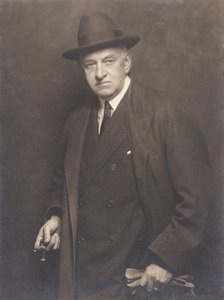
Metcalf Willard Leroy
1858 - 1925 , Egyesült Államok
Rövid információk
- Artistic Movement Or Style: Amerikai impresszionista
- Artists Or Movements Influenced By This Artist: ['Tíz amerikai festő']
- Artists Who Influenced This Artist: ['Claude Monet']
- Date Of Birth: 1858
- Date Of Death: 1925
- Full Name: Willard Leroy Metcalf
- Nationality: Amerikai
- Notable Artworks:
- Gloucester-harang
- Arany karneval
- Kapitány Lord ház
- Epte folyó
- Lilahajlé
- Place Of Birth: Lowell, USA
Kapcsolódó cikkek

Evocations of Place: A Historical Journey Through Landscape Art
Explore the rich history of landscape art with OriginalUniqueArt. Discover renowned artists, movements like Impressionism & Romanticism, and expert guidance for collecting timeless pieces. Find your perfect serene escape today!

Grant Wood & American Regionalism: Identity, Myth & the Rural Landscape
Explore the world of Grant Wood & American Regionalism with OriginalUniqueArt. Discover the symbolism behind 'American Gothic', recurring themes, and the movement's lasting impact on art history. High-quality reproductions available.

Evocations of Place: A Historical Journey Through Landscape Art
Explore the rich history of landscape art with OriginalUniqueArt. Discover renowned artists, movements like Impressionism & tonalism, and expert guidance for collecting timeless pieces. Find your perfect serene escape today!

A Romantikus Tájképfestészet 10 Legikonikusabb Műalkotása – OriginalUniqueArt.com
Fedezze fel a romantikus tájképfestészet 10 legikonikusabb műalkotását! Caspar David Friedrich, J.M.W. Turner és más mesterek festményeinek története – inspiráló olajfestmények otthonába. OriginalUniqueArt.com: múzeumi minőségű reprodukciók és egyedi dekorációk online.

Paul Cézanne 25 Mesterműve: A Modern Művészet Úttörői | OriginalUniqueArt
Fedezze fel Paul Cézanne 25 legikonikusabb művét! Ismerje meg a posztimpresszionizmus úttörőjének festményeit, technikáját és inspirációit. Vászonképek, portrék, tájképfestmények – minden otthonba. Böngéssze gyűjteményünket a OriginalUniqueArt-on!
