
 Megtekintés
 Küldés
 Megosztás
 Részletek

 Letöltés
 Hasonló darabok
 X-ray felvétel
 Diavetítés
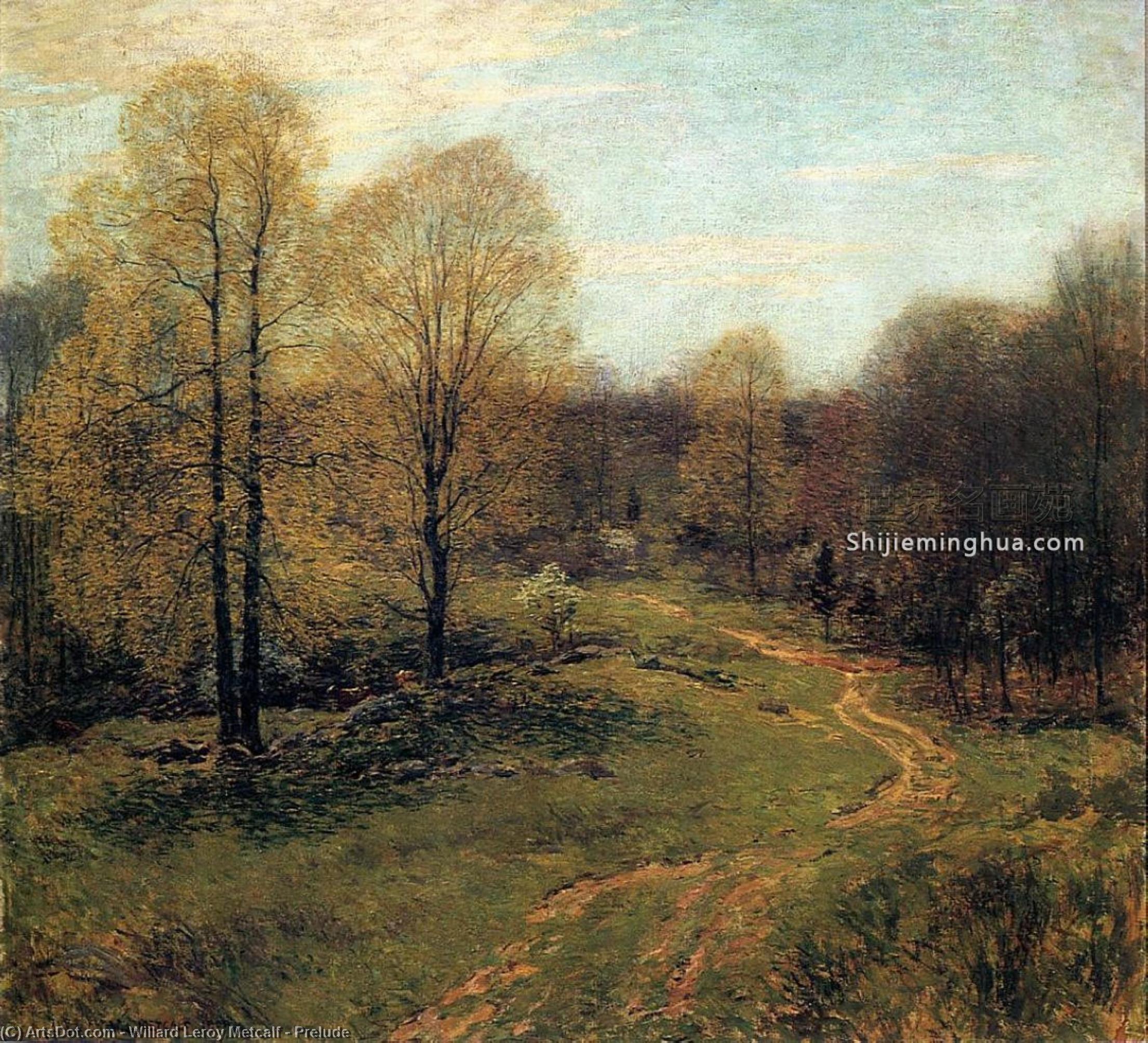
Prelude


 Összes részlet megjelenítése
Giclée / Műnyomat
Múzeumi minőségű giclée vagy vászonnyomat, gyors gyártással és rugalmas finomítási lehetőségekkel. ( Kézzel festett másolat rendelése Kép letöltése)




P118B $10

P118H $10

P118W $10

P438Z $10

P508JH $12

P508YH $12

P805H $10

P805Z $10

P919BZ $10

P919G $10

P919XJ $10

P959ZH $10

P968JZ $12

W106C $8

W218G $10

W218JH $8

W218Y $10

W307PJ $10

W316G $10

W316PJ $8

W316Y $10

W398PJ $8

W4111J $10

W500HY $15

W500JH $15

W692G $12

W849H $8

W940BG $15

W953PJ $8




Válasszon előre meghatározott méreteink közül, amelyek megfelelnek a műalkotás eredeti arányainak.

Megadhat saját méreteket is egy konkrét kerethez vagy helyszínhez igazítva. Amennyiben a kiválasztott méret nem egyezik az eredeti kép arányokkal, a műalkotást le fogjuk vágni, vagy kiegészítjük a képet tükrözött vagy egyszínű szélekkel. A gyártás megkezdése előtt egy digitális tervezetet küldünk jóváhagyásra.
Kérjük, vegye figyelembe, hogy a képernyőn látható előnézet nem tükrözi a tényleges levágást vagy kiegészítést. Csak a tervezet mutatja pontosan a végső kompozíciót.
Bár az egyedi méretek is elérhetőek, az eredeti arányok megőrzése érdekében azt javasoljuk, hogy válasszon a előre meghatározott listából származó méretet.
Világszerte történő kiszállítás területére mindössze 2 hét alatt, a szokásos 4-5 hét helyett. (14 augusztus)

Ingyenes globális expressz szállítás

Prémium minőségű len vászon

Teljes körű szállítási biztosítás

Vámvisszatérítési Garancia

Hiteles színpontosság garancia

60 napos visszaküldési lehetőség (csak hibás termékek esetén)

100% pénzvisszatérítési garancia

Több darab vásárlása esetén kedvezmény
 Az üvegkeretes opció csak 110 cm alatti méretben érhető el

Prelude
Giclée / Műnyomat
Reprodukció mérete
-


Összesített ár
$ 80
Gyűjthető leírása
Prelude by Willard Leroy Metcalf: A Symphony of Light and Tranquility
Willard Leroy Metcalf’s “Prelude,” completed in 1909, stands as a quintessential embodiment of American Impressionism—a movement that sought to capture the immediacy of experience rather than meticulously documenting reality. More than just a depiction of a forest landscape, it's an invitation into a realm where light dances across foliage and stillness whispers secrets of the natural world.
The Landscape’s Embrace: Composition and Technique
- The painting presents a serene vista dominated by towering trees laden with leaves—a hallmark of Metcalf’s fascination with New England scenery. These trees aren't merely static objects; they are imbued with movement through subtle brushstrokes, conveying the feeling of a breeze rustling through their branches.
- A meandering pathway weaves its way through the woodland floor, drawing the viewer’s eye into the scene and suggesting an openness to exploration. Metcalf skillfully employs atmospheric perspective—a technique where distant objects appear paler and less detailed—to heighten the sense of depth and realism.
Echoes of Impressionism: Style and Influences
Metcalf's artistic vision aligns closely with that of his contemporaries, Pierre-Auguste Renoir and Claude Monet. Like them, he prioritized capturing fleeting moments of light and color—rather than striving for photographic accuracy. The vibrant greens and yellows dominate the palette, reflecting Metcalf’s masterful use of oil paint on canvas to achieve luminous effects.
Symbolism Within Stillness: Narrative and Emotion
Beyond its visual beauty, “Prelude” speaks to a deeper emotional resonance. The presence of sheep grazing peacefully in the meadow symbolizes innocence and tranquility—themes prevalent throughout Impressionist art. Metcalf’s deliberate choice of subject matter reflects a broader humanist concern for observing and appreciating the simple pleasures of life, mirroring the spirit of the era.A Legacy of Light: Context and Significance
Created during a period of significant artistic innovation, “Prelude” exemplifies the Impressionist movement's rejection of academic conventions. It’s housed at the Worcester Art Museum, ensuring its enduring presence as an exemplar of American landscape painting. Investing in a high-quality reproduction allows one to experience Metcalf’s masterful technique and capture the profound beauty of this timeless scene.
A művész életrajza
A Life Immersed in Light and Landscape
Willard Leroy Metcalf, a pivotal figure in the blossoming of American Impressionism, dedicated his life to capturing the ephemeral beauty of the natural world. Born in Lowell, Massachusetts, in 1858, he wasn’t merely a painter of landscapes; he was a poet of light and atmosphere, translating the quietude of New England scenes and beyond onto canvas with a delicate touch and vibrant palette. His journey as an artist was one of rigorous training, extensive travel, and a profound commitment to portraying intimate moments in nature – fleeting glimpses of beauty often overlooked. Metcalf’s story is not simply about artistic development, but also about finding his voice amidst the evolving currents of late 19th and early 20th-century art, and ultimately, leaving an indelible mark on American Impressionism.From Academic Foundations to European Influences
Metcalf’s formal artistic education began at the School of the Museum of Fine Arts in Boston, where he honed his foundational skills until 1878. This was followed by a crucial period of study at the Académie Julian in Paris, a renowned center for American artists seeking classical training. Initially, Metcalf focused on figure painting and illustration – skills that would later inform his compositions – but it was during his extended sojourn in Europe, beginning in 1883, that his artistic trajectory began to shift decisively towards landscape art. He studied with Gustave Boulanger and Jules-Joseph Lefebvre, absorbing the technical expertise of French academic tradition. However, it wasn’t just formal instruction that shaped his vision; it was immersion in the European landscape itself. Travels through England and Brittany exposed him to diverse light conditions and artistic communities. A particularly significant moment arrived in 1886 when Metcalf became the first American artist to visit Claude Monet's garden at Giverny, a watershed experience that profoundly impacted his approach to capturing light, color, and atmosphere. This encounter wasn’t about imitation, but rather an awakening to the possibilities of portraying the subjective experience of seeing – a cornerstone of Impressionist philosophy. The vibrant colors, loose brushstrokes, and focus on capturing fleeting moments of light in Monet's garden became a guiding principle for Metcalf’s own work.The Rise of an American Impressionist
Upon returning to the United States in 1889, Metcalf began to forge his own distinct style, blending academic training with the lessons learned from European masters and his growing sensitivity to the American landscape. He worked as an illustrator and teacher while continuing to paint, gradually moving away from traditional techniques towards a more expressive and atmospheric approach. His paintings of this period often depict serene scenes of New England life – coastal harbors, quiet villages, and sun-dappled meadows. Critics frequently drew parallels between his work and the poetry of Robert Frost and Walt Whitman, recognizing a shared sensibility for capturing the essence of American experience. Metcalf’s palette shifted from the darker tones of academic training to brighter, more luminous colors, reflecting his newfound appreciation for the play of light in nature. He developed a distinctive technique characterized by broken brushstrokes and subtle gradations of color, creating an effect of shimmering atmosphere. Notable works like *Gloucester Harbor* (1895) exemplify his mastery of light and color, while pieces such as *The River Epte, Giverny*, clearly demonstrate the enduring influence of Monet’s garden on his artistic vision.A Member of "The Ten American Painters"
In 1897, Metcalf played a pivotal role in the formation of “The Ten American Painters,” a group that seceded from the Society of American Artists to pursue greater artistic independence and experimentation. This act signified a turning point in American art, marking a shift towards a more modern and individualistic aesthetic. The group, which included artists like Herbert James Draper and Frank Day, sought to break free from the constraints of academic tradition and explore new ways of representing the world around them. Metcalf’s involvement in this movement solidified his position as a leading figure in the American avant-garde. *The Ten American Painters* championed a looser, more expressive style than was typically accepted by the established art establishment, paving the way for future generations of American artists to pursue their own unique visions.Legacy and Enduring Influence
Willard Leroy Metcalf's contribution to American art extends beyond his captivating paintings. He was a dedicated educator, sharing his knowledge and passion for art by teaching at institutions like Cooper Union School of Art for Women in New York City and the Art Students League of New York. His influence on subsequent generations of artists is undeniable. Metcalf’s ability to capture fleeting moments of beauty and tranquility, combined with his technical skill and poetic sensibility, cemented his place as a significant figure in American art history. He wasn't interested in grand narratives or dramatic compositions; instead, he found inspiration in the everyday – the gentle play of light on water, the subtle hues of a twilight sky, the quiet dignity of rural life. His paintings are not merely representations of landscapes; they are evocations of mood and atmosphere, inviting viewers to share in his intimate connection with nature. His work continues to be exhibited and admired for its beauty, tranquility, and insightful portrayal of the American landscape.- He is considered a key figure in American Impressionism.
- His paintings often evoke a sense of quiet contemplation.
- Metcalf’s style evolved from academic training to a more expressive and atmospheric approach.
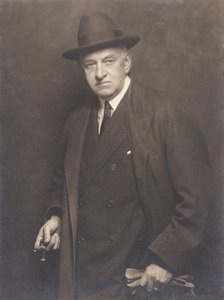
Metcalf Willard Leroy
1858 - 1925 , Egyesült Államok
A művészről röviden
- Artistic Movement Or Style: Amerikai impresszionista
- Artists Or Movements Influenced By This Artist: ['Tíz amerikai festő']
- Artists Who Influenced This Artist: ['Claude Monet']
- Date Of Birth: 1858
- Date Of Death: 1925
- Full Name: Willard Leroy Metcalf
- Nationality: Amerikai
- Notable Artworks:
- Gloucester-harang
- Arany karneval
- Kapitány Lord ház
- Epte folyó
- Lilahajlé
- Place Of Birth: Lowell, USA
Kapcsolódó cikkek

Paul Cézanne 25 Mesterműve: A Modern Művészet Úttörői | OriginalUniqueArt
Fedezze fel Paul Cézanne 25 legikonikusabb művét! Ismerje meg a posztimpresszionizmus úttörőjének festményeit, technikáját és inspirációit. Vászonképek, portrék, tájképfestmények – minden otthonba. Böngéssze gyűjteményünket a OriginalUniqueArt-on!

The Soul of Impressionism: Why Oil on Canvas Captures Eternal Light and Timeless Emotion
Discover the enchanting alchemy of Impressionism. Explore how the mastery of oil on canvas, through glazing and impasto, captures eternal light and emotion. Perfect for lovers of Monet and Van Gogh seeking the profound depth of hand-painted fine art.

The Enduring Legacy of Oil on Canvas: Technique, History & Aesthetic Impact
Explore the rich history & techniques of oil painting – from Renaissance masters to Impressionism. Discover pigments, layering methods, and why this timeless medium endures. Expert insights for artists & art enthusiasts.
A Tájkép Mesterei: 10 Képi Gyöngyem a Természet Szerelemről – OriginalUniqueArt.com
Fedezze fel a 10 legikonikusabb tájkép festményt! Monet, Van Gogh és más mesterek művei inspirálnak. Művészeti reprodukciók magas minőségben – tökéletes dekoráció otthonába. Böngésszen OriginalUniqueArt.com-on!
A művészettörténet 10 ikonikus olajfestménye – OriginalUniqueArt.com
Fedezze fel a művészettörténet 10 legikonikusabb olajfestményét! Leonardo, Van Gogh, Rembrandt és más mesterek remekművei – történetükkel, technikájukkal. Vászonképek otthonába a OriginalUniqueArt.com-on! Fedezze fel a teljes gyűjteményt online.


