

 Megtekintés
 Küldés
 Megosztás
 Részletek
 Útmutató

 Letöltés
 Hasonló darabok
 X-ray felvétel
 Diavetítés
 Statisztika
Ünnepélyes cím
 Akril festmény vászonon
- Falfeliratok és faldekoráció
- Cubist Surrealism
 1965
1965 Inter-American Development Bank
 Összes részlet megjelenítése
Az ezen az oldalon megjelenített műalkotások szerzői jogi védelem alatt állnak, ami azt jelenti, hogy törvényileg nem készíthetünk és nem adhatunk el belőlük pontos másolatokat. Ez a védelem olyan nemzetközi megállapodások alapján érvényesül, mint például a Berni Egyezmény és a nemzeti jogszabályok által, beleértve azokat is, amelyeket meghatározott Az USA szerzői jogi törvénye – 17. cím.
Ez a módszer teljes mértékben megfelel a szerzői jogi szabályozásnak, mivel nem tartalmazza a védett műalkotás másolását vagy duplikálását. Ehelyett ez egy kreatív újinterpretáció – egy új festmény, amely az eredetivel való összefüggései miatt hatással van rá, de nem az az.
Giclée / Műnyomat
Múzeumi minőségű giclée vagy vászonnyomat, gyors gyártással és rugalmas finomítási lehetőségekkel. ( Kézzel festett másolat rendelése Áttérés digitális képre)




P118B Ft10

P118H Ft10

P118W Ft10

P438Z Ft10

P508JH Ft12

P508YH Ft12

P805H Ft10

P805Z Ft10

P919BZ Ft10

P919G Ft10

P919XJ Ft10

P959ZH Ft10

P968JZ Ft12

W106C Ft8

W218G Ft10

W218JH Ft8

W218Y Ft10

W307PJ Ft10

W316G Ft10

W316PJ Ft8

W316Y Ft10

W398PJ Ft8

W4111J Ft10

W500HY Ft15

W500JH Ft15

W692G Ft12

W849H Ft8

W940BG Ft15

W953PJ Ft8




Válasszon előre meghatározott méreteink közül, amelyek megfelelnek a műalkotás eredeti arányainak.

Írja be a keretének vagy a falának megfelelő szélességet és magasságot. A nyomatot csak le lehet vágni, soha nem tehető nagyobbá, mint az eredeti kép, így egy eltérő alakú méretnél a kép egy része elveszik. Mielőtt bármit kinyatintanánk, küldünk egy digitális próbamodellt jóváhagyásra. Az oldalon látható kép nem tartalmazza a valós levágást — ezt csak a próbamodell mutatja meg.
Világszerte történő kiszállítás területére mindössze 2 hét alatt, a szokásos 4-5 hét helyett. (26 október)

Ingyenes globális expressz szállítás

Prémium minőségű len vászon

Teljes körű szállítási biztosítás

Vámvisszatérítési Garancia

Hiteles színarányosság garancia

100 napos visszaküldési lehetőség (csak hibás termékek esetén)

100% pénzvisszatérítési garancia

Több darab vásárlásakor kedvezmény
 Az üvegkeretes opció csak 110 cm alatti méretben érhető el

Ünnepélyes cím
Giclée / Műnyomat
Reprodukció mérete
-


Összesített ár
Ft 25681
Egy Született Mythosz És Modernitás Együtt: Építő „Ünnepélyes Szerkesztés”
Wifredo Lam egy igazán különleges művészi személyiség volt, aki a 20. század kultúra összetettségét tükrözte meg. Születté váratlanul Sagua La Grande városában született Kuba földön, és örökösége mélyen átívelhette az öntudatos sziget történetét – egy apa leszármazottja kínai bevándorlókból és egy anya pedig spanyol konkvizionista hagyományokból és kizsákmányolt afrikai kultúrából. Ez sokszínű örökség nem csak személyes adat volt; hanem az művészi látomásának alapját képezte, ami egyedi stílust eredményezett – mely szervesen kapcsolódott össze európai modernizmushoz és az afro-kubai szellemhez és szimbólumozáshoz.
Lam korai élete törvénytanári pályával kezdődött Havana városában, még mielőtt elköteleződött volna a művészet iránt – ami előrejelzte természetes erőket, melyeket később vászonaira helyezett át. Együtt jelentős művészi képzést kapott az Escuela de Bellas Artes intézetében és aztán
A Szürrealizmus És Az Afro-Kubai Szimbólumozás Megközelítése
Lam művészi útja idővet szürrealizmushoz hasonló művészeti mozgalomhoz vezetett Európában, melyet Picasso és Matisse olyan nagy művészek vezettek. Az ő társainak azonban sokan csak egyetlen művészi irányzatra koncentráltak – hanem tudatosan bővíteniék művészi nyelvét az afro-kubai hagyományok és szimbólumozás színei által.
Ez a célzott kultúraközösségi erőnyomás nem csak személyes adat volt Lam számára; hanem egy olyan művészi megközelítés alapját képezte, mely európai modernizmus és nyugati kultúra összeolvadását tükrözte – különösen Pablo Picasso látásának befolyása alatt. Az általa használt kreatív eszközök pedig nem csak egyetlen művészi irányzatra koncentrázták magukat; hanem egy új művészi megközelítés előállítására törekedtek.
A Szerkesztés És A Technikája: Egy Új Szemmel Megvizsgált Tárlat
Lam műalkotása különösen nagy figyelmet váltott ki az európai művészettörténet köreiben – és egy új perspektívát kínál arra, hogyan lehet megközelíteni egy művészi alkotást. Az általa használt technikák pedig nem csak egyetlen művészi irányzatra koncentráltak magukat; hanem egy új művészi megközelítés előállítására törekedtek.
A műalkotás fő jellemzője az afro-kubai hagyományok és szimbólumozás színei által – mely különösen Pablo Picasso látásának befolyása alatt új perspektívát kínál. Az általa használt eszközök pedig nem csak egyetlen művészi irányzatra koncentrázták magukat; hanem egy új művészi megközelítés előállítására törekedtek.
Érzelmi Mélység És Egy Évszázad Ünnepélyes Szerkesztésének Öröksége
Lam műalkotása nem csak egy egyszerű vizuális megjelenítés; hanem mély érzelmi üzenetet közvetít – mely arra ösztönzi a nézőőt, hogy vizsgálja meg művészi alkotást és az afro-kubai hagyományok szívét. Lam művészi útja idővet szürrealizmushoz hasonló művészeti mozgalomhoz vezetett Európában – melyet Picasso és Matisse olyan nagy művészek vezettek.
Kérdések és válaszok
Melyik helyiségben javasolt a(z) "Ünnepélyes cím" kihelyezését a színei alapján?
A Semleges tónusok színei miatt a "Ünnepélyes cím" mű egy Nappali számára javasolt.
Megrendelhető-e a "Ünnepélyes cím" olajfestmény kézzel festett másolata?
A „Ünnepélyes cím”, Wifredo Lam alkotása kézzel festett reprodukcióját közvetlenül a(z) Kézzel festett másolat oldalon is megrendelheti: kézzel festett olajfesték reprodukció lino vászonon, egyedi igény szerinti gyártással.
Melyik szakaszába tartozik Wifredo Lam pályájának a "Ünnepélyes cím" (1965)?
A 1965 évszám alapján a "Ünnepélyes cím" Wifredo Lam Mature Surrealism korszakába tartozik.
A művész életrajza
Wifredo Lam – A Crossroads of Cultures: The Life and Art of Wifredo Lam
Wifredo Óscar de la Concepción Lam y Castilla, known simply as Wifredo Lam, was a painter who embodied the complexities of cultural identity in the 20th century. Born in Sagua La Grande, Cuba, in 1902, his very lineage spoke to the island’s layered history – a father descended from Chinese immigrants and a mother tracing her roots back to Spanish conquistadors and enslaved Africans. This multicultural heritage wasn't merely biographical detail; it became the wellspring of his artistic vision, fueling a unique style that fused European modernism with Afro-Cuban spirituality and symbolism. Lam’s early life was marked by an initial pursuit of law in Havana, but even amidst legal studies, he found himself drawn to the natural world, spending time at the botanical gardens – a foreshadowing of the organic forms that would later dominate his canvases. Formal artistic training followed at the Escuela de Bellas Artes in Havana and then in Madrid under Fernando Álvarez de Sotomayor y Zaragoza, where he absorbed traditional techniques while simultaneously beginning to question their limitations.Early Life and Influences
Wifredo Lam’s formative years were shaped by a profound encounter with his family’s heritage. His father, Enrique Lam-Yam, was a Chinese immigrant from Canton (Guangdong province) who arrived in Cuba as part of the late-19th-century wave of Chinese laborers and merchants. Lam’s mother, Ana Serafina Catilla, descended from both Spanish conquistadors and enslaved Africans—a lineage that instilled within him an awareness of Cuba’s colonial past and its enduring legacy of racial inequality. From a young age, Lam was surrounded by the vibrant culture of Sagua La Grande, where he witnessed firsthand the traditions of Afro-Cuban religion, particularly Santería. This exposure to ritual ceremonies and spiritual practices profoundly influenced his artistic sensibility, fostering an interest in symbolism and allegory that would permeate his oeuvre throughout his life. His fascination with Goya’s unflinching depictions of social injustice—particularly *The Third of May 1808*—served as a catalyst for his own artistic explorations, prompting him to confront pressing political issues through visual language. Formal artistic training commenced at the Escuela de Bellas Artes in Havana and subsequently at the Academy of Fine Arts in Madrid under Fernando Álvarez de Sotomayor y Zaragoza. During his time in Madrid, Lam absorbed traditional techniques while simultaneously challenging their conventions—a characteristic that would define his approach to art for decades to come. He was particularly captivated by the fantastical worlds envisioned by Hieronymus Bosch and Pieter Bruegel the Elder, artists who dared to populate their paintings with grotesque figures and unsettling narratives—influences that would contribute significantly to Lam’s distinctive visual style. These early encounters instilled a deep appreciation for symbolism and allegory, shaping his artistic vision and informing his subsequent explorations of cultural identity.European Encounters and Artistic Transformation
Lam’s time in Spain proved transformative, propelling him toward the vanguard of European modernism. He spent countless hours studying the masterpieces housed within the Prado Museum—particularly Velázquez’s portraits and Goya’s dramatic landscapes—absorbing stylistic innovations that would reshape his artistic practice. His engagement with Picasso was decisive; the two artists forged a lifelong friendship during Lam’s stay in Madrid, fostering intellectual exchange and inspiring mutual admiration. Picasso introduced Lam to fellow avant-garde luminaries—Joan Miró, André Breton, Henri Matisse, Óscar Domínguez—creating a fertile environment for experimentation and artistic dialogue. This period witnessed Lam's embrace of Cubist principles, as he sought to dismantle traditional perspectival conventions and represent objects from multiple viewpoints simultaneously—a stylistic choice that would become synonymous with his artistic signature. Simultaneously, Lam was drawn to Surrealism’s exploration of the subconscious mind and its rejection of rational thought—influences that would manifest in his dreamlike imagery and fragmented compositions.The Birth of a Unique Style: Hybrid Figures and Afro-Cuban Symbolism
Lam's artistic breakthrough occurred during his relocation to Paris in 1938, coinciding with the onset of World War II. There he encountered the epicenter of Surrealist creativity—André Breton’s Villa Air Bel—where he connected with fellow artists and writers who championed radical experimentation and challenged conventional aesthetic standards. He participated in collaborative projects such as *Cadavre Exquis*, a game designed to liberate the unconscious mind from conscious control—a practice that solidified his commitment to Surrealist principles. His artistic exploration was further enriched by encounters with Pablo Picasso, Diego Rivera, and Federico García Lorca—artists who shared Lam’s conviction that art could serve as a vehicle for social critique and cultural transformation. During this period, Lam developed his distinctive visual language—characterized by hybrid figures—drawing inspiration from both European modernism and Afro-Cuban spirituality. These figures blended human, animal, and vegetal forms in unsettling juxtapositions—a stylistic choice that reflected Lam’s fascination with Santería rituals and the symbolism of Yoruba deities. The monumental painting *La Jungla* (1943), arguably his magnum opus, exemplifies this artistic vision—representing a complex allegory of colonial oppression interwoven with vibrant depictions of Cuban flora and fauna. It stands as a testament to Lam's ability to synthesize disparate influences into a singular aesthetic expression. ## Legacy and Recognition Wifredo Lam’s artistic legacy extends far beyond the canvases he created during his lifetime. He championed the cause of cultural liberation—challenging colonial narratives and advocating for the recognition of Afro-Cuban identity—a stance that resonated deeply with artists and intellectuals across continents. His work continues to inspire generations of creatives who seek to explore themes of social justice, spirituality, and resistance—solidifying Lam’s place as one of the most influential figures in 20th-century art history. He remains a beacon of artistic innovation and cultural dialogue—a testament to the transformative power of art to transcend boundaries and illuminate the complexities of human experience.
Wifredo Lam
1902 - 1982 , Cuba
Rövid információk
- Artistic Movement Or Style: Surrealism, Cubism
- Artists Who Influenced This Artist:
- Picasso
- Matisse
- Bosch
- Bruegel the Elder
- Date Of Birth: December 8, 1902
- Date Of Death: September 11, 1982
- Full Name: Wifredo Óscar de la Concepción Lam y Castilla
- Nationality: Cuban
- Notable Artworks:
- The Jungle
- Two Heads
- Place Of Birth: Sagua La Grande, Cuba
Kapcsolódó cikkek
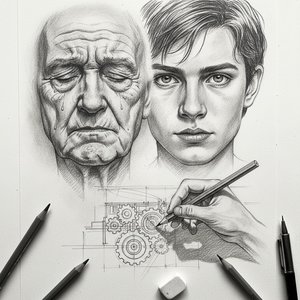
The Nuances of Graphite: Exploring Emotional Depth & Technical Mastery in Pencil Drawing
Explore the captivating world of graphite drawing! Discover its rich history, master essential techniques like chiaroscuro, and learn how artists evoke emotion through this timeless medium. Expert insights for art enthusiasts.

Mastering the Line: A Comprehensive Expert Guide to Technical Precision and Expressive Depth in Drawing
Elevate your artistic practice with this expert guide to mastering the line. Discover advanced techniques in graphite, charcoal, and contour drawing designed for art students seeking technical precision and expressive depth in their fine art studies.
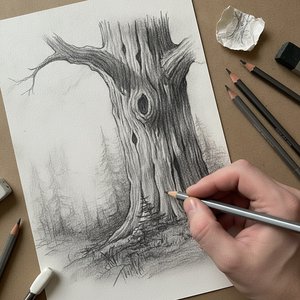
The Power of Graphite: Mastering Depth, Texture, and Detail in the Art of Pencil Drawing
Explore the profound artistry of graphite drawing. Discover professional techniques for mastering depth, texture, and detail through a lens of art history, from classical sketches to modern masterpieces. Elevate your understanding of the pencil medium with our expert guide.

The Art of the Line: A Masterclass in Drawing Techniques and the Evolution of Graphic Expression
Explore the profound history of drawing techniques, from Dürer's precision to the alchemy of graphite. Discover how masters use line, weight, and contour to capture the human spirit in this expert guide to art history and technical mastery.
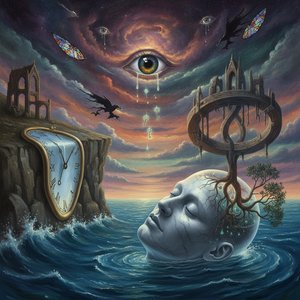
Surrealist Expression: Unlocking the Power of Dreams and the Subconscious through Art History
Explore the profound depths of Surrealism. From Dalí’s dreamscapes to Magritte’s enigmas, master the history of the subconscious mind through our expert art guide and discover museum-quality oil reproductions of the world's most iconic surrealist masterpieces.
