

 Előnézet
 Megosztás
 Megosztás
 Részletek
 Útmutató

 Letöltés
 Hasonló darabok
 X-ray felvétel
 Diavetítés
 Statisztika
Judith
 Akril vászonon
- Falfeliratok és faldekoráció
- Venetian Renaissance
 1520
1520 82.0 x 65.0 cm
 Fondazione Querini Stampalia
 Tovább olvasom
Giclée / Műnyomat
Múzeumi minőségű giclée vagy vászonnyomat, gyors gyártással és rugalmas finomítási lehetőségekkel. ( Kézzel festett másolat vásárlása Áttérés digitális képre)




P118B Ft10

P118H Ft10

P118W Ft10

P438Z Ft10

P508JH Ft12

P508YH Ft12

P805H Ft10

P805Z Ft10

P919BZ Ft10

P919G Ft10

P919XJ Ft10

P959ZH Ft10

P968JZ Ft12

W106C Ft8

W218G Ft10

W218JH Ft8

W218Y Ft10

W307PJ Ft10

W316G Ft10

W316PJ Ft8

W316Y Ft10

W398PJ Ft8

W4111J Ft10

W500HY Ft15

W500JH Ft15

W692G Ft12

W849H Ft8

W940BG Ft15

W953PJ Ft8




Válasszon előre meghatározott méreteink közül, amelyek megfelelnek a műalkotás eredeti arányainak.

Írja be a keretének vagy a falának megfelelő szélességet és magasságot. A nyomatot csak le lehet vágni, soha nem tehető nagyobbá, mint az eredeti kép, így egy eltérő alakú méretnél a kép egy része elveszik. Mielőtt bármit kinyatintanánk, küldünk egy digitális próbamodellt jóváhagyásra. Az oldalon látható kép nem tartalmazza a valós levágást — ezt csak a próbamodell mutatja meg.
Világszerte történő kiszállítás területére mindössze 2 hét alatt, a szokásos 4-5 hét helyett. (23 október)

Ingyenes globális expressz szállítás

Prémium minőségű len vászon

Teljes körű szállítási biztosítás

Vámvisszatérítési Garancia

Tökéletes színarányosság garancia

100 napos visszaküldési garancia (csak gyártási hibás termékek esetén)

100% pénzvisszatérítési garancia

Több darab vásárlásakor kedvezmény
 Az üvegkeretes opció csak 110 cm alatti méretben érhető el

Judith
Giclée / Műnyomat
Reprodukció méretei
-


Összesített ár
Ft 25718
Vincenzo Catena és Judith Kétségbeesett Szerelem és Megválasztás Egy Épületében
A venezeti születésű Vincenzo Catena (c. 1470-1531) egy jelentős figura volt a véseki reneszánszi művészet történetében, aki Giovanni Bellini nagy mestertől tanulta és számos ősi és új hagyományt ötvözött alkotásai között. Egyelőre kevés adat áll rendelkezésre az életéről és korai művészi fejlődéséről, azonban ismertté vált, hogy Giorgione kollégája volt – ezt bizonyítja egy felirat a Laura festményére.
- Születési hely és időszak: Venezia
- Életművészségének fő jellemzője: Bellini és Giorgione stílusának ötvözése
- Egyéb ismeretnév: Vincenzo de Biagio
- Halál éve: 1531
Catena művészi fejlődésének kulcsa Giorgione halála után következett el, amikor az ő innovatív befolyása kezdte megmutatkozni alkotásában. Egyéb jelentős elődövé Titian volt, aki szintén egy másik meghatározó véseki nagyúr.
A Festmény Szellemévét és Jelenségeit
A „Judith” című művészi alkotás egy hatalmas erővel és érzékiségével átitatott képet mutat be. Vincenzo Catena, aki az időszak egyik legjelentősebb képzője volt, megköszöntheti ezt Giorgione és Titian elődövének.
- Születési hely és időszak: Venezia
- Egyéb ismeretnév: Vincenzo de Biagio
- Halál éve: 1531
A Festmény Szellemévét és Jelenségeit
A „Judith” című művészi alkotás egy hatalmas erővel és érzékiségével átitatott képet mutat be. Vincenzo Catena, aki az időszak egyik legjelentősebb képzője volt, megköszöntheti ezt Giorgione és Titian elődövének.
- Születési hely és időszak: Venezia
- Egyéb ismeretnév: Vincenzo de Biagio
- Halál éve: 1531
A Festmény Szellemévét és Jelenségeit
A „Judith” című művészi alkotás egy hatalmas erővel és érzékiségével átitatott képet mutat be. Vincenzo Catena, aki az időszak egyik legjelentősebb képzője volt, megköszöntheti ezt Giorgione és Titian elődövének.
- Születési hely és időszak: Venezia
- Egyéb ismeretnév: Vincenzo de Biagio
- Halál éve: 1531
A Festmény Szellemévét és Jelenségeit
A „Judith” című művészi alkotás egy hatalmas erővel és érzékiségével átitatott képet mutat be. Vincenzo Catena, aki az időszak egyik legjelentősebb képzője volt, megköszöntheti ezt Giorgione és Titian elődövének.
- Születési hely és időszak: Venezia
- Egyéb ismeretnév: Vincenzo de Biagio
- Halál éve: 1531
Gyakran Ismételt Kérdések
A „Judith” 1520-es dátuma Vincenzo Catena pályájának mely szakaszára tekintthető?
A "Judith", amely 1520 évben készült, Vincenzo Catena pályájának Mature Renaissance szakaszába tartozik.
Hogyan épül fel a „Judith”, Vincenzo Catena alkotása színes kompozíciója?
A "Judith" alkotásban egy Kijelentés kontraszt párosul egy Egységes színpaletta harmóniával.
A „Judith”, Vincenzo Catena alkotása művész honcountryban található?
Nem – a műtárgy külföldön található. Vincenzo Catena születési országa Italy, a „Judith” eredeti művét pedig Olaszország-ban tároló múzeum található.
A művész életrajza
Vincenzo Catena: A Venetian Renaissance Painter
Life and Background
- Born in Venice, Italy around 1470, Vincenzo Catena was a painter of the Venetian Renaissance.
- Little is known about his early life or formal training. Records are scarce regarding his upbringing and initial artistic development.
- He was also sometimes referred to as Vincenzo de Biagio.
- Catena passed away in 1531, leaving behind a modest but significant body of work.
Artistic Development and Influences
- Initially, Catena’s style closely resembled that of Giovanni Bellini, a leading Venetian painter known for his serene Madonnas and refined technique.
- The earliest documented mention of Catena is an inscription on the back of La Laura by Giorgione, where he’s described as Giorgione's *colego* (colleague).
- However, it wasn’t until after Giorgione’s death in 1510 that his innovative influence began to manifest itself in Catena’s paintings.
- He also shows some influences from Titian, another prominent figure of the Venetian School, particularly in his use of color and composition.
Major Works and Style
- Approximately a dozen paintings are confidently attributed to Catena based on signatures.
- The Martyrdom of St. Christina (1520), located in the church of Santa Maria Mater Domini in Venice, is his most securely dated work thanks to an inscription on its marble surround.
- Other notable works include The Adoration of the Shepherds, and several depictions of the Madonna and Child with Saints and Donors.
- Catena’s paintings often feature religious scenes and portraits, characterized by a blend of Bellini's precision and Giorgione’s atmospheric qualities.
- His style is marked by detailed realism, warm color palettes, and rich symbolism, typical of Venetian Renaissance art.
Historical Significance and Legacy
- While not as widely celebrated as some of his contemporaries like Titian or Giorgione, Catena played a role in the development of Venetian painting during a crucial period.
- His work demonstrates the transition between the High Renaissance and the emerging Mannerist styles.
- Wills left by Catena reveal he was a man of considerable wealth and had connections within Venetian humanist circles, suggesting his artistic success extended beyond purely aesthetic recognition.
- Today, Vincenzo Catena’s paintings are valued for their historical importance and offer insights into the artistic landscape of 16th-century Venice.
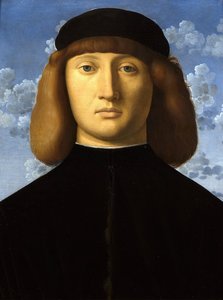
Vincenzo Catena
1470 - 1531 , Italy
Gyors információk
- Name: Vincenzo Catena
- Movement: Renaissance, Venetian School
- Birth Date: 1470
- Death Date: 1531
- Birth Place: Venice, Italy
- Nationality: Italian
- Date Of Birth: 1470
- Date Of Death: 1531
- Influenced By:
- Giovanni Bellini
- Giorgione
- Notable Works:
- Santa Cristina Altarpiece
- The Adoration of the Shepherds
- Madonna and Child with a Holy Female Martyr, Saint Francis of Assisi and the Donor
- Place Of Birth: Venice, Italy
Kapcsolódó cikkek

Venetian Renaissance: The Golden Age of Color, Light, and Luminous Artistry
Embark on a journey through the Venetian Renaissance. Discover how masters like Giorgione and Titian revolutionized art through luminous color and light. Explore the profound legacy of the Venetian School and its enduring influence on the world of fine art.

Venetian Renaissance: The Mastery of Color, Light, and the Art of Colorito
Explore the luminous mastery of the Venetian Renaissance. Discover how masters like Titian and Giorgione revolutionized art through colorito, light, and atmosphere. An expert guide to the golden age of Italian painting for collectors and enthusiasts.

Giorgione: Enigma and Innovation in Early Venetian Renaissance Painting
Explore the enigmatic world of Giorgione, a pivotal figure in the Venetian Renaissance. Discover his innovative techniques, iconic paintings like 'The Tempest', and lasting influence on art history. Learn more at OriginalUniqueArt.
Titian: Innovation, Technique & the Venetian Renaissance Portrait Tradition
Explore the revolutionary techniques & enduring legacy of Titian, the master of Venetian Renaissance portraiture. Discover insights for collectors & appreciate his impact on art history.

The Golden Light of Innovation: Exploring the Venetian Renaissance Art Movement (1430–1580)
Explore the Golden Age of Venetian art (1430–1580). Discover Giorgione, Titian & Tintoretto's techniques, the 'colorito' revolution, and lasting influence. Expert insights for collectors & enthusiasts.
