

 Előnézet
 Megosztás
 Megosztás
 Részletek

 Letöltés
 Hasonló darabok
 X-ray felvétel
 Diavetítés
 Statisztika
Sorrowing old man (


 Tovább olvasom
Vásároljon nagy felbontású, javított digitális képet, amely minőségében messze felülmúlja az online előnézetet.
Minden fájlt szakembereink a legmodernebb eszközök és precíz, kézi retusálás segítségével készítenek el aprólékosan. Gondoskodunk arról, hogy minden kép kivételes tisztasággal, pontos színhelyességgel és részletgazdag finomsággal rendelkezzen.
A végleges fájl 72 órán belül e-mailben megérkezik, professzionális, szerkesztői és nyomtatási környezetbe optimalizálva az azonnali használathoz. Ez ugyanaz a minőség, amelyben a legmeghatározóbb tervezőstúdiók, kiadók és galériák is megbízhatnak.
Digitális kép
Töltsön le nagy felbontású fájlt személyes kiállításokhoz, nyomtatáshoz és kreatív projektekhez. ( Váltás nyomtatványra Kézzel festett másolat vásárlása)
Minden digitális kép rendeléséhez tartozó extrák
Szakértői digitális kézbesítés, garantáltan
Amikor a OriginalUniqueArt.com szolgáltatást választja, nem csupán egy képet kap – professzionálisan felmagasított digitális műalkotást kap, amely precizitással készült, és amelyet megelégsedési gwarancia tesz biztoslássá. Az alábbiakban automatikusan minden benne 】

Gyors e-mail teslimítés
A nagy felbontású digitális képmásolatát a megrendelést követő 72 órán belül e-mailben elküldjük Önnek – azonnal használható formátumban.

MI-alapú digitális képjavítás
Műve professzionális módon kerül optimalizálásra fejlett mesterséges intelligencia eszközök és manuális szerkesztés segítségével, biztosítva a maximális részletességet, tisztaságot és színpontosságot.

Örök életű ingyenes újradatás
Véletlenül törölted vagy elvesztetted a fájlodat? Ne aggódj – bármikor ingyen újra megküldjük neked.

Nincs importköltség – soha
Élvezze műalkotásait azonnal, vám, illeték vagy szállítási költség nélkül – a digitális letöltések mindig adamentesek.

Színpontosság garantálása
Professzionális eszközök és színkezelés segítségével garantáljuk, hogy digitális képe a lehető legpontosabban tükrözze az eredeti színeket.

100 napos elégedettségi garancia
Ha nemມີ elégedett a digitális képével, 100 napon belül felülvizsgáljuk vagy 100% visszatérítjük az amountot – kérdés बिना.

100% Pénzvisszatérítési garancia
Nem tetszett a vásárlás? 100 napon belül teljes visszatérítést garantálunk a digitális fájl megvételétől számítva – kérdés nélkül.

Tömegrendelési kedvezmények
Vásároljon 3 képet, spóroljon 10%-et - Vásároljon 5-öt, spóroljon 15%-et - Vásároljon 10+ képet, spóroljon 20%-at. Kiváló kreatív projektekhez, galériákhoz és ügynökségekhez.
A Portrait of Sorrow: Vincent van Gogh’s ‘Sorrowing Old Man’
The painting “Sorrowing Old Man,” completed in 1890 by Vincent Willem van Gogh during his stay at Saint-Rémy Hospital, transcends mere representation; it embodies the profound emotional landscape of a tormented genius grappling with mental illness and fueled by an unwavering desire for artistic expression. This striking portrait isn’t simply a depiction of an elderly gentleman seated before a hearth—it's a meticulously crafted meditation on vulnerability, solitude, and the enduring power of memory.The Artist’s Inner Turmoil Reflected in Color
Van Gogh’s decision to rework a drawing from his earlier period in Brabant speaks volumes about his artistic process during this pivotal moment. Following a debilitating depressive episode, he sought solace in revisiting familiar motifs—specifically, a sketch originating from The Hague and incorporating elements drawn from Etten—attempting to recapture the vibrancy of his formative years. However, unlike the luminous hues of those initial sketches, “Sorrowing Old Man” employs a muted palette dominated by blues and browns, mirroring the pervasive gloom that enveloped Van Gogh’s psyche at Saint-Rémy. This deliberate chromatic restraint isn't an absence of feeling; rather, it serves as a poignant symbol of internalized suffering—a visual echo of his internal battles.Compositional Shifts: Embracing Imperfection
The painting deviates significantly from a literal transcription of “At Eternity’s Gate,” Van Gogh’s earlier depiction of the same subject matter. Instead of striving for photographic accuracy, he skillfully manipulates the composition, incorporating elements suggestive of the asylum environment—a wooden chair and a stove—to imbue the artwork with an atmosphere of intimacy and psychological depth. The inclusion of a patient from Saint-Rémy as a model further underscores Van Gogh’s preoccupation with human experience and his desire to capture the nuances of emotion. These subtle adjustments demonstrate Van Gogh's willingness to experiment, pushing boundaries and prioritizing expressive intent over stylistic adherence.Technique: Impasto and Emotional Resonance
Van Gogh’s distinctive technique—characterized by thick impasto—is paramount to conveying the painting’s emotional impact. The textured surface of the canvas captures the physicality of his brushstrokes, creating a palpable sense of movement and capturing the artist's agitated state of mind. Each ridge and swirl of paint contributes to an overwhelming feeling of sorrow and contemplation. This deliberate layering of pigment isn’t merely decorative; it serves as a conduit for conveying emotion directly onto the viewer—a testament to Van Gogh’s belief that art should resonate with visceral experience.A Legacy of Sorrowful Beauty
Currently housed at the Kröller-Müller Museum in Otterlo, Netherlands, “Sorrowing Old Man” continues to captivate audiences worldwide. Its enduring appeal lies not only in its masterful execution but also in its unflinching portrayal of human vulnerability and artistic perseverance. It stands as a powerful reminder that even amidst darkness, beauty—and profound emotional truth—can emerge, cementing Van Gogh’s place as one of the most influential artists of all time.Művész életrajza
A Life Painted in Emotion: The World of Vincent van Gogh
Vincent Willem van Gogh, a name synonymous with artistic passion and turbulent genius, remains one of the most recognizable and beloved figures in Western art history. Born on March 30, 1853, in Groot-Zundert, Netherlands, his journey was not one of immediate acclaim but rather a slow burn of dedication, struggle, and ultimately, profound influence. The eldest of six children born to a Protestant minister, Theodorus van Gogh, Vincent’s early life was steeped in religious contemplation, a sensibility that would subtly permeate much of his later work. Though he displayed an inclination towards drawing from a young age, his path wasn't immediately clear; he explored various vocations – art dealer, teacher, and missionary – before fully embracing the artist’s life. These experiences, though seemingly disparate, proved formative, instilling in him a deep empathy for the working class and a profound sense of spiritual seeking that would become hallmarks of his artistic vision. Early influences included the Dutch Masters like Rembrandt van Rijn and Frans Hals, whose masterful use of light and shadow resonated with young Vincent, as well as contemporary French painters Jean-François Millet and Camille Corot, who depicted scenes of rural life with a poignant realism.From Darkness to Light: Artistic Development and Style
Van Gogh’s serious engagement with painting began around 1880, largely self-taught, driven by an inner compulsion to express the world as he perceived it. His initial works reflected his compassion for the marginalized, focusing on the lives of peasants and laborers – exemplified in pieces like The Potato Eaters. These early paintings are characterized by dark, earthy tones and a raw, almost brutal honesty that sought to capture the hardship and dignity of rural existence. The figures in *The Potato Eaters* aren’t idealized; they're depicted with unflinching realism, their faces etched with weariness and toil. This wasn’t simply a matter of documenting reality; it was an attempt to convey the soul of these people, their resilience in the face of adversity. A pivotal moment arrived with his move to Paris in 1886, where he was exposed to the vibrant world of Impressionism and Post-Impressionism. This encounter proved transformative, injecting brighter colors into his palette and encouraging experimentation with new techniques. He absorbed the lessons of artists like Monet, Renoir, and Pissarro, but never fully adopted their style; instead, he forged a path uniquely his own. His brushstrokes became more energetic, looser, and expressive, moving away from the meticulous detail of earlier works. He began to use color not just to represent objects, but to evoke emotions—a fiery sunset, a vibrant field of sunflowers, or the oppressive darkness of a rainy night.Periods of Intensity: Key Works and Artistic Phases
Van Gogh’s artistic journey can be broadly divided into distinct periods, each marked by unique characteristics and significant works. The Dutch Period (1880-1886), as mentioned, was defined by somber tones and depictions of peasant life—scenes of rural labor, portraits of working families, and landscapes imbued with a sense of melancholy. These paintings, like *The Potato Eaters*, are characterized by their muted colors and dramatic lighting, creating a powerful atmosphere of hardship and dignity. The subsequent Parisian Period (1886-1888) saw a dramatic shift towards brighter colors and experimentation with Impressionist techniques. He was particularly influenced by the work of Toulouse-Lautrec and Degas, absorbing their interest in depicting modern life and capturing fleeting moments. However, it was during the Arles Period (1888-1889), in the south of France, that Van Gogh reached a peak of creative intensity. Surrounded by the radiant light and vibrant landscapes of Provence, he produced some of his most iconic works: Sunflowers, bursting with golden hues; *The Night Café*, rendered in jarring, almost hallucinatory colors; and *Starry Night Over the Rhône*, capturing the shimmering beauty of a summer evening. These paintings are not merely depictions of scenes; they are emotional landscapes, pulsating with life and imbued with a sense of longing—a yearning for connection, for beauty, for something beyond the mundane. His distinctive style rapidly evolved, becoming instantly recognizable for its bold colors, expressive brushwork, and emotional intensity.A Legacy Forged in Suffering: Achievements and Historical Significance
Despite facing rejection and struggling with mental illness throughout his life, Van Gogh created over 2,100 artworks in just over a decade—approximately 860 oil paintings. This astonishing output is testament to his unwavering dedication and relentless creative drive. Remarkably, during his lifetime, only one painting – The Red Vineyard – was sold. Recognition came posthumously, slowly at first, then with increasing momentum in the early 20th century. His work profoundly influenced the development of modern art, particularly Expressionism and Fauvism, inspiring artists to prioritize emotional expression over realistic representation. His bold use of color, distorted forms, and expressive brushwork paved the way for new artistic possibilities. Today, Van Gogh’s paintings are among the most recognizable and valuable artworks in the world, commanding record prices at auction and drawing millions of visitors to museums worldwide. But his legacy extends far beyond monetary value; he remains a cultural icon, representing the archetype of the “tortured artist” – though this narrative often overshadows his skill, dedication, and artistic vision. The Van Gogh Museum in Amsterdam stands as a testament to his enduring influence, showcasing his work and celebrating his life for generations to come. His art continues to resonate with audiences because it speaks to universal human experiences—love, loss, hope, despair—with an honesty and vulnerability that transcends time and culture.- Major Influences: Dutch Masters (Rembrandt, Hals), Millet, Corot.
- Key Periods: Dutch, Parisian, Arles, Saint-Rémy/Auvers-sur-Oise.
- Notable Works: The Potato Eaters, Sunflowers, Starry Night, The Night Café.
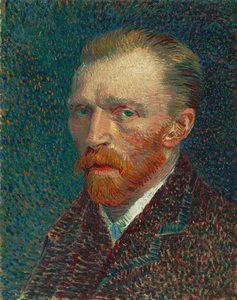
vincent willem van gogh
1853 - 1890 , Hollandia
Rövid tények
- Artistic Movement Or Style: Posztimpresszionizmus
- Artists Or Movements Influenced By This Artist:
- Expressionizmus
- Fauvizmus
- Artists Who Influenced This Artist:
- Rembrandt van Rijn
- Jean-François Millet
- Date Of Birth: March 30, 1853
- Date Of Death: July 29, 1890
- Full Name: Vincent Willem van Gogh
- Nationality: Hollandi
- Notable Artworks:
- A Régi gabonafésű
- Napkitörők
- Éjszakai kávézó
- Place Of Birth: Zundert, Hollandia