Megtekintés
 Küldés
 Megosztás
 Részletek

 Letöltés
 Hasonló darabok
 X-ray felvétel
 Diavetítés
Az Éjszakai Kávéház
 Olajfestmény vászonon
- Falfeliratok és faldekoráció
- Post-Impressionism
 1888
1888- 19. század
 72.0 x 92.0 cm
 Yale Egyetemi Művészeti Galéria
 Összes részlet megjelenítése
Giclée / Műnyomat
Múzeumi minőségű giclée vagy vászonnyomat, gyors gyártással és rugalmas finomítási lehetőségekkel. ( Kézzel festett másolat rendelése Kép letöltése)




P118B $10

P118H $10

P118W $10

P438Z $10

P508JH $12

P508YH $12

P805H $10

P805Z $10

P919BZ $10

P919G $10

P919XJ $10

P959ZH $10

P968JZ $12

W106C $8

W218G $10

W218JH $8

W218Y $10

W307PJ $10

W316G $10

W316PJ $8

W316Y $10

W398PJ $8

W4111J $10

W500HY $15

W500JH $15

W692G $12

W849H $8

W940BG $15

W953PJ $8




Válasszon előre meghatározott méreteink közül, amelyek megfelelnek a műalkotás eredeti arányainak.

Megadhat saját méreteket is egy konkrét kerethez vagy helyszínhez igazítva. Amennyiben a kiválasztott méret nem egyezik az eredeti kép arányokkal, a műalkotást le fogjuk vágni, vagy kiegészítjük a képet tükrözött vagy egyszínű szélekkel. A gyártás megkezdése előtt egy digitális tervezetet küldünk jóváhagyásra.
Kérjük, vegye figyelembe, hogy a képernyőn látható előnézet nem tükrözi a tényleges levágást vagy kiegészítést. Csak a tervezet mutatja pontosan a végső kompozíciót.
Bár az egyedi méretek is elérhetőek, az eredeti arányok megőrzése érdekében azt javasoljuk, hogy válasszon a előre meghatározott listából származó méretet.
Világszerte történő kiszállítás területére mindössze 2 hét alatt, a szokásos 4-5 hét helyett. (21 augusztus)

Ingyenes globális expressz szállítás

Prémium minőségű len vászon

Teljes körű szállítási biztosítás

Vámvisszatérítési Garancia

Hiteles színpontosság garancia

60 napos visszaküldési lehetőség (csak hibás termékek esetén)

100% pénzvisszatérítési garancia

Több darab vásárlása esetén kedvezmény
 Az üvegkeretes opció csak 110 cm alatti méretben érhető el

Az Éjszakai Kávéház
Giclée / Műnyomat
Reprodukció mérete
-


Összesített ár
$ 80
Gyűjthető leírása
Az Éjszakai Kávéház – Vincent van Gogh mélylélektani látomása
Vincent van Gogh 1888 szeptemberében festette ezt a lenyűgöző képet Arles-ban, egy rendkívül termékeny időszakában. Az Éjszakai Kávéház nem csupán egy kávéház belső terének ábrázolása; ez egy mélylélektani tanulmány az emberi érzelmekről és a szín erejéről. Több, mint egy egyszerű enteriőr: Van Gogh aláírásával fémjelzett expresszív ecsetkezekkel megfestett, rendkívül érzékeny pszichológiai vizsgálódás.
Posztimpresszionista mesterség és merész technika
Ez a mű Van Gogh érett posztimpresszionista stílusának remek példája. Elutasítva az impresszionizmus tisztán optikai törekvéseit, a színt és a formát használta belső élményeinek kifejezésére. A vastag impasto – olyan vastagon felvitt festékrétegek, amelyek tapintható felületet hoznak létre – azonnal szembetűnő. Örlődő ecsetvonások elevenítik meg a jelenetet, nyugtalan energiát kölcsönözve neki, amely gyakran társul az alkotó érzelmi viharával. Van Gogh tudatos perspektívatorzítása tovább erősíti ezt a nyomasztó érzést és pszichológiai mélységet.
A kávéház mint a lét színpad
A téma – egy késő éjszakai kávéház, pontosabban egy biliárdkávéház – csalóka egyszerűségű. Ennek a látszólag hétköznapi környezetnek azonban Van Gogh az izoláció, az elidegenedés és az emberi lét sötétebb aspektusait tárja fel. Széthullott alakok népesítik be a teret, néhány csendes elmélkedésben merül el, mások elveszettnek vagy letörtnek tűnnek. A kiemelkedő biliárdasztal központi fókuszpontként szolgál, talán a véletlen játékait, a figyelemelterelést vagy az emberek által az élet bizonytalanságával való megküzdés érdekében létrehozott strukturált rutinokat szimbolizálja.
Szimbolizmus és érzelmi rezonancia
Az intenzív színpaletta kulcsfontosságú a mű érzelmi hatásának megértéséhez. A domináns vörös és okker színek melegséget idéznek, de egyben elnyomást és szorongást is sugallnak. A meleg tónusok és a hűvösebb zöldek és kékek éles kontrasztja vizuális feszültséget teremt, amely tükrözi Van Gogh által megfogalmazott pszichológiai állapotot. Tudatosan torzította a perspektívát, ami tovább fokozza ezt a nyugtalanságérzetet és mélységet. A falon lévő óra finoman hangsúlyozza az idő múlását és egyfajta várakozást vagy stagnálást.
Történelmi kontextus és művészeti örökség
Van Gogh intenzív kreativitásának és személyes küzdelmeinek idején született ez a mű, ami tükrözi az alkotó érdeklődését a mindennapi élet esszenciájának megragadása iránt, miközben felfedi annak rejtett szorongásait. Tanúságot tesz innovatív festészeti megközelítéséről és mély emberismeretéről. Hatása érezhető a későbbi expresszionista mozgalmakban, amelyek az objektív ábrázolásnál nagyobb hangsúlyt fektettek az érzelmi intenzitásra.
Vigye be művészi látomását a terébe
A mestermű kiváló minőségű reprodukciója mélységet, karaktert és egy csipetnyi művészeti kifinomultságot kölcsönöz bármilyen enteriőrnek. Merész színei és magával ragadó témája lenyűgöző fókuszpontot teremtenek nappalikban, dolgozószobákban vagy étkezőkben. Élvezze Van Gogh remekművének érzelmi erejét és tartós örökségét otthonában.
A művész életrajza
A Life Painted in Emotion: The World of Vincent van Gogh
Vincent Willem van Gogh, a name synonymous with artistic passion and turbulent genius, remains one of the most recognizable and beloved figures in Western art history. Born on March 30, 1853, in Groot-Zundert, Netherlands, his journey was not one of immediate acclaim but rather a slow burn of dedication, struggle, and ultimately, profound influence. The eldest of six children born to a Protestant minister, Theodorus van Gogh, Vincent’s early life was steeped in religious contemplation, a sensibility that would subtly permeate much of his later work. Though he displayed an inclination towards drawing from a young age, his path wasn't immediately clear; he explored various vocations – art dealer, teacher, and missionary – before fully embracing the artist’s life. These experiences, though seemingly disparate, proved formative, instilling in him a deep empathy for the working class and a profound sense of spiritual seeking that would become hallmarks of his artistic vision. Early influences included the Dutch Masters like Rembrandt van Rijn and Frans Hals, whose masterful use of light and shadow resonated with young Vincent, as well as contemporary French painters Jean-François Millet and Camille Corot, who depicted scenes of rural life with a poignant realism.From Darkness to Light: Artistic Development and Style
Van Gogh’s serious engagement with painting began around 1880, largely self-taught, driven by an inner compulsion to express the world as he perceived it. His initial works reflected his compassion for the marginalized, focusing on the lives of peasants and laborers – exemplified in pieces like The Potato Eaters. These early paintings are characterized by dark, earthy tones and a raw, almost brutal honesty that sought to capture the hardship and dignity of rural existence. The figures in *The Potato Eaters* aren’t idealized; they're depicted with unflinching realism, their faces etched with weariness and toil. This wasn’t simply a matter of documenting reality; it was an attempt to convey the soul of these people, their resilience in the face of adversity. A pivotal moment arrived with his move to Paris in 1886, where he was exposed to the vibrant world of Impressionism and Post-Impressionism. This encounter proved transformative, injecting brighter colors into his palette and encouraging experimentation with new techniques. He absorbed the lessons of artists like Monet, Renoir, and Pissarro, but never fully adopted their style; instead, he forged a path uniquely his own. His brushstrokes became more energetic, looser, and expressive, moving away from the meticulous detail of earlier works. He began to use color not just to represent objects, but to evoke emotions—a fiery sunset, a vibrant field of sunflowers, or the oppressive darkness of a rainy night.Periods of Intensity: Key Works and Artistic Phases
Van Gogh’s artistic journey can be broadly divided into distinct periods, each marked by unique characteristics and significant works. The Dutch Period (1880-1886), as mentioned, was defined by somber tones and depictions of peasant life—scenes of rural labor, portraits of working families, and landscapes imbued with a sense of melancholy. These paintings, like *The Potato Eaters*, are characterized by their muted colors and dramatic lighting, creating a powerful atmosphere of hardship and dignity. The subsequent Parisian Period (1886-1888) saw a dramatic shift towards brighter colors and experimentation with Impressionist techniques. He was particularly influenced by the work of Toulouse-Lautrec and Degas, absorbing their interest in depicting modern life and capturing fleeting moments. However, it was during the Arles Period (1888-1889), in the south of France, that Van Gogh reached a peak of creative intensity. Surrounded by the radiant light and vibrant landscapes of Provence, he produced some of his most iconic works: Sunflowers, bursting with golden hues; *The Night Café*, rendered in jarring, almost hallucinatory colors; and *Starry Night Over the Rhône*, capturing the shimmering beauty of a summer evening. These paintings are not merely depictions of scenes; they are emotional landscapes, pulsating with life and imbued with a sense of longing—a yearning for connection, for beauty, for something beyond the mundane. His distinctive style rapidly evolved, becoming instantly recognizable for its bold colors, expressive brushwork, and emotional intensity.A Legacy Forged in Suffering: Achievements and Historical Significance
Despite facing rejection and struggling with mental illness throughout his life, Van Gogh created over 2,100 artworks in just over a decade—approximately 860 oil paintings. This astonishing output is testament to his unwavering dedication and relentless creative drive. Remarkably, during his lifetime, only one painting – The Red Vineyard – was sold. Recognition came posthumously, slowly at first, then with increasing momentum in the early 20th century. His work profoundly influenced the development of modern art, particularly Expressionism and Fauvism, inspiring artists to prioritize emotional expression over realistic representation. His bold use of color, distorted forms, and expressive brushwork paved the way for new artistic possibilities. Today, Van Gogh’s paintings are among the most recognizable and valuable artworks in the world, commanding record prices at auction and drawing millions of visitors to museums worldwide. But his legacy extends far beyond monetary value; he remains a cultural icon, representing the archetype of the “tortured artist” – though this narrative often overshadows his skill, dedication, and artistic vision. The Van Gogh Museum in Amsterdam stands as a testament to his enduring influence, showcasing his work and celebrating his life for generations to come. His art continues to resonate with audiences because it speaks to universal human experiences—love, loss, hope, despair—with an honesty and vulnerability that transcends time and culture.- Major Influences: Dutch Masters (Rembrandt, Hals), Millet, Corot.
- Key Periods: Dutch, Parisian, Arles, Saint-Rémy/Auvers-sur-Oise.
- Notable Works: The Potato Eaters, Sunflowers, Starry Night, The Night Café.
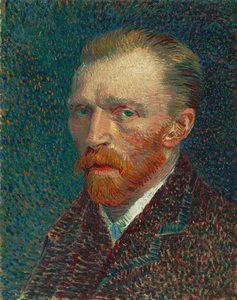
vincent willem van gogh
1853 - 1890 , Hollandia
A művészről röviden
- Artistic Movement Or Style: Posztimpresszionizmus
- Artists Or Movements Influenced By This Artist:
- Expressionizmus
- Fauvizmus
- Artists Who Influenced This Artist:
- Rembrandt van Rijn
- Jean-François Millet
- Date Of Birth: March 30, 1853
- Date Of Death: July 29, 1890
- Full Name: Vincent Willem van Gogh
- Nationality: Hollandi
- Notable Artworks:
- A Régi gabonafésű
- Napkitörők
- Éjszakai kávézó
- Place Of Birth: Zundert, Hollandia
Kapcsolódó cikkek
A posztimpresszionizmus 10 legikonikusabb remekműve – OriginalUniqueArt.com
Fedezze fel a posztimpresszionizmus 10 legjelentősebb remekművét! Van Gogh, Cézanne és Gauguin alkotásainak története – inspiráló festmények otthonába. Prémium minőségű reprodukciók a OriginalUniqueArt.com-on. Böngéssze online kínálatunkat!
Decoding Van Gogh's Turmoil: OriginalUniqueArt’s Masterful Reproductions of Emotional Depth
Discover exquisite Van Gogh reproductions from OriginalUniqueArt – expert art specialists offering museum-quality prints & custom paintings. Trust our authentic process and elevate your collection today.

Rembrandt legikonikusabb művei: 25 mestermű a vászonon – OriginalUniqueArt
Fedezze fel Rembrandt van Rijn 25 legikonikusabb művét! Barokk portrék, bibliai jelenetek és önarcképek a Holland aranykorból. Művészeti reprodukciók prémium minőségben – OriginalUniqueArt. Explore the full collection online!
Beyond Impressionism: Exploring the Emotional Depth of Post-Impressionist Painting
Explore the profound emotional depth & innovative techniques of Post-Impressionism with OriginalUniqueArt. Discover Cézanne, Van Gogh, Gauguin & more – and their lasting impact on modern art.
A Musée d'Orsay 25 Mesterműve: Impresszionizmus és Posztimpresszionizmus a Te Otthonodban
Fedezze fel a Musée d'Orsay 25 legikonikusabb műalkotását! Monet, Renoir, Van Gogh és más impresszionista mesterek festményeinek története. Inspirálódjon otthoni dekorációjához – magas minőségű reprodukciók a OriginalUniqueArt.com-on!