
 Megtekintés
 Küldés
 Megosztás
 Részletek
 Útmutató

 Letöltés
 Hasonló darabok
 X-ray felvétel
 Diavetítés
 Kérdések és válaszok
 Statisztika
Evening Snow at Kanbara

- 22.0 x 34.0 cm


 Összes részlet megjelenítése
Giclée / Műnyomat
Múzeumi minőségű giclée vagy vászonnyomat, gyors gyártással és rugalmas finomítási lehetőségekkel. ( Kézzel festett másolat rendelése Áttérés digitális képre)




P118B Ft10

P118H Ft10

P118W Ft10

P438Z Ft10

P508JH Ft12

P508YH Ft12

P805H Ft10

P805Z Ft10

P919BZ Ft10

P919G Ft10

P919XJ Ft10

P959ZH Ft10

P968JZ Ft12

W106C Ft8

W218G Ft10

W218JH Ft8

W218Y Ft10

W307PJ Ft10

W316G Ft10

W316PJ Ft8

W316Y Ft10

W398PJ Ft8

W4111J Ft10

W500HY Ft15

W500JH Ft15

W692G Ft12

W849H Ft8

W940BG Ft15

W953PJ Ft8




Válasszon előre meghatározott méreteink közül, amelyek megfelelnek a műalkotás eredeti arányainak.

Írja be a keretének vagy a falának megfelelő szélességet és magasságot. A nyomatot csak le lehet vágni, soha nem tehető nagyobbá, mint az eredeti kép, így egy eltérő alakú méretnél a kép egy része elveszik. Mielőtt bármit kinyatintanánk, küldünk egy digitális próbamodellt jóváhagyásra. Az oldalon látható kép nem tartalmazza a valós levágást — ezt csak a próbamodell mutatja meg.
Világszerte történő kiszállítás területére mindössze 2 hét alatt, a szokásos 4-5 hét helyett. (5 november)

Ingyenes globális expressz szállítás

Prémium minőségű len vászon

Teljes körű szállítási biztosítás

Vámvisszatérítési Garancia

Hiteles színarányosság garancia

100 napos visszaküldési lehetőség (csak hibás termékek esetén)

100% pénzvisszatérítési garancia

Több darab vásárlásakor kedvezmény
 Az üvegkeretes opció csak 110 cm alatti méretben érhető el

Evening Snow at Kanbara
Giclée / Műnyomat
Reprodukció mérete
-


Összesített ár
Ft 26492
A Moment Frozen in Time: The Essence of Utagawa Hiroshige
“Evening Snow at Kanbara,” a captivating woodblock print by the legendary Utagawa Hiroshige, isn't merely a depiction of a winter landscape; it’s an invitation to step into a serene and contemplative world. Created in 1834 during the vibrant Edo period, this piece embodies the core tenets of *ukiyo-e*, or “pictures of the floating world,” transforming everyday scenes into profound artistic statements. Hiroshige, often considered the last great master of this genre, possessed an extraordinary ability to capture not just the appearance of a place but also its very spirit – a quality powerfully evident in this evocative print.
The scene unfolds within a small Japanese village nestled amidst a vast expanse of snow-covered hills. The composition is deliberately restrained, prioritizing atmosphere and mood over meticulous detail. Buildings are rendered with simplified forms, their outlines softened by the printing technique, while figures – bundled in umbrellas against the biting cold – appear as fleeting glimpses of human life within this frozen landscape. This strategic use of negative space—the overwhelming presence of snow—draws attention to the delicate balance between humanity and nature, highlighting the resilience and quiet dignity of those who endure the harsh winter conditions.
The Language of Woodblock: Technique and Artistic Vision
Hiroshige’s mastery lies not only in his subject matter but also in his technical execution. The print is a testament to the intricate process of *ukiyo-e* production, relying on multiple woodblocks carved with painstaking precision. The base layer of grey tones establishes the foundational structure of the scene, while subtle gradations – achieved through layering and careful manipulation of ink—create depth and volume. Notice how the snow itself isn’t uniformly white; it’s infused with delicate shades of grey, suggesting the play of light and shadow as the sun dips below the horizon. The deliberate lack of strong shading contributes to the print's ethereal quality, lending a dreamlike atmosphere to the winter scene.
Furthermore, Hiroshige’s use of *bokashi*, or color gradation, is particularly noteworthy. This technique involved applying multiple layers of ink in varying concentrations to achieve subtle transitions and nuanced tonal effects—a hallmark of his style and a key element in conveying the atmospheric depth of the landscape. The monochrome palette, dominated by shades of grey and white, amplifies the sense of stillness and solitude, inviting viewers to contemplate the beauty of simplicity.
Symbolism and the Poetics of Nature
Beyond its aesthetic appeal, “Evening Snow at Kanbara” is rich in symbolic meaning. The snow itself represents purity, resilience, and the cyclical nature of life – a reminder that even amidst hardship, there’s an inherent beauty to be found. The villagers, huddled beneath their umbrellas, embody human adaptability and perseverance in the face of adversity. Their presence serves as a poignant counterpoint to the vastness and indifference of the natural world.
This print was part of Hiroshige's celebrated “Fifty-three Stations of the Tōkaidō” series, documenting his journey along Japan’s main highway. Each station offered a unique glimpse into the diverse landscapes and communities of Edo period Japan. Hiroshige’s ability to capture the essence of these locations—not just their physical appearance but also their atmosphere and spirit—solidified his reputation as one of the most influential artists in Japanese history, profoundly impacting both traditional *ukiyo-e* and later Western art movements like Impressionism.
Bringing Hiroshige’s Vision Home
Reproductions of “Evening Snow at Kanbara” offer a remarkable opportunity to bring this timeless masterpiece into your own space. Whether you choose an authentic woodblock print or a high-quality digital reproduction, the print's serene beauty and evocative atmosphere will undoubtedly enhance any room. Consider framing it in a simple, understated manner to allow the artwork’s inherent elegance to shine through – a subtle reminder of Hiroshige’s poetic vision and the enduring power of Japanese art.
Kérdések és válaszok
Mi a(z) domináns színtónus „Evening Snow at Kanbara”, Hiroshige alkotása-nél?
A Ochre to Sepia árnyalat áthatárolja a „Evening Snow at Kanbara”, Hiroshige alkotása alkotást.
Hogyan épül fel a „Evening Snow at Kanbara”, Hiroshige alkotása színes kompozíciója?
A "Evening Snow at Kanbara" alkotásban egy Gentle kontraszt párosul egy Unified Palette harmóniával.
Mennyire erős a kontraszt a(z) „Evening Snow at Kanbara”, Hiroshige alkotása alkotásban?
A „Evening Snow at Kanbara”, Hiroshige alkotása Gentle kontrasztot mutat a világos és sötét részek között.
A művész életrajza
A Poetic Vision of Edo Japan: The Life and Art of Utagawa Hiroshige
Utagawa Hiroshige, born Andō Tokutarō in 1797 in the bustling city of Edo (modern Tokyo), stands as a pivotal figure in the world of *ukiyo-e*, or “pictures of the floating world.” Though deeply rooted in the traditions of Japanese woodblock printing, Hiroshige transcended mere replication, imbuing his landscapes with a poetic sensibility that resonated profoundly both within Japan and, later, across the Western art world. His life unfolded during a period of relative peace and prosperity under the Tokugawa shogunate, yet also one marked by increasing social change and eventual westernization – forces that would ultimately contribute to the decline of *ukiyo-e* even as they amplified Hiroshige’s enduring legacy. Initially destined for a more conventional path within a samurai family—his father served as a fire warden—Hiroshige's artistic inclinations led him to apprenticeship under Utagawa Toyohiro, a master of the Utagawa school. This proved a crucial turning point, steering him away from the popular depictions of courtesans and actors favored by many *ukiyo-e* artists toward a focus on landscape, a genre he would ultimately redefine.From Genre Scenes to Evocative Landscapes
Hiroshige’s early work adhered to the conventions of his school, featuring portraits and scenes from daily life. These prints, often characterized by their meticulous detail and vibrant colors, demonstrated a mastery of traditional *ukiyo-e* techniques. However, it was his embrace of landscape that truly distinguished him. Influenced by earlier masters like Hokusai—whose *Thirty-six Views of Mount Fuji* had already captivated audiences—Hiroshige developed a unique style characterized by atmospheric perspective, subtle color palettes, and a profound sensitivity to the changing seasons. He didn’t merely depict places; he evoked their mood, capturing the essence of a particular moment in time. The series *The Fifty-three Stations of the Tōkaidō* (1833–1834), perhaps his most celebrated achievement, exemplifies this approach. This monumental work documented the journey along the Tōkaidō road, the main route connecting Edo and Kyoto, not as a straightforward travelogue but as a series of evocative vignettes—a sudden rain shower at Shono, a distant view of Mount Fuji from Kanaya, the bustling activity at Odawara. Each print is imbued with a sense of transience and quiet beauty, inviting viewers to experience the journey alongside the travelers. He masterfully employed *bokashi*, a technique involving multiple impressions to create subtle gradations of color, adding depth and atmosphere to his compositions. The use of layered blocks allowed him to build up complex textures and suggest the play of light and shadow with remarkable subtlety.A Master of Atmosphere and Technique
Hiroshige’s technical skill was as remarkable as his artistic vision. He wasn't simply interested in accurate representation; he sought to capture the *feeling* of a place. His use of color, though often restrained compared to some of his contemporaries, was crucial in achieving this effect. He frequently employed multiple blocks for a single color, allowing him to create nuanced shades and atmospheric effects that were incredibly difficult to replicate. The delicate washes of blue in his depictions of rain or mist, the warm hues of autumn foliage—these weren’t accidental; they were carefully considered elements designed to evoke specific emotions and sensations. Beyond *bokashi*, Hiroshige was adept at utilizing blank space – *ma* – a concept central to Japanese aesthetics, allowing areas of the print to “breathe” and enhancing the overall sense of tranquility. His series *One Hundred Famous Views of Edo* (1856–1858) further showcased his mastery, offering intimate glimpses into the life and landscapes of his beloved city. These prints moved beyond simple depictions of buildings and streets, instead focusing on capturing the atmosphere and mood of different districts—the smoky alleys of Yoshiwara, the serene gardens of Shinjuku, the vibrant markets of Tsukiji.The Enduring Legacy: Japonisme and Beyond
Though the *ukiyo-e* tradition began to wane after Hiroshige’s death in 1858—a decline accelerated by the Meiji Restoration and the subsequent influx of Western culture—his influence on the art world proved remarkably enduring. In the late 19th century, Japanese prints flooded Europe, sparking a phenomenon known as *Japonisme*. Artists like Édouard Manet, Claude Monet, and Edgar Degas were captivated by the bold compositions, flattened perspectives, and unconventional color schemes of *ukiyo-e*, incorporating these elements into their own work. Vincent van Gogh was particularly enthralled with Hiroshige’s prints, creating copies of several, including “Flowering Plum Tree after Hiroshige,” demonstrating his deep admiration for the Japanese master's use of color and composition. Hiroshige’s influence extended beyond painting; it can be seen in architecture, design, and even literature. Today, Utagawa Hiroshige is remembered not only as a brilliant artist but also as a cultural ambassador who helped bridge the gap between East and West, leaving an indelible mark on the history of art. His serene landscapes continue to inspire awe and contemplation, reminding us of the beauty and transience of the natural world.Notable Works
- The Fifty-three Stations of the Tōkaidō: Hiroshige’s most famous series, depicting the journey along the main road between Edo and Kyoto.
- One Hundred Famous Views of Edo: A captivating portrayal of life and landscapes in his beloved city.
- Influence on Vincent van Gogh's Japonaiserie Series: Including “Flowering Plum Tree after Hiroshige,” demonstrating Van Gogh’s deep admiration for the Japanese master.

Hiroshige
1797 - 1858 , Japán
Rövid információk
- Artistic Movement Or Style: *Ukiyo-e*
- Artists Or Movements Influenced By This Artist:
- Manet
- Monet
- Artists Who Influenced This Artist: ['Hokusai']
- Date Of Birth: 1797
- Date Of Death: 1858
- Full Name: Utagawa Hiroshige
- Nationality: Japán
- Notable Artworks:
- Fifty-three Stations
- One Hundred Views
- Place Of Birth: Tokió, Japán
Kapcsolódó cikkek
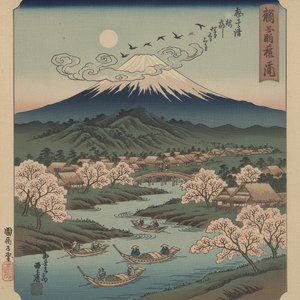
Ukiyo-e's Poetic Visionary: Hiroshige Ando & the Transformation of Landscape in 19th-Century Japan
Explore the life & art of Ando Hiroshige, Japan's last great ukiyo-e master. Discover his iconic landscapes, poetic style, and profound influence on Western Impressionism. Learn about The Fifty-Three Stations & more!

Floating Worlds: The Captivating Magic and Timeless Legacy of Japanese Ukiyo-e Art
Explore the ephemeral beauty of Japanese Ukiyo-e art. From the dynamic warriors of Kuniyoshi to serene landscapes, discover the profound history, masterful techniques, and global influence of these iconic woodblock prints in our deep cultural retrospective.

The Enduring Legacy of Woodblock Printmaking: Technique, History & Artistic Expression
Explore the rich history of woodblock printmaking – from ancient techniques to Ukiyo-e masterpieces. Discover expert insights on collecting, preserving & appreciating this enduring art form.

Katsushika Hokusai 25 Mesterműve: A Japán Art Élmény, Otthonodban – OriginalUniqueArt
Fedezze fel Katsushika Hokusai 25 legikonikusabb műalkotását! Merüljön el a japán ukiyo-e világában, ismerje meg a 'Nagy Hullám' történetét és más remekműveket. Museum minőségű reprodukciók otthonába – OriginalUniqueArt.com.
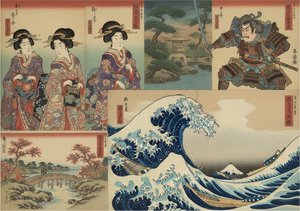
Ukiyo-e: Exploring Japan's Floating World & Enduring Artistic Legacy
Explore the captivating world of Ukiyo-e – Japan's iconic woodblock prints! Discover masters like Hokusai & Hiroshige, learn about Edo period culture, and find expert art collecting guidance at OriginalUniqueArt.


