

 Megtekintés
 Küldés
 Megosztás
 Részletek

 Letöltés
 Hasonló darabok
 X-ray felvétel
 Diavetítés
 Statisztika
St Jerome
 Oil
Oil- WallArt
- Baroque
 1630
1630- Early Modern
 105.0 x 138.0 cm
 Galleria Nazionale d’Arte Antica
 Összes részlet megjelenítése
Kézzel készített olajfestmény reprodukció
Kézzel festett olajvastú vászon, az Ön által választott méretben és keretben, művészeink készítik meglévőre. ( Áttérés Nyomtatványra Áttérés digitális képre)




P118B $10

P118H $10

P118W $10

P438Z $10

P508JH $12

P508YH $12

P805H $10

P805Z $10

P919BZ $10

P919G $10

P919XJ $10

P959ZH $10

P968JZ $12

W106C $8

W218G $10

W218JH $8

W218Y $10

W307PJ $10

W316G $10

W316PJ $8

W316Y $10

W398PJ $8

W4111J $10

W500HY $15

W500JH $15

W692G $12

W849H $8

W940BG $15

W953PJ $8




Válasszon előre meghatározott méreteink közül, amelyek megfelelnek a műalkotás eredeti arányainak.

Ön megadhat saját méreteket egy adott kerethez vagy térhez igazításhoz. Ha a kiválasztott méret nem egyezik az eredeti kép arányával, akkor a műalkotást levágjuk, vagy további kézzel festett elemekkel meghosszabbítjuk a festményt. A gyártás megkezdése előtt küldünk Önnek egy digitális előnézetet jóváhagyásra.
Kérjük, vegye figyelembe, hogy a képernyőn megjelenő előnézet nem tükrözi a tényleges vágást vagy kiterjesztést. Csak az előnézet fog pontosan mutatni a végső kompozíciót.
Bár egyedi méretek állnak rendelkezésre, javasoljuk, hogy válasszon egy méretet az előre meghatározott listából az eredeti arányok megőrzése érdekében.
A rendelést követően a OriginalUniqueArt.com csapata e-mailt küld az ügyfélnek az instrukciókért, és biztosít egy előnézeti képet (mockup).
Világszerte elérhető szállítás () 3-4 hét alatt a szokásos 5 hét helyett. (9 szeptember). A minőség nem kérdőjelezhető.

Ingyenes globális expressz szállítás

Prémium minőségű len vászon

Teljes körű szállítási biztosítás

Vámvisszatérítési Garancia

Hiteles színpontosság garancia

100 napos visszaküldési lehetőség (csak hibás termékek esetén)

100% pénzvisszatérítési garancia

Több darab vásárlása esetén kedvezmény
 Az üvegkeretes opció csak 110 cm alatti méretben érhető el

St Jerome
Reprodukciós technika
Reprodukció mérete
-


Összesített ár
$ 300
A Study in Serenity: Exploring Trophîme Bigot’s St Jerome
The painting “St Jerome” by Trophîme Bigot stands as a poignant emblem of Renaissance piety and intellectual contemplation, capturing a moment frozen in time within the confines of a richly appointed study. Executed in 1630 during the height of Mannerism—a stylistic movement characterized by elongated figures, stylized drapery, and dramatic contrasts of light and shadow—the artwork transcends mere representation to convey a profound sense of spiritual introspection. Its current residence at the Galleria Nazionale d’Arte Antica in Rome underscores its enduring significance within Italian artistic heritage.Style and Technique: Mannerist Drama
Bigot's masterful application of technique exemplifies the core tenets of Mannerism. Unlike the idealized realism prevalent in earlier Renaissance art, this piece prioritizes expressive distortion rather than accurate depiction. The artist employs chiaroscuro—the skillful manipulation of light and dark—to sculpt St Jerome’s form against a muted backdrop, creating an illusionistic depth that draws the viewer into the scene. Notice how the folds of Jerome's robe ripple with movement, conveying not just physical texture but also emotional turmoil – a subtle indication of his inner struggle as he wrestles with faith and solitude. The artist’s meticulous attention to detail—particularly in rendering St Jerome’s face—reveals an uncanny ability to capture psychological nuance.Historical Context: Rome Under Cardinal Barberini
The painting's creation coincided with the reign of Cardinal Barberini, Pope Urban VIII, a staunch supporter of the Catholic Counter-Reformation. This period witnessed a fervent desire for artistic works that reaffirmed religious dogma and instilled moral virtue. “St Jerome” reflects this cultural climate perfectly; it’s not simply a portrait but an embodiment of spiritual devotion—a visual meditation on asceticism and prayer. The Galleria Nazionale d'Arte Antica, established during Barberini’s papacy, serves as a testament to the importance placed upon preserving artistic treasures that championed religious ideals.Symbolism: Light and Darkness – Inner Reflection
Beyond its stylistic brilliance lies a rich tapestry of symbolism. The dominant use of dark hues—particularly browns and blacks—represents the earthly realm and symbolizes Jerome’s isolation from worldly pleasures. Conversely, the luminous illumination emanating from St Jerome's book serves as a beacon of divine grace, illuminating his mind and guiding him toward spiritual enlightenment. The quill pen held aloft signifies intellectual pursuit – Jerome’s unwavering commitment to scholarship is mirrored in the artist’s depiction. Furthermore, the solitary pose reinforces the theme of introspection, prompting contemplation on themes of faith, repentance, and divine communion.Emotional Impact: A Moment Preserved
“St Jerome” resonates deeply with viewers due to its ability to evoke a palpable sense of serenity mingled with melancholy. The painting's subdued palette and masterful composition invite contemplation—encouraging us to consider the complexities of human experience and the enduring power of faith. It’s a work that speaks volumes about the Renaissance preoccupation with moral virtue and spiritual aspiration, securing its place as an unforgettable masterpiece of Mannerist art. Its presence within the Galleria Nazionale d'Arte Antica ensures that this evocative image continues to inspire generations of art enthusiasts.A művész életrajza
The Master of Shadows: The Life and Legacy of Trophîme Bigot
In the flickering, amber-hued depths of the seventeenth century, few artists possessed the ability to command the darkness as masterfully as Trophîme Bigot. Born in Arles, France, around 1579, Bigot emerged as a pivotal figure within the Baroque movement, carving out a niche that would earn him the evocative title of a "Candlelight Master." His life and work represent a profound intersection of French sensibility and the dramatic, theatrical innovations flowing from Italy. To gaze upon a Bigot canvas is to enter a world where light does not merely illuminate, but rather struggles against an encroaching, velvety gloom, creating a sense of intimacy and spiritual weight that remains unparalleled.
The trajectory of Bigot’s career was shaped by his movement between the cultural hubs of Rome and Provence. This dual existence allowed him to absorb the grand, sweeping traditions of the Italian Baroque while maintaining a connection to the more somber, contemplative atmosphere of his French roots. It was in this crucible of influences that he refined his signature technique: chiaroscuro. By utilizing a single, often unseen light source—such as a guttering candle or a hidden flame—he could sculpt figures out of the void, lending them a tactile, three-dimensional presence. This mastery of light and shadow allowed him to transform simple religious subjects into profound psychological studies, where every crease in a robe or furrow in a brow tells a story of devotion or internal struggle.
A Vision of Devotion and Drama
Bigot’s oeuvre is characterized by an extraordinary ability to evoke the sacred through the mundane. His religious altarpieces are not merely depictions of saints, but immersive experiences of faith. In works such as his St. Jerome, one can witness the intense scholarly focus and spiritual fervor of the hermit, rendered with a meticulous attention to detail that brings the textures of parchment and stone to life. The dramatic contrast between the brilliant highlights on the saint's skin and the impenetrable shadows surrounding him serves to isolate the subject in a moment of eternal contemplation, pulling the viewer into his private sanctuary of prayer.
Beyond his religious commissions, Bigot’s contribution to the development of the Baroque style lies in his ability to manipulate atmosphere. His compositions often rely on a sense of quiet tension, where the stillness of the scene is charged with an unseen energy. This approach heavily influenced later masters of the genre, most notably Georges de La Tour, who would further refine the "candlelight" aesthetic. The historical significance of Bigot’s work resides in this bridge he built between the late Mannerist traditions and the high drama of the Baroque, proving that the most profound truths are often found in the softest glow amidst the deepest dark.
The enduring fascination with Trophîme Bigot continues through his remarkable ability to capture the ephemeral. His legacy is defined by:
- Technical Mastery: The sophisticated use of chiaroscuro to create depth and emotional resonance.
- Spiritual Intimacy: A unique talent for rendering religious figures with a human, relatable vulnerability.
- Atmospheric Innovation: The creation of "candlelight" scenes that redefined the boundaries of light and shadow in European art.
- Cultural Synthesis: The seamless blending of Italian dramatic flair with French stylistic restraint.

trophîme bigot
1579 - 1650 , France
A művészről röviden
- Artistic Movement Or Style: Mannerism, Expressionism
- Artists Or Movements Influenced By This Artist:
- Picasso
- Cézanne
- Artists Who Influenced This Artist:
- Titian
- Michelangelo
- Date Of Birth: October 1, 1541
- Date Of Death: April 7, 1614
- Full Name: Domenikos Theotokopoulos
- Nationality: Greek, Spanish, Italian
- Notable Artworks:
- The Disrobing of Christ
- Assumption of Virgin
- Burial Count Orgaz
- View of Toledo
- Place Of Birth: Candia (Crete)
Kapcsolódó cikkek

Jacopo Tintoretto 25 Mesterműve: A Velencei Dráma és Fény Világa | OriginalUniqueArt
Fedezze fel Jacopo Tintoretto 25 legpárásabb műalkotását! A velencei reneszánsz drámája és a barokk fények világa. Vásároljon luxus minőségű reprodukciókat, inspirálja otthonát OriginalUniqueArt-on. Explore the full collection online!
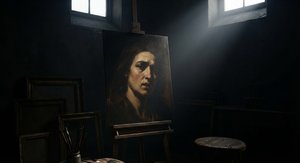
Chiaroscuro & Emotional Resonance: Exploring Dramatic Light in Western Painting
Explore the captivating world of chiaroscuro & tenebrism! Discover Caravaggio's influence, Baroque masters, and the enduring power of dramatic lighting in art history. Learn about these techniques with OriginalUniqueArt.
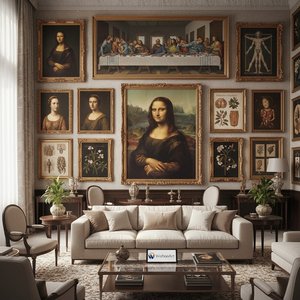
Leonardo da Vinci 25 Mesterműve: Festmények, Rajzok és a Reneszánsz Zsenije – OriginalUniqueArt.com
Fedezze fel Leonardo da Vinci 25 legikonikusabb művét! Ismerje meg a Mona Lisa, az Utolsó Vacsora és más reneszánsz remekművek történetét. Museum-minőségű reprodukciók és inspiráló otthon dekorációs ötletek – OriginalUniqueArt.com.

El Greco 25 Mesterműve: A Spanyol Reneszánsz Legkiemelkedőbb Alkotásai – OriginalUniqueArt.com
Fedezze fel El Greco 25 leglenyűgözőbb művészeti alkotását! Ismerje meg a spanyol reneszánsz és manierizmus mesterét, festményeinek történetét és spirituális mélységét. Luxus reprodukciók – OriginalUniqueArt.com.
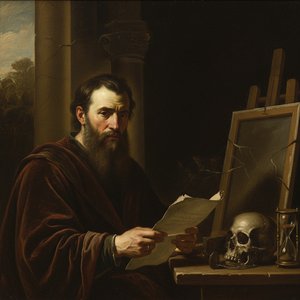
Chiaroscuro & Beyond: Exploring Dramatic Light & Shadow in Art History
Explore the captivating history of chiaroscuro – from Renaissance origins to Caravaggio & Rembrandt's mastery. Discover how light and shadow shaped art, and its enduring influence today.