
() ·
A painting made for you, by hand
Kézzel készített olajfestmény reprodukció
Kézzel festett olajvastú vászon, az Ön által választott méretben és keretben, művészeink készítik meglévőre. ( Váltás nyomtatványra Áttérés digitális képre)
A gyűjtemény leírása
Explore Tom Wesselmann’s ‘Small Still Life,’ a vibrant, chaotic oil painting bursting with red bitters & flowers. Mid-century style meets commercial influence – a visually stimulating, unique piece.
A művész életrajza
Tom Wesselmann ikonikus Pop Art művésze! Fedezd fel az emblematikus "Great American Nude" sorozatát és a színes komposíciókat, melyek tükrözik az amerikai kultúrát és otthonosság érzését. Nézd meg kézügyet készülő eredeti reprodukcióidat még ma!
 Összes részlet megjelenítése
from ·
Chapter 1
How large should it be?
Slide to change the size; the picture on the left shows the frame at its real width. The proportions of the original are kept.
Válasszon előre meghatározott méreteink közül, amelyek megfelelnek a műalkotás eredeti arányainak.

Írja be a kívánt szélességet és magasságot, hogy illeszkedjen a keretéhez vagy a falához. Mivel ez kézzel festett alkotás, egy eltérő formájú méret esetén a művész akár festhet is valamivel többet a kép körül, vagy korolathat is belőle — az Ön döntésének megfelelően. A festés megkezdése előtt küldünk egy digitális tervezetet jóváhagyásra. Az oldalon látható kép nem tartalmazza a végeredményt — csak a tervezet mutatja meg a valódi eredményt.
Chapter 2
How should it arrive?
Choose the edges of the stretched canvas
Choose your frame

White Ft1

Blurside Ft1

Extended Ft1

P118B Ft10

P118H Ft10

P118W Ft10

P438Z Ft10

P508JH Ft12

P508YH Ft12

P805H Ft10

P805Z Ft10

P919BZ Ft10

P919G Ft10

P919XJ Ft10

P959ZH Ft10

P968JZ Ft12

W106C Ft8

W218G Ft10

W218JH Ft8

W218Y Ft10

W307PJ Ft10

W316G Ft10

W316PJ Ft8

W316Y Ft10

W398PJ Ft8

W4111J Ft10

W500HY Ft15

W500JH Ft15

W692G Ft12

W849H Ft8

W940BG Ft15

W953PJ Ft8

H24-GOLD Ft30

H24-SILVER Ft30

H36-GOLD Ft45

H36-SILVER Ft45
Keretezett
Moulding: . Overall size with the frame: .
Chapter 3
Who paints it, and should anything change?
After order, OriginalUniqueArt.com team will email client for instructions and provide a mockup preview
Világszerte elérhető szállítás () 3-4 hét alatt a szokásos 5 hét helyett. (31 október). A minőség nem kérdőjelezhető.
Chapter 4
The finishing touches
A nameplate, as in a museum?
A gravírozott bronztábla részletei
This elegant plaque features the artist's name and the title of the artwork, finely engraved for a timeless presentation.
It is made from bronze with a refined, elegant finish. The text is precisely laser-engraved for a sharp and permanent result. Measuring 9x2 cm, the plaque is compact yet easy to read. It's built to be durable and scratch-resistant, offering a professional, museum-quality look. Mounting is simple thanks to the included adhesive backing.
Átlátszó akril tábla részletei
The plaque includes essential engraved details such as the artist's name, the title of the artwork, the date it was created, the type of media used-like oil on canvas or watercolor-a brief description of the piece, and a QR code that links to the complete artwork information.
It is crafted from clear acrylic, offering a sleek, modern appearance. The text is UV-engraved in black to ensure strong visual contrast. With a size of 10x15 cm, it ensures optimal readability. It comes equipped with two metal hooks for secure wall mounting. The plaque is designed to be weather-resistant, making it suitable for various environments, and it includes interactive features that work seamlessly with smartphone scanning.
Fekete akril tábla részletei
This elegant plaque includes engraved information such as the artist's name, the title of the artwork, the date it was created, the type of media used (like oil on canvas or watercolor), a short description of the artwork, and a QR code for quick access to more information.
The plaque itself is made from refined black acrylic with a premium finish. The text is laser-engraved in white for high contrast and readability. Its size is 10x15 cm, designed to be easy to read. It comes with two metal hooks for professional mounting. The design is sleek and fits any interior style. It is also weather-resistant and durable, with built-in digital integration for mobile compatibility.
A protective varnish?
When do you need it?
Chapter 5
Your painting, as you ordered it

Small Still Life
Reprodukciós technika
Reprodukció mérete
-

Kiváló mesterművész
Nagyobb részletesség, finomság és bővített gyártási idő
-

Reprodukció keretezése
-
-
A bármely oldalsó méretét túlszálaló 105 cm (kb. 41 hüvelyk) meghaladó műalkotások vagy reprodukciók esetében a keret összeszerelhető készletként, szétszerelve kerül szállításra. Ez a módszer biztosítja a biztonságos szállítást, és megakadályozza a szállítás során fellépő sérüléseket.
Szakmész összeszerelést igényel – ez nem DIY (önösszeszerelhető) termék.
A készletet egy tapasztalt keretező szakembernek kell összeszerelnie és a vásznat feszítenie kell, fa ragasztó (nem tartalmazza a csomag), vásznfeszítő fogó és szorítók használatával, amelyek a ragasztó száradásáig a keretrészeket egymáshoz vuôngjba tartják. A helytelen összeszerelés vagy a nem egyenletes vásznfeszítés maradandó károsíthatja a műalkotást, és ez nem része a garanciánknak.
 A bármely oldalsó méretét túlszálaló 105 cm (kb. 41 hüvelyk) meghaladó műalkotások vagy reprodukciók esetében a keret összeszerelhető készletként, szétszerelve kerül szállításra. Ez a módszer biztosítja a biztonságos szállítást, és megakadályozza a szállítás során fellépő sérüléseket.
A készlet tartalmazza az összes tömörfa rudat, pontosan méretre vágva.
A mellékelt csavarokkal, valamint a sarokszerekhez szükséges faütő ragasztóval kell összeszerelnie (ez nem tartalmazható a csomagban), így a keretrendezőnek külön kell beszereznie.
A csomag nem tartalmazza a szükséges professzionális eszközöket: egy vászonfeszítőt és klipseket a rácsok vízszintes tartásához a ragasztó megszáradásáig.
Fontos:
A sarokcsatlakozásokhoz fánylagra van szükség, a keretrudakat szorítókapcsokkal kell rögzíteni, amíg a rag teljesen meg nem szárad, a kész keretre feszített vászonhoz pedig vászonfeszítő fogat szükséges. Ezek egyike sem található meg a készletben. Kérjük, rendelés előtt győződjön meg róla, hogy rendelkezik tapasztalt keretező szakemberrel.

Névtábla
-
-

Védőréteg (Lakk)
Fényes lakk (intenzívabb színek, védelem a fény és a nedvesség hatása ellen)
-

Műalkotásom egyedi igényre szabása
Példák a módosíthatóságra: az arc kicserélése az ügyfél fotójára; háziállat hozzáadása (pl. macska helyett kutya); rejtett üzenet elhelyezése a háttérben; a háttér tájainak vagy elemeinek megváltoztatása.
-

Sürgős
Világszerte szóló szállítás () mindössze 3-4 hét alatt, a szokásos 5 hét helyett. (31 október). A minőség nem kérdőjelezhető.
-
Express szállítás
Világszerte elérhető szállítás területre 5 héten belül. (7 november).
A szállítás díja tartalmazza
Összesített ár
Ft 98090
Az üvegkeretes opció csak 110 cm alatti méretben érhető el
Included with every order
- Ingyenes globális expressz szállítás
- Prémium minőségű len vászon
- Teljes körű szállítási biztosítás
- Vámvisszatérítési Garancia
- Hiteles színarányosság garancia
- 100 napos visszaküldési lehetőség (csak hibás termékek esetén)
- 100% pénzvisszatérítési garancia
- Több darab vásárlásakor kedvezmény


 Megtekintés
 Küldés
 Megosztás
 Részletek
 Útmutató

 Letöltés
 Hasonló darabok
 X-ray felvétel
 Diavetítés
 Q&A
Q&A Statisztika
In numbers
- 29frames to choose from
- standard sizes, in its own proportions
- 5weeks to paint and deliver it
About the original

Ez a műalkotás szerzői jogi védelem alatt áll
Az ezen az oldalon megjelenített műalkotások szerzői jogi védelem alatt állnak, ami azt jelenti, hogy törvényileg nem készíthetünk és nem adhatunk el belőlük pontos másolatokat. Ez a védelem olyan nemzetközi megállapodások alapján érvényesül, mint például a Berni Egyezmény és a nemzeti jogszabályok által, beleértve azokat is, amelyeket meghatározott Az USA szerzői jogi törvénye – 17. cím.
Mint tiszteletes és törvényes alternatívát, olyan egyedi, kézzel festett alkotásokat kínálunk, amelyek az eredetiből merítnek inspirációt. Tapasztalt és professzionális művészeink alaposan tanulmányozzák az eredeti stílusát, hangulatát és művészeti esszenciáját, hogy egy olyan új, egyedi alkotást hozzunk létre, amely ugyanazt az érzést kelti – miközben önálló, eredeti alkotásként létezik.
Ez a módszer teljes mértékben megfelel a szerzői jogi szabályozásnak, mivel nem tartalmazza a védett műalkotás másolását vagy duplikálását. Ehelyett ez egy kreatív újinterpretáció – egy új festmény, amely az eredetivel való összefüggései miatt hatással van rá, de nem az az.

Tom Wesselmann
1931 - 2004, Egyesült Államok
Quick facts about Tom Wesselmann
- Artistic Movement Or Style: Pop Art
- Artists Who Influenced This Artist:
- Robert Motherwell
- Willem de Kooning
- Date Of Birth: 1931
- Date Of Death: 2004
- Full Name: Tom Wesselmann
- Nationality: Amerikai
- Notable Artworks:
- Great American Nude Series
- Still Lifes
- Bedroom Paintings
- Place Of Birth (City And Country): Cincinnati, USA
A művész életrajza
A Celebration of the Everyday: The World of Tom Wesselmann
Tom Wesselmann, born in Cincinnati, Ohio, in 1931 and passing away in 2004, stands as a pivotal figure within the vibrant landscape of Pop Art. His journey began not with an immediate artistic calling, but with studies in psychology at the University of Cincinnati following a brief period at Hiram College. This early exploration of the human mind would subtly inform his later work, imbuing it with a keen awareness of perception and desire. A stint in military service from 1952 to 1954 provided an unexpected creative outlet through cartooning – a skill that honed his observational abilities and sense of visual narrative. Upon his discharge, Wesselmann dedicated himself to refining his drawing skills at the Art Academy of Cincinnati, laying the foundation for the bold aesthetic he would soon become known for. He wasn’t initially drawn to the prevailing Abstract Expressionist fervor; instead, he sought a more direct engagement with the world around him, a desire that ultimately led him to embrace the burgeoning Pop Art movement.Early Influences and Artistic Formation
Wesselmann's formative years were marked by an interest in humanist psychology alongside a fascination for visual storytelling—skills honed through his military service and subsequent studies at Hiram College and Cincinnati Art Academy. Unlike many of his contemporaries who championed the expressive gestures of Abstract Expressionism, he deliberately distanced himself from this trend, prioritizing clarity and precision as guiding principles for his artistic endeavors. This conscious rejection of abstraction fueled his determination to explore alternative visual languages—one rooted in observation and a fascination with the everyday objects that constituted the fabric of American life. His early drawings demonstrated an exceptional aptitude for capturing detail and conveying emotion through simplified forms, foreshadowing the meticulous construction characteristic of his later works.The Birth of Pop Art: Collage and Bold Color
Wesselmann’s arrival on the New York art scene coincided with the ascendance of Pop Art—a movement that challenged artistic conventions by appropriating imagery from popular culture and advertising. Rejecting the emotional intensity of Abstract Expressionism, he embraced collage techniques as a means of elevating commonplace objects to the status of fine art. This innovative approach distinguished him from many of his peers who focused on replicating mass-produced images; instead, Wesselmann sought to construct worlds around these items—layered textures and perspectives creating visually arresting compositions. The genesis of his iconic *Great American Nude* series in 1961 exemplifies this pioneering spirit. Departing from traditional nude art’s idealized representations, he boldly confronted themes of sexuality and patriotism through a deliberately reductive palette dominated by red, white, and blue—colors emblematic of the American flag and symbolizing national identity. Influenced profoundly by Robert Motherwell's “Elegy to the Spanish Republic,” Wesselmann skillfully combined disparate elements within a single canvas – mirroring Motherwell’s own masterful use of juxtaposition to convey complex emotional narratives.The Great American Nude Series: Symbolism and Composition
The *Great American Nude* series solidified Wesselmann's reputation as a visionary artist who redefined the boundaries of artistic expression. Each nude figure was meticulously arranged against a backdrop of patriotic imagery—stars, stripes, and stylized landscapes—creating a dialogue between idealized beauty and national symbolism. The series’ deliberate simplification of form—reducing figures to geometric shapes—served not only to heighten visual impact but also to underscore Wesselmann's commitment to clarity and precision as artistic tenets. He drew inspiration from Surrealist techniques, particularly the use of dreamlike imagery and juxtaposition, yet tempered this influence with a grounding in observational realism. The resulting compositions were imbued with an understated elegance that captivated audiences and cemented Wesselmann’s place among the most influential artists of his generation.Legacy and Influence: A Celebration of Everyday Life
Tom Wesselmann's artistic legacy extends far beyond his celebrated *Great American Nude* series and his pioneering use of collage techniques. He championed a vision of art that embraced the mundane—transforming ordinary objects into extraordinary subjects through careful arrangement and vibrant color palettes. His exploration of domestic interiors, particularly his “Bedroom Paintings,” offered an intimate glimpse into the human experience—capturing moments of quiet contemplation and conveying subtle emotional nuances. Like many artists of his time, Wesselmann engaged actively with the cultural currents of the 1960s—embracing Pop Art’s challenge to artistic conventions and reflecting its fascination with mass media and consumer culture. His enduring influence can be seen in subsequent generations of artists who sought to infuse their work with a similar spirit of playful experimentation and a commitment to elevating everyday life into artful expression. Wesselmann's unwavering belief in the transformative power of visual language continues to inspire artists today—reminding us that beauty can be found not only in grand narratives but also in the simplest of gestures and objects.Kapcsolódó cikkek

Roy Lichtenstein 25 Mesterműve: Pop Art ikonok a faladra | OriginalUniqueArt
Fedezze fel Roy Lichtenstein 25 legikonikusabb művét! Ismerje meg a pop art forradalmár festményeit, technikáit és inspirációit. Vászonképek, faliképek – magas minőségben a OriginalUniqueArt.com-on. Explore the full collection online!
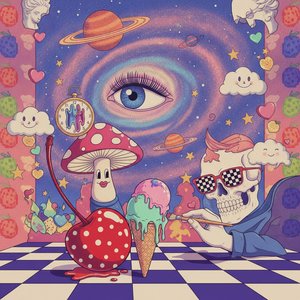
Pop Surrealism Unveiled: The Sophisticated Intersection of Vibrant Pop Art and Dreamlike Subconscious Landscapes
Explore the captivating world of Pop Surrealism. Discover how vibrant Pop Art meets dreamlike subconscious imagery through the works of masters like Jeff Soto and Ryan Heshka. An expert guide for discerning collectors seeking to understand this profound contemporary art movement.

Crimson Threads of Narrative: Exploring Symbolism & Representation in Artworks Featuring the Red Dress
Explore the rich symbolism of the red dress in art history! From ancient power displays to iconic portraits like Cézanne’s 'Madame Cezanne', discover the cultural and artistic significance behind this captivating color. Expert analysis & insights.
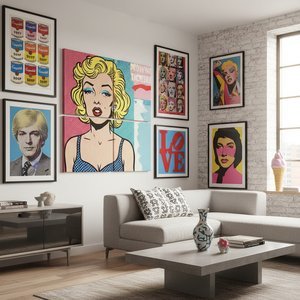
A Pop Art 10 legnagyobb remekműve: művészeti forradalom otthonra – OriginalUniqueArt.com
Fedezze fel a Pop Art 10 legnagyobb remekművét! Andy Warhol, Roy Lichtenstein és más ikonikus művészek alkotásainak története. Vászonképek, nyomatok – inspiráció otthonra a OriginalUniqueArt.com-on. Explore the full collection online!


