
 Megtekintés
 Küldés
 Megosztás
 Részletek
 Útmutató

 Letöltés
 Hasonló darabok
 X-ray felvétel
 Diavetítés
 Q&A
Q&A Statisztika
Együtt készülődés


 Összes részlet megjelenítése
Az ezen az oldalon megjelenített műalkotások szerzői jogi védelem alatt állnak, ami azt jelenti, hogy törvényileg nem készíthetünk és nem adhatunk el belőlük pontos másolatokat. Ez a védelem olyan nemzetközi megállapodások alapján érvényesül, mint például a Berni Egyezmény és a nemzeti jogszabályok által, beleértve azokat is, amelyeket meghatározott Az USA szerzői jogi törvénye – 17. cím.
Ez a módszer teljes mértékben megfelel a szerzői jogi szabályozásnak, mivel nem tartalmazza a védett műalkotás másolását vagy duplikálását. Ehelyett ez egy kreatív újinterpretáció – egy új festmény, amely az eredetivel való összefüggései miatt hatással van rá, de nem az az.
Giclée / Műnyomat
Múzeumi minőségű giclée vagy vászonnyomat, gyors gyártással és rugalmas finomítási lehetőségekkel. ( Kézzel festett másolat rendelése Áttérés digitális képre)




P118B Ft10

P118H Ft10

P118W Ft10

P438Z Ft10

P508JH Ft12

P508YH Ft12

P805H Ft10

P805Z Ft10

P919BZ Ft10

P919G Ft10

P919XJ Ft10

P959ZH Ft10

P968JZ Ft12

W106C Ft8

W218G Ft10

W218JH Ft8

W218Y Ft10

W307PJ Ft10

W316G Ft10

W316PJ Ft8

W316Y Ft10

W398PJ Ft8

W4111J Ft10

W500HY Ft15

W500JH Ft15

W692G Ft12

W849H Ft8

W940BG Ft15

W953PJ Ft8




Válasszon előre meghatározott méreteink közül, amelyek megfelelnek a műalkotás eredeti arányainak.

Írja be a keretének vagy a falának megfelelő szélességet és magasságot. A nyomatot csak le lehet vágni, soha nem tehető nagyobbá, mint az eredeti kép, így egy eltérő alakú méretnél a kép egy része elveszik. Mielőtt bármit kinyatintanánk, küldünk egy digitális próbamodellt jóváhagyásra. Az oldalon látható kép nem tartalmazza a valós levágást — ezt csak a próbamodell mutatja meg.
Világszerte történő kiszállítás területére mindössze 2 hét alatt, a szokásos 4-5 hét helyett. (31 október)

Ingyenes globális expressz szállítás

Prémium minőségű len vászon

Teljes körű szállítási biztosítás

Vámvisszatérítési Garancia

Hiteles színarányosság garancia

100 napos visszaküldési lehetőség (csak hibás termékek esetén)

100% pénzvisszatérítési garancia

Több darab vásárlásakor kedvezmény
 Az üvegkeretes opció csak 110 cm alatti méretben érhető el

Együtt készülődés
Giclée / Műnyomat
Reprodukció mérete
-


Összesített ár
Ft 26198
Tárgy és Kompozíció
Ez a lenyűgöző alkotás egy rétegzett és eklektikus szugorodást mutat be, amely zökkenőmentesen ötvözi a popart, a realizmus és a szürrealizmus elemeit. A mű magját egy részletgazdag, Abraham Lincoln-portré foglalja el, amely az amerikai történelem és a vezetés szimbólumaként vonzza magára a tekintetet. Lincoln körül házi tárgyak, politikai szimbólumok és kulturális utalások vibráló gyarmata áramlik – olyan elemekkel, mint egy hatalmas vörös csillag, egy vintage televízió, díszes sörpalackok és buja gyümölcsök –, létrehozva a vizuális történetmesélés gazdag szövetségét. A kompozíció sűrű elrendezése arra ösztönzi a nézőt, hogy fedezze fel a különböző narratívákat, a történelmi tisztelettől a kortárs kritikáig, így ez a mű bármely tér lenyűgöző központjává válik.Stílus és Technika
A alkotás egy hibrid művészeti stílust példáz, amely egyesíti a popart merész, lapos színeit és grafikus tisztaságát a realista portretisztával és a texturált, természetes elemekkel. A művész precíz ecsettartással dolgozott Lincoln arcképén, hangsúlyozva az arcvonásokat és a kifejezést, míg a környező tárgyaknál élénk, tiszta színtérket alkalmazott. Az egymásra helyezett elemekből és kontrasztos textúrákból álló kollázsszerű felépítés fokozza a rétegzett, szinte háromdimenziós hatást. Az akril vagy olajfesték használata, valamint a lehetséges mixed media technikai megoldások vibráló, energikus esztétikát eredményeznek, amely megragadja a néző tekintetét és ébreszti a kíváncsiságot.Történelmi Kontextus és Szimbolika
A 20. század közepének popart mozgalmából emergedve ez a mű a kulturális változások és a média befolyásának korszakát tükrözi. A csillag és Lincoln portréja olyan szimbólumok, amelyek az amerikai identitást, a patriotizmust és a politikai történelmet idézik fel. A vintage televízió a média szerepére mutat rá a közvélemény alakításában, míg a mindennapi tárgyak – a sörpalackok és a gyümölcsök – a műt a házi és a fogyasztói kultúrába gyökereztetik. Az ájtosság és a szatira egymás mellé helyezése arra hívja a nézőt, hogy gondolkodjon az amerikai eszmék, a történelem és a kortárs élet összetettségéről, így ez a mű a bármely gyűjtemény gondolkodtatásra késztető kiegészítőjévé válik.Érzelmi Hatás és Vonzerő
Ez az alkotás érzelmi szinten szólal meg, ötvözve az csodálatot, a kritikát és a nosztalgiát. Lincoln komoly kifejezése éles kontrasztban áll a játékos, élénk környezettel, dinamikus feszültséget szülve, amely elmélyült contemplációra ösztönöz. Energikus kompozíciója és merész színei optimizmust, kíváncsiságot és visszatekintésre késztető hangulatot árasztanak. Legyen szó egy modern lakótérről, egy művészeti gyűjteményről vagy egy kreatív munkakörű helyszínről, ez a darab erőteljes beszélgetésindítóként szolgál – inspiráló emlékeztetőként a történelem hatására a mai kultúrára és identitásra.Tökéletes Gyűjtőknek és Belsőépítészetnek
A lenyűgözésre és az inspirációra tervezett, kiváló minőségű reprodukció egyedülálló lehetőséget kínál a műkedvelőknek, gyűjtőknek és belsőépítészeknek, hogy birtokoljanak egy olyan alkotást, amely egyesíti a történelmi jelentőséget a kortárs lendülettel. Rétegzett szimbolikája és markáns vizuális stílusa ideális fókuszpontot alkothat nappalikban, irodákban, galériákban vagy közösségi terekben. Emelje környezete színvonalát ezzel a meggyőző műalkotással, amely merész, modern lencsén keresztül celebrates az amerikai kultúrát – a művészi innováció és a kulturális kommentár maradandó bizonyítékaként.Kérdések és válaszok
Hol találhatók statisztikák a(z) „Együtt készülődés”, Tom Wesselmann alkotása kapcsán?
A „Együtt készülődés”, Tom Wesselmann alkotása statisztikái a mű Statisztikák oldalán érhetőek el: a mű havi látogatottsága, a művész alkotásainak megtekintése, valamint a legutóbbi látogatók országos és nyelvi lebontása.
Milyen hangulat és érzelem ötvöződik a "Együtt készülődés" alkotásban?
A "Együtt készülődés" alkotásban egy Nosztalgikus hangulat kíséri egy Belső elmélyülést sugárzó érzelmet.
Milyen érzelmet közvetít a Pop Art korszakból származó "Együtt készülődés" című alkotás?
A "Együtt készülődés" a Pop Art korszak Belső elmélyülést sugárzó érzelmi hangulatát tükrözi.
A művész életrajza
A Celebration of the Everyday: The World of Tom Wesselmann
Tom Wesselmann, born in Cincinnati, Ohio, in 1931 and passing away in 2004, stands as a pivotal figure within the vibrant landscape of Pop Art. His journey began not with an immediate artistic calling, but with studies in psychology at the University of Cincinnati following a brief period at Hiram College. This early exploration of the human mind would subtly inform his later work, imbuing it with a keen awareness of perception and desire. A stint in military service from 1952 to 1954 provided an unexpected creative outlet through cartooning – a skill that honed his observational abilities and sense of visual narrative. Upon his discharge, Wesselmann dedicated himself to refining his drawing skills at the Art Academy of Cincinnati, laying the foundation for the bold aesthetic he would soon become known for. He wasn’t initially drawn to the prevailing Abstract Expressionist fervor; instead, he sought a more direct engagement with the world around him, a desire that ultimately led him to embrace the burgeoning Pop Art movement.Early Influences and Artistic Formation
Wesselmann's formative years were marked by an interest in humanist psychology alongside a fascination for visual storytelling—skills honed through his military service and subsequent studies at Hiram College and Cincinnati Art Academy. Unlike many of his contemporaries who championed the expressive gestures of Abstract Expressionism, he deliberately distanced himself from this trend, prioritizing clarity and precision as guiding principles for his artistic endeavors. This conscious rejection of abstraction fueled his determination to explore alternative visual languages—one rooted in observation and a fascination with the everyday objects that constituted the fabric of American life. His early drawings demonstrated an exceptional aptitude for capturing detail and conveying emotion through simplified forms, foreshadowing the meticulous construction characteristic of his later works.The Birth of Pop Art: Collage and Bold Color
Wesselmann’s arrival on the New York art scene coincided with the ascendance of Pop Art—a movement that challenged artistic conventions by appropriating imagery from popular culture and advertising. Rejecting the emotional intensity of Abstract Expressionism, he embraced collage techniques as a means of elevating commonplace objects to the status of fine art. This innovative approach distinguished him from many of his peers who focused on replicating mass-produced images; instead, Wesselmann sought to construct worlds around these items—layered textures and perspectives creating visually arresting compositions. The genesis of his iconic *Great American Nude* series in 1961 exemplifies this pioneering spirit. Departing from traditional nude art’s idealized representations, he boldly confronted themes of sexuality and patriotism through a deliberately reductive palette dominated by red, white, and blue—colors emblematic of the American flag and symbolizing national identity. Influenced profoundly by Robert Motherwell's “Elegy to the Spanish Republic,” Wesselmann skillfully combined disparate elements within a single canvas – mirroring Motherwell’s own masterful use of juxtaposition to convey complex emotional narratives.The Great American Nude Series: Symbolism and Composition
The *Great American Nude* series solidified Wesselmann's reputation as a visionary artist who redefined the boundaries of artistic expression. Each nude figure was meticulously arranged against a backdrop of patriotic imagery—stars, stripes, and stylized landscapes—creating a dialogue between idealized beauty and national symbolism. The series’ deliberate simplification of form—reducing figures to geometric shapes—served not only to heighten visual impact but also to underscore Wesselmann's commitment to clarity and precision as artistic tenets. He drew inspiration from Surrealist techniques, particularly the use of dreamlike imagery and juxtaposition, yet tempered this influence with a grounding in observational realism. The resulting compositions were imbued with an understated elegance that captivated audiences and cemented Wesselmann’s place among the most influential artists of his generation.Legacy and Influence: A Celebration of Everyday Life
Tom Wesselmann's artistic legacy extends far beyond his celebrated *Great American Nude* series and his pioneering use of collage techniques. He championed a vision of art that embraced the mundane—transforming ordinary objects into extraordinary subjects through careful arrangement and vibrant color palettes. His exploration of domestic interiors, particularly his “Bedroom Paintings,” offered an intimate glimpse into the human experience—capturing moments of quiet contemplation and conveying subtle emotional nuances. Like many artists of his time, Wesselmann engaged actively with the cultural currents of the 1960s—embracing Pop Art’s challenge to artistic conventions and reflecting its fascination with mass media and consumer culture. His enduring influence can be seen in subsequent generations of artists who sought to infuse their work with a similar spirit of playful experimentation and a commitment to elevating everyday life into artful expression. Wesselmann's unwavering belief in the transformative power of visual language continues to inspire artists today—reminding us that beauty can be found not only in grand narratives but also in the simplest of gestures and objects.
Tom Wesselmann
1931 - 2004 , Egyesült Államok
Rövid információk
- Artistic Movement Or Style: Pop Art
- Artists Who Influenced This Artist:
- Robert Motherwell
- Willem de Kooning
- Date Of Birth: 1931
- Date Of Death: 2004
- Full Name: Tom Wesselmann
- Nationality: Amerikai
- Notable Artworks:
- Great American Nude Series
- Still Lifes
- Bedroom Paintings
- Place Of Birth (City And Country): Cincinnati, USA
Kapcsolódó cikkek
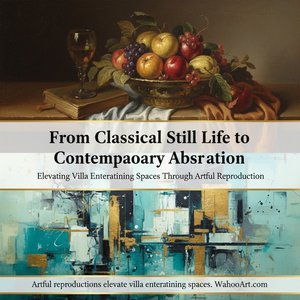
A klasszikus természetélettől a kortárs absztrakcióig: A művészeti reprodukcióval emelt villák vendéglátótereinek stílusa
Említse meg luxusvillája vendéglátótereit klasszikus és kortárs művészeti reprodukciókkal! Szakértői tanácsadás, prémium minőségű képmásolatok. Fedezze fel a tökéletes stílust a OriginalUniqueArt-tal!
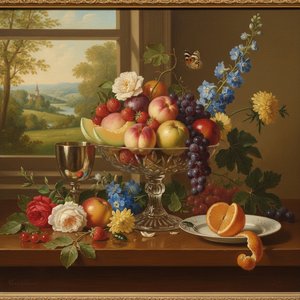
Severin Roesen: Evoking National Identity Through American Still Life Painting
Explore the captivating world of Severin Roesen, a major American still life painter influenced by Dutch masters. Discover his lush compositions and the symbolism within his art – a window into 19th-century America.

Grant Wood & American Regionalism: Identity, Myth & the Rural Landscape
Explore the world of Grant Wood & American Regionalism with OriginalUniqueArt. Discover the symbolism behind 'American Gothic', recurring themes, and the movement's lasting impact on art history. High-quality reproductions available.
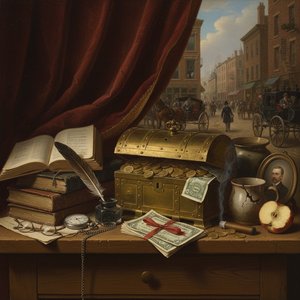
William Michael Harnett: Still Life, Realism & the American Pursuit of Materiality
Explore the captivating still lifes of William Michael Harnett, a master of American realism and trompe l'oeil painting. Discover his technique, legacy & the cultural context behind his iconic works.
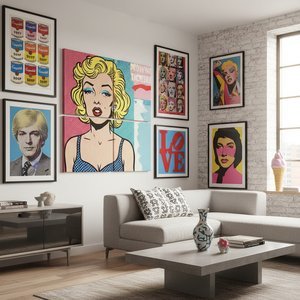
A Pop Art 10 legnagyobb remekműve: művészeti forradalom otthonra – OriginalUniqueArt.com
Fedezze fel a Pop Art 10 legnagyobb remekművét! Andy Warhol, Roy Lichtenstein és más ikonikus művészek alkotásainak története. Vászonképek, nyomatok – inspiráció otthonra a OriginalUniqueArt.com-on. Explore the full collection online!


