
 Megtekintés

 Küldés
 Megosztás
 Részletek
 Útmutató


 Letöltés
 Hasonló darabok
 X-ray felvétel
 Diavetítés
 Kérdések és válaszok
 Statisztika
La Bella

- 89.0 x 76.0 cm


 Összes részlet megjelenítése
Giclée / Műnyomat
Múzeumi minőségű giclée vagy vászonnyomat, gyors gyártással és rugalmas finomítási lehetőségekkel. ( Kézzel festett másolat rendelése Áttérés digitális képre)




P118B Ft10

P118H Ft10

P118W Ft10

P438Z Ft10

P508JH Ft12

P508YH Ft12

P805H Ft10

P805Z Ft10

P919BZ Ft10

P919G Ft10

P919XJ Ft10

P959ZH Ft10

P968JZ Ft12

W106C Ft8

W218G Ft10

W218JH Ft8

W218Y Ft10

W307PJ Ft10

W316G Ft10

W316PJ Ft8

W316Y Ft10

W398PJ Ft8

W4111J Ft10

W500HY Ft15

W500JH Ft15

W692G Ft12

W849H Ft8

W940BG Ft15

W953PJ Ft8




Válasszon előre meghatározott méreteink közül, amelyek megfelelnek a műalkotás eredeti arányainak.

Írja be a keretének vagy a falának megfelelő szélességet és magasságot. A nyomatot csak le lehet vágni, soha nem tehető nagyobbá, mint az eredeti kép, így egy eltérő alakú méretnél a kép egy része elveszik. Mielőtt bármit kinyatintanánk, küldünk egy digitális próbamodellt jóváhagyásra. Az oldalon látható kép nem tartalmazza a valós levágást — ezt csak a próbamodell mutatja meg.
Világszerte történő kiszállítás területére mindössze 2 hét alatt, a szokásos 4-5 hét helyett. (17 november)

Ingyenes globális expressz szállítás

Prémium minőségű len vászon

Teljes körű szállítási biztosítás

Vámvisszatérítési Garancia

Hiteles színarányosság garancia

100 napos visszaküldési lehetőség (csak hibás termékek esetén)

100% pénzvisszatérítési garancia

Több darab vásárlásakor kedvezmény
 Az üvegkeretes opció csak 110 cm alatti méretben érhető el

La Bella
Giclée / Műnyomat
Reprodukció mérete
-


Összesített ár
Ft 26216
A Renaissance Reverie: Tiziano Vecellio's "La Bella"
- Titian’s “La Bella,” painted in 1536, is more than just a portrait; it’s an immersion into the heart of the Venetian Renaissance. Created by the titan himself, Titian Vecellio, this artwork embodies the era's fascination with beauty, luxury, and the human form – qualities that continue to resonate powerfully today. The painting’s immediate impact lies in its masterful use of color, a hallmark of Titian’s genius. The vibrant blue of her dress, juxtaposed against the rich red of her sleeves, creates a visual dynamism that draws the eye and establishes a sense of opulent grace. This wasn't merely about depicting a woman; it was about capturing an ideal – a fleeting moment of exquisite beauty frozen in time.
- The subject’s identity remains delightfully enigmatic. While believed to be an idealized representation rather than a specific portrait, the woman’s gaze—direct and engaging—invites the viewer into her world. Her carefully arranged hair, pulled back in a classic bun, adds to the sense of composure and refinement. The subtle suggestion of a smile or frown further enhances the painting's allure, prompting contemplation about the emotions beneath the surface.
Technique and Materiality: A Masterclass in Oil Painting
- Titian’s skill as an oil painter is immediately apparent. He employed a ‘cursive brushstroke,’ a technique favored during this period, which lends the painting a fluidity and movement that belies its static subject matter. Notice how he layered the colors – building up glazes to achieve luminous effects, particularly in the fabrics and jewels. The use of gold leaf, subtly incorporated into the background and ornamentation, adds an extra layer of richness and reflects Titian’s understanding of light and shadow.
- The composition itself is carefully considered. The placement of the woman within the scene, flanked by indistinct figures, creates a sense of depth and draws attention to her as the central focus. The background, though less detailed, serves not as an afterthought but as an integral part of the overall narrative – suggesting a courtly setting, perhaps a celebration or a private gathering.
Historical Context: Venice at the Height of its Power
- "La Bella" was created during a pivotal moment in Venetian history. The city was experiencing a golden age—a flourishing center for trade, art, and culture. Titian, as one of the leading artists of the time, benefited immensely from this environment, receiving commissions from wealthy patrons – including the Doge of Venice himself – and contributing significantly to the city’s artistic legacy. The painting reflects the Renaissance emphasis on humanism and classical ideals, while simultaneously embracing Venetian traditions of color and sensuality.
- Titian's experimentation with looser brushwork and a greater focus on capturing the essence of his subjects marked a departure from earlier, more rigidly realistic styles. This shift was part of a broader artistic movement that sought to express emotion and personality through art – a characteristic that defines much of Titian’s oeuvre.
Symbolism and Legacy: An Enduring Icon
- Beyond its technical brilliance, “La Bella” is rich in symbolism. The pearls and jewels adorning the woman's attire represent wealth, status, and beauty – qualities highly valued during the Renaissance. Her pose, with a direct gaze, suggests confidence and self-possession. The painting’s enduring appeal lies not only in its aesthetic beauty but also in its ability to evoke a sense of timeless elegance and mystery.
- Titian's influence on subsequent generations of artists is undeniable. His mastery of color and composition served as an inspiration for painters throughout Europe, and “La Bella” remains a prime example of his skill. A hand-painted reproduction offers the opportunity to experience this masterpiece firsthand, bringing a touch of Renaissance grandeur into any setting.
Kérdések és válaszok
Hogyan épül fel a „La Bella”, Tiziano Vecellio alkotása színes kompozíciója?
A „La Bella”, Tiziano Vecellio alkotása színes kompozíció egy Balanced kontrasztot és egy Balanced Harmony harmóniát ötvöz.
Milyen típusú műalkotás „La Bella”, Tiziano Vecellio alkotása?
A katalógusban a „La Bella”, Tiziano Vecellio alkotása a WallArt kategóriába tartozik. Ez a besorolás segít hasonló művek megtalálásában.
Milyen nyomtatási méretet és vízszességet javasol a „La Bella”, Tiziano Vecellio alkotása?
A „La Bella”, Tiziano Vecellio alkotása egyik nyomatásához a Large méretű, Portrait elrendezésű nyomtatást javasoljuk.
A művész életrajza
A fény és az árnyék festője
Pieve di Cadore rideg, hegyes tájai között egy fiú, Tiziano Vecellio kezdte pályáját, akinek élete később alapjaiban változtatta meg az olajfesték nyelvét a vászszinen. Körülbelül 1490-ben született, Gregorio Vecellio, a katonának és Lucia nevű asszonynak a fia volt. A család egy olyan vidéken élt, ahol a venecziai Alpok drámai csúcsai hosszú, változatos árnyékokat wertek a földre – egy olyan táj, amely talán a fény titkait suttogta a fiatal szellemnek. A család felismerve fiukak tehetségét, a nagy Velence felé fordult, megszervezve, hogy a fiatal Tiziano és bátyja, Francesco is beléphessen a mesterek műhelyébe. Ez a költözés a csendes hegyekről a pezsgő, sós szagú velencei csatornákra változtatta meg mindent.
Korai éveit a kereskedelemben és a színekben pulzáló város hangulatának megismerésével töltötte. Először Sebastiano Zuccato mozaikművész mellett tanulta meg mesterségét, mielőtt Gentile Bellini és saját bátyja, Giovanni körében haladt el. Azonban az a időszak határozta meg igazán az útját, amelyet Giorgione mellett töltött. Együtt dolgoztak a Fondaco dei Tedeschi külső freskóin, amely egy forgalmas német kereskedőpiac volt. Ezen korai napokon ecsetje még egy bizonyos líraiság után kutatott, amely a finom tónusok és a gyengéd, poétikus érintés révén akarta megörökíteni magát a levegőt is.
A velencei stílus fejlődése
Ahogy az évek teltek, fiatalkorai puha, éteri minőségei valami sokkal erőteljesebb és drámaibbá változtak. Távolodott a korai képzés csendjétől, hogy bátrabban közelítsen fel a színekhez. Ecsetvonásai hatalmas erőforrássá váltak, átalakulva a sima, keverett felületektől a laza, kifejező vonásokig, amelyek szinte élettel teli módon pulzáltak. Megtanulta a pigmentek vékony rétegezését az alapozás felett, egy olyan technikát fejlesztve ki, amely lehetővé tette számára a ritkán másolható fényesség elérését. Ez nem csupán a tárgyak ábrázolásáról szólt, hanem a bársony súlyának, a bőr ragyogásának és a figura körül táncoló légszallagon átívelő hangulat megörökítéséről.
Alanyai olyan változatosak voltak, mint Velence utcáin járó emberek. A portrémesterévé vált, aki képes volt megörökíteni modelljei pszichológiai mélységét, a fizikai hasonlatságtól kezdve a belső karakter titkos erejéig. Mitológiai jeleneteit és vallásos kompozícióit olyan szenszualitás és feszültség töltötte meg, amely lenyűgözte a nézőket. Mint például az Venus of Urbino című művében, újradefiniálta az emberi formát, a színeket olyan jelenlét érzetére használva, amely szinte tapinálható volt. Megértette, hogy a fény nem csupán ráesik az oggettóra; interakcióba lép vele, árnyékok és fények drámáját szülve.
A nagyleguralom és a hatás élete
Tiziano Vecellio hírneve végül Európa legmagasabb udvaraihoz is eljutott. A hatalmas emberek kedvencévé vált, aki császár Charles V, valamint Spanyolország királya, II. Felipó és III. Paul pápa udvarának festője volt. Ez a magas szintű megbízatottság lehetővé tette számára, hogy monumentális skálán dolgozzon, hatalmas vásznalak alkotjon, amelyek megtöltötték a paloták csarnokait és a nagy templomok oltárát. Ritka diplomáciai finomsággal rendelkezett, alkalmazkodva a különböző királyi udvarok ízléséhez, miközben sosem vesztette el azt a jellegzetes hangját, amely a kortársai titánná tette őt.
Amikor 1576-ban elhunyt Velencében, olyan örökséget hagyott maga után, amely évszázadokon keresztül hullámzik majd. Hatása ott is érezhető volt, akik őt követték, a Rubens nehéz ecsetvonataitól kezdve a Rembrandt drámai fényén át a Delacroix merész vonalaiig. Hidat képezett a magánhangvételű Reneszánsz és a hamarosan érkező Barokk korszak között, bizonyítva, hogy a szín ugyanolyan kifejező lehet, mint a vonal. Festményei a világ legnagyobb gyűjteményeiben maradtak meg, a madridi Pradótól a londoni National Gallery-ig, amelynek ő a látás művészetében való remekembere.

Tiziano Vecellio
1490 - 1576 , Olaszország
Rövid információk
- Artistic Movement Or Style: Velencei reneszánsz
- Artists Or Movements Influenced By This Artist:
- Peter Paul Rubens
- Rembrandt
- Eugène Delacroix
- Édouard Manet
- Artists Who Influenced This Artist:
- Sebastiano Zuccato
- Gentile Bellini
- Giovanni Bellini
- Giorgione
- Date Of Birth: 1490
- Date Of Death: 1576
- Full Name: Tiziano Vecellio
- Nationality: Olasz
- Notable Artworks:
- A Quilted Sleeve-vel rendelkező férfi
- Maria és Elisabetta látogatása
- Urbinoi Vénus
- Diana és Actaeon
- Concert Champetre
- Place Of Birth: Pieve di Cadore, Olaszország
Kapcsolódó cikkek
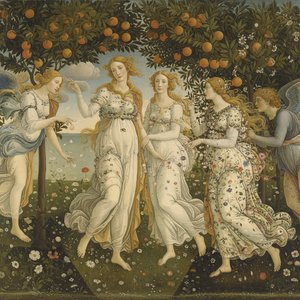
The Ethereal Beauty of Botticelli: A Journey Through the Grace and Symbolism of Italian Renaissance Masterpieces
Explore the ethereal beauty of Sandro Botticelli's masterpieces. Delve into the profound symbolism, mythological grace, and technical mastery that define the Italian Renaissance through an expert art-historical lens.

The Golden Light of Innovation: Exploring the Venetian Renaissance Art Movement (1430–1580)
Explore the Golden Age of Venetian art (1430–1580). Discover Giorgione, Titian & Tintoretto's techniques, the 'colorito' revolution, and lasting influence. Expert insights for collectors & enthusiasts.

Masterpieces of Color: The Top 25 Greatest Artworks by Titian
Explore 25 iconic Titian masterpieces of the Venetian Renaissance. Discover museum-quality art at OriginalUniqueArt.com.

Masterpieces of Color: The Top 25 Greatest Artworks by Titian
Explore 25 legendary Titian masterpieces of the Venetian Renaissance. Discover museum-quality art on OriginalUniqueArt.com.

Mastering Color and Light: The Timeless Brilliance of Titian's Venetian Masterpieces
Explore the luminous mastery of Titian. Discover how the Venetian master revolutionized color and light through breathtaking Renaissance techniques, from Venus Anadyomene to profound allegories, and learn to bring this timeless brilliance into your private collection.


