Előnézet
 Megosztás
 Megosztás
 Részletek
 Útmutató

 Letöltés
 Hasonló darabok
 X-ray felvétel
 Diavetítés
 Statisztika
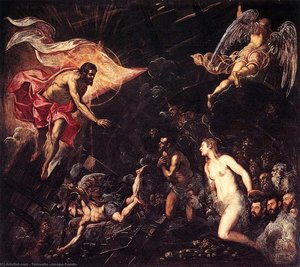
Születés Krisztusé

 Tovább olvasom
Kézzel készített olajfestmény reprodukció
Kézzel festett olajvastú vászon, az Ön által választott méretben és keretben, művészeink készítik meglévőre. ( Váltás nyomtatványra Áttérés digitális képre)




P118B $10

P118H $10

P118W $10

P438Z $10

P508JH $12

P508YH $12

P805H $10

P805Z $10

P919BZ $10

P919G $10

P919XJ $10

P959ZH $10

P968JZ $12

W106C $8

W218G $10

W218JH $8

W218Y $10

W307PJ $10

W316G $10

W316PJ $8

W316Y $10

W398PJ $8

W4111J $10

W500HY $15

W500JH $15

W692G $12

W849H $8

W940BG $15

W953PJ $8




Válasszon előre meghatározott méreteink közül, amelyek megfelelnek a műalkotás eredeti arányainak.

Ön megadhat saját méreteket egy adott kerethez vagy térhez igazításhoz. Ha a kiválasztott méret nem egyezik az eredeti kép arányával, akkor a műalkotást levágjuk, vagy további kézzel festett elemekkel meghosszabbítjuk a festményt. A gyártás megkezdése előtt küldünk Önnek egy digitális előnézetet jóváhagyásra.
Kérjük, vegye figyelembe, hogy a képernyőn megjelenő előnézet nem tükrözi a tényleges vágást vagy kiterjesztést. Csak az előnézet fog pontosan mutatni a végső kompozíciót.
Bár egyedi méretek állnak rendelkezésre, javasoljuk, hogy válasszon egy méretet az előre meghatározott listából az eredeti arányok megőrzése érdekében.
A rendelést követően a OriginalUniqueArt.com csapata e-mailt küld az ügyfélnek az instrukciókért, és biztosít egy előnézeti képet (mockup).
Világszerte elérhető szállítás () 3-4 hét alatt a szokásos 5 hét helyett. (21 szeptember). A minőség nem kérdőjelezhető.

Ingyenes globális expressz szállítás

Prémium minőségű len vászon

Teljes körű szállítási biztosítás

Vámvisszatérítési Garancia

Tökéletes színarányosság garancia

100 napos visszaküldési garancia (csak gyártási hibás termékek esetén)

100% pénzvisszatérítési garancia

Több darab vásárlásakor kedvezmény
 Az üvegkeretes opció csak 110 cm alatti méretben érhető el

Születés Krisztusé
Reprodukciós technika
Reprodukció méretei
-


Összesített ár
$ 300
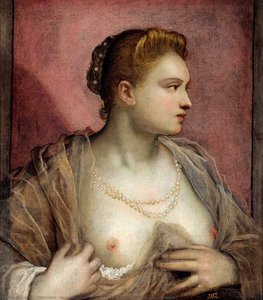
Tintoretto és Krisztus születése – Egy Érdekes Megközelítés
Jacopo Tintoretto, vagy ahogy őt gyakran nevezik „A Furioso”, egy igaz nagy alak Itália reneszánszi és korai barokk művészetében. Nem csak mert gyorsan dolgozott és bátran használt új technikákat, hanem mert képes volt egyetlen festményével megváltoztatni az építészeti látványt és érzelmeket váltani bennünk. Ez a venezeti iskola egyik legjelentősebb képző művésze volt, aki hatalmas kreativitással és egyedi stílusával hagyott nyomot a történelemben. Tintoretto életében különösen nagy figyelmet kapott az anatómiai tanulmányozás és az új fényhasználat alkalmazása miatt. Ezekkel szembehelyező módon azonban sok más művész csak egyszerűen megismerhette volna őt és alkotását.Egy Megrágaló Színvilág És Kontraszt
Tintoretto festményei nem ismernek kompromisszumot – minden egyes képet körülbelül három hónap alatt fejez ki, ami egy hatalmas időszak számunkra, de Tintoretto számára ez csak egy új kihívás volt. Az ő művészi célja nem egyszerűen az épület és táj megjelenítése volt, hanem egy teljes világ megalkotása, amely képes érzékletes élménnyé vált bennünk. Ez különösen igaz a „Krisztus születése” című alkotására, melyet Tintoretto nagy gondossággal és részletesen dolgozott ki. Együtt az ő és Matthias Stomer művésze által készített képet tekinthetjük meg, amely egy hatalmas és egyedi látványt nyújt számunkra.- A festmény színeivel foglalkozó kutatók szerint Tintoretto használta fel a fény és árnyék kontrasztját különösen ügyesen és kreatív módon.
- Tintoretto egy új technikával dolgozott, melyet „chiaroscuro” néven ismert el – ez nagyban hozzájárult az épület és táj dramatikus megjelenítéséhez.
A Szimbolizmus És Érzelmek Ünnepének Élménye
Tintoretto műve nem csak egy egyszerű képző művészi alkotás, hanem egy teljes történet és érzelmi világ megmutatására törekszik. Együtt az ő és Matthias Stomer művésze által készített képet tekinthetünk meg, amely egy hatalmas és egyedi látványt nyújt számunkra. Tintoretto nagy tudása és kreativitása pedig minden egyes festményében jelen van – legyen szó egy hatalmas épületről vagy egy kis tájról. Ez különösen igaz a „Krisztus születése” című alkotására, melyet Tintoretto nagy gondossággal és részletesen dolgozott ki. Együtt az ő és Matthias Stomer művésze által készített képet tekinthetünk meg, amely egy hatalmas és egyedi látványt nyújt számunkra. Érdemes megjegyezni: Tintoretto műve nagyban hozzájárult a barokk építészet és dekoráció fejlődéséhez, és számos ikonikus épület díszítőjének tekinthető. Egy ilyen képet otthonod dísztárgyaként választva biztosan megfogadja az érdeklődők figyelmét és szíveét.- További információkat találhatsz Tintoretto életéről és művének további alkotásairól a Wikipédia oldalán.
A művész életrajza
A Venetian Master of Drama and Light
Jacopo Tintoretto, born Jacopo Robusti in Venice around 1518, remains one of the most compelling and enigmatic figures of the High Renaissance and early Baroque periods. His very nickname, “Tintoretto” – little dyer – speaks to his family’s trade, yet it belies the immense artistry that would distinguish him from all others. Unlike many artists who benefited from structured apprenticeships, Tintoretto's path was largely self-directed, fueled by an insatiable curiosity and a relentless drive for innovation. While accounts suggest a brief and unsuccessful stint under Titian, the acknowledged master of Venetian colorism, it seems the experience proved more contentious than formative. Titian’s alleged dismissal of the young Jacopo – whether due to jealousy or artistic disagreement – spurred Tintoretto toward an independent course, one characterized by audacious experimentation and a uniquely dynamic style. He immersed himself in anatomical study, reportedly through dissection, and honed his skills by meticulously copying classical sculpture and the works of other masters. This dedication laid the foundation for a career that would redefine Venetian painting.Forging a Distinctive Style: *Il Furioso*
Tintoretto’s artistic development was marked by an almost feverish energy, earning him another evocative nickname: *Il Furioso* – “the Furious One.” This moniker wasn't merely descriptive of his working pace but also captured the intensity and emotional charge that permeated his canvases. His early works already hinted at a departure from traditional Venetian conventions. While acknowledging Titian’s influence in color, Tintoretto gravitated towards Michelangelo’s powerful figures and dramatic compositions. He synthesized these influences into something entirely new: a style characterized by elongated forms, swirling draperies, and an innovative use of perspective that often created a sense of dizzying depth and movement. He abandoned the meticulous finish favored by his contemporaries, opting instead for a rapid, almost sketch-like brushstroke that conveyed immediacy and raw emotion. This technique, combined with his masterful manipulation of light and shadow – *chiaroscuro* – allowed him to create scenes of unparalleled drama and psychological intensity. He wasn’t simply depicting events; he was conveying their emotional core. His compositions were often asymmetrical and dynamic, filled with movement and a sense of urgency—a stark contrast to the balanced, static arrangements typical of earlier Renaissance painters.Monumental Achievements: San Rocco and Beyond
Tintoretto's prodigious output spanned decades, encompassing religious narratives, historical allegories, and portraits. However, his most significant achievement lies in the cycle of paintings he created for the Scuola Grande di San Rocco, a Venetian confraternity dedicated to Saint Roch. Over a period of more than fifty years, Tintoretto adorned the Scuola’s halls with over sixty canvases, transforming it into a breathtaking visual testament to faith and human experience. Works like “The Last Supper,” completed late in his life, demonstrate his continued experimentation with perspective and composition. Departing from traditional depictions, Tintoretto placed the scene in a dramatically lit, architecturally unstable space, emphasizing the emotional turmoil of Christ’s final meal with his disciples. Other notable works include “The Miracle of St Mark Freeing the Slave,” a powerful display of dynamic composition and foreshortening, and numerous paintings for Venetian churches and palaces that showcase his mastery of scale and narrative storytelling. These monumental projects cemented Tintoretto's reputation as one of Venice’s most important artists. He was not merely a painter; he was a visual storyteller who understood how to harness the power of art to evoke emotion and inspire awe.Influences and Artistic Connections
Tintoretto’s artistic journey reveals a complex interplay of influences. While deeply indebted to Titian's coloristic mastery, he also drew inspiration from Michelangelo’s dynamism and classical sculpture. The influence of Leonardo da Vinci is also evident in his meticulous anatomical studies and innovative use of perspective. However, Tintoretto was not simply imitating these masters; he was transforming their ideas into something uniquely his own. He actively sought out knowledge beyond the traditional art academies, studying anatomy through dissection – a practice considered controversial at the time – and immersing himself in classical literature and philosophy. His workshop became a hub for young artists eager to learn from his unconventional methods. His relationship with Paolo Veronese was particularly significant; they collaborated on several projects, exchanging ideas and techniques that further enriched Tintoretto’s artistic vocabulary.Legacy and Historical Significance
Jacopo Tintoretto died in Venice in 1594, leaving behind a vast and influential body of work. He bridged the gap between the High Renaissance and the Baroque period, anticipating many of the stylistic innovations that would define the latter. His dramatic compositions, expressive brushwork, and innovative use of light and shadow profoundly influenced artists such as Caravaggio, Rembrandt, and Delacroix. He wasn’t merely a painter; he was a visual storyteller who understood how to harness the power of art to evoke emotion and inspire awe. As one of the three great Venetian painters of the 16th century – alongside Titian and Paolo Veronese – Tintoretto played a crucial role in shaping the artistic landscape of Venice during its golden age. His work reflects not only the religious fervor and political tensions of his time but also a uniquely personal vision that continues to resonate with audiences today, solidifying his place as one of history’s most important and captivating artists. His legacy is a testament to the enduring power of artistic innovation and the transformative potential of human creativity.
Tintoretto
1518 - 1594 , Olaszország
Gyors információk
- Artistic Movement Or Style: Reneszánszi, Mannerista
- Artists Or Movements Influenced By This Artist:
- Caravaggio
- Barokk
- Artists Who Influenced This Artist:
- Tiziano
- Michelangelo
- Date Of Birth: 1518
- Date Of Death: 1594
- Full Name: Jacopo Robusti
- Nationality: Olasz
- Notable Artworks:
- San Marco csodája
- Utolsó vacsora
- Place Of Birth: Velence, Olaszország
Kapcsolódó cikkek
A Prado Győzelmei: 25 Mestermű, Amelyek Inspirálnak – Vászonképek és Otthoni Dekorációk
Fedezze fel a Prado múzeum 25 legikonikusabb műalkotását! Velázquez, Goya, El Greco és más spanyol mesterek történeteit olvassa el. Vászonképek, barokk festmények, luxus otthoni dekorációk – inspirálódjon OriginalUniqueArt.com-on!

Venetian Renaissance: The Mastery of Color, Light, and the Art of Colorito
Explore the luminous mastery of the Venetian Renaissance. Discover how masters like Titian and Giorgione revolutionized art through colorito, light, and atmosphere. An expert guide to the golden age of Italian painting for collectors and enthusiasts.

Jacopo Palma il Giovane: A Venetian Master's Poetic Evolution
Explore the captivating world of Jacopo Palma il Giovane, a pivotal Venetian Renaissance master. Discover his unique style, influenced by Titian & Tintoretto, and learn about key works perfect for discerning collectors.

A Barokk Mesterek 10 Legikonikusabb Remekműve – OriginalUniqueArt.com
Fedezze fel a barokk művészet 10 legpártosabb remekművét! Caravaggio, Rembrandt és Vermeer alkotásainak története – OriginalUniqueArt.com kínálatában exkluzív reprodukciók és inspiráló dekorációs ötletek várják Önt. Nézze meg most!
Jacopo Tintoretto 25 Mesterműve: A Velencei Dráma és Fény Világa | OriginalUniqueArt
Fedezze fel Jacopo Tintoretto 25 legpárásabb műalkotását! A velencei reneszánsz drámája és a barokk fények világa. Vásároljon luxus minőségű reprodukciókat, inspirálja otthonát OriginalUniqueArt-on. Explore the full collection online!