Előnézet
 Megosztás
 Megosztás
 Részletek
 Útmutató

 Letöltés
 Hasonló darabok
 X-ray felvétel
 Diavetítés
 Statisztika
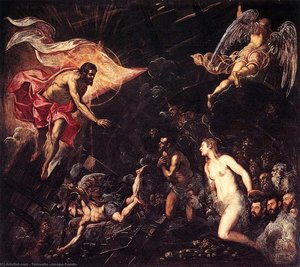
Jonás kiszippantó
 Akril vászonon
- Falfeliratok és faldekoráció
- Baroque Dramatic Light
 1577
1577 265.0 x 370.0 cm
 Scuola Grande di San Rocco
 Tovább olvasom
Giclée / Műnyomat
Múzeumi minőségű giclée vagy vászonnyomat, gyors gyártással és rugalmas finomítási lehetőségekkel. ( Kézzel festett másolat vásárlása Áttérés digitális képre)




P118B Ft10

P118H Ft10

P118W Ft10

P438Z Ft10

P508JH Ft12

P508YH Ft12

P805H Ft10

P805Z Ft10

P919BZ Ft10

P919G Ft10

P919XJ Ft10

P959ZH Ft10

P968JZ Ft12

W106C Ft8

W218G Ft10

W218JH Ft8

W218Y Ft10

W307PJ Ft10

W316G Ft10

W316PJ Ft8

W316Y Ft10

W398PJ Ft8

W4111J Ft10

W500HY Ft15

W500JH Ft15

W692G Ft12

W849H Ft8

W940BG Ft15

W953PJ Ft8




Válasszon előre meghatározott méreteink közül, amelyek megfelelnek a műalkotás eredeti arányainak.

Írja be a keretének vagy a falának megfelelő szélességet és magasságot. A nyomatot csak le lehet vágni, soha nem tehető nagyobbá, mint az eredeti kép, így egy eltérő alakú méretnél a kép egy része elveszik. Mielőtt bármit kinyatintanánk, küldünk egy digitális próbamodellt jóváhagyásra. Az oldalon látható kép nem tartalmazza a valós levágást — ezt csak a próbamodell mutatja meg.
Világszerte történő kiszállítás területére mindössze 2 hét alatt, a szokásos 4-5 hét helyett. (23 október)

Ingyenes globális expressz szállítás

Prémium minőségű len vászon

Teljes körű szállítási biztosítás

Vámvisszatérítési Garancia

Tökéletes színarányosság garancia

100 napos visszaküldési garancia (csak gyártási hibás termékek esetén)

100% pénzvisszatérítési garancia

Több darab vásárlásakor kedvezmény
 Az üvegkeretes opció csak 110 cm alatti méretben érhető el

Jonás kiszippantó
Giclée / Műnyomat
Reprodukció méretei
-


Összesített ár
Ft 25718
A Velenczei Építő Bölcsességének Megköszönése: Jacopo Tintoretto Egyetemese És Dramatikája
Tintoretto, vagy rövidebben Jacopo Robusti, született körülbelül 1518-ban Velencében, egy igazán különleges és néha zavaró művészi figura maradt a nagy reneszánszt követő és korai barokk korszakában. Születési neve nem csak egy egyszerű név jelzi az ő családja foglalkozását – „Tintoretto” szó szerint jelent „kék tintához való”, ami ellentétben áll sok más művész tapasztalataival, akik strukturált ösztöndíjjal rendelkeztek. Tintoretto útja nagyban önálló volt, melyet egy végigjáró kíváncsiság és szigorú kreativitás vezérebett – ez utóbbi különösen fontos szerepet játszott az ő művészi életében. Titian, aki akkoriban Velencében ismert színészként és fényhasználatában kiváló volt, még csak egy rövid időre tartó együttműködésével rendelkezett vele, mely kapcsolat vitatott jellegű lehetett. Titian elutasítása fiatal Jacopo előtt – legyen szó szomorúságból vagy művészi nézeteltolódásról – tovább ösztönözte Tintoretto egy új irányba való törekvést, amely merész kísérletezéssel és egy egyedi dinamikus stílus jellemzője volt. Mélyen elmélyült az anatómiai tanulmányozásban, és ezt hasznosította műalkotáshoz.- Születési hely és időszak: Velence, Itália – nagy reneszánszt követő és korai barokk korszak
- Stílus: Tintoretto egyedi stílusa a fényhasználat és az építő bölcsesség kombinációja jelzi. Ez különösen igaz az ő műalkotáshoz.
- Technika: Tintoretto technikája nagy hangsúlyt helyezett elmélyült anatómiai tanulmányozásra és részletes előkészületekre, melyeket pedig egy gyors és dinamikus festési módszerrel alkalmazott.
- Szimbolizmus: Jóhánás története alapvető vallási jelentéssel rendelkezik, mely az Egyház közös hagyományában fontos szerepet tölt el.
- Érzelmi hatás: Tintoretto műve képes megköszönni Titian nagy tudását és kreativitását.
Gyakran Ismételt Kérdések
A „Jonás kiszippantó”, Tintoretto alkotása portré, tájékép vagy négyzet alakú kompozíció?
A „Jonás kiszippantó”, Tintoretto alkotása Fenyőképi formátumú alkotás. A formátum a kompozíció arányait határozza meg.
Hogyan szerezhető be „Jonás kiszippantó”, Tintoretto alkotása digitális fájlja?
A „Jonás kiszippantó”, Tintoretto alkotása digitális képe megvásárolható a következő oldalon: Digitális kép: magas felbontású digitális kép letöltés.
Hol vásárolható „Jonás kiszippantó”, Tintoretto alkotása képmű kézzel festett másolata?
A "Jonás kiszippantó" kézzel festett olajfesték reprodukció lino vászonon formátumban is elérhető. A rendelés a Kézzel festett másolat oldalon adható le, különböző méretválasztékban.
A művész életrajza
A Venetian Master of Drama and Light
Jacopo Tintoretto, born Jacopo Robusti in Venice around 1518, remains one of the most compelling and enigmatic figures of the High Renaissance and early Baroque periods. His very nickname, “Tintoretto” – little dyer – speaks to his family’s trade, yet it belies the immense artistry that would distinguish him from all others. Unlike many artists who benefited from structured apprenticeships, Tintoretto's path was largely self-directed, fueled by an insatiable curiosity and a relentless drive for innovation. While accounts suggest a brief and unsuccessful stint under Titian, the acknowledged master of Venetian colorism, it seems the experience proved more contentious than formative. Titian’s alleged dismissal of the young Jacopo – whether due to jealousy or artistic disagreement – spurred Tintoretto toward an independent course, one characterized by audacious experimentation and a uniquely dynamic style. He immersed himself in anatomical study, reportedly through dissection, and honed his skills by meticulously copying classical sculpture and the works of other masters. This dedication laid the foundation for a career that would redefine Venetian painting.Forging a Distinctive Style: *Il Furioso*
Tintoretto’s artistic development was marked by an almost feverish energy, earning him another evocative nickname: *Il Furioso* – “the Furious One.” This moniker wasn't merely descriptive of his working pace but also captured the intensity and emotional charge that permeated his canvases. His early works already hinted at a departure from traditional Venetian conventions. While acknowledging Titian’s influence in color, Tintoretto gravitated towards Michelangelo’s powerful figures and dramatic compositions. He synthesized these influences into something entirely new: a style characterized by elongated forms, swirling draperies, and an innovative use of perspective that often created a sense of dizzying depth and movement. He abandoned the meticulous finish favored by his contemporaries, opting instead for a rapid, almost sketch-like brushstroke that conveyed immediacy and raw emotion. This technique, combined with his masterful manipulation of light and shadow – *chiaroscuro* – allowed him to create scenes of unparalleled drama and psychological intensity. He wasn’t simply depicting events; he was conveying their emotional core. His compositions were often asymmetrical and dynamic, filled with movement and a sense of urgency—a stark contrast to the balanced, static arrangements typical of earlier Renaissance painters.Monumental Achievements: San Rocco and Beyond
Tintoretto's prodigious output spanned decades, encompassing religious narratives, historical allegories, and portraits. However, his most significant achievement lies in the cycle of paintings he created for the Scuola Grande di San Rocco, a Venetian confraternity dedicated to Saint Roch. Over a period of more than fifty years, Tintoretto adorned the Scuola’s halls with over sixty canvases, transforming it into a breathtaking visual testament to faith and human experience. Works like “The Last Supper,” completed late in his life, demonstrate his continued experimentation with perspective and composition. Departing from traditional depictions, Tintoretto placed the scene in a dramatically lit, architecturally unstable space, emphasizing the emotional turmoil of Christ’s final meal with his disciples. Other notable works include “The Miracle of St Mark Freeing the Slave,” a powerful display of dynamic composition and foreshortening, and numerous paintings for Venetian churches and palaces that showcase his mastery of scale and narrative storytelling. These monumental projects cemented Tintoretto's reputation as one of Venice’s most important artists. He was not merely a painter; he was a visual storyteller who understood how to harness the power of art to evoke emotion and inspire awe.Influences and Artistic Connections
Tintoretto’s artistic journey reveals a complex interplay of influences. While deeply indebted to Titian's coloristic mastery, he also drew inspiration from Michelangelo’s dynamism and classical sculpture. The influence of Leonardo da Vinci is also evident in his meticulous anatomical studies and innovative use of perspective. However, Tintoretto was not simply imitating these masters; he was transforming their ideas into something uniquely his own. He actively sought out knowledge beyond the traditional art academies, studying anatomy through dissection – a practice considered controversial at the time – and immersing himself in classical literature and philosophy. His workshop became a hub for young artists eager to learn from his unconventional methods. His relationship with Paolo Veronese was particularly significant; they collaborated on several projects, exchanging ideas and techniques that further enriched Tintoretto’s artistic vocabulary.Legacy and Historical Significance
Jacopo Tintoretto died in Venice in 1594, leaving behind a vast and influential body of work. He bridged the gap between the High Renaissance and the Baroque period, anticipating many of the stylistic innovations that would define the latter. His dramatic compositions, expressive brushwork, and innovative use of light and shadow profoundly influenced artists such as Caravaggio, Rembrandt, and Delacroix. He wasn’t merely a painter; he was a visual storyteller who understood how to harness the power of art to evoke emotion and inspire awe. As one of the three great Venetian painters of the 16th century – alongside Titian and Paolo Veronese – Tintoretto played a crucial role in shaping the artistic landscape of Venice during its golden age. His work reflects not only the religious fervor and political tensions of his time but also a uniquely personal vision that continues to resonate with audiences today, solidifying his place as one of history’s most important and captivating artists. His legacy is a testament to the enduring power of artistic innovation and the transformative potential of human creativity.
Tintoretto
1518 - 1594 , Olaszország
Gyors információk
- Artistic Movement Or Style: Reneszánszi, Mannerista
- Artists Or Movements Influenced By This Artist:
- Caravaggio
- Barokk
- Artists Who Influenced This Artist:
- Tiziano
- Michelangelo
- Date Of Birth: 1518
- Date Of Death: 1594
- Full Name: Jacopo Robusti
- Nationality: Olasz
- Notable Artworks:
- San Marco csodája
- Utolsó vacsora
- Place Of Birth: Velence, Olaszország
Kapcsolódó cikkek

Jacopo Tintoretto 25 Mesterműve: A Velencei Dráma és Fény Világa | OriginalUniqueArt
Fedezze fel Jacopo Tintoretto 25 legpárásabb műalkotását! A velencei reneszánsz drámája és a barokk fények világa. Vásároljon luxus minőségű reprodukciókat, inspirálja otthonát OriginalUniqueArt-on. Explore the full collection online!

Dante Gabriel Rossetti 25 Mesterműve: Szépség és Lelkiség a Vásznon – OriginalUniqueArt
Fedezze fel Dante Gabriel Rossetti 25 legszebb művészeti alkotását! Ismerje meg a prerafaeliták titkait, a viktoriánus festészet szépségét és a romantikus szimbolizmus mélységeit. Prémium minőségű art reprodukciók a OriginalUniqueArt-on – inspiráció otthonába!
Botticelli Mesterművek: A 25 Leglenyűgözőbb Kép a Reneszánsz Gyöngyszemeiből | OriginalUniqueArt
Fedezze fel Sandro Botticelli 25 legpazarabb műalkotását! Merüljön el a reneszánsz festészet világában, ismerje meg a Primavera és Vénusz születése történetét. Museum-minőségű reprodukciók és inspiráló dekorációs ötletek a OriginalUniqueArt.com oldalon.

Katsushika Hokusai 25 Mesterműve: A Japán Art Élmény, Otthonodban – OriginalUniqueArt
Fedezze fel Katsushika Hokusai 25 legikonikusabb műalkotását! Merüljön el a japán ukiyo-e világában, ismerje meg a 'Nagy Hullám' történetét és más remekműveket. Museum minőségű reprodukciók otthonába – OriginalUniqueArt.com.

El Greco 25 Mesterműve: A Spanyol Reneszánsz Legkiemelkedőbb Alkotásai – OriginalUniqueArt.com
Fedezze fel El Greco 25 leglenyűgözőbb művészeti alkotását! Ismerje meg a spanyol reneszánsz és manierizmus mesterét, festményeinek történetét és spirituális mélységét. Luxus reprodukciók – OriginalUniqueArt.com.