
 Megosztás
 Megosztás
 Részletek
 Útmutató

 Letöltés
 Hasonló darabok
 Diavetítés
 Statisztika
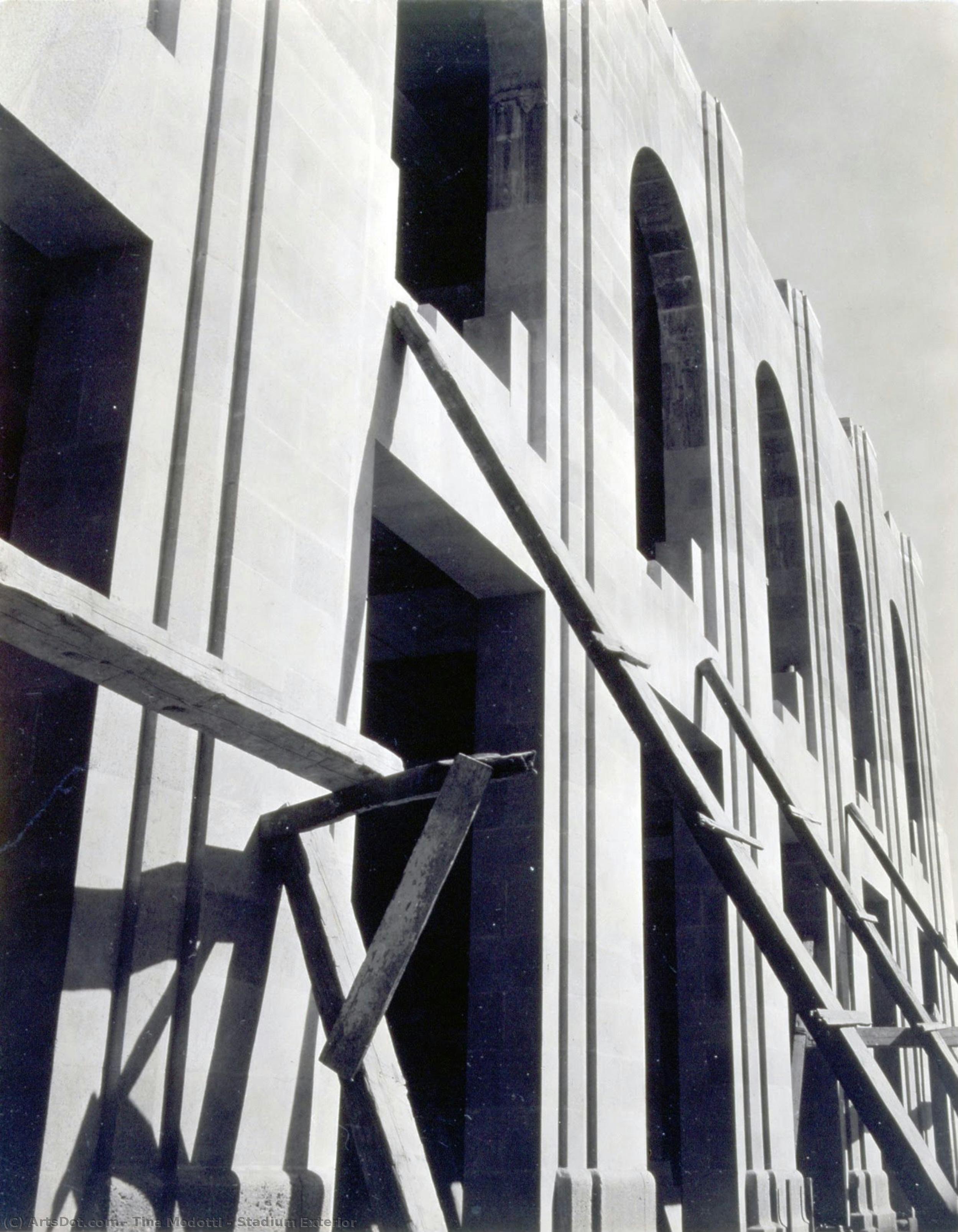
Stadium Exterior
 Digital Photography
- Photo
- Modernist Documentary Photography
 1927
1927- 19th Century
 24.0 x 18.0 cm
 Nagoya City Art Museum
 Tovább olvasom
Giclée / Műnyomat
Múzeumi minőségű giclée vagy vászonnyomat, gyors gyártással és rugalmas finomítási lehetőségekkel. ( Kézzel festett másolat vásárlása Áttérés digitális képre)




































Válasszon előre meghatározott méreteink közül, amelyek megfelelnek a műalkotás eredeti arányainak.

Megadhat saját méreteket is egy konkrét kerethez vagy helyszínhez igazítva. Amennyiben a kiválasztott méret nem egyezik az eredeti kép arányokkal, a műalkotást le fogjuk vágni, vagy kiegészítjük a képet tükrözött vagy egyszínű szélekkel. A gyártás megkezdése előtt egy digitális tervezetet küldünk jóváhagyásra.
Kérjük, vegye figyelembe, hogy a képernyőn látható előnézet nem tükrözi a tényleges levágást vagy kiegészítést. Csak a tervezet mutatja pontosan a végső kompozíciót.
Bár az egyedi méretek is elérhetőek, az eredeti arányok megőrzése érdekében azt javasoljuk, hogy válasszon a előre meghatározott listából származó méretet.
Világszerte történő kiszállítás területére mindössze 2 hét alatt, a szokásos 4-5 hét helyett. (26 szeptember)

Ingyenes globális expressz szállítás

Prémium minőségű len vászon

Teljes körű szállítási biztosítás

Vámvisszatérítési Garancia

Tökéletes színarányosság garancia

100 napos visszaküldési garancia (csak gyártási hibás termékek esetén)

100% pénzvisszatérítési garancia

Több darab vásárlásakor kedvezmény
 Az üvegkeretes opció csak 110 cm alatti méretben érhető el

Stadium Exterior
Giclée / Műnyomat
Reprodukció méretei
-


Összesített ár
$ 80
Stadium Exterior by Tina Modotti: A Testament to Ambition and Transient Form
Tina Modotti’s “Stadium Exterior,” captured in 1927, is more than just a photograph of an under-construction stadium; it's a powerful meditation on human ambition, the relentless march of progress, and the inherent ephemerality of monumental structures. Executed in stark black and white, this image reveals Modotti’s masterful command of documentary photography and her keen eye for capturing not just visual details but also deeper symbolic resonances. The photograph speaks to a pivotal moment in Mexican history – a period of rapid modernization and social upheaval – reflecting Modotti's own engagement with the political landscape through her artistic practice.
- Architectural Precision & Modernist Style: The composition is dominated by vertical lines, meticulously rendered to emphasize the scale and imposing nature of the stadium. This reflects the burgeoning modernist aesthetic of the era, prioritizing geometric forms and a clear, rational approach to design – qualities evident in the clean lines of the scaffolding and the monumental arches.
- Raw Texture & Documentary Intent: Modotti’s deliberate use of texture is crucial. The rough brickwork, the weathered wood of the support beams, and the exposed metal of the scaffolding aren't merely accidental details; they are integral to the photograph’s narrative. They ground the image in a tangible reality, highlighting the strenuous labor involved in construction and conveying a sense of immediacy characteristic of documentary photography.
- A Low-Angle Perspective: The low-angle perspective dramatically alters our perception of the stadium, transforming it from a distant structure into an overwhelming presence. This technique amplifies its grandeur, creating a feeling of awe and perhaps even unease – mirroring the potential disruption caused by large-scale development projects.
The Context: Modotti’s Life & Political Engagement
Understanding “Stadium Exterior” requires acknowledging Tina Modotti's extraordinary life. Born in 1896 in Udine, Italy, she experienced firsthand the hardships of migrant labor before emigrating to San Francisco with her family. This early exposure to social inequality fueled her later political activism and informed her artistic choices. Her collaboration with Edward Weston in Mexico led to a significant shift in her photographic focus – moving beyond purely aesthetic concerns to document social realities and engage with revolutionary movements. The 1927 date is particularly important, coinciding with Modotti’s active involvement in the Communist Party of Mexico and her subsequent arrest following the failed assassination attempt on President Pascual Ortiz Rubio.
Symbolism & Emotional Resonance
The image resonates deeply with themes of progress versus destruction. The unfinished stadium represents a bold aspiration – a symbol of national pride and modernization – yet its very state of construction suggests fragility and impermanence. This duality is powerfully conveyed through the interplay of light and shadow, highlighting both the potential for greatness and the inevitable decay that accompanies human endeavors. Modotti’s work consistently sought to expose the tensions between these forces, reflecting a deeply critical perspective on power structures and social change.
Technical Details & Reproduction
This 24 x 18 cm print captures every nuance of Modotti's original vision. Executed with meticulous attention to detail – from the precise framing to the careful control of exposure – it exemplifies the technical skill that defined her work. OriginalUniqueArt offers a hand-painted reproduction of “Stadium Exterior” using archival quality materials, ensuring exceptional color fidelity and lasting beauty. This is more than just a print; it’s a faithful recreation of a seminal work by one of photography's most insightful chroniclers of the 20th century.
A művész életrajza
A Life Forged in Light and Revolution
Assunta Adelaide Luigia Modotti Mondini, a name forever intertwined with the spirit of revolution and artistic innovation, was a figure whose life mirrored the turbulent currents of the 20th century. Born in Udine, Italy, in 1896, her early years were far from idyllic; she experienced the hardships of migrant labor alongside her family as they navigated the economic realities of post-war Europe, moving between Italy and Austria seeking work. This itinerant upbringing instilled within her a profound empathy for social disparities—a seed that would blossom into an unwavering commitment to justice and a powerful voice for the marginalized. Even at a young age, she was exposed to the world of photography through her uncle Pietro Modotti’s studio, an experience that ignited a quiet passion, a fascination with capturing moments and revealing truths, which would ultimately define much of her creative journey. In 1913, at just sixteen years old, Tina bravely embarked on a new chapter, emigrating to San Francisco, California, alongside her father and sister Mercedes, seeking opportunity in a burgeoning American landscape. This move wasn’t merely a geographical shift; it represented the beginning of a lifelong exploration of identity, purpose, and the transformative power of art.From Stage Lights to Photographic Shadows
San Francisco quickly became Tina Modotti's initial proving ground for artistic expression. She plunged headfirst into the vibrant performing arts scene, captivating audiences with her appearances in plays, operas, and even early silent films. This foray into acting honed her innate understanding of visual storytelling—how to command attention, convey emotion through gesture and expression, and craft a compelling persona. It was during this period that she met Roubaix “Robo” de l'Abrie Richey, an artist and poet whose shared creative sensibilities ignited a passionate romance. Their combined artistic vision led them to Los Angeles, where Tina continued to pursue acting while simultaneously dedicating herself to formal studies in photography under the tutelage of Edward Weston and Margrethe Mather. Weston’s influence was particularly profound; he instilled within her a rigorous dedication to sharp focus, precise composition, and an appreciation for the inherent beauty found in form—a philosophy that would become central to her photographic style. However, Modotti's artistic journey wasn't simply about absorbing techniques; she possessed an innate vision, a unique ability to imbue her images with meaning and social commentary. The tragic loss of Robo and her father in 1922 proved a pivotal moment, prompting a move with Weston to Mexico City—a decision that would irrevocably alter the course of her life and artistic expression.Mexico: A Crucible of Art and Activism
Mexico City became more than just a new home for Tina Modotti; it was a crucible where her artistic talent fused with an unwavering commitment to political activism. Immersing herself in Mexican culture, she quickly aligned herself with the burgeoning Communist movement and joined International Red Aid, dedicating herself tirelessly to the cause of social justice. This passionate engagement profoundly shaped her photographic work, shifting its focus from purely aesthetic considerations to a powerful form of documentary realism—a means of bearing witness to the struggles of ordinary people. She began documenting the lives of workers, peasants, indigenous communities, and the burgeoning murals of artists like Diego Rivera and José Clemente Orozco, capturing their resilience, dignity, and the complexities of Mexican society undergoing profound transformation. Her photographs weren’t merely observations; they were deliberate statements—visual manifestos advocating for change and challenging existing power structures. Modotti's style during this period was characterized by its stark clarity, dramatic lighting, and an unflinching gaze that confronted viewers with the realities of poverty, exploitation, and social inequality. She embraced a bold aesthetic, often utilizing black-and-white photography to amplify the emotional impact of her subjects.Key Works & Influence
Tina Modotti’s artistic legacy extends far beyond the striking beauty of her photographs; it lies in her ability to seamlessly blend modernist aesthetics with documentary realism and social commentary. Her portraits weren't simply likenesses; they were intimate explorations of character, revealing the strength, vulnerability, and humanity of her subjects—often those most marginalized by society. Notable works include:- Peasant Rally with Backs (1928): A powerful depiction of collective identity during wartime, showcasing Modotti’s mastery of composition and grayscale tones to convey a sense of both unity and underlying tension.
- Mother and Child, Tehuantepec, Oaxaca, Mexico (c. 1929): An intimate portrait capturing the tenderness and strength of motherhood within a specific cultural context—a testament to her ability to capture authentic human emotion.
- Roses, Mexico (c. 1925-1930): A striking close-up study of roses, demonstrating Modotti’s ability to find beauty and symbolism in the mundane, elevating an everyday subject to a profound meditation on life and mortality.
- Woman of Tehuantepec (1929): An iconic image celebrating the traditional dress and cultural identity of women from Tehuantepec, Oaxaca—a powerful assertion of female strength and resilience.
A Legacy of Vision and Commitment
Tina Modotti’s untimely death in Mexico City in 1942, under circumstances shrouded in mystery—widely believed to be the result of poisoning—cut short a promising career but could not diminish the power or enduring relevance of her vision. Her photographs continue to resonate today, reminding us of the importance of bearing witness, challenging injustice, and using art as a force for positive change. She remains an iconic figure in the history of photography, a testament to the transformative potential of artistic expression when coupled with unwavering commitment to social justice.
Tina Modotti
1896 - 1942 , Olaszország
Gyors információk
- Artistic Movement Or Style: Társadalmi realizmus, Modernista
- Artists Or Movements Influenced By This Artist: ['Manuel Álvarez Bravo']
- Artists Who Influenced This Artist: ['Edward Weston']
- Date Of Birth: Aug 16/17, 1896
- Date Of Death: Jan 5, 1942
- Full Name: Tina Modotti
- Nationality: Olasz-amerikai
- Notable Artworks:
- Peasant Rally
- Anyaság
- Virágok
- Place Of Birth: Udine, Olaszország
Kapcsolódó cikkek

Beyond the Lens: Photography's Enduring Influence on Modern & Contemporary Art
Explore photography's pivotal role in shaping modern & contemporary art. Discover key movements, influential artists like Stieglitz, and expert collecting advice from OriginalUniqueArt.
Beyond Color: The Timeless Power and Artistry of Black and White Photography
Explore the profound artistry of black and white photography. From the chemistry of gelatin silver to the chiaroscuro of the Old Masters, discover how monochrome captures the eternal essence of light, form, and emotion for the discerning art collector.
Timeless Shadows: The Artistry, History, and Emotional Resonance of Black and White Photography
Explore the profound artistry of black and white photography. From historical mastery to the interplay of light and shadow, discover how monochrome captures timeless emotion and form through a sophisticated lens of art history.

A Fekete Szín Mesterei: 10 Híres Festmény, Amelyek Elvarázsolnak – OriginalUniqueArt.com
Fedezze fel a 10 leghíresebb, fekete tónusú festményt! Rembrandt, Goya és Manet remekművei elvarázsolják. Művészettörténet, inspiráció otthonába – OriginalUniqueArt.com kínálatából. Fedezze fel a teljes gyűjteményt online!

Monochrome Visions: Exploring the Aesthetic & Historical Significance of Black & White Photography
Explore the rich history & artistic power of black and white photography. From early techniques to iconic masters like Ansel Adams, discover why monochrome continues to captivate art lovers today. Expert insights for collectors.
