
 Megtekintés
 Küldés
 Megosztás
 Részletek
 Útmutató

 Letöltés
 Hasonló darabok
 X-ray felvétel
 Diavetítés
 Kérdések és válaszok
 Statisztika
Standing Figure with Outstretched Arm


 Összes részlet megjelenítése
Giclée / Műnyomat
Múzeumi minőségű giclée vagy vászonnyomat, gyors gyártással és rugalmas finomítási lehetőségekkel. ( Kézzel festett másolat rendelése Áttérés digitális képre)




P118B Ft10

P118H Ft10

P118W Ft10

P438Z Ft10

P508JH Ft12

P508YH Ft12

P805H Ft10

P805Z Ft10

P919BZ Ft10

P919G Ft10

P919XJ Ft10

P959ZH Ft10

P968JZ Ft12

W106C Ft8

W218G Ft10

W218JH Ft8

W218Y Ft10

W307PJ Ft10

W316G Ft10

W316PJ Ft8

W316Y Ft10

W398PJ Ft8

W4111J Ft10

W500HY Ft15

W500JH Ft15

W692G Ft12

W849H Ft8

W940BG Ft15

W953PJ Ft8




Válasszon előre meghatározott méreteink közül, amelyek megfelelnek a műalkotás eredeti arányainak.

Írja be a keretének vagy a falának megfelelő szélességet és magasságot. A nyomatot csak le lehet vágni, soha nem tehető nagyobbá, mint az eredeti kép, így egy eltérő alakú méretnél a kép egy része elveszik. Mielőtt bármit kinyatintanánk, küldünk egy digitális próbamodellt jóváhagyásra. Az oldalon látható kép nem tartalmazza a valós levágást — ezt csak a próbamodell mutatja meg.
Világszerte történő kiszállítás területére mindössze 2 hét alatt, a szokásos 4-5 hét helyett. (7 november)

Ingyenes globális expressz szállítás

Prémium minőségű len vászon

Teljes körű szállítási biztosítás

Vámvisszatérítési Garancia

Hiteles színarányosság garancia

100 napos visszaküldési lehetőség (csak hibás termékek esetén)

100% pénzvisszatérítési garancia

Több darab vásárlásakor kedvezmény
 Az üvegkeretes opció csak 110 cm alatti méretben érhető el

Standing Figure with Outstretched Arm
Giclée / Műnyomat
Reprodukció mérete
-


Összesített ár
Ft 26460
Standing Figure with Outstretched Arm - A Study in Quiet Elegance
Thomas Wilmer Dewing’s “Standing Figure with Outstretched Arm” embodies the spirit of American Aestheticism—a movement that championed beauty, imagination, and refined sensibilities. Painted around 1909, this pastel on toned paper captures a woman draped in white linen, her posture conveying both serenity and subtle yearning. The artist meticulously rendered the figure’s form using tonalist techniques, prioritizing atmospheric light and subdued color palettes to evoke an emotional resonance far surpassing mere representation.The Artist's Vision: Dewing and Tonalism
Thomas Wilmer Dewing (1851-1938) emerged as a pivotal voice in the burgeoning American art scene during the late nineteenth century. Influenced by Impressionist ideals yet firmly rooted in English Romantic tradition, Dewing developed his distinctive tonalist style—characterized by hazy backgrounds and muted hues—to depict idealized subjects with profound psychological depth. He sought to capture not just outward appearance but also inner emotion, mirroring a broader cultural preoccupation with introspection and spiritual contemplation. His meticulous attention to detail and masterful manipulation of light solidified his reputation as one of the foremost portraitists of his era.Composition and Technique: Embracing Atmospheric Illusion
Dewing’s compositional choices are deliberately understated. The woman occupies the central space of the canvas, positioned in profile—a pose favored by Dewing—suggesting a contemplative gaze directed off to the left. Her body is rendered with delicate gradations of color, creating an illusion of volume and texture that subtly emphasizes her form without resorting to harsh outlines. The pastel medium itself lends itself beautifully to capturing ethereal effects, allowing for nuanced tonal variations that imbue the image with a palpable sense of atmosphere. Notably, Dewing’s use of muted sepia tones contributes to the painting's timeless quality, transporting viewers back to an era defined by refined taste and artistic idealism.Symbolism: Beyond Mere Appearance
The outstretched arm—a gesture simultaneously vulnerable and assertive—holds significant symbolic weight. It speaks to a desire for connection, perhaps representing longing or reaching out towards something unseen. Coupled with the woman’s serene expression and draped attire, the image evokes themes of grace, purity, and inner peace – values central to Aesthetic ideals. The pale luminescence surrounding her figure reinforces this impression, suggesting an otherworldly beauty that transcends the physical realm. Dewing skillfully conveys these concepts through visual cues alone, elevating the portrait beyond a simple likeness into a meditation on human emotion and spiritual aspiration.Legacy and Influence: An Impressionist Echo
“Standing Figure with Outstretched Arm” stands as a testament to Dewing’s mastery of tonalist painting and his unwavering commitment to capturing the essence of his subjects. Its quiet elegance and evocative atmosphere continue to inspire artists and collectors alike, demonstrating the enduring power of Impressionistic principles applied to portraiture. The painting resides at Huntington Museum of Art (Accession Number: 1967.1.170), where it remains a treasured exemplar of American artistic heritage—a poignant reminder of a bygone era’s pursuit of beauty and contemplative reflection.Kérdések és válaszok
Milyen helyiségbe javasolt a „Standing Figure with Outstretched Arm”, Thomas Wilmer Dewing alkotása?
A „Standing Figure with Outstretched Arm”, Thomas Wilmer Dewing alkotása számára a javasolt helyszín egy Living Room. Természetesen ez az ajánlás az Ön belső terehez is igazítható.
Milyen színintenzitással rendelkezik a „Standing Figure with Outstretched Arm”, Thomas Wilmer Dewing alkotása?
A "Standing Figure with Outstretched Arm" színtelítettsége Balanced. Az intenzitás azt mutatja meg, mennyire erőteljesnek tűnnek a színek.
Van-e útmutató a(z) „Standing Figure with Outstretched Arm”, Thomas Wilmer Dewing alkotása alkotáshoz?
A „Standing Figure with Outstretched Arm”, Thomas Wilmer Dewing alkotása alkotáshoz elérhető egy Útmutató oldal: ez egy kinyomtatható információs lap a műről, amelyet diákok számára és tantervhez készült használatra terveztek.
A művész életrajza
Korai Élet és Képzőművészeti Tanulmányok
Thomas Wilmer Dewing, az amerikai festészet egyik legérdekesebb képviselője 1851. május 4-én született Bostonban, Massachusetts államban. Mielőtt a vászonra vetette volna magát, litográfusként kezdte pályafutását, ami kétségkívül hozzájárult a részletek iránti különleges érzékének kialakulásához. Azonban Dewing ambíciói messzebbre mutattak; 1887-ben Párizsba utazott, és beiratkozott a rangos Académie Julianba, ahol Gustave Boulanger és Jules Lefebvre mesterek irányítása alatt képezte magát. Ez az időszak jelentős mértékben befolyásolta művészeti stílusának formálódását, különösen a finom tónusok használatában és a klasszikus kompozíciók iránti vonzalmában. Párizsi tanulmányai nem csupán technikai tudást nyújtottak neki, hanem megnyitották az európai művészeti áramlatok világát is, amelyek később fontos szerepet játszottak saját egyedi stílusa kialakításában.Tonalizmus és Éteri Portrék
Dewing festészete a tonalizmus jegyeiben íródott, egy olyan művészeti irányzatban, amely mélyen gyökerezett az angol esztéticizmusban. A tonalisták célja nem a pontos valóságábrázolás volt, hanem inkább a hangulat és az érzelmek közvetítése finom árnyalatok és tompított színek segítségével. Dewing különösen kedvelte az arisztokrata nők ábrázolását, gyakran álmodozó, rejtélyes környezetben helyezve őket. Képein a modellek gyakran zenedarabokat játszanak vagy elmélyülten gondolkodnak, mintha egy másik dimenzióba merülnének. Az 1887-ben festett *Fekete ruhás nő: Maria Oakey Dewing portréja* különösen megható alkotás, amely feleségét ábrázolja – ő maga is tehetséges festőművész volt, aki széles körű művészeti képzéssel rendelkezett. A *Aranyruhás nő* (1912), mely a Brooklyn Múzeumban található, mesteri módon ragadja meg az ábrázolt személyiség esszenciáját és belső világát. Dewing képei nem csupán portrék; inkább egy álomképek világa, ahol a szépség, a melankólia és a rejtély találkoznak.Tanári Tevékenység és Művészeti Kapcsolatok
Dewing 1898-ban társalapítója volt A Tíz Amerikai Festő-nek, egy befolyásos művészcsoportnak, amely a hagyományos akadémiai stílusoktól való eltávolodást és az új irányzatok keresését tűzte ki célul. Emellett tanított a New York-i Art Students League-ben, ahol számos tehetséges fiatal festő nevelkedett szárnyai alatt. Kapcsolata a 1899-ben alapított Tájképfestők Társaságával tovább erősítette pozícióját a tonalizmusban. Dewing nem csupán egy művész volt; hanem egy inspiráló tanár és mentor is, aki hozzájárult az amerikai festészet fejlődéséhez.Örökség és Gyűjtemények
Dewing alkotásai mára ikonikus darabjai lettek az amerikai festészetnek. A Smithsonian Intézet Freer Galériája külön szobát szentelt műveinek, ami bizonyítja jelentőségét és népszerűségét. Munkáit számos magángyűjteményben is megtalálhatjuk, köztük John Gellatly és Charles Lang Freer gyűjteményeiben. Dewing festészete a 20. század elején élte virágkorát, de művei máig lenyűgözik a közönséget. A *Fehér ruha* , *Fekete ruhás nő: Maria Oakey Dewing portréja* és *Aranyruhás nő* csupán néhány példa azon alkotásokra, amelyek elérhetők reprodukció formájában az OriginalUniqueArt-on.Késői Évei és Halála
Dewing művészi termékenysége 1920 után csökkent. 1938. november 5-én hunyt el New Yorkban, de öröksége tovább él a lenyűgöző, éteri portrék formájában, amelyek továbbra is inspirálják és elbűvölik a művészet szerelmeseit. Dewing képei nem csupán festmények; hanem egy érzékeny lélek tükörképei, amelyek megmutatják a szépség, a melankólia és a rejtély örök vonzerejét.
Thomas Wilmer Dewing
1851 - 1938 , Amerikai Egyesült Államok
Rövid információk
- Artistic Movement Or Style: Tonalizmus, Esztétika
- Artists Or Movements Influenced By This Artist: ['The Ten']
- Artists Who Influenced This Artist:
- Gustave Boulanger
- Jules Lefebvre
- Date Of Birth: 1851. május 4.
- Date Of Death: 1938. november 5.
- Full Name: Thomas Wilmer Dewing
- Nationality: Amerikai
- Notable Artworks:
- Fekete ruhás nő
- Aranyos hölgy
- Place Of Birth: Boston, USA
Kapcsolódó cikkek

The Subtleties of Pastel: A Comprehensive Exploration of Technique, History & Emotional Resonance
Explore the captivating world of pastel art! Discover its rich history, Impressionistic masters like Degas, emotional power & unique techniques. Find museum-quality reproductions at OriginalUniqueArt.

Grant Wood & American Regionalism: Identity, Myth & the Rural Landscape
Explore the world of Grant Wood & American Regionalism with OriginalUniqueArt. Discover the symbolism behind 'American Gothic', recurring themes, and the movement's lasting impact on art history. High-quality reproductions available.
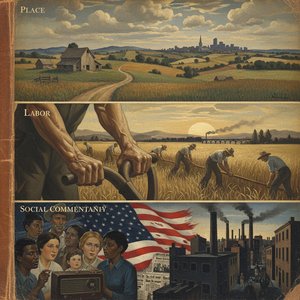
American Regionalism: A Crucible of Identity – Exploring Themes of Place, Labor & Social Commentary
Explore American Regionalism's powerful depiction of the American heartland during the Great Depression. Discover Grant Wood, Thomas Hart Benton & more. Expert analysis & high-quality art reproductions at OriginalUniqueArt.

Thomas Wilmer Dewing: Atmospheric Landscapes & the American Tonalist Vision
Explore the captivating world of Thomas Wilmer Dewing, a leading figure in American Tonalism. Discover his evocative paintings, artistic influences, and legacy with OriginalUniqueArt.

Az amerikai realizmus 10 ikonikus remekműve – festmények otthonra a OriginalUniqueArt kínálatából
Fedezze fel az amerikai realizmus 10 legikonikusabb remekművét! Ismerje meg Andrew Wyeth, Edward Hopper és más festők történetét. Múzeumi minőségű reprodukciók otthonra a OriginalUniqueArt kínálatából – inspiráló faliképek és dekorációk online.
