

 Megtekintés
 Küldés
 Megosztás
 Részletek
 Útmutató

 Letöltés
 Hasonló darabok
 X-ray felvétel
 Diavetítés
 Statisztika
Mary Anne Heide Norris


 Összes részlet megjelenítése
Kézzel készített olajfestmény reprodukció
Kézzel festett olajvastú vászon, az Ön által választott méretben és keretben, művészeink készítik meglévőre. ( Váltás nyomtatványra Áttérés digitális képre)




P118B Ft10

P118H Ft10

P118W Ft10

P438Z Ft10

P508JH Ft12

P508YH Ft12

P805H Ft10

P805Z Ft10

P919BZ Ft10

P919G Ft10

P919XJ Ft10

P959ZH Ft10

P968JZ Ft12

W106C Ft8

W218G Ft10

W218JH Ft8

W218Y Ft10

W307PJ Ft10

W316G Ft10

W316PJ Ft8

W316Y Ft10

W398PJ Ft8

W4111J Ft10

W500HY Ft15

W500JH Ft15

W692G Ft12

W849H Ft8

W940BG Ft15

W953PJ Ft8




Válasszon előre meghatározott méreteink közül, amelyek megfelelnek a műalkotás eredeti arányainak.

Írja be a kívánt szélességet és magasságot, hogy illeszkedjen a keretéhez vagy a falához. Mivel ez kézzel festett alkotás, egy eltérő formájú méret esetén a művész akár festhet is valamivel többet a kép körül, vagy korolathat is belőle — az Ön döntésének megfelelően. A festés megkezdése előtt küldünk egy digitális tervezetet jóváhagyásra. Az oldalon látható kép nem tartalmazza a végeredményt — csak a tervezet mutatja meg a valódi eredményt.
A rendelést követően a OriginalUniqueArt.com csapata e-mailt küld az ügyfélnek az instrukciókért, és biztosít egy előnézeti képet (mockup).
Világszerte elérhető szállítás () 3-4 hét alatt a szokásos 5 hét helyett. (27 október). A minőség nem kérdőjelezhető.

Ingyenes globális expressz szállítás

Prémium minőségű len vászon

Teljes körű szállítási biztosítás

Vámvisszatérítési Garancia

Hiteles színarányosság garancia

100 napos visszaküldési lehetőség (csak hibás termékek esetén)

100% pénzvisszatérítési garancia

Több darab vásárlásakor kedvezmény
 Az üvegkeretes opció csak 110 cm alatti méretben érhető el

Mary Anne Heide Norris
Reprodukciós technika
Reprodukció mérete
-


Összesített ár
Ft 96851
A Portrait of Refined Grace: Thomas Sully’s Mary Anne Heide Norris
Thomas Sully's "Mary Anne Heide Norris," painted in 1830, is more than just a likeness; it’s a carefully constructed tableau of wealth, status, and the idealized femininity prized within American society of the early 19th century. This exquisite portrait, now residing at the Philadelphia Museum of Art, offers a captivating glimpse into the life of a prominent local family and showcases Sully's mastery of capturing both physical beauty and subtle psychological depth.
The subject herself, Mary Anne Heide Norris, is presented with an almost ethereal quality. Dressed in a sumptuous black silk gown adorned with delicate lace and a luxurious fur stole, she embodies the elegance expected of a woman of her station. The pearl necklace, a symbol of wealth and refinement, accentuates her features, while the carefully arranged flowers – likely roses – hint at a cultivated sensibility and an appreciation for beauty. Sully’s meticulous attention to detail is immediately apparent in the rendering of the fabric's texture, the sheen of the pearls, and the delicate folds of the fur, demonstrating his skill as a painter who could capture the tactile qualities of materials.
The Romantic Palette and Subtle Drama
Sully’s style firmly places “Mary Anne Heide Norris” within the Romantic tradition, though with a distinctly American sensibility. He eschews the stark realism favored by earlier portraitists in favor of a softer, more atmospheric approach. The muted palette – dominated by deep blacks, rich browns, and subtle hints of rose pink – creates a sense of quiet drama and intimacy. Sully masterfully employs chiaroscuro, using light and shadow to sculpt Mary Anne’s form and draw the viewer's eye to her face. Note how the light catches the curve of her neck and highlights the delicate features of her hands resting gracefully on the table.
The background landscape, rendered in a hazy, atmospheric style, serves not merely as a backdrop but as an integral part of the composition. The dark wall behind Mary Anne creates a sense of enclosure and privacy, while the distant sky suggests both grandeur and a hint of melancholy. This carefully orchestrated interplay between figure and setting elevates the portrait beyond a simple representation of a woman; it becomes a meditation on beauty, status, and the complexities of domestic life.
A Window into 19th-Century American Society
To fully appreciate “Mary Anne Heide Norris,” one must consider the social context in which it was created. The early 1830s marked a period of rapid growth and transformation in America, as the nation moved towards its own distinct cultural identity. Portraiture played a crucial role in solidifying social hierarchies and documenting the achievements of prominent families. Sully’s work reflects this trend, presenting Mary Anne not just as an individual but as a representative of her family's wealth, influence, and social standing.
Furthermore, the portrait speaks to the prevailing ideals of femininity during that era – a blend of virtue, modesty, and refined beauty. Mary Anne’s composed demeanor, elegant attire, and carefully arranged pose all contribute to this idealized representation. The inclusion of her husband's pendant portrait (now lost) would have further emphasized their union and the importance of family within American society.
Capturing a Moment in Time: Reproduction and Legacy
Today, “Mary Anne Heide Norris” stands as a testament to Thomas Sully’s artistic skill and his ability to capture the essence of his subjects. Reproductions offer an accessible way to experience this remarkable portrait, allowing viewers to appreciate its beauty and historical significance without the constraints of travel or museum visits. When selecting a reproduction, consider the quality of materials and printing techniques – a faithful rendering will truly do justice to Sully’s original masterpiece.
Beyond its aesthetic appeal, “Mary Anne Heide Norris” provides valuable insights into the social, cultural, and artistic landscape of early 19th-century America. It is a poignant reminder of a bygone era, offering a glimpse into the lives of those who shaped the nation’s identity and left an enduring legacy through their art.
Kérdések és válaszok
Ki készítette a "Mary Anne Heide Norris" alkotást, és milyen stílusú?
Sully, Thomas a Romanticism irányzatban alkototta meg a "Mary Anne Heide Norris" című művét.
Hol találhatók statisztikák a(z) „Mary Anne Heide Norris”, Sully, Thomas alkotása kapcsán?
A „Mary Anne Heide Norris”, Sully, Thomas alkotása statisztikái a mű Statisztikák oldalán érhetőek el: a mű havi látogatottsága, a művész alkotásainak megtekintése, valamint a legutóbbi látogatók országos és nyelvi lebontása.
Mennyire intenzívek a "Mary Anne Heide Norris" színei?
A "Mary Anne Heide Norris" színe Balanced Soft telítettségű és Balanced intenzitású.
A művész életrajza
A Transatlantic Brushstroke: The Life and Art of Thomas Sully
Thomas Sully, a name synonymous with elegance and portraiture in 19th-century America, wasn’t simply a painter; he was a cultural bridge connecting the artistic traditions of England and the burgeoning identity of the United States. Born on June 19, 1783, in Horncastle, Lincolnshire, England, his journey began amidst the bustling world of theatrical performance – his parents were actors – before finding its true expression through the art of capturing likenesses. This early exposure to portraying characters and conveying emotion would profoundly shape his artistic approach, imbuing his portraits with a remarkable sense of psychological depth and realism. The family’s relocation to Charleston, South Carolina in 1792 marked the beginning of a new chapter, exposing young Thomas to the vibrant atmosphere of colonial America.From Miniature to Monumental: Forging an American Style
Sully's artistic development wasn’t confined by geographical boundaries; it was a process of continuous refinement and adaptation. A pivotal moment arrived in 1808 when he embarked on a study trip to London, seeking guidance from the esteemed Benjamin West – a figure whose influence on American art was considerable. However, it was the style of Thomas Lawrence, the celebrated portraitist of his time, that truly captivated Sully. Lawrence’s ability to capture both the outward appearance and inner character of his subjects resonated deeply with the young artist, leading Sully to return to America imbued with this aesthetic. He quickly earned the moniker “the Sir Thomas Lawrence of America,” a testament to his stylistic similarities and growing reputation. Crucially, Sully didn't merely imitate; he absorbed and transformed these influences, developing a distinctly American style that blended European sophistication with a uniquely New World sensibility – characterized by a warmth, dynamism, and an understanding of the subject’s personality rarely seen in earlier portraiture. His portraits weren’t simply representations of wealth or status; they were explorations of individual character, imbued with psychological insight and emotional resonance.The Influence of London and the Pursuit of Mastery
Sully's time in London wasn't merely a period of observation; it was an intensive apprenticeship under the tutelage of Jean Belzons, a French miniaturist who initially served as his instructor. However, their relationship eventually soured, leading to Sully’s departure from England. Despite this setback, the experience proved invaluable, providing him with a solid foundation in miniature painting – a skill that would later inform his approach to larger-scale portraits. Returning to America, he continued to hone his craft under Charles Fraser and Benjamin West, absorbing their techniques and expanding his artistic repertoire. This period of intensive study laid the groundwork for his subsequent success as one of the most sought-after portraitists in Philadelphia and beyond.A Portraitist of Prominence: Subjects and Style
Sully’s career flourished during the early 19th century, establishing him as a leading figure in American portraiture. He painted for a diverse clientele – presidents like Thomas Jefferson and John Quincy Adams, military heroes such as Marquis de Lafayette, prominent politicians, wealthy merchants, and even members of Philadelphia's elite society. His portraits were renowned for their elegance, technical precision, and the remarkable ability to capture both the outward appearance and inner character of his subjects. He employed a distinctive style characterized by fluid brushwork, rich colors, and a masterful use of light and shadow – techniques that created a sense of immediacy and intimacy within each portrait. His compositions were often dynamic and engaging, reflecting the energy and vitality of the individuals he depicted.Beyond Likeness: Historical Narratives and Artistic Legacy
While celebrated for his portraits, Sully’s artistic ambition extended beyond capturing individual faces. He ventured into historical painting with works like *The Passage of the Delaware* (1819), a grand depiction of Washington's iconic crossing – a piece that demonstrated his ability to handle large-scale compositions and imbue them with dramatic power. This willingness to engage with historical narratives broadened his appeal and cemented his place in the American art world. His prolific output—over 2,300 paintings over seven decades—testifies to both his skill and his relentless dedication. He wasn’t merely a painter of the elite; he documented an era, preserving the faces and stories of a nation undergoing rapid transformation. Sully's influence extended beyond his own canvases. He was a dedicated teacher, mentoring numerous artists including Marcus Aurelius Root, who would later become a pioneer in photography.A Patron of Culture: Music, Society, and Enduring Influence
Sully’s contributions weren’t limited to the visual arts. As a founding member of Philadelphia's Musical Fund Society, he demonstrated a deep commitment to fostering cultural life within his community. This involvement speaks to a broader artistic sensibility – an understanding that art in all its forms enriches society and elevates the human spirit. His work was even adapted for use on United States coinage, further solidifying his place in the national consciousness. Though Romanticism and Neoclassicism were dominant movements during his lifetime, Sully’s style transcended easy categorization. He skillfully blended elements of both, creating a unique aesthetic that prioritized emotional depth, technical precision, and psychological insight. Today, Thomas Sully's paintings hang in prestigious museums across the country, continuing to captivate audiences with their beauty, elegance, and enduring power. His legacy remains as a testament to the transformative potential of art and the enduring allure of the human face.
Sully, Thomas
1783 - 1872 , Egyesült Királyföld
Rövid információk
- Artistic Movement Or Style: Romantika, Neoklasszika
- Artists Or Movements Influenced By This Artist: ['Amerikai arcképfestészet']
- Artists Who Influenced This Artist:
- Benjamin West
- Thomas Lawrence
- Date Of Birth: 1783. 06. 19.
- Date Of Death: 1872. 11. 05.
- Full Name: Thomas Sully
- Nationality: Angol-amerikai
- Notable Artworks:
- A Delaware átkelése
- Jefferson portréja
- Place Of Birth: Horncastle, Anglia
Kapcsolódó cikkek

The Enduring Legacy of Oil on Canvas: Technique, History & Aesthetic Impact
Explore the rich history & techniques of oil painting – from Renaissance masters to Impressionism. Discover pigments, layering methods, and why this timeless medium endures. Expert insights for artists & art enthusiasts.
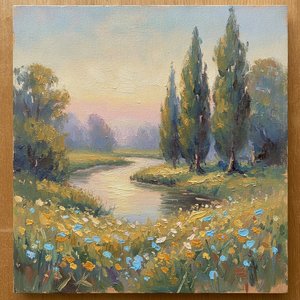
The Timeless Charm of Oil on Board: Reimagining Texture and Light through the Impressionist Lens
Discover the profound intimacy of oil on panel. Explore how Impressionist masters used rigid supports to capture light, texture, and impasto depth through exquisite, handmade oil reproductions for discerning collectors.

Oil on Canvas: A Historical & Technical Exploration of a Timeless Artistic Medium
Explore the rich history & enduring techniques of oil painting on canvas. Discover the science behind its longevity, conservation practices, and contemporary relevance. Expert insights for art enthusiasts.

Az olajfestészet örökös hagyatéka: technika, történelem és kortárs gyakorlat
Fedezze fel az olajfestészet történetét, technikáit és a kortárs művészeti trendeket! Szakértői útmutatók, híres festők alkotásai és tippek az olajfestmény ápolásához. Inspirálódjon most!

The Enduring Power of Painting: A Historical & Contemporary Exploration of Form and Emotion
Explore the rich history & enduring techniques of oil painting with OriginalUniqueArt. Discover masterpieces, learn about art collecting, and find authentic handmade reproductions crafted by skilled artists.