

 Megtekintés
 Küldés
 Megosztás
 Részletek
 Útmutató

 Letöltés
 Hasonló darabok
 X-ray felvétel
 Diavetítés
 Statisztika
Cinderella at the Kitchen Fire


 Összes részlet megjelenítése
Giclée / Műnyomat
Múzeumi minőségű giclée vagy vászonnyomat, gyors gyártással és rugalmas finomítási lehetőségekkel. ( Kézzel festett másolat rendelése Áttérés digitális képre)




P118B Ft10

P118H Ft10

P118W Ft10

P438Z Ft10

P508JH Ft12

P508YH Ft12

P805H Ft10

P805Z Ft10

P919BZ Ft10

P919G Ft10

P919XJ Ft10

P959ZH Ft10

P968JZ Ft12

W106C Ft8

W218G Ft10

W218JH Ft8

W218Y Ft10

W307PJ Ft10

W316G Ft10

W316PJ Ft8

W316Y Ft10

W398PJ Ft8

W4111J Ft10

W500HY Ft15

W500JH Ft15

W692G Ft12

W849H Ft8

W940BG Ft15

W953PJ Ft8




Válasszon előre meghatározott méreteink közül, amelyek megfelelnek a műalkotás eredeti arányainak.

Írja be a keretének vagy a falának megfelelő szélességet és magasságot. A nyomatot csak le lehet vágni, soha nem tehető nagyobbá, mint az eredeti kép, így egy eltérő alakú méretnél a kép egy része elveszik. Mielőtt bármit kinyatintanánk, küldünk egy digitális próbamodellt jóváhagyásra. Az oldalon látható kép nem tartalmazza a valós levágást — ezt csak a próbamodell mutatja meg.
Világszerte történő kiszállítás területére mindössze 2 hét alatt, a szokásos 4-5 hét helyett. (28 október)

Ingyenes globális expressz szállítás

Prémium minőségű len vászon

Teljes körű szállítási biztosítás

Vámvisszatérítési Garancia

Hiteles színarányosság garancia

100 napos visszaküldési lehetőség (csak hibás termékek esetén)

100% pénzvisszatérítési garancia

Több darab vásárlásakor kedvezmény
 Az üvegkeretes opció csak 110 cm alatti méretben érhető el

Cinderella at the Kitchen Fire
Giclée / Műnyomat
Reprodukció mérete
-


Összesített ár
Ft 25827
A Portrait Steeped in Sentiment: Exploring Thomas Sully’s Cinderella at the Kitchen Fire
Thomas Sully's *Cinderella at the Kitchen Fire*, completed in 1843, transcends mere depiction; it embodies a profound exploration of domestic tranquility and feminine contemplation. This oil on canvas masterpiece resides within the Dallas Museum of Art, offering visitors a glimpse into a pivotal moment in American Romanticism – a movement characterized by an intense fascination with emotion and idealized beauty.- Artist’s Vision: Sully, born in Horncastle Lincolnshire in 1783, possessed an extraordinary ability to translate feeling onto canvas. His formative years spent touring England alongside his family instilled within him a deep appreciation for theatrical performance and capturing fleeting expressions—skills that would become foundational to his artistic practice.
- Style & Technique: The painting exemplifies the Romantic style’s hallmark – soft lighting, muted colors, and an emphasis on atmosphere. Sully skillfully employs glazing techniques, layering translucent washes of pigment over textured underpaintings to achieve remarkable luminosity and depth. Notice how the light spills from the hearth onto Cinderella's face, illuminating her serene gaze.
The Scene Unfurled: Narrative Detail & Composition
Sully meticulously crafted a tableau that speaks volumes about Victorian sensibilities. The central figure—presumably Cinderella—is seated by the kitchen fire, attended by a comforting feline companion. Surrounding her are commonplace objects – a chair, table, and bottle – deliberately chosen to ground the scene in everyday reality while simultaneously elevating it through artistic consideration. The placement of the figures contributes to a harmonious balance, guiding the viewer’s eye across the canvas.- Symbolism: Beyond its visual appeal, *Cinderella at the Kitchen Fire* resonates with symbolic significance. The hearth represents warmth, domesticity, and maternal care—values deeply cherished during the Victorian era. Cinderella's contemplative posture suggests introspection and inner resilience – qualities admired as emblems of feminine virtue.
- Historical Context: Painted against the backdrop of burgeoning American identity, the painting reflects a desire to portray idealized figures and scenes rooted in moral values. It aligns with broader artistic trends aimed at capturing the sublime—the awe-inspiring grandeur of nature and human emotion—a hallmark of Romantic art.
A Legacy Preserved: Conservation & Reproduction
The original painting remains housed at the Dallas Museum of Art, ensuring its preservation for future generations. Recognizing the enduring fascination with this iconic artwork, high-quality reproductions are available—allowing collectors and interior designers alike to experience the beauty of *Cinderella at the Kitchen Fire* within their own spaces. For more information on Thomas Sully’s oeuvre and related artists like Samuel Lovett Waldo, visit OriginalUniqueArt.com.- Further Exploration: Delve deeper into Romantic art by examining works by Mary Ann Paton (Mrs. Wood) and William Gwynn—artists who similarly championed emotional expression and idealized beauty within their artistic endeavors.
Kérdések és válaszok
„Cinderella at the Kitchen Fire”, Sully, Thomas alkotása színei tel愈tek vagy fakók?
A "Cinderella at the Kitchen Fire" színeinek telítettsége Clear Color Presence.
A Sully, Thomas alkotása, a "Cinderella at the Kitchen Fire", a jogi szabadhasználatban (public domain) áll-e, és miért?
A "Cinderella at the Kitchen Fire" szerzői jogi státusza – közösségi tulajdon – a szerzői jog lejártt – a művész 1872 évi halálából adódik.
Milyen felhasználásra javasolt a „Cinderella at the Kitchen Fire”, Sully, Thomas alkotása?
A „Cinderella at the Kitchen Fire”, Sully, Thomas alkotása javasolt felhasználása Accent. Emellett más célokra is alkalmas lehet.
A művész életrajza
A Transatlantic Brushstroke: The Life and Art of Thomas Sully
Thomas Sully, a name synonymous with elegance and portraiture in 19th-century America, wasn’t simply a painter; he was a cultural bridge connecting the artistic traditions of England and the burgeoning identity of the United States. Born on June 19, 1783, in Horncastle, Lincolnshire, England, his journey began amidst the bustling world of theatrical performance – his parents were actors – before finding its true expression through the art of capturing likenesses. This early exposure to portraying characters and conveying emotion would profoundly shape his artistic approach, imbuing his portraits with a remarkable sense of psychological depth and realism. The family’s relocation to Charleston, South Carolina in 1792 marked the beginning of a new chapter, exposing young Thomas to the vibrant atmosphere of colonial America.From Miniature to Monumental: Forging an American Style
Sully's artistic development wasn’t confined by geographical boundaries; it was a process of continuous refinement and adaptation. A pivotal moment arrived in 1808 when he embarked on a study trip to London, seeking guidance from the esteemed Benjamin West – a figure whose influence on American art was considerable. However, it was the style of Thomas Lawrence, the celebrated portraitist of his time, that truly captivated Sully. Lawrence’s ability to capture both the outward appearance and inner character of his subjects resonated deeply with the young artist, leading Sully to return to America imbued with this aesthetic. He quickly earned the moniker “the Sir Thomas Lawrence of America,” a testament to his stylistic similarities and growing reputation. Crucially, Sully didn't merely imitate; he absorbed and transformed these influences, developing a distinctly American style that blended European sophistication with a uniquely New World sensibility – characterized by a warmth, dynamism, and an understanding of the subject’s personality rarely seen in earlier portraiture. His portraits weren’t simply representations of wealth or status; they were explorations of individual character, imbued with psychological insight and emotional resonance.The Influence of London and the Pursuit of Mastery
Sully's time in London wasn't merely a period of observation; it was an intensive apprenticeship under the tutelage of Jean Belzons, a French miniaturist who initially served as his instructor. However, their relationship eventually soured, leading to Sully’s departure from England. Despite this setback, the experience proved invaluable, providing him with a solid foundation in miniature painting – a skill that would later inform his approach to larger-scale portraits. Returning to America, he continued to hone his craft under Charles Fraser and Benjamin West, absorbing their techniques and expanding his artistic repertoire. This period of intensive study laid the groundwork for his subsequent success as one of the most sought-after portraitists in Philadelphia and beyond.A Portraitist of Prominence: Subjects and Style
Sully’s career flourished during the early 19th century, establishing him as a leading figure in American portraiture. He painted for a diverse clientele – presidents like Thomas Jefferson and John Quincy Adams, military heroes such as Marquis de Lafayette, prominent politicians, wealthy merchants, and even members of Philadelphia's elite society. His portraits were renowned for their elegance, technical precision, and the remarkable ability to capture both the outward appearance and inner character of his subjects. He employed a distinctive style characterized by fluid brushwork, rich colors, and a masterful use of light and shadow – techniques that created a sense of immediacy and intimacy within each portrait. His compositions were often dynamic and engaging, reflecting the energy and vitality of the individuals he depicted.Beyond Likeness: Historical Narratives and Artistic Legacy
While celebrated for his portraits, Sully’s artistic ambition extended beyond capturing individual faces. He ventured into historical painting with works like *The Passage of the Delaware* (1819), a grand depiction of Washington's iconic crossing – a piece that demonstrated his ability to handle large-scale compositions and imbue them with dramatic power. This willingness to engage with historical narratives broadened his appeal and cemented his place in the American art world. His prolific output—over 2,300 paintings over seven decades—testifies to both his skill and his relentless dedication. He wasn’t merely a painter of the elite; he documented an era, preserving the faces and stories of a nation undergoing rapid transformation. Sully's influence extended beyond his own canvases. He was a dedicated teacher, mentoring numerous artists including Marcus Aurelius Root, who would later become a pioneer in photography.A Patron of Culture: Music, Society, and Enduring Influence
Sully’s contributions weren’t limited to the visual arts. As a founding member of Philadelphia's Musical Fund Society, he demonstrated a deep commitment to fostering cultural life within his community. This involvement speaks to a broader artistic sensibility – an understanding that art in all its forms enriches society and elevates the human spirit. His work was even adapted for use on United States coinage, further solidifying his place in the national consciousness. Though Romanticism and Neoclassicism were dominant movements during his lifetime, Sully’s style transcended easy categorization. He skillfully blended elements of both, creating a unique aesthetic that prioritized emotional depth, technical precision, and psychological insight. Today, Thomas Sully's paintings hang in prestigious museums across the country, continuing to captivate audiences with their beauty, elegance, and enduring power. His legacy remains as a testament to the transformative potential of art and the enduring allure of the human face.
Sully, Thomas
1783 - 1872 , Egyesült Királyföld
Rövid információk
- Artistic Movement Or Style: Romantika, Neoklasszika
- Artists Or Movements Influenced By This Artist: ['Amerikai arcképfestészet']
- Artists Who Influenced This Artist:
- Benjamin West
- Thomas Lawrence
- Date Of Birth: 1783. 06. 19.
- Date Of Death: 1872. 11. 05.
- Full Name: Thomas Sully
- Nationality: Angol-amerikai
- Notable Artworks:
- A Delaware átkelése
- Jefferson portréja
- Place Of Birth: Horncastle, Anglia
Kapcsolódó cikkek

Az olajfestészet örökös hagyatéka: technika, történelem és kortárs gyakorlat
Fedezze fel az olajfestészet történetét, technikáit és a kortárs művészeti trendeket! Szakértői útmutatók, híres festők alkotásai és tippek az olajfestmény ápolásához. Inspirálódjon most!
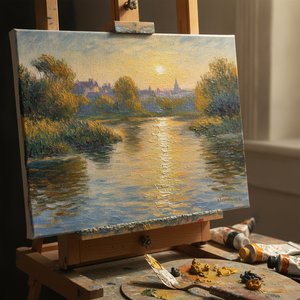
The Soul of Impressionism: Why Oil on Canvas Captures Eternal Light and Timeless Emotion
Discover the enchanting alchemy of Impressionism. Explore how the mastery of oil on canvas, through glazing and impasto, captures eternal light and emotion. Perfect for lovers of Monet and Van Gogh seeking the profound depth of hand-painted fine art.

The Enduring Power of Painting: A Historical & Contemporary Exploration of Form and Emotion
Explore the rich history & enduring techniques of oil painting with OriginalUniqueArt. Discover masterpieces, learn about art collecting, and find authentic handmade reproductions crafted by skilled artists.

Oil on Canvas: A Historical & Technical Exploration of a Timeless Artistic Medium
Explore the rich history & enduring techniques of oil painting on canvas. Discover the science behind its longevity, conservation practices, and contemporary relevance. Expert insights for art enthusiasts.

The Enduring Legacy of Oil on Canvas: Technique, History & Aesthetic Impact
Explore the rich history & techniques of oil painting – from Renaissance masters to Impressionism. Discover pigments, layering methods, and why this timeless medium endures. Expert insights for artists & art enthusiasts.