
 Megtekintés
 Küldés
 Megosztás
 Részletek

 Letöltés
 Hasonló darabok
 X-ray felvétel
 Diavetítés
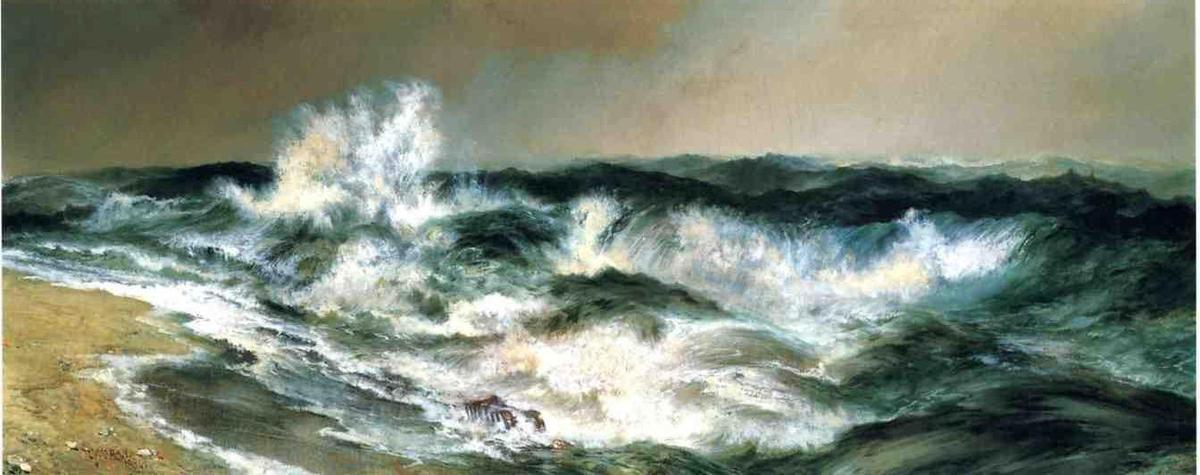
The Much Resounding Sea


 Összes részlet megjelenítése
Giclée / Műnyomat
Múzeumi minőségű giclée vagy vászonnyomat, gyors gyártással és rugalmas finomítási lehetőségekkel. ( Kézzel festett másolat rendelése Kép letöltése)




P118B $10

P118H $10

P118W $10

P438Z $10

P508JH $12

P508YH $12

P805H $10

P805Z $10

P919BZ $10

P919G $10

P919XJ $10

P959ZH $10

P968JZ $12

W106C $8

W218G $10

W218JH $8

W218Y $10

W307PJ $10

W316G $10

W316PJ $8

W316Y $10

W398PJ $8

W4111J $10

W500HY $15

W500JH $15

W692G $12

W849H $8

W940BG $15

W953PJ $8




Válasszon előre meghatározott méreteink közül, amelyek megfelelnek a műalkotás eredeti arányainak.

Megadhat saját méreteket is egy konkrét kerethez vagy helyszínhez igazítva. Amennyiben a kiválasztott méret nem egyezik az eredeti kép arányokkal, a műalkotást le fogjuk vágni, vagy kiegészítjük a képet tükrözött vagy egyszínű szélekkel. A gyártás megkezdése előtt egy digitális tervezetet küldünk jóváhagyásra.
Kérjük, vegye figyelembe, hogy a képernyőn látható előnézet nem tükrözi a tényleges levágást vagy kiegészítést. Csak a tervezet mutatja pontosan a végső kompozíciót.
Bár az egyedi méretek is elérhetőek, az eredeti arányok megőrzése érdekében azt javasoljuk, hogy válasszon a előre meghatározott listából származó méretet.
Világszerte történő kiszállítás területére mindössze 2 hét alatt, a szokásos 4-5 hét helyett. (13 augusztus)

Ingyenes globális expressz szállítás

Prémium minőségű len vászon

Teljes körű szállítási biztosítás

Vámvisszatérítési Garancia

Hiteles színpontosság garancia

60 napos visszaküldési lehetőség (csak hibás termékek esetén)

100% pénzvisszatérítési garancia

Több darab vásárlása esetén kedvezmény
 Az üvegkeretes opció csak 110 cm alatti méretben érhető el

The Much Resounding Sea
Giclée / Műnyomat
Reprodukció mérete
-


Összesített ár
$ 80
Gyűjthető leírása
Thomas Moran: Capturing the Sublime Majesty of Yellowstone
Thomas Moran (1837-1926) stands as a titan amongst American landscape painters, forever enshrined in the annals of art history for his unparalleled ability to convey the awe-inspiring grandeur of the American West. Born in Bolton, England, Moran’s early life was marked by an emigration to America fueled by aspirations for opportunity and a desire to escape the encroaching industrialization of Victorian Britain—a formative experience that instilled within him a lifelong fascination with the untamed beauty of nature.
Initially apprenticed as a wood engraver in Philadelphia, Moran swiftly recognized his true vocation lay not merely in replicating images but in crafting them. The meticulous precision demanded by engraving honed his observational skills, yet it was the burgeoning world of watercolor and the profound influence of artists like J.M.W. Turner—whose dramatic use of light and color captivated Moran—that truly ignited his artistic spirit.
Moran’s brother, Edward, a fellow marine artist, provided invaluable collaborative support, sharing studio space and fostering a shared passion for capturing the essence of the sea. This partnership extended beyond mere companionship; it represented a synergy of talent and vision that would propel both brothers to prominence within the artistic landscape.
However, Moran’s legacy transcends his brother's achievements. He achieved fame as an illustrator for Scribner’s Monthly, securing lucrative commissions and establishing himself as one of the foremost painters of the era. During this period, he was appointed chief illustrator for the magazine—a position that not only bolstered his career but also served as a catalyst for disseminating his breathtaking depictions of the Rocky Mountains and Yellowstone National Park.
The Hayden Geological Survey of 1871 proved to be a pivotal moment in Moran’s artistic journey. Invited by Dr. Ferdinand Hayden, director of the USGS, he joined an expedition tasked with exploring the uncharted Yellowstone region—a venture funded generously by Jay Cooke, financier and railroad magnate. Armed with brushes and pigments, Moran embarked on a forty-day odyssey into the wilderness, meticulously documenting over thirty distinct sites and producing a detailed diary chronicling the expedition’s progress.
More than just recording geological formations, Moran sought to capture the sublime majesty of Yellowstone—a feat accomplished through his masterful watercolor technique. His sketches, coupled with photographs taken by William Henry Jackson, captivated the public imagination and powerfully persuaded President Grant and Congress to establish Yellowstone National Park in 1872. This monumental undertaking cemented Moran’s place as a champion of conservation and solidified his reputation as one of America's greatest landscape painters.
Moran’s artistic style embodies the tenets of the Hudson River School, characterized by meticulous realism combined with Romantic idealism. He employed a technique rooted in observation—spending countless hours studying geological formations and atmospheric conditions—to faithfully reproduce the grandeur of Yellowstone’s vistas. Yet, he infused his paintings with an emotional resonance that transcended mere representation, conveying a sense of awe and reverence for the untamed wilderness.
The resulting artwork is imbued with symbolism reflecting the Victorian fascination with the sublime—the belief that encountering overwhelming beauty could elevate the human spirit. Moran’s canvases serve as reminders of humanity's insignificance against the backdrop of geological time, prompting contemplation on our relationship to nature and inspiring a profound appreciation for its enduring magnificence.
Today, reproductions of “The Much Resounding Sea” continue to inspire collectors and interior designers alike—a testament to Moran’s artistic genius and his indelible contribution to American art history. His paintings stand as beacons of Romantic idealism, reminding us that true beauty resides in confronting the immensity of the natural world.
A művész életrajza
A Pioneer of the American West
Thomas Moran, born in Bolton, England, in 1837, wasn’t destined for a life steeped in the rugged beauty of the American landscape he would come to immortalize. His family's emigration to the United States in 1844, seeking opportunity and escaping the burgeoning industrialization of their homeland, proved pivotal. This early transatlantic journey instilled within young Moran a lifelong fascination with the sea – a theme that subtly echoed throughout his later depictions of landlocked vistas. Initially apprenticed as a wood engraver in Philadelphia, he quickly discovered his true calling lay not in replicating images but creating them. The meticulous detail demanded by engraving honed his observational skills, yet it was the burgeoning world of watercolor and the influence of artists like J.M.W. Turner that truly ignited his artistic spirit. Moran’s brother, Edward, also a marine artist, provided early collaboration and support, sharing studio space and fostering a shared dedication to their craft. This familial bond laid the foundation for a career that would redefine how America saw itself – and its western territories.The Hudson River School and Beyond
Moran’s artistic development was deeply intertwined with the Hudson River School, though he ultimately transcended its conventions. While inheriting their reverence for nature and dramatic use of light and shadow, Moran brought a unique perspective shaped by his own experiences and an evolving American identity. The Hudson River School painters often focused on taming the wilderness, presenting it as a benevolent space ripe for cultivation. Moran, however, captured the West’s untamed grandeur with a sense of awe and respect that bordered on reverence. His style blended meticulous realism with romantic idealism, creating scenes that were both visually stunning and emotionally resonant. He wasn't merely documenting landscapes; he was crafting myths – visions of a land brimming with potential and spiritual significance. The influence of Turner is undeniable in Moran’s work—the swirling skies, the atmospheric perspective, and the emphasis on light as a transformative force all bear witness to this artistic debt. Yet, Moran infused these techniques with an American sensibility, focusing on the unique geological formations and vast scale of the Western territories. His paintings weren't just representations of place; they were statements about national pride, environmental stewardship, and the power of art to influence public opinion.Documenting a Nation’s Expansion
Moran’s career reached its zenith during a period of intense national expansion and exploration. In 1871, he joined a government-sponsored expedition to Yellowstone, an area largely unknown to most Americans. The sketches and paintings that emerged from this journey were nothing short of revelatory. His monumental canvas, The Grand Canyon of the Yellowstone, purchased by the U.S. government for $10,000 – a staggering sum at the time – played a crucial role in galvanizing public support for establishing Yellowstone as the nation’s first national park in 1872. This wasn't simply artistic achievement; it was an act of conservation advocacy. Moran’s art didn’t just reflect the beauty of the West, it actively shaped its preservation. He continued to document other significant landscapes, including the Colorado River and the Grand Canyon, further solidifying his reputation as the premier painter of the American West. His work became synonymous with the spirit of exploration and the promise of a new frontier.Key Works & Recognition
- The Grand Canyon of the Yellowstone (1872): A pivotal painting instrumental in establishing Yellowstone National Park.
- Chasm of the Colorado (1873-74): Showcasing the immense scale and dramatic beauty of the Grand Canyon.
- Mountain of the Saints, Jackson Hole, Wyoming (1895): Demonstrating his mastery of atmospheric perspective and light.
- Numerous sketches and watercolors documenting expeditions to Yellowstone, Colorado, and other Western territories.
Legacy and Enduring Influence
Thomas Moran’s contributions extend far beyond his breathtaking canvases. He helped to define America's visual identity, shaping how generations perceived their own landscape. His paintings weren’t just representations of place; they were statements about national pride, environmental stewardship, and the power of art to influence public opinion. His legacy continues to inspire artists today, and his works remain highly sought after by museums and collectors worldwide. The Smithsonian American Art Museum, among many others, proudly displays his masterpieces, ensuring that his vision endures for future generations. While often categorized within the Hudson River School or the Rocky Mountain School, Moran’s artistic voice was distinctly his own—a powerful blend of observation, imagination, and a deep reverence for the natural world. He passed away in Santa Barbara, California, in 1926, leaving behind a body of work that continues to captivate and inspire, reminding us of the enduring beauty and fragility of the American West.
Moran Thomas
1837 - 1926 , Egyesült Királyföld
A művészről röviden
- Artistic Movement Or Style: Hudson River School
- Artists Or Movements Influenced By This Artist: ['Rocky Mountain School']
- Artists Who Influenced This Artist:
- Turner
- Cole
- Date Of Birth: 1837. 2. 12.
- Date Of Death: 1926. 8. 25.
- Full Name: Thomas Moran
- Nationality: Amerikai
- Notable Artworks:
- Yellowstone-i sziklatamutató
- Colorado-i szoros
- Place Of Birth: Bolton, Anglia
Kapcsolódó cikkek

A Romantikus Tájképfestészet 10 Legikonikusabb Műalkotása – OriginalUniqueArt.com
Fedezze fel a romantikus tájképfestészet 10 legikonikusabb műalkotását! Caspar David Friedrich, J.M.W. Turner és más mesterek festményeinek története – inspiráló olajfestmények otthonába. OriginalUniqueArt.com: múzeumi minőségű reprodukciók és egyedi dekorációk online.
A Tájkép Mesterei: 10 Képi Gyöngyem a Természet Szerelemről – OriginalUniqueArt.com
Fedezze fel a 10 legikonikusabb tájkép festményt! Monet, Van Gogh és más mesterek művei inspirálnak. Művészeti reprodukciók magas minőségben – tökéletes dekoráció otthonába. Böngésszen OriginalUniqueArt.com-on!

Evocations of Place: A Historical Journey Through Landscape Art
Explore the rich history of landscape art with OriginalUniqueArt. Discover renowned artists, movements like Impressionism & Romanticism, and expert guidance for collecting timeless pieces. Find your perfect serene escape today!
Thomas Hill: Luminosity, Landscape & the American Pastoral Ideal
Explore the luminous landscapes of Thomas Hill, a pivotal figure in the Hudson River School & Luminism movements. Discover his artistic journey, philosophical depth, and enduring legacy with OriginalUniqueArt.
Capturing the Soul of Nature: A Journey Through the Sublime Majesty of American Romanticism
Explore the breathtaking beauty of American Romanticism. Discover how Hudson River School masters captured the sublime spirit of the wilderness through luminous oil landscapes and emotional depth. A journey into the soul of nature for the true art enthusiast.

