Előnézet
 Megosztás
 Megosztás
 Részletek
 Útmutató

 Letöltés
 Hasonló darabok
 X-ray felvétel
 Diavetítés
 Statisztika
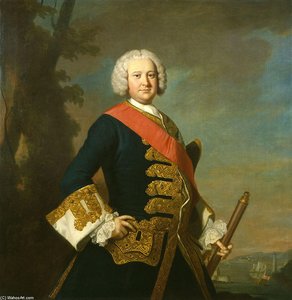
Sir Peter Warren

 Tovább olvasom
Giclée / Műnyomat
Múzeumi minőségű giclée vagy vászonnyomat, gyors gyártással és rugalmas finomítási lehetőségekkel. ( Kézzel festett másolat vásárlása Áttérés digitális képre)




P118B Ft10

P118H Ft10

P118W Ft10

P438Z Ft10

P508JH Ft12

P508YH Ft12

P805H Ft10

P805Z Ft10

P919BZ Ft10

P919G Ft10

P919XJ Ft10

P959ZH Ft10

P968JZ Ft12

W106C Ft8

W218G Ft10

W218JH Ft8

W218Y Ft10

W307PJ Ft10

W316G Ft10

W316PJ Ft8

W316Y Ft10

W398PJ Ft8

W4111J Ft10

W500HY Ft15

W500JH Ft15

W692G Ft12

W849H Ft8

W940BG Ft15

W953PJ Ft8




Válasszon előre meghatározott méreteink közül, amelyek megfelelnek a műalkotás eredeti arányainak.

Írja be a keretének vagy a falának megfelelő szélességet és magasságot. A nyomatot csak le lehet vágni, soha nem tehető nagyobbá, mint az eredeti kép, így egy eltérő alakú méretnél a kép egy része elveszik. Mielőtt bármit kinyatintanánk, küldünk egy digitális próbamodellt jóváhagyásra. Az oldalon látható kép nem tartalmazza a valós levágást — ezt csak a próbamodell mutatja meg.
Világszerte történő kiszállítás területére mindössze 2 hét alatt, a szokásos 4-5 hét helyett. (22 október)

Ingyenes globális expressz szállítás

Prémium minőségű len vászon

Teljes körű szállítási biztosítás

Vámvisszatérítési Garancia

Tökéletes színarányosság garancia

100 napos visszaküldési garancia (csak gyártási hibás termékek esetén)

100% pénzvisszatérítési garancia

Több darab vásárlásakor kedvezmény
 Az üvegkeretes opció csak 110 cm alatti méretben érhető el

Sir Peter Warren
Giclée / Műnyomat
Reprodukció méretei
-


Összesített ár
Ft 25565
A Portrait of Power: Sir Peter Warren by Thomas Hudson
This striking portrait offers a compelling glimpse into the world of 18th-century British naval and colonial power. Painted by the esteemed English portraitist Thomas Hudson, this artwork captures Sir Peter Warren, a figure of significant historical importance, with an air of authority and refined elegance. The composition is masterful in its balance and formality, characteristic of the period’s artistic conventions—a testament to Hudson's understanding of how to convey prestige and influence through visual representation.Decoding the Style & Technique
Hudson’s style leans heavily into Neoclassicism, evident in the clarity of form, idealized representation, and emphasis on order. Unlike the exuberant Baroque era preceding it, Neoclassicism prioritized restraint and rationality, mirroring the philosophical currents of Enlightenment thought. While possessing a degree of realism—particularly noticeable in Warren’s facial features—the portrait isn't merely a photographic likeness; it elevates Warren to an almost heroic stature. Hudson skillfully employs chiaroscuro, the dramatic interplay of light and shadow, to sculpt Warren’s features and clothing, adding depth and volume – a technique perfected by Hudson that imbues the painting with palpable presence. The warm color palette—golds, reds, and browns—conveys wealth and status, while cooler tones in the background provide a subtle contrast, creating an atmosphere of dignified grandeur. Detailed brushwork ensures rich textures, particularly prominent in the luxurious fabrics of Warren’s coat and wig.A Man of His Time: Historical Context & Symbolism
Sir Peter Warren (1703-1752) was a British naval officer and privateer who rose to prominence during the War of the Austrian Succession and King George’s War. He played a crucial role in securing British dominance in North America, particularly through his victories against the French—a victory that cemented his reputation as a brilliant strategist and unwavering defender of the Crown. The details within the portrait are not merely decorative; they are symbolic indicators of Warren's position. His gold-embroidered coat signifies wealth and high rank, reflecting the considerable fortunes amassed by successful naval commanders during this period. The red sash suggests military honors—a visual declaration of his achievements on the battlefield. The rolled parchment he holds likely represents dispatches or important documents related to his naval duties, underlining his responsibilities as a leader. Finally, the walking stick is a symbol of authority and status – an emblem of power and command that speaks volumes about Warren’s character.Emotional Resonance & Artistic Impact
Hudson doesn't present a smiling or overtly friendly portrait; instead, Warren gazes out with a serious and dignified expression—a gaze imbued with resolve and conviction. This conveys a sense of unwavering dedication to duty and honor – qualities essential for a man entrusted with safeguarding the nation’s interests. The overall emotional impact is one of respect and admiration. Hudson captures not just a likeness but an essence, conveying the spirit of a pivotal figure in British history.Considerations for Collectors & Designers
- This portrait would serve as a stunning focal point in a stately study or library—perfect for those seeking to evoke the grandeur of the Enlightenment era.
- The rich color palette complements interiors with warm tones – deep reds, golds, and browns—creating an atmosphere of sophistication and refinement.
- A high-quality reproduction would be ideal for those desiring to incorporate a piece of British art history into their home décor.
Gyakran Ismételt Kérdések
Hogyan tekinthetném meg a(t) „Sir Peter Warren”, Thomas Hudson alkotása alkotást diaváltogatással?
A „Sir Peter Warren”, Thomas Hudson alkotása diaporámaként tekinthető a mű Diaváltás oldalán.
Van-e útmutató a(z) „Sir Peter Warren”, Thomas Hudson alkotása alkotáshoz?
A „Sir Peter Warren”, Thomas Hudson alkotása alkotáshoz elérhető egy Útmutató oldal: egy kinyomtatható információs lap a műről, amelyet diákok és tantervhez készült használatra terveztek.
Hová sorolható a Thomas Hudson pályájának mely szakaszába a "Sir Peter Warren"?
A "Sir Peter Warren" Thomas Hudson alkotói pályájának Mature Period szakaszát képviseli.
A művész életrajza
Thomas Hudson: A Life Dedicated to Elegance and Portraiture
Thomas Hudson, born in Bideford, England, in 1701 – though the precise location remains somewhat uncertain – emerged as a pivotal figure in 18th-century English portraiture. His early life is shrouded in a degree of obscurity, yet his unwavering commitment to art quickly became apparent. He began his artistic journey under the tutelage of Jonathan Richardson in London, an apprenticeship that instilled within him a meticulous approach to portraiture and a discerning eye for detail – qualities that would define his entire career. A notable, albeit somewhat controversial, event occurred early in his life: he married Richardson’s daughter before 1725, despite his mentor's disapproval, highlighting the complexities of artistic circles at the time.The Peak Years and Workshop Mastery
Hudson’s most prolific period spanned roughly from 1740 to 1760, during which he arguably became London’s foremost portraitist between 1745 and 1755. This era witnessed a remarkable output of commissioned works, facilitated by his operation of a bustling workshop. This wasn't merely a studio; it was a thriving hub where numerous assistants diligently worked under his guidance, including the highly skilled drapery painter Joseph van Aken. The scale of this operation allowed Hudson to fulfill an astonishing volume of commissions, catering to the demands of a wealthy and discerning clientele. His portraits are celebrated for their inherent elegance and refinement – a testament to his exceptional skill in capturing not only physical likeness but also the status and personality of his subjects. Hudson’s mastery lay particularly in his ability to render fabrics and textures with breathtaking accuracy, imbuing each portrait with a sense of realism and luxuriousness.Continental Influences and Artistic Evolution
Hudson's artistic development was profoundly shaped by both his initial training and subsequent travels. Richardson’s influence is readily apparent in Hudson’s early work, evident in the emphasis on anatomical precision and a classical approach to composition. However, it was his journeys to the Low Countries in 1748 and later to Italy in 1752 that truly broadened his artistic horizons. These experiences exposed him to diverse artistic styles and techniques – from the vibrant color palettes of Flemish masters to the dramatic lighting favored by Italian painters – enriching his own visual vocabulary. Upon returning to England, Hudson established a residence at Cross Deep, Twickenham, near Alexander Pope’s villa, placing himself within a stimulating intellectual and artistic community. This location fostered an environment of exchange and inspiration, undoubtedly contributing to the evolution of his style.Notable Students and a Lasting Legacy
Hudson was not only a skilled artist but also a dedicated teacher, shaping the careers of several prominent figures in British art. Among his most celebrated pupils were Joshua Reynolds – arguably the most influential portraitist of the 18th century – and Joseph Wright, whose later works explored themes of science and industry with remarkable innovation. He also mentored Peter Toms, who specialized in painting draperies, further demonstrating Hudson’s commitment to technical skill and craftsmanship. His legacy extends beyond his own paintings; he helped establish a standard for elegance and sophistication that influenced generations of portrait artists. The collection of his works is now housed in museums across the country, including the National Portrait Gallery, the National Maritime Museum, Tate, Foundling Museum, and the Bristol City Museum and Art Gallery, ensuring that his art remains accessible to all.A Portraitist’s Enduring Impact
Thomas Hudson's contribution to British portraiture is undeniable. He elevated the genre through his meticulous technique, refined style, and ability to capture the essence of his subjects. His paintings are not merely representations of individuals; they are windows into a bygone era, offering glimpses into the lives and aspirations of 18th-century England. Hudson’s work continues to be studied and admired today, serving as a testament to his enduring legacy as one of the most important portraitists in British art history.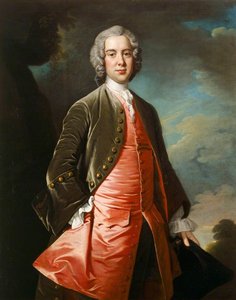
Thomas Hudson
1701 - 1779 , Egyesült Királyság
Gyors információk
- Artistic Movement Or Style: Portrézóránya
- Artists Or Movements Influenced By This Artist: ['Joshua Reynolds']
- Artists Who Influenced This Artist: ['Jonathan Richardson']
- Date Of Birth: 1701
- Date Of Death: 1779
- Full Name: Thomas Hudson
- Nationality: Angol
- Notable Artworks:
- A Szőnyeges
- A Kincsesház
- Place Of Birth: Bideford, Anglia
Kapcsolódó cikkek
Thomas Hudson: A Study in 18th-Century Portraiture & British Artistic Identity
Explore the life & work of Thomas Hudson, a leading 18th-century British portraitist. Discover his mastery of the 'Grand Manner,' influential style, and lasting impact on British art. Learn about his notable portraits like Judge William Noel & Alexander Van Aken.

A Hudson River Iskola 10 Mesterműve: Tájképfestészet és Amerika Lelke – OriginalUniqueArt
Fedezze fel a Hudson River Iskola 10 legikonikusabb műalkotását! Frederic Church, Thomas Cole és más amerikai festők romantikus tájképei. Vászonkép másolatok, faliképek otthonába – OriginalUniqueArt.com kínálatából. Explore the full collection online!
Sir Joshua Reynolds legszebb művei: Klasszikus portrék és a brit arisztokrácia ragyogása – OriginalUniqueArt
Fedezze fel Sir Joshua Reynolds 25 legszebb művét! Klasszikus portrék, brit arisztokrácia és a 18. század festészete – OriginalUniqueArt minőségi reprodukciókkal. Elegáns otthoni dekorációhoz inspiráló képek és vászonképek. Böngéssze gyűjteményünket online!

Sir Alfred James Munnings legszebb 25 festménye – A vidéki Anglia és a lovak mestere | OriginalUniqueArt
Fedezze fel Sir Alfred James Munnings 25 legszebb festményét! Ismerje meg a vidéki Anglia és a lovak mesterének életművét, technikáját és inspirációit. Vásároljon exkluzív reprodukciókat a OriginalUniqueArt.com-on – múzeumi minőségben!
The Hudson River School: A Definitive Guide to America's Romantic Landscape Tradition
Explore the profound legacy of the Hudson River School. Discover how masters like Thomas Cole captured the American sublime through Romanticism and Luminism. A definitive guide for art historians and collectors seeking to understand America's wild beauty.