

 Megosztás
 Megosztás
 Részletek
 Útmutató

 Letöltés
 Hasonló darabok
 Diavetítés
 Statisztika
Lambe Barry


 Tovább olvasom
Kézzel készített olajfestmény reprodukció
Kézzel festett olajvastú vászon, az Ön által választott méretben és keretben, művészeink készítik meglévőre. ( Váltás nyomtatványra Áttérés digitális képre)




































Válasszon előre meghatározott méreteink közül, amelyek megfelelnek a műalkotás eredeti arányainak.

Írja be a kívánt szélességet és magasságot, hogy illeszkedjen a keretéhez vagy a falához. Mivel ez kézzel festett alkotás, egy eltérő formájú méret esetén a művész akár festhet is valamivel többet a kép körül, vagy korolathat is belőle — az Ön döntésének megfelelően. A festés megkezdése előtt küldünk egy digitális tervezetet jóváhagyásra. Az oldalon látható kép nem tartalmazza a végeredményt — csak a tervezet mutatja meg a valódi eredményt.
A rendelést követően a OriginalUniqueArt.com csapata e-mailt küld az ügyfélnek az instrukciókért, és biztosít egy előnézeti képet (mockup).
Világszerte elérhető szállítás () 3-4 hét alatt a szokásos 5 hét helyett. (22 október). A minőség nem kérdőjelezhető.

Ingyenes globális expressz szállítás

Prémium minőségű len vászon

Teljes körű szállítási biztosítás

Vámvisszatérítési Garancia

Tökéletes színarányosság garancia

100 napos visszaküldési garancia (csak gyártási hibás termékek esetén)

100% pénzvisszatérítési garancia

Több darab vásárlásakor kedvezmény
 Az üvegkeretes opció csak 110 cm alatti méretben érhető el

Lambe Barry
Reprodukciós technika
Reprodukció méretei
-


Összesített ár
Ft 94790
Lambe Barry: A Window into Georgian Portraiture
The portrait of Lambe Barry, painted by Thomas Gainsborough in 1759, isn’t merely a likeness; it's a carefully constructed tableau offering a glimpse into the social and artistic currents of late 18th-century England. This remarkable work, now housed within Gainsborough’s House in Sudbury, Suffolk, transcends simple representation, revealing a sophisticated understanding of light, composition, and the subtle language of portraiture. Barry himself, a prominent figure in Ipswich society, is depicted not as a static subject but as an engaged participant in his own image – a man observing the viewer with a quiet attentiveness that invites connection. The painting’s power lies partly in its ability to capture a fleeting moment, suggesting a conversation just begun, a shared glance across time.Gainsborough's Technique: Light and Atmosphere
Thomas Gainsborough was renowned for his masterful manipulation of light and atmosphere, and this portrait is a prime example of his skill. He employs a loose, expressive brushstroke – a hallmark of the Rococo style – to create a sense of hazy warmth that envelops Barry’s face and form. Notice how the light seems to emanate from an unseen source, illuminating his features with a gentle radiance while simultaneously softening the edges of the background landscape. This technique wasn't simply decorative; it was integral to Gainsborough’s approach, designed to capture not just the physical appearance but also the *feeling* of the subject and the environment. The subtle gradations of tone – from the deep shadows beneath Barry’s chin to the luminous highlights on his forehead – contribute significantly to the painting's three-dimensionality and its captivating realism.Symbolism and Context: A Portrait of Status and Society
The setting itself is laden with symbolic meaning. The landscape, a carefully rendered depiction of Suffolk countryside, isn’t merely a backdrop; it speaks volumes about Barry’s social standing and connection to the land. The rolling hills, the distant trees, and the suggestion of a river all point to wealth and prosperity – indicators of a man deeply rooted in his community. The inclusion of a small, dark dog at Barry's feet further reinforces this association with rural life and domesticity. Portraits like this were commissioned by wealthy merchants and landowners as a means of asserting their social position and commemorating their lineage. Lambe Barry’s attire – the dark coat, the lace cravat, and the meticulously styled hair – are all indicative of the fashionable standards of the time, reflecting his status within Ipswich society.The Legacy of Gainsborough: Imitation and Influence
Gainsborough's work was profoundly influential on subsequent generations of artists, particularly in the development of British landscape painting. Interestingly, he wasn’t alone in capturing his style; numerous imitators emerged throughout the late 18th and early 19th centuries, attempting to replicate his distinctive brushwork and atmospheric effects. The portrait of Lambe Barry, therefore, serves as a fascinating case study in artistic influence – demonstrating how Gainsborough's innovations were quickly absorbed and disseminated within the art world. The painting’s enduring appeal lies not only in its technical brilliance but also in its ability to transport us back to a specific moment in English history, offering a poignant glimpse into the lives of those who shaped it. It remains a testament to Gainsborough’s genius and his profound understanding of the human condition.Gyakran Ismételt Kérdések
Elérhető-e a "Lambe Barry" nagy felbontású letöltése?
A „Lambe Barry”, Gainsborough Thomas alkotása digitális fájljának megvásárlása érdekében magas felbontású digitális kép letöltés a következő oldalon: Digitális kép.
Milyen típusú műalkotás „Lambe Barry”, Gainsborough Thomas alkotása?
A „Lambe Barry”, Gainsborough Thomas alkotása művészeti alkotás Digital kategóriába tartozik. Ez a besorolás azt határozza meg, hogy az eredeti alkotás milyen típusú művészeti alkotás.
Hogyan tekinthetem meg előre a(z) „Lambe Barry”, Gainsborough Thomas alkotása reprodukcióját?
A „Lambe Barry”, Gainsborough Thomas alkotása előnézete megtekinthető a mű Előnézet oldalán.
A művész életrajza
A Suffolk Beginning: The Early Life and Artistic Awakening
The story of Thomas Gainsborough, one of Britain’s most celebrated artists, unfolds not within the confines of a grand academy or bustling metropolis, but in the tranquil market town of Sudbury, Suffolk. Born in 1727, the youngest son of John Gainsborough, a weaver and wool merchant, young Thomas displayed an innate artistic sensibility from a remarkably early age. While his siblings pursued more conventional paths, Thomas’s world rapidly became consumed by drawing and painting – miniature self-portraits and delicate landscapes blossoming from his hand even before he reached ten years old. This precocious talent wasn't merely a childhood pastime; it was the burgeoning of a vision that would reshape British art. His father, recognizing this unique gift, encouraged its development, setting young Thomas on a path diverging sharply from the family trade. The Suffolk countryside itself became his first studio, imbuing his later works with a deep and abiding love for the natural world – a characteristic that would distinguish him throughout his career. This early immersion in landscape wasn’t simply about replicating what he saw; it was about *feeling* the essence of the English countryside, an emotional resonance that would permeate his canvases for decades to come.London and the Shaping of a Style: Influences and Early Commissions
In 1740, at the age of thirteen, Gainsborough journeyed to London, embarking on formal artistic training under Hubert Gravelot, a French engraver renowned for his elegant rococo style. This exposure proved pivotal, introducing him to refined techniques and fashionable aesthetics. However, it was his association with William Hogarth and the St Martin’s Lane Academy that truly began to mold his artistic identity. Initially influenced by Hogarth's narrative approach – his detailed depictions of London life and social commentary – Gainsborough soon charted his own course, developing a distinctive style characterized by its lightness of touch, fluid brushwork, and subtle color palettes. He absorbed lessons from various masters, yet resisted strict adherence to any single school, forging a path that blended observation with imagination. Returning to Sudbury after marrying Margaret Burr in 1746, Gainsborough established himself as a portraitist for the local gentry. This period honed his skills in capturing likenesses and character, but it was during his subsequent move to Ipswich, and later Bath, that he began attracting a more sophisticated clientele – individuals who appreciated not just accurate representation, but also artistic flair and emotional depth.Bath and Beyond: Portraiture, Landscape, and Royal Patronage
The years spent in Bath (1759-1774) marked a significant turning point in Gainsborough’s career. The city was a hub of fashionable society, providing him with ample opportunities to paint portraits of the wealthy and influential. He quickly gained renown for his ability to capture not only physical resemblance but also the personality and social standing of his sitters. His portraits weren't merely depictions; they were statements about identity and status. He experimented with different lighting techniques and compositions, moving away from the stiff formality of earlier portraiture towards a more relaxed and engaging style. However, even amidst the demands of portraiture, Gainsborough never abandoned his passion for landscape painting. In fact, he often seamlessly integrated landscapes into his portraits, creating compositions that celebrated both human subjects and the beauty of the natural world. This innovative approach – a hallmark of his style – set him apart from many of his contemporaries. The culmination of his success came with his move to London in 1774, where he established a studio on Pall Mall and became a founding member of the Royal Academy. He also secured royal patronage, becoming a favorite painter of King George III and Queen Charlotte, further solidifying his position as one of Britain’s leading artists. *Mrs. Thomas Gainsborough*, painted in 1785, exemplifies this period – an elegant portrait showcasing rococo style and muted tones.A Legacy of Innovation: Enduring Appeal and Influence
Thomas Gainsborough died in 1788, leaving behind a body of work that continues to captivate audiences today. His influence on subsequent generations of British artists is undeniable. He liberated portraiture from rigid formality, infusing it with spontaneity and emotional resonance. His loose brushwork and atmospheric effects paved the way for the Impressionists, while his lyrical landscapes inspired artists like John Constable, who deeply admired Gainsborough’s ability to capture the spirit of the English countryside. Gainsborough's legacy extends beyond technique; it lies in his profound understanding of human character and his unwavering commitment to artistic expression. He wasn’t simply a painter of portraits or landscapes; he was a storyteller, a poet of light and color, and a visionary who transformed British art. His paintings are a testament to the power of observation, imagination, and the enduring allure of the English landscape.Exploring Gainsborough's World Today
Fortunately, the opportunity to experience Gainsborough’s genius firsthand remains readily available. Gainsborough’s House, in his birthplace of Sudbury, stands as a testament to his life and work, offering visitors an intimate glimpse into his early influences and artistic development. Christchurch Mansion in Ipswich houses a significant collection of Gainsborough paintings alongside works by Constable and other masters. Numerous museums across the United Kingdom and internationally display his masterpieces, including the National Gallery in London and the Metropolitan Museum of Art in New York. His work continues to be studied, analyzed, and celebrated, ensuring that his artistic vision will endure for generations to come.
Gainsborough Thomas
1727 - 1788 , Egyesült Királyföld
Gyors információk
- Artistic Movement Or Style: Rococo, portréfestés
- Artists Or Movements Influenced By This Artist:
- Constable
- Impressionisták
- Artists Who Influenced This Artist:
- Hogarth
- Gravelot
- Date Of Birth: 1727. május 14.
- Date Of Death: 1788. augusztus 2.
- Full Name: Thomas Gainsborough
- Nationality: Angol
- Notable Artworks:
- Mrs. Thomas Gainsborough
- Mr és Mrs Andrews
- Place Of Birth (City And Country): Sudbury, Anglia
Kapcsolódó cikkek

Az olajfestészet örökös hagyatéka: technika, történelem és kortárs gyakorlat
Fedezze fel az olajfestészet történetét, technikáit és a kortárs művészeti trendeket! Szakértői útmutatók, híres festők alkotásai és tippek az olajfestmény ápolásához. Inspirálódjon most!
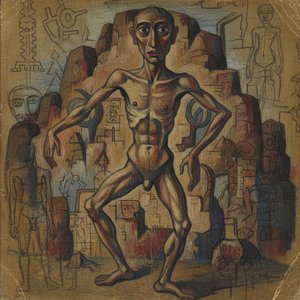
Henry Lamb: Reassessing Modern British Primitivism & the Poetics of Discomfort
Explore the compelling work of Henry Lamb, a key figure in British Primitivism. Discover his unsettling portraits, poignant war art & unique artistic vision. A deep dive into his life and legacy.

The Enduring Legacy of Oil on Canvas: Technique, History & Aesthetic Impact
Explore the rich history & techniques of oil painting – from Renaissance masters to Impressionism. Discover pigments, layering methods, and why this timeless medium endures. Expert insights for artists & art enthusiasts.

Oil on Canvas: A Historical & Technical Exploration of a Timeless Artistic Medium
Explore the rich history & enduring techniques of oil painting on canvas. Discover the science behind its longevity, conservation practices, and contemporary relevance. Expert insights for art enthusiasts.
The Enduring Legacy of Classicism: Principles, Evolution & Influence in Western Art
Explore the enduring legacy of Classicism in Western art! Discover its historical context, key principles, iconic masterpieces & lasting influence. Learn about Renaissance and Neoclassical movements with OriginalUniqueArt.


