

 Előnézet
 Megosztás
 Megosztás
 Részletek
 Útmutató

 Letöltés
 Hasonló darabok
 X-ray felvétel
 Diavetítés
 Statisztika
Still Life with a Cornemuse
 Oil On Canvas
- WallArt
- Romanticism
 19th Century
 46.0 x 38.0 cm
 Fitzwilliam Múzeum
 Tovább olvasom
Kézzel készített olajfestmény reprodukció
Kézzel festett olajvastú vászon, az Ön által választott méretben és keretben, művészeink készítik meglévőre. ( Váltás nyomtatványra Áttérés digitális képre)




P118B Ft10

P118H Ft10

P118W Ft10

P438Z Ft10

P508JH Ft12

P508YH Ft12

P805H Ft10

P805Z Ft10

P919BZ Ft10

P919G Ft10

P919XJ Ft10

P959ZH Ft10

P968JZ Ft12

W106C Ft8

W218G Ft10

W218JH Ft8

W218Y Ft10

W307PJ Ft10

W316G Ft10

W316PJ Ft8

W316Y Ft10

W398PJ Ft8

W4111J Ft10

W500HY Ft15

W500JH Ft15

W692G Ft12

W849H Ft8

W940BG Ft15

W953PJ Ft8




Válasszon előre meghatározott méreteink közül, amelyek megfelelnek a műalkotás eredeti arányainak.

Írja be a kívánt szélességet és magasságot, hogy illeszkedjen a keretéhez vagy a falához. Mivel ez kézzel festett alkotás, egy eltérő formájú méret esetén a művész akár festhet is valamivel többet a kép körül, vagy korolathat is belőle — az Ön döntésének megfelelően. A festés megkezdése előtt küldünk egy digitális tervezetet jóváhagyásra. Az oldalon látható kép nem tartalmazza a végeredményt — csak a tervezet mutatja meg a valódi eredményt.
A rendelést követően a OriginalUniqueArt.com csapata e-mailt küld az ügyfélnek az instrukciókért, és biztosít egy előnézeti képet (mockup).
Világszerte elérhető szállítás () 3-4 hét alatt a szokásos 5 hét helyett. (22 október). A minőség nem kérdőjelezhető.

Ingyenes globális expressz szállítás

Prémium minőségű len vászon

Teljes körű szállítási biztosítás

Vámvisszatérítési Garancia

Tökéletes színarányosság garancia

100 napos visszaküldési garancia (csak gyártási hibás termékek esetén)

100% pénzvisszatérítési garancia

Több darab vásárlásakor kedvezmény
 Az üvegkeretes opció csak 110 cm alatti méretben érhető el

Still Life with a Cornemuse
Reprodukciós technika
Reprodukció méretei
-


Összesített ár
Ft 94790
Still Life with a Cornemuse
Thomas Couture’s “Still Life with a Cornemuse” is more than just an arrangement of objects; it's a carefully constructed meditation on mortality and remembrance, rendered in the rich hues characteristic of Romanticism. Painted circa 1850-1855, this artwork resides within the Fitzwilliam Museum’s Keynes Collection, offering visitors a glimpse into Couture’s artistic vision during a pivotal moment in European art history.- Subject Matter: The composition centers around a cornemuse—a simple pipe instrument—alongside an apple and two bags hanging from it. These elements aren't merely decorative; they are imbued with symbolic significance, reflecting themes prevalent in Romantic thought.
- Style & Technique: Couture employed oil paint on canvas, utilizing meticulous brushwork to achieve a velvety texture that captures the subtle nuances of light and shadow. His technique demonstrates mastery of chiaroscuro—the dramatic interplay between light and dark—creating depth and enhancing the emotional impact of the scene.
- Historical Context: Couture’s work emerged during the waning years of the Napoleonic era, a period marked by disillusionment following Napoleon's defeat and a yearning for idealized beauty amidst societal upheaval. Romantic artists sought to express profound emotions and grapple with existential questions, rejecting the rationalism of Enlightenment thought.
- Symbolism: The apple, traditionally associated with temptation and knowledge in Christian iconography, serves as a poignant reminder of human vulnerability and the inevitability of decay. Similarly, the cornemuse symbolizes pastoral simplicity and remembrance—a connection to nature and to cherished memories—themes central to Romantic aesthetics.
- Emotional Impact: Couture’s masterful execution evokes a sense of melancholy contemplation. The subdued palette and careful attention to detail invite viewers to ponder the transient beauty of life and the enduring power of memory, mirroring the Romantic preoccupation with emotion and experience.
Gyakran Ismételt Kérdések
Milyen színtelítettséggel rendelkezik „Still Life with a Cornemuse”, Thomas Couture alkotása?
A „Still Life with a Cornemuse”, Thomas Couture alkotása színei Clear Color Presence telítettségűek. A telítettség azt mutatja meg, hogy a színek mennyire élénkek vagy fakók.
Milyen domináns alapszín jellemzi „Still Life with a Cornemuse”, Thomas Couture alkotása alkotást?
A Golden Yellow Range árnyalat áthatárolja a „Still Life with a Cornemuse”, Thomas Couture alkotása alkotást.
Mely múzeum őrzi az eredeti "Still Life with a Cornemuse" című alkotást?
Az eredeti "Still Life with a Cornemuse" mű megtekinthető a Fitzwilliam Múzeum, Cambridge, Egyesült Királyság múzeum collectionsban.
A művész életrajza
A Rebel in the Atelier: The Life and Legacy of Thomas Couture
Thomas Couture, born in Senlis in 1815, stands as a fascinating bridge between the Romanticism of the early 19th century and the burgeoning Realism that would follow. His journey wasn’t one of immediate acclaim; instead, it was marked by persistent rejection from the prestigious Prix de Rome competition – an obstacle he skillfully transformed into fuel for his artistic independence. This determination ultimately led him to establish his own atelier, a sanctuary for artists seeking alternatives to the rigid structures of the École des Beaux-Arts, and profoundly shaped his unique approach to painting.The Decadence of Empires and a New Artistic Vision
Couture’s career truly ignited with *Romans During the Decadence* (1847), a monumental work that caused a sensation at the Paris Salon. Far from a simple historical depiction, this painting served as a biting social commentary, drawing inspiration from the satirical writings of Juvenal. It presented a stark portrayal of Roman society’s moral decay and opulent excess, juxtaposing luxurious fabrics and classical ruins with figures embodying unrestrained indulgence. Couture masterfully employed tonal contrasts – rich dark hues punctuated by dramatic highlights – to amplify the painting's emotional impact and symbolic weight. This deliberate choice wasn’t merely about technical skill; it was a bold declaration about the state of civilization itself, resonating powerfully with contemporary audiences grappling with the changes sweeping across France. The success of *Romans During the Decadence* firmly established Couture as a leading artist and a formidable force within the art world.A Teacher of Titans: Shaping Future Generations
Beyond his own artistic achievements, Couture’s influence extended profoundly through his role as an educator. He opened his atelier to a diverse group of aspiring artists, rejecting the rigid constraints of the École des Beaux-Arts and fostering an environment of experimentation and critical thinking. Among his most celebrated pupils were names that would become synonymous with modern art: Édouard Manet, whose revolutionary approach to painting owed much to Couture’s emphasis on tonal values and expressive brushwork; Henri Fantin-Latour, renowned for his still lifes and portraits of fellow artists; Pierre Puvis de Chavannes, a pioneer of Symbolism; and John La Farge, an innovator in stained glass. Couture's teaching methods were unconventional, encouraging students to develop their individual voices while grounding them in the fundamentals of draftsmanship and composition. He championed “quick painting,” anticipating techniques later embraced by the Impressionists, and stressed the importance of direct observation from life.Later Years and Enduring Influence
In 1860, disillusioned with the Parisian art scene, Couture retreated to his hometown of Senlis, where he continued to teach and paint. He codified his artistic philosophy in *Méthode et entretiens d'atelier* (Method and Workshop Interviews), published in 1867—a treatise that offered a radical critique of academic dogma and advocated for a more intuitive and expressive approach to art-making. This work, later translated into English as *Conversations on Art Methods*, provided invaluable insights into his pedagogical principles and artistic beliefs. Though he faced criticism throughout his career for challenging established norms, Couture’s impact on the development of modern art is undeniable. He fostered a generation of artists who dared to break free from convention, paving the way for the radical innovations that would define the late 19th and early 20th centuries. His legacy endures not only through his own compelling paintings but also through the enduring influence he exerted on some of the most important figures in art history.Key Works
- Romans During the Decadence (1847): Couture’s masterpiece, a searing critique of Roman society.
- The Duel After Masked Ball: A dramatic depiction of violence and intrigue.
- A Lawyer Going to Court: An example of his historical genre paintings.
Additional Information
* Born: Senlis, France (1815) * Died: Villiers-le-Bel, France (1879) * Notable Pupils: Édouard Manet, Henri Fantin-Latour, Pierre Puvis de Chavannes, John La Farge. * Key Influences: Antoine-Jean Gros, Paul Delaroche.
Thomas Couture
1815 - 1879 , Franciaország
Gyors információk
- Artistic Movement Or Style: Romanticizmus és Realizmus
- Artists Or Movements Influenced By This Artist: ['Édouard Manet']
- Artists Who Influenced This Artist:
- Antoine-Jean Gros
- Paul Delaroche
- Date Of Birth: 1815. december 21.
- Date Of Death: március 30., 1879.
- Full Name: Thomas Couture
- Nationality: Francia
- Notable Artworks:
- Az arany szeretete
- Romans During the Decadence
- A törvényelőadó
- Place Of Birth: Senlis, Francia
Kapcsolódó cikkek

Silent Narratives: Exploring the Enduring Appeal of Still Life Painting Across Centuries
Explore the rich history of still life painting with OriginalUniqueArt. Discover Dutch Masters, decode vanitas symbolism & learn about collecting timeless art. Expert insights and museum-quality reproductions.
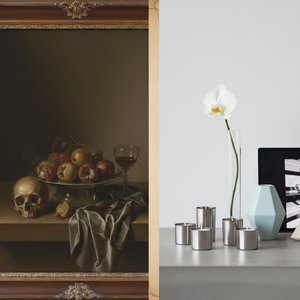
The Enduring Appeal of Still Life: A Historical & Contemporary Exploration
Explore the rich history & symbolism of still life painting with OriginalUniqueArt. Discover masterpieces from the Dutch Golden Age, learn about vanitas art, and find expert guidance for collecting timeless artworks.

The Enduring Legacy of Oil on Canvas: Technique, History & Aesthetic Impact
Explore the rich history & techniques of oil painting – from Renaissance masters to Impressionism. Discover pigments, layering methods, and why this timeless medium endures. Expert insights for artists & art enthusiasts.

Oil on Canvas: A Historical & Technical Exploration of a Timeless Artistic Medium
Explore the rich history & enduring techniques of oil painting on canvas. Discover the science behind its longevity, conservation practices, and contemporary relevance. Expert insights for art enthusiasts.

The Enduring Power of Painting: A Historical & Contemporary Exploration of Form and Emotion
Explore the rich history & enduring techniques of oil painting with OriginalUniqueArt. Discover masterpieces, learn about art collecting, and find authentic handmade reproductions crafted by skilled artists.


