- Főoldal

- Digitális kép
- Thomas Cole
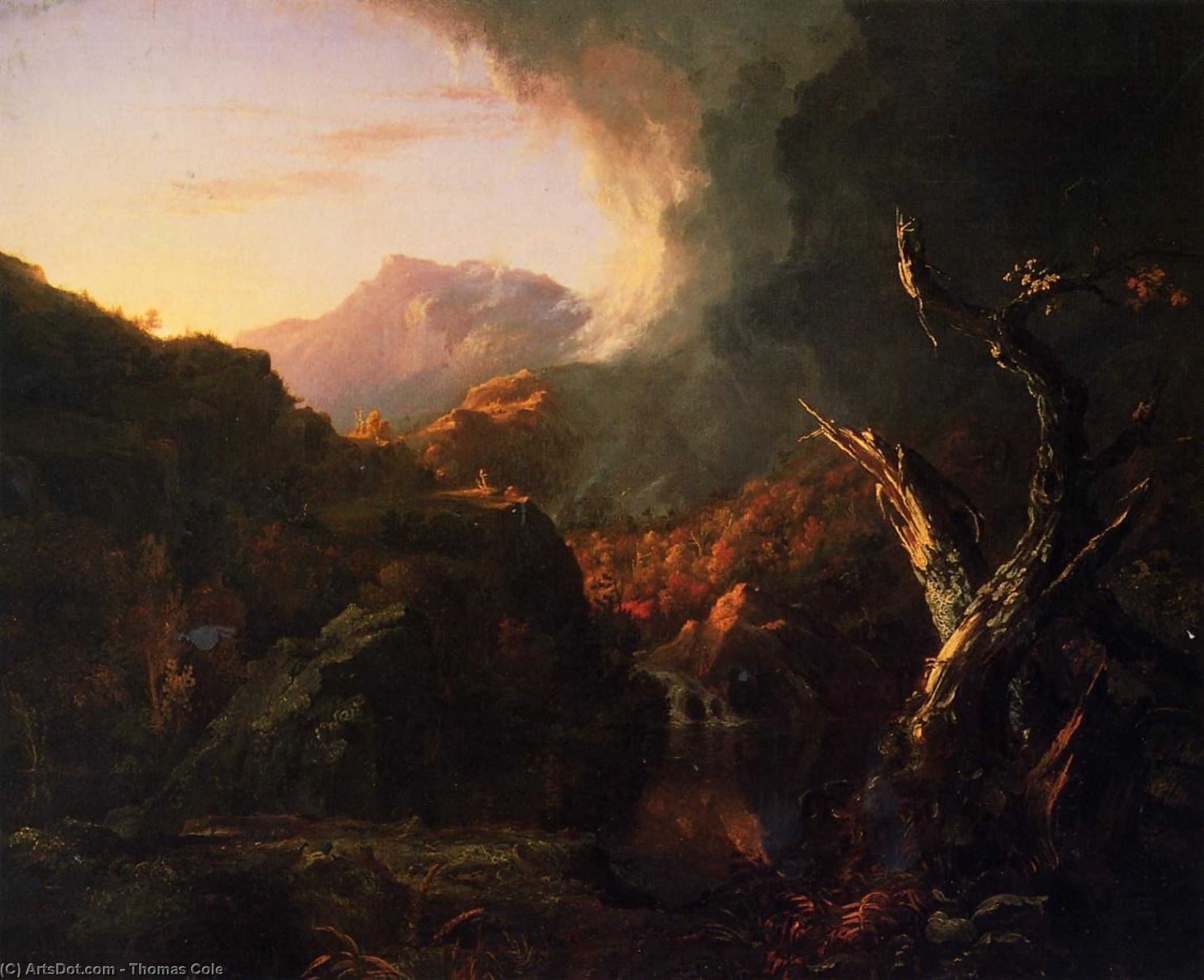
- Landscape with Dead Trees
 Előnézet
 Megosztás
 Megosztás
 Részletek

 Letöltés
 Hasonló alkotások
 X-ray felvétel
 Diavetítés
Landscape with Dead Trees


 Tovább olvasom
Vásároljon egy nagy felbontású, javított digitális képet, amely sokkal jobb minőségű, mint az online előnézet.
Minden fájlt szakembereink a legmodernebb eszközök és precíz, kézi retusálás segítségével készítenek el aprólékosan. Gondoskodunk arról, hogy minden kép kivételes tisztasággal, pontos színhelyességgel és részletgazdag finomsággal rendelkezzen.
A végleges fájl 72 órán belül e-mailben megérkezik, professzionális, szerkesztői és nyomtatási környezetbe optimalizálva az azonnali használathoz. Ez ugyanaz a minőség, amelyben a legmeghatározóbb tervezőstúdiók, kiadók és galériák is megbízhatnak.
Digitális alkotás
Töltsön le nagy felbontású fájlt személyes kiállításokhoz, nyomtatáshoz és kreatív projektekhez. ( Váltás nyomtatványra Áttérés a kézzel festett másolatra)
Minden digitális kép rendeléséhez tartozó extrák
Szakértői digitális kézbesítés, garantáltan
Amikor a OriginalUniqueArt.com weboldalt választja, nem csupán egy képet kap – professzionálisan felmagasított digitális műalkotást kap, amely precizitással készült, és amelyet megelégsedési gwarancia tesz biztoslássá. Az alábbiakban automatikusan minden benne 】

Gyors e-mail teslimítés
A nagy felbontású digitális képmásolatát a megrendelést követő 72 órán belül e-mailben elküldjük Önnek – azonnal használható formátumban.

MI-alapú digitális feldolgozású fájl
Műve professzionális módon kerül optimalizálásra fejlett mesterséges intelligencia eszközök és manuális szerkesztés segítségével, biztosítva a maximális részletességet, tisztaságot és színpontosságot.

Örök életű ingyenes újradelivery
Véletlenül törölted vagy elvesztetted a fájlodat? Ne aggódj – bármikor ingyenesen újra megküldjük neked.

Nincs importköltség – soha
Élvezze műalkotásait azonnal, vám, illeték vagy szállítási költség nélkül – a digitális letöltések mindig adamentesek.

Színpontosság Garancia
Professzionális eszközök és színkezelés segítségével garantáljuk, hogy digitális képe a lehető legpontosabban tükrözze az eredeti színeket.

60 napos elégedettségi garancia
Ha nemມີ elégedett a digitális képpel, 60 napon belül átmunkáljuk azt, vagy 100% visszatérítjük az amountot – kérdés nélkül.

100% Pénzvisszatérítési garancia
Nem érheted el a teljes elégedettséget? 60 napon belül teljes visszatérítést kapsz a digitális fájlod megérkezése után – kérdés बिना.

Tömegrendelési kedvezmények
Vásároljon 3 képet, spóroljon 10%-et - Vásároljon 5-öt, spóroljon 15%-et - Vásároljon 10+ képet, spóroljon 20%-at. Kiváló kreatív projektekhez, galériákhoz és ügynökségekhez.
A gyűjtemény leírása
A Meditation on Mortality: Thomas Cole's Landscape with Dead Trees
Thomas Cole’s “Landscape with Dead Trees,” painted in 1827, is more than just a depiction of a rugged American vista; it’s a profound meditation on the relationship between humanity and nature, a poignant exploration of life’s fleeting beauty, and a cornerstone of the Hudson River School movement. This oil-on-canvas masterpiece, currently residing within the Rhode Island School of Design Museum of Art, immediately draws the viewer into its dramatic scene – a cloudy sky pressing down upon a vast mountain range, a serene river winding through a shadowed valley, and most powerfully, the stark presence of decaying trees dominating the foreground.
- The Hudson River School’s Vision: Cole was a pivotal figure in this influential artistic movement, which sought to capture the sublime beauty of America's untamed landscapes. Unlike European artists who often favored historical or mythological subjects, the Hudson River School focused on portraying the grandeur and spiritual significance of the American wilderness.
- Chiaroscuro and Atmospheric Perspective: The artist masterfully employs chiaroscuro – the dramatic use of light and shadow – to create a palpable sense of depth and volume within the scene. This technique not only enhances the realism but also contributes significantly to the painting’s emotional impact, intensifying the feeling of isolation and contemplation.
- Symbolic Decay: The dead or dying trees are undeniably the most arresting element of the composition. They aren't merely a visual detail; they function as potent symbols representing the cycle of life and death, the inevitability of decay, and perhaps even a subtle critique of humanity’s impact on the natural world.
An Artist in Dialogue with Nature
Born in Bolton, England, in 1801, Thomas Cole's journey to becoming an American icon began with a move to Ohio in 1818. His early work as a portrait painter provided a foundation for his later explorations of landscape, but it was his immersion in the American wilderness that truly ignited his artistic spirit. Cole’s landscapes were deeply spiritual and allegorical, reflecting a burgeoning national identity grappling with questions of faith, progress, and its place within the natural world. He wasn't simply painting what he saw; he was translating his profound connection to nature into a powerful visual language.
His meticulous attention to detail – from the textures of the rocks to the subtle gradations of color in the sky – speaks to a deep appreciation for the natural world, a characteristic that defines the Hudson River School. Cole’s work resonates with a sense of melancholy and nostalgia, inviting viewers to contemplate the transient nature of beauty and the enduring power of the landscape.
Technique and Materials
“Landscape with Dead Trees” is executed in oil on canvas, utilizing traditional techniques that allowed Cole to achieve remarkable realism and luminosity. The vibrant colors he employs – deep greens, blues, and browns – are carefully layered to create a sense of depth and atmosphere. The artist’s skillful brushwork contributes to the painting's textural richness, further enhancing its visual impact. The use of impasto—thickly applied paint—is particularly evident in the depiction of the trees, adding to their three-dimensionality and emphasizing their vulnerability.
Owning a Piece of American Art History
Handmade oil painting reproductions of Thomas Cole’s “Landscape with Dead Trees” are now available for purchase, offering art enthusiasts and collectors the opportunity to own a stunning representation of this iconic work. These meticulously crafted reproductions capture the essence of Cole's artistic vision, allowing you to bring the beauty and contemplation of this masterpiece into your home or office. Contact OriginalUniqueArt.com today to secure your own piece of art history.
Művész életrajza
A Pioneer of American Landscape Painting
Thomas Cole, a name inextricably linked with the birth of distinctly American art, stands as a pivotal figure in 19th-century painting. Born in Bolton le Moors, Lancashire, England, in 1801, his early life offered little indication of the profound impact he would have on the artistic landscape. He arrived in America with his family in 1818 and settled in Ohio, embarking on a journey of self-discovery and artistic awakening. Initially working as an itinerant portrait painter—a common trade at the time—he soon found himself captivated by the untamed beauty of the American wilderness. This shift wasn’t merely a change in subject matter; it represented a fundamental divergence from European artistic traditions, which often prioritized historical or mythological narratives. Cole's landscapes weren’t simply depictions of scenery; they were imbued with a spiritual and allegorical depth that resonated deeply with a nation forging its own identity. His move to Catskill, New York, in 1825 proved transformative, providing him with both inspiration and a permanent base from which to explore the surrounding Hudson River Valley—a region destined to become inextricably linked with his artistic legacy.The Hudson River School and Romantic Ideals
Cole is rightfully regarded as the founder of the Hudson River School, an art movement characterized by its romantic portrayal of the American landscape. However, to label him simply a “landscape painter” feels inadequate. His work transcended mere representation; it was deeply philosophical, often exploring themes of humanity’s relationship with nature, the passage of time, and the rise and fall of civilizations. Influenced by European Romanticism—particularly the works of Claude Lorrain and J.M.W. Turner—Cole adapted these sensibilities to an American context. Where European Romantics frequently depicted dramatic, sublime landscapes as reflections of inner turmoil, Cole’s paintings often conveyed a sense of optimism and divine presence within the natural world. He saw in the vastness of the American wilderness a symbol of national potential and spiritual renewal. The Oxbow (1836), perhaps his most iconic work, exemplifies this perfectly—a sweeping vista that contrasts the wild, untamed river valley with the cultivated farmlands, representing both the promise and the challenges of westward expansion. The painting’s meticulous detail and subtle color palette invite contemplation on the delicate balance between nature and human intervention.Allegory and The Course of Empire
While celebrated for his realistic depictions of nature, Cole’s artistic ambition extended beyond pure landscape painting. He frequently employed allegory to convey complex moral and philosophical ideas. This is most powerfully demonstrated in his monumental series The Course of Empire, created between 1833 and 1836. Comprising five canvases—“Savage State,” “Pastoral State,” “Arcadian State,” “Consummation,” and “Destruction”—the series traces the cyclical history of a civilization, from its pristine origins to its inevitable decline. The paintings are not merely historical narratives; they serve as cautionary tales about the dangers of unchecked ambition and the fragility of human achievement. The series’ dramatic scale and evocative imagery powerfully conveyed Cole's concerns about the direction of American society during a period of rapid industrialization and expansion. The Course of Empire resonated deeply with contemporary audiences, reflecting anxieties about the potential for societal decay amidst progress.A Spiritual Vision and Lasting Influence
Thomas Cole’s artistic vision was profoundly shaped by his religious beliefs. He saw nature as a manifestation of God's presence in the world—a source of spiritual solace and moral guidance. This belief permeated his work, imbuing his landscapes with a sense of reverence and awe. Beyond his technical skill and allegorical narratives, Cole’s legacy lies in his ability to capture the essence of the American wilderness and imbue it with profound meaning. He mentored Frederic Edwin Church, who would become one of the leading figures of the second generation of Hudson River School painters, ensuring that Cole's artistic principles continued to influence American landscape painting for decades to come. His paintings remain powerful testaments to his unique vision—a synthesis of Romantic idealism and a deep appreciation for the beauty and majesty of the natural world.- Cole’s work continues to be exhibited in major museums across the United States, including the New-York Historical Society, the National Gallery of Art in Washington D.C., and the Smithsonian American Art Museum.
- His paintings are not merely historical artifacts; they remain powerfully evocative and relevant today, prompting viewers to contemplate their own relationship with nature and the enduring questions about humanity’s place in the world.
- The Thomas Cole National Historic Site in Catskill, New York, preserves his home and studio, offering visitors a glimpse into the life and work of this remarkable artist.

Thomas Cole
1801 - 1848 , Egyesült Királyság
Rövid tények
- Artistic Movement Or Style: Hudson River School
- Artists Or Movements Influenced By This Artist: ['Asher B. Durand']
- Date Of Birth: Feb 1, 1801
- Date Of Death: Feb 11, 1848
- Full Name: Thomas Cole
- Nationality: Amerikai
- Notable Artworks:
- The Course of Empire
- Oxbow
- Voyage of Life
- Place Of Birth: Bolton, Anglia

