Megtekintés
 Küldés
 Megosztás
 Részletek
 Útmutató

 Letöltés
 Hasonló darabok
 X-ray felvétel
 Diavetítés
 Q&A
Q&A Statisztika
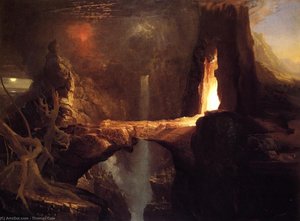
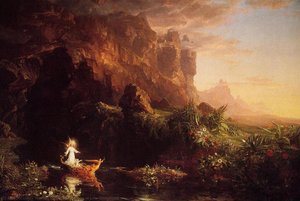
Genesee Scenery
 Oil On Canvas
- WallArt
- Hudson River School
 1847
1847 99.0 x 129.0 cm
 Összes részlet megjelenítése
Giclée / Műnyomat
Múzeumi minőségű giclée vagy vászonnyomat, gyors gyártással és rugalmas finomítási lehetőségekkel. ( Kézzel festett másolat rendelése Áttérés digitális képre)




P118B Ft10

P118H Ft10

P118W Ft10

P438Z Ft10

P508JH Ft12

P508YH Ft12

P805H Ft10

P805Z Ft10

P919BZ Ft10

P919G Ft10

P919XJ Ft10

P959ZH Ft10

P968JZ Ft12

W106C Ft8

W218G Ft10

W218JH Ft8

W218Y Ft10

W307PJ Ft10

W316G Ft10

W316PJ Ft8

W316Y Ft10

W398PJ Ft8

W4111J Ft10

W500HY Ft15

W500JH Ft15

W692G Ft12

W849H Ft8

W940BG Ft15

W953PJ Ft8




Válasszon előre meghatározott méreteink közül, amelyek megfelelnek a műalkotás eredeti arányainak.

Írja be a keretének vagy a falának megfelelő szélességet és magasságot. A nyomatot csak le lehet vágni, soha nem tehető nagyobbá, mint az eredeti kép, így egy eltérő alakú méretnél a kép egy része elveszik. Mielőtt bármit kinyatintanánk, küldünk egy digitális próbamodellt jóváhagyásra. Az oldalon látható kép nem tartalmazza a valós levágást — ezt csak a próbamodell mutatja meg.
Világszerte történő kiszállítás területére mindössze 2 hét alatt, a szokásos 4-5 hét helyett. (29 október)

Ingyenes globális expressz szállítás

Prémium minőségű len vászon

Teljes körű szállítási biztosítás

Vámvisszatérítési Garancia

Hiteles színarányosság garancia

100 napos visszaküldési lehetőség (csak hibás termékek esetén)

100% pénzvisszatérítési garancia

Több darab vásárlásakor kedvezmény
 Az üvegkeretes opció csak 110 cm alatti méretben érhető el

Genesee Scenery
Giclée / Műnyomat
Reprodukció mérete
-


Összesített ár
Ft 25847
Thomas Cole's Genesee Scenery: A Romantic Vision of America
- A Masterpiece of the Hudson River School
- Thomas Cole’s “Genesee Scenery,” completed in 1847, stands as a cornerstone of American Romanticism and a defining work within the influential Hudson River School movement.
- Measuring 99 x 129 cm, this oil on canvas painting transports viewers to a serene valley dominated by a cascading waterfall, surrounded by the vibrant hues of lush foliage. The scene is populated with figures enjoying the natural beauty, adding a human element to the vastness of the wilderness.
The Spirit of Romanticism and American Identity
Created during a period of profound transformation in America – a nation grappling with its identity and forging a new relationship with the land – “Genesee Scenery” embodies the core tenets of Romanticism. Unlike the classical traditions prevalent in Europe, which often focused on historical or mythological narratives, Cole sought to capture the raw beauty and spiritual significance of the American wilderness. This wasn’t simply landscape painting; it was an exploration of the nation's soul.
Cole’s work reflects a burgeoning sense of national pride and a desire to establish America as a land of unparalleled natural grandeur, mirroring the ideals of the time. The inclusion of figures enjoying the scene reinforces this theme – humanity’s harmonious connection with nature becomes central to the artwork's message.
Technique and Atmosphere: Light, Color, and Mood
Cole was a master of manipulating light and color to evoke specific moods and atmospheres. His meticulous brushwork and careful layering of pigments create a remarkable sense of depth and realism. The use of cool blues and greens in the foreground contrasts with warmer tones in the distance, drawing the viewer’s eye into the heart of the valley.
- Oil on Canvas: Cole's choice of oil paint allowed for rich, luminous colors and subtle gradations – essential to capturing the atmospheric effects of light filtering through trees.
- Impasto Technique: Noticeable impasto (thickly applied paint) in areas like the waterfall adds texture and emphasizes the dynamism of the water’s movement.
- Color Harmony: The carefully balanced color palette contributes significantly to the painting's serene and contemplative mood.
Symbolism and Interpretation
Beyond its aesthetic beauty, “Genesee Scenery” is rich in symbolic meaning. The waterfall, a recurring motif in Cole’s work, often represents the power of nature and the cyclical processes of life and death. The surrounding trees symbolize strength, resilience, and connection to the earth. The figures within the scene represent humanity's place within this grand natural order – observers, participants, and ultimately, humbled by the majesty of the wilderness.
A Legacy of Inspiration
"Genesee Scenery" remains a powerful testament to Thomas Cole’s artistic vision and his pivotal role in shaping American landscape painting. Its influence can be seen in countless subsequent works, continuing to inspire artists and captivate viewers with its breathtaking depiction of the American wilderness. This hand-painted reproduction offers an unparalleled opportunity to experience the beauty and emotional depth of this iconic masterpiece.
Kérdések és válaszok
„Genesee Scenery”, Thomas Cole alkotása színei élénkek vagy fakók?
A "Genesee Scenery" színe Subtle Color telítettségű és Monochromatic intenzitású.
A „Genesee Scenery”, Thomas Cole alkotása portré, tájékép vagy négyzet alakú kompozíció?
A "Genesee Scenery" formátuma Portrait. Ez hasznos, amikor tervezünk, hogy a reprodukciót hová helyezzük el.
Milyen hangulatot közvetít a „Genesee Scenery”, Thomas Cole alkotása a Hudson River School irányzaton belül?
A „Genesee Scenery” Tranquil hangulata kíséri a Hudson River School stílusát.
A művész életrajza
A Pioneer of American Landscape Painting
Thomas Cole, a name inextricably linked with the birth of distinctly American art, stands as a pivotal figure in 19th-century painting. Born in Bolton le Moors, Lancashire, England, in 1801, his early life offered little indication of the profound impact he would have on the artistic landscape. He arrived in America with his family in 1818 and settled in Ohio, embarking on a journey of self-discovery and artistic awakening. Initially working as an itinerant portrait painter—a common trade at the time—he soon found himself captivated by the untamed beauty of the American wilderness. This shift wasn’t merely a change in subject matter; it represented a fundamental divergence from European artistic traditions, which often prioritized historical or mythological narratives. Cole's landscapes weren’t simply depictions of scenery; they were imbued with a spiritual and allegorical depth that resonated deeply with a nation forging its own identity. His move to Catskill, New York, in 1825 proved transformative, providing him with both inspiration and a permanent base from which to explore the surrounding Hudson River Valley—a region destined to become inextricably linked with his artistic legacy.The Hudson River School and Romantic Ideals
Cole is rightfully regarded as the founder of the Hudson River School, an art movement characterized by its romantic portrayal of the American landscape. However, to label him simply a “landscape painter” feels inadequate. His work transcended mere representation; it was deeply philosophical, often exploring themes of humanity’s relationship with nature, the passage of time, and the rise and fall of civilizations. Influenced by European Romanticism—particularly the works of Claude Lorrain and J.M.W. Turner—Cole adapted these sensibilities to an American context. Where European Romantics frequently depicted dramatic, sublime landscapes as reflections of inner turmoil, Cole’s paintings often conveyed a sense of optimism and divine presence within the natural world. He saw in the vastness of the American wilderness a symbol of national potential and spiritual renewal. The Oxbow (1836), perhaps his most iconic work, exemplifies this perfectly—a sweeping vista that contrasts the wild, untamed river valley with the cultivated farmlands, representing both the promise and the challenges of westward expansion. The painting’s meticulous detail and subtle color palette invite contemplation on the delicate balance between nature and human intervention.Allegory and The Course of Empire
While celebrated for his realistic depictions of nature, Cole’s artistic ambition extended beyond pure landscape painting. He frequently employed allegory to convey complex moral and philosophical ideas. This is most powerfully demonstrated in his monumental series The Course of Empire, created between 1833 and 1836. Comprising five canvases—“Savage State,” “Pastoral State,” “Arcadian State,” “Consummation,” and “Destruction”—the series traces the cyclical history of a civilization, from its pristine origins to its inevitable decline. The paintings are not merely historical narratives; they serve as cautionary tales about the dangers of unchecked ambition and the fragility of human achievement. The series’ dramatic scale and evocative imagery powerfully conveyed Cole's concerns about the direction of American society during a period of rapid industrialization and expansion. The Course of Empire resonated deeply with contemporary audiences, reflecting anxieties about the potential for societal decay amidst progress.A Spiritual Vision and Lasting Influence
Thomas Cole’s artistic vision was profoundly shaped by his religious beliefs. He saw nature as a manifestation of God's presence in the world—a source of spiritual solace and moral guidance. This belief permeated his work, imbuing his landscapes with a sense of reverence and awe. Beyond his technical skill and allegorical narratives, Cole’s legacy lies in his ability to capture the essence of the American wilderness and imbue it with profound meaning. He mentored Frederic Edwin Church, who would become one of the leading figures of the second generation of Hudson River School painters, ensuring that Cole's artistic principles continued to influence American landscape painting for decades to come. His paintings remain powerful testaments to his unique vision—a synthesis of Romantic idealism and a deep appreciation for the beauty and majesty of the natural world.- Cole’s work continues to be exhibited in major museums across the United States, including the New-York Historical Society, the National Gallery of Art in Washington D.C., and the Smithsonian American Art Museum.
- His paintings are not merely historical artifacts; they remain powerfully evocative and relevant today, prompting viewers to contemplate their own relationship with nature and the enduring questions about humanity’s place in the world.
- The Thomas Cole National Historic Site in Catskill, New York, preserves his home and studio, offering visitors a glimpse into the life and work of this remarkable artist.

Thomas Cole
1801 - 1848 , Egyesült Királyság
Rövid információk
- Artistic Movement Or Style: Hudson River School
- Artists Or Movements Influenced By This Artist: ['Asher B. Durand']
- Date Of Birth: Feb 1, 1801
- Date Of Death: Feb 11, 1848
- Full Name: Thomas Cole
- Nationality: Amerikai
- Notable Artworks:
- The Course of Empire
- Oxbow
- Voyage of Life
- Place Of Birth: Bolton, Anglia
Kapcsolódó cikkek

American Romanticism: Capturing the Soul of the Wild Frontier through the Hudson River School
Explore the profound beauty of American Romanticism. Discover how the Hudson River School captured the wild frontier through masterful landscapes, exploring the legacy of legends like Thomas Cole and Asher Durand in this deep dive into art history.

The Sublime Landscape: Exploring the Hudson River School Movement
Explore the captivating world of the Hudson River School! Discover the history, artists, and defining characteristics of this iconic American art movement. Learn about Romanticism's influence & find inspiration for your collection.

A Hudson River Iskola 10 Mesterműve: Tájképfestészet és Amerika Lelke – OriginalUniqueArt
Fedezze fel a Hudson River Iskola 10 legikonikusabb műalkotását! Frederic Church, Thomas Cole és más amerikai festők romantikus tájképei. Vászonkép másolatok, faliképek otthonába – OriginalUniqueArt.com kínálatából. Explore the full collection online!

Wild & Untamed: The High-Impact Energy of American Romanticism and the Hudson River School
Experience the raw power of American Romanticism. Explore the high-impact energy of the Hudson River School through premium, hand-painted oil reproductions that capture the sublime beauty and untamed spirit of the American wilderness for discerning collectors.
Robert Spencer: Luminism, Narrative & the American Landscape Tradition
Explore the captivating world of Luminism & the Hudson River School with our expert analysis. Discover the history, artists, and enduring beauty of 19th-century American landscape painting. Find museum-quality reproductions at OriginalUniqueArt.