- Főoldal

- Olajfestmény reprodukció
- swing painter
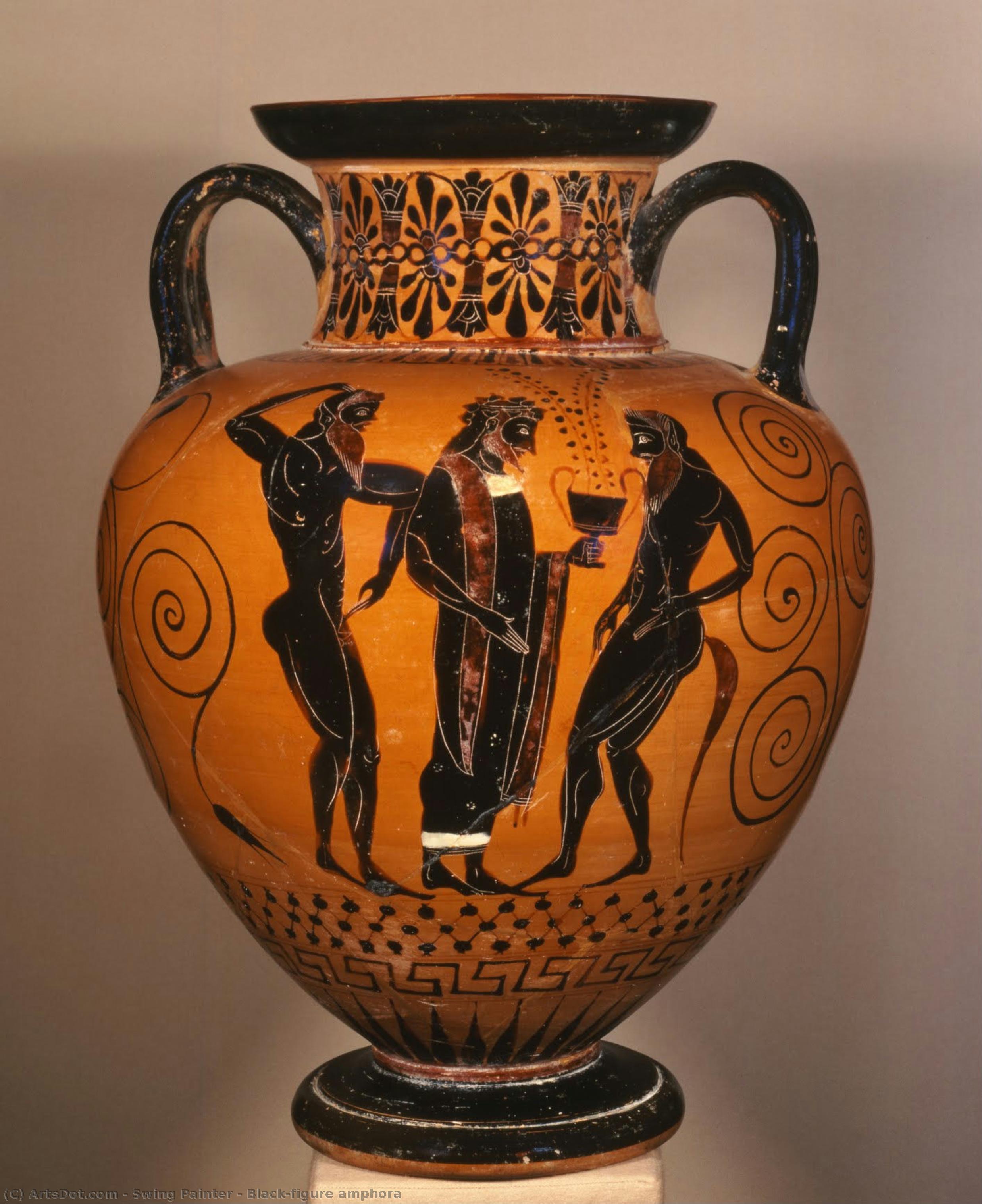
- Black-figure amphora
 Nyomat vásárlása Kép letöltése
 Megosztás
 Megosztás
 Részletek
 Kedvencekhez ad

 Letöltés
 Hasonló alkotások
 X-ray felvétel
 Diavetítés
Black-figure amphora
 18.0 x 40.0 cm
 Museum of Cycladic Art
 Tovább olvasom
Kézzel készített olajfestmény reprodukció
Kézzel festett olajvastú vászon, az Ön által választott méretben és keretben, művészeink készítik meglévőre.




































Válasszon előre meghatározott méreteink közül, amelyek megfelelnek a műalkotás eredeti arányainak.

Ön megadhat saját méreteket egy adott kerethez vagy térhez igazításhoz. Ha a kiválasztott méret nem egyezik az eredeti kép arányával, akkor a műalkotást levágjuk, vagy további kézzel festett elemekkel meghosszabbítjuk a festményt. A gyártás megkezdése előtt küldünk Önnek egy digitális előnézetet jóváhagyásra.
Kérjük, vegye figyelembe, hogy a képernyőn megjelenő előnézet nem tükrözi a tényleges vágást vagy kiterjesztést. Csak az előnézet fog pontosan mutatni a végső kompozíciót.
Bár egyedi méretek állnak rendelkezésre, javasoljuk, hogy válasszon egy méretet az előre meghatározott listából az eredeti arányok megőrzése érdekében.
A rendelést követően a OriginalUniqueArt.com csapata e-mailt küld az ügyfélnek az instrukciókért, és biztosít egy előnézeti képet (mockup).
Világszerte elérhető szállítás () 3-4 hét alatt a szokásos 5 hét helyett. (22 július). A minőség nem kérdőjelezhető.

Ingyenes globális expressz szállítás

Prémium minőségű len vászon

Teljes szállítási biztosítás

Vámvisszatérítési Garancia

Tökéletes színpontosság garancia

60 napos visszaküldési lehetőség (csak gyártási hibák esetén)

100%-os pénzvisszatérítési garancia

Kedvezmény több termény esetén
 Az üvegkeretes opció csak 110 cm alatti méretben érhető el

Black-figure amphora
Reprodukciós technika
A reprodukció mérete
-


Összesített ár
-
A műalkotás leírása
A művész életrajza
Swing Painter: An Unassuming Voice in Attic Black-Figure Pottery
Swing Painter remains an enigmatic figure within the annals of ancient Greek art, largely obscured by the brilliance of his contemporaries. Identified solely from a vase bearing his name – specifically a Panathenaic prize amphora – scholars have painstakingly reconstructed his life and artistic output based on fragmentary evidence. Born sometime before 550 BC in Athens, he flourished during the third quarter of the sixth century BC, coinciding with the peak activity of Group E, a prominent Athenian vase painting workshop. Despite producing an astonishing number of vases—estimated to be over fifty—his style is remarkably understated and lacks the grandeur often associated with artistic innovation. John Boardman aptly describes Swing Painter’s technique as “cursory,” suggesting a deliberate lack of meticulousness that paradoxically contributes to his enduring fascination. Unlike many artists of his era who adhered rigidly to established conventions, Swing Painter embraced experimentation, notably incorporating additional colors beyond the traditional black and red palette to create striking patterns on clothing—a bold move for its time. This willingness to deviate from accepted norms distinguishes him as an artist who prioritized originality over adherence to stylistic trends. His artistic repertoire encompassed both mythological narratives and depictions of everyday life. Among his most notable works are representations of Herakles and Busiris, scenes that stand apart due to their unique visual interpretation. Furthermore, he captured moments of Athenian daily existence—such as men on stilts and domestic motifs—demonstrating a keen observation of the human condition. The vase featuring a swing is particularly significant, serving as both his namesake and a testament to his artistic sensibility. Swing Painter’s influence extends beyond individual pieces; he played a crucial role in shaping the aesthetic landscape of Attic pottery during his formative years. His distinctive style—characterized by oversized heads with clenched fists and striking noses—elicits an unintentional humor that resonates across centuries, prompting modern viewers to reconsider perceptions of ancient Greek art. While not considered among the foremost artists of his time, Swing Painter’s legacy persists as a symbol of artistic courage and a reminder that beauty can reside in simplicity and unexpected detail.- Notable Works: Herakles and Busiris Amphorae; Men on Stilts Vase; Panathenaic Prize Amphora
- Style Characteristics: Cursory Technique; Bold Use of Color; Distinctive Head Portrayals
- Historical Significance: Represents a Counterpoint to Established Conventions; Embodies Athenian Artistic Spirit
Technique and Innovation
Swing Painter’s artistic approach was marked by a deliberate departure from prevailing stylistic norms. Unlike many of his peers who meticulously followed established conventions, he prioritized originality and experimentation. This is evident in his use of color—particularly the incorporation of hues beyond the standard black and red palette—to create vibrant patterns on clothing. Boardman noted that this technique demonstrated “a boldness” uncommon among his contemporaries. His vase paintings are characterized by a remarkable level of detail despite their apparent carelessness. The oversized heads of his figures, with their clenched fists and striking noses, possess an unintentional comedic quality that continues to captivate audiences today. This stylistic quirk underscores Swing Painter’s ability to infuse humor into seemingly solemn subjects—a characteristic that distinguishes him from many other artists of the period.
swing painter
Greece
Rövid tények
- Artistic Movement Or Style: Black-figure vase painting
- Date Of Death: Living
- Full Name: Swing Painter
- Nationality: Greek
- Notable Artworks:
- Herakles and Busiris
- Panathenaic prize amphora
- Place Of Birth: Greece

