

 Megtekintés
 Küldés
 Megosztás
 Részletek
 Útmutató

 Letöltés
 Hasonló darabok
 X-ray felvétel
 Diavetítés
 Statisztika
Osen
 Fakémia nyomat
- Ukiyo-e stílus
 19. század
 21.0 x 27.0 cm
 Tobacco and Salt Museum
 Összes részlet megjelenítése
Giclée / Műnyomat
Múzeumi minőségű giclée vagy vászonnyomat, gyors gyártással és rugalmas finomítási lehetőségekkel. ( Kézzel festett másolat rendelése Áttérés digitális képre)




P118B Ft10

P118H Ft10

P118W Ft10

P438Z Ft10

P508JH Ft12

P508YH Ft12

P805H Ft10

P805Z Ft10

P919BZ Ft10

P919G Ft10

P919XJ Ft10

P959ZH Ft10

P968JZ Ft12

W106C Ft8

W218G Ft10

W218JH Ft8

W218Y Ft10

W307PJ Ft10

W316G Ft10

W316PJ Ft8

W316Y Ft10

W398PJ Ft8

W4111J Ft10

W500HY Ft15

W500JH Ft15

W692G Ft12

W849H Ft8

W940BG Ft15

W953PJ Ft8




Válasszon előre meghatározott méreteink közül, amelyek megfelelnek a műalkotás eredeti arányainak.

Írja be a keretének vagy a falának megfelelő szélességet és magasságot. A nyomatot csak le lehet vágni, soha nem tehető nagyobbá, mint az eredeti kép, így egy eltérő alakú méretnél a kép egy része elveszik. Mielőtt bármit kinyatintanánk, küldünk egy digitális próbamodellt jóváhagyásra. Az oldalon látható kép nem tartalmazza a valós levágást — ezt csak a próbamodell mutatja meg.
Világszerte történő kiszállítás területére mindössze 2 hét alatt, a szokásos 4-5 hét helyett. (25 október)

Ingyenes globális expressz szállítás

Prémium minőségű len vászon

Teljes körű szállítási biztosítás

Vámvisszatérítési Garancia

Hiteles színarányosság garancia

100 napos visszaküldési lehetőség (csak hibás termékek esetén)

100% pénzvisszatérítési garancia

Több darab vásárlásakor kedvezmény
 Az üvegkeretes opció csak 110 cm alatti méretben érhető el

Osen
Giclée / Műnyomat
Reprodukció mérete
-


Összesített ár
Ft 25642
Suzuki Harunobu „Osen” alkotása: Ablak az ukiyo-e kifinomult szépségére
Ez a lélegzetelállító, kézzel festett reprodukció megörökíti Suzuki Harunobu japán művészet iránti meghatározó hozzájárulásának lényegét – a 18. század közepén készült nishiki-e, vagyis brokádnyomatok mesteri példáját. A 21 x 27 cm-es méretű alkotás az ukiyo-ké stílus vibráló világába repíti μας, egy olyan irányzatba, amely Harunobu életében virágzott, és pillantásokat kínált a mindennapi élet, a szépség és a szórakozás múló pillanataiba. A jelenet két nőt ábrázol – egy „osen”-t, vagy geishát –, akik a csendes társasági élvezet pillanatában gyülekeztek, mély és megható visszafelejtést mutatva az Edo-kori Japán társas szokásairól és művészeti innovációiról.
Az influenciák és az innováció szintézise
Suzuki Harunobu művészeti útját a hagyomány és az kísérletezés közötti lenyűgöző kölcsönhatás jellemezte. 1725-ben, Tokióban született művész kezdetben a Torii iskola stílusában dolgozott, amely a fahengerről készült nyomatok ügyes, de némileg konvencionális megközelítéséről ismert volt. Azonban kapcsolatrendszere egy literátor szamurájokból álló csoporttal való találkozása gyökeresen megváltoztatta pályáját. Ez a kollaboráció arra ösztönözte, hogy új formátumokat és stílusokat fogadjon el, ami különösen a nishiki-e nyomatok létrehozásában vált láthatóvá. Harunobu elkötelezettsége ezen az innovatív stílus iránt itt megdöbbentően egyértelmű; a fahengerekhez aprólékosan válogatott prémium minőségű fafajokat, és gazdagabb, drágább pigmenteket használt – ami tudatos szakítás volt a korábbi gyakorlatokkal –, tükrözve elszántságát a grafikai művészet színvonalának emelésében. Torii Kiyomitsu, Ishikawa Toyonobu és különösen tanára, Nishikawa Sukenobu művészek hatása finoman szövődött bele a kompozícióba, alkotva a művészeti örökség összetett szövetét.
A tematikus tartalom és a szimbolika
A központi alakok, az „osen”-ek nem csupán gyönyörű nőként jelennek meg; ők az Edo társadalomban betöltött kulcsfontosságú társadalmi szerepet képviselik. Az osen rendkívül képzett szórakoztatók voltak, akik zenéjükkel, táncukkal, költészetükkel és beszélgetésükkel váltak híressé. Lét presence jų ebben a nyomtatványban a kifinomult szabadidős tevékenységek és a kulturális kifinomultság fontosságáról tesz tanúskodást. A csészék és tálak megjelenítése egy intim összejövetelt sugall, talán egy privát szalon momentaryát vagy a közös öröm pillanatát. A háttérben lévő alak egy újabb narratív réteget ad a történethez, utalva egy szélesebb társadalmi kontextusra – ez lehet egy jelenetet megfigyelő megbízó, vagy éppen a beszélgetéshez csatlakozó másik résztvevő. A gondosan elhelyezett székek tovább növelik a házi nyugalom és az elegáns ízlés érzetét.
Technika és érzelmi hatás
Harunobu aprólékos részességre való figyelme azonnal érezhető ebben a reprodukcióban. Az anyagok finom ábrázolása, a színek szubtilis gradációi és a figurák pontos kivitelezése a fahengerről készült nyomtatási technikák mesteri tudását demonstrálja. Az összkép békés szépséget és csendes kontemplációt sugall. Ez a mű nostaégi érzést kelt egy elmúlt kor iránt, meghívva a nézőket, hogy tiszteljék az ukiyo-e nyomatok művészetét és kulturális jelentőségét. A kompozíció harmonikus egyensúlya és gyengéd hangulata kifinomult eleganciát teremt – Harunobu művészi víziójának időtlen bizonyítékaként.
Kérdések és válaszok
Milyen érzést közvetít a „Osen”, Suzuki Harunobu alkotása?
A „Osen”, Suzuki Harunobu alkotása egy Belső elmélyülésre invitáló érzést közvetít, egy összonosan Békés hangulatban.
Milyen érzelmi hangulatot áraszt a „Osen”, Suzuki Harunobu alkotása?
A „Osen”, Suzuki Harunobu alkotása egy Belső elmélyülésre invitáló érzelmi hangulatot közvetít.
Vannak a „Osen” alkotáshoz hasonló művek?
A „Osen”, Suzuki Harunobu alkotása alkotással hasonló műalkotások a(z) Hasonló alkotások oldalon találhatók.
A művész életrajza
Suzuki Harunobu – A Pioneer of Color Printmaking
Suzuki Harunobu (1725–8 July 1770) stands as a monumental figure in Japanese art history, recognized primarily for his groundbreaking innovation—the introduction of full-color printing to *ukiyo-e* art. Prior to his transformative work in 1765, prints were predominantly executed in monochrome, utilizing two or three colors, marking a significant limitation on artistic expression and visual impact. Harunobu’s achievement wasn't merely technical; it fundamentally altered the aesthetic landscape of Edo Japan and profoundly influenced subsequent generations of artists worldwide—a phenomenon known as Japonisme.- Early Life & Influences: While precise details about Harunobu’s birthdate and origins remain elusive, he was born around 1725 in Tokyo (then Edo), the capital of Tokugawa Japan. His family lineage traced back to samurai ancestry, notably a retainer serving Tokugawa Ieyasu during the unification wars, which instilled within him a sense of noble heritage. Notably, Harunobu’s father and grandfather experienced exile from Edo due to involvement in gambling and illicit activities—a circumstance that shaped his formative years and exposed him to societal complexities.
- Training & Artistic Style: Harunobu's artistic journey commenced under the tutelage of Nishikawa Sukenobu, a celebrated *ukiyo-e* master who championed the use of multiple woodblocks for color printing. This mentorship proved pivotal in establishing Harunobu’s distinctive style—characterized by delicate linework and subtle tonal gradations—which drew heavily from the Torii school's aesthetic sensibilities.
- The Birth of Nishiki-e: Harunobu’s genius shone brightest during his collaboration with literati samurai, who sought to elevate their artistic endeavors through innovative techniques. Recognizing the limitations of monochrome prints, he spearheaded the development of *nishiki-e*, utilizing a revolutionary process involving ten or more woodblocks meticulously carved and inked separately—a method that dramatically expanded the palette available to artists and ushered in an era of vibrant color reproductions.
- Subject Matter & Artistic Vision: Harunobu’s oeuvre encompassed a breathtaking array of subjects, ranging from serene landscapes depicting Mount Fuji to captivating depictions of aristocratic beauties and theatrical performances featuring kabuki actors. His prints weren't merely representations; they conveyed profound emotions and captured the essence of Japanese culture—reflecting the spirit of his time.
- Legacy & Influence: Harunobu’s impact extended far beyond his own lifetime, inspiring countless artists who imitated his style and techniques. He is considered a cornerstone of Japonisme, influencing European painters like Claude Léopold Bouvet and Eugène Delacroix, who embraced Japanese aesthetics and incorporated bold colors and asymmetrical compositions into their artworks. Suzuki Harunobu's contribution to art history cemented his place as one of Japan’s most influential artists—a visionary whose innovations continue to resonate with audiences today.
Notable Works & Techniques
Harunobu’s artistic prowess manifested itself in a series of iconic prints that exemplify the zenith of Edo-period artistry. Among his masterpieces are “Herons Et Roseaux,” showcasing masterful composition and tonal harmony, and “Young Woman Jumping...”, which captures an exquisite moment of grace with remarkable precision. His technique involved meticulous carving of woodblocks—often numbering ten or more—each painstakingly inked separately to achieve stunning color effects. This innovative approach distinguished Harunobu from his contemporaries and established him as a pioneer in printmaking methodology.Museum Collections & Exhibitions
Suzuki Harunobu’s artworks are proudly displayed in prestigious museums across Japan and internationally, including the Indianapolis Museum of Art and Fukuoka City Museum—testaments to their enduring artistic merit and cultural significance. These institutions offer visitors invaluable opportunities to appreciate Harunobu's genius firsthand and delve deeper into his contribution to Japanese art history.Further Exploration
To gain a more comprehensive understanding of Suzuki Harunobu’s life and work, consult scholarly articles and biographical studies available online—particularly those focusing on his influence within the Torii school and Nishiki-e movement. Examining related publications will illuminate the broader context of Edo Japan's artistic landscape and solidify Harunobu’s position as a transformative figure in art history.
Suzuki Harunobu
1725 - 1770 , Japán
Rövid információk
- Artistic Movement Or Style: Ukiyo-e, Nishiki-e
- Artists Or Movements Influenced By This Artist:
- Hokusai
- Hiroshige
- Artists Who Influenced This Artist: ['Nishikawa Sukenobu']
- Date Of Birth: 1725?
- Date Of Death: 1770
- Full Name: Suzuki Harunobu
- Nationality: Japán
- Notable Artworks:
- Heronok és szalagfüzérek
- Fiatal nő a szobában
- Place Of Birth: Edo (Tokyo), Japán
Kapcsolódó cikkek

Floating Worlds: A Definitive Guide to the Timeless Elegance of Ukiyo-e Artistry
Embark on a journey through the 'Floating World' with our expert guide to Ukiyo-e. Discover the profound history, legendary masters like Hokusai and Harunobu, and the enduring influence of Japanese woodblock prints on global art history.
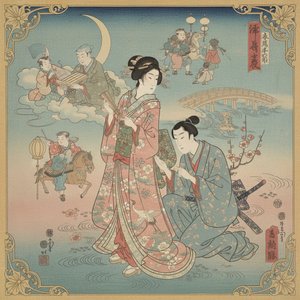
Suzuki Harunobu: Pioneering Ukiyo-e & the Refinement of Edo Period Printmaking
Discover the revolutionary world of Suzuki Harunobu, a pioneer of ukiyo-e printmaking. Explore his exquisite nishiki-e techniques, diverse subjects & lasting impact on Japanese art history. Learn more at OriginalUniqueArt.
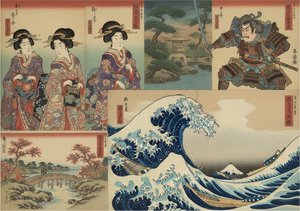
Ukiyo-e: Exploring Japan's Floating World & Enduring Artistic Legacy
Explore the captivating world of Ukiyo-e – Japan's iconic woodblock prints! Discover masters like Hokusai & Hiroshige, learn about Edo period culture, and find expert art collecting guidance at OriginalUniqueArt.
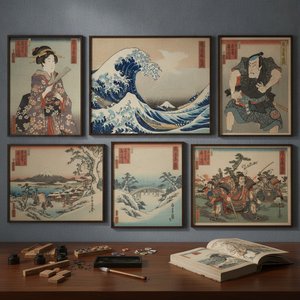
Ukiyo-e: The Art of the Floating World and the Legacy of Japanese Woodblock Masters
Explore the profound history of Ukiyo-e, from Hokusai's iconic waves to the vibrant culture of Edo Japan. Discover the intricate craft of woodblock printing and the enduring legacy of these Japanese masterpieces through our expert art history guide.

Katsushika Hokusai 25 Mesterműve: A Japán Art Élmény, Otthonodban – OriginalUniqueArt
Fedezze fel Katsushika Hokusai 25 legikonikusabb műalkotását! Merüljön el a japán ukiyo-e világában, ismerje meg a 'Nagy Hullám' történetét és más remekműveket. Museum minőségű reprodukciók otthonába – OriginalUniqueArt.com.


