 Megtekintés
 Küldés
 Megosztás
 Részletek
 Útmutató

 Letöltés
 Hasonló darabok
 X-ray felvétel
 Diavetítés
 Kérdések és válaszok
 Statisztika

A View in Venice

- 35.0 x 27.0 cm


 Összes részlet megjelenítése
Giclée / Műnyomat
Múzeumi minőségű giclée vagy vászonnyomat, gyors gyártással és rugalmas finomítási lehetőségekkel. ( Kézzel festett másolat rendelése Áttérés digitális képre)




P118B Ft10

P118H Ft10

P118W Ft10

P438Z Ft10

P508JH Ft12

P508YH Ft12

P805H Ft10

P805Z Ft10

P919BZ Ft10

P919G Ft10

P919XJ Ft10

P959ZH Ft10

P968JZ Ft12

W106C Ft8

W218G Ft10

W218JH Ft8

W218Y Ft10

W307PJ Ft10

W316G Ft10

W316PJ Ft8

W316Y Ft10

W398PJ Ft8

W4111J Ft10

W500HY Ft15

W500JH Ft15

W692G Ft12

W849H Ft8

W940BG Ft15

W953PJ Ft8




Válasszon előre meghatározott méreteink közül, amelyek megfelelnek a műalkotás eredeti arányainak.

Írja be a keretének vagy a falának megfelelő szélességet és magasságot. A nyomatot csak le lehet vágni, soha nem tehető nagyobbá, mint az eredeti kép, így egy eltérő alakú méretnél a kép egy része elveszik. Mielőtt bármit kinyatintanánk, küldünk egy digitális próbamodellt jóváhagyásra. Az oldalon látható kép nem tartalmazza a valós levágást — ezt csak a próbamodell mutatja meg.
Világszerte történő kiszállítás területére mindössze 2 hét alatt, a szokásos 4-5 hét helyett. (5 november)

Ingyenes globális expressz szállítás

Prémium minőségű len vászon

Teljes körű szállítási biztosítás

Vámvisszatérítési Garancia

Hiteles színarányosság garancia

100 napos visszaküldési lehetőség (csak hibás termékek esetén)

100% pénzvisszatérítési garancia

Több darab vásárlásakor kedvezmény
 Az üvegkeretes opció csak 110 cm alatti méretben érhető el

A View in Venice
Giclée / Műnyomat
Reprodukció mérete
-


Összesített ár
Ft 26492
A Window into Venetian Serenity
In her evocative 1880 masterpiece, A View in Venice, Susan Isabel Dacre invites the viewer to step away from the bustle of modern life and drift into a moment of profound tranquility. The painting captures a quintessential Venetian scene, where the rhythmic dance of light upon the water meets the timeless architecture of Italy's most romantic city. At first glance, one is struck by the warmth that radiates from the canvas; Dacre employs a palette dominated by sun-drenched oranges and deep reds, which cling to the facades of the closely packed buildings. These structures, complete with delicate balconies and weathered shutters, stand as silent witnesses to the passage of time, their surfaces reflecting the golden glow of a Mediterranean afternoon.
The composition is anchored by the gentle movement of boats navigating the canal, suggesting a life lived in harmony with the tides. A single figure stands near the center, perhaps a gondolier or a local resident, adding a touch of human narrative to the landscape. This presence serves as an emotional anchor, grounding the dreamlike atmosphere in a relatable reality. As the eye wanders across the water, it encounters the shimmering reflections of the sky and architecture, where the boundary between the solid world and its liquid mirror becomes beautifully blurred.
The Impressionist Touch and Technical Mastery
Technically, A View in Venice is a triumph of late 19th-century impressionistic sensibility. Dacre eschews rigid, clinical lines in favor of soft, fluid brushstrokes that prioritize the essence of light over mere topographical accuracy. This technique allows the artist to capture the ephemeral quality of atmosphere—the way humidity softens the edges of a distant palazzo or how sunlight scatters across a rippling canal. The use of oil on panel provides a rich, luminous depth, allowing the warm pigments to glow from within the layers of paint.
For the discerning collector or interior designer, this painting offers more than just a visual subject; it offers an atmosphere. The interplay of light and shadow creates a dynamic energy that breathes life into any space. Whether placed in a sunlit gallery or a sophisticated study, the work acts as a portal to another era. Its ability to evoke both realism through its architectural detail and dreamlike beauty through its loose execution makes it a versatile centerpiece for those seeking to infuse their surroundings with a sense of historical elegance and romantic nostalgia.
A Legacy of Resilience and Artistry
To understand the soul of this painting, one must consider the hand that held the brush. Susan Isabel Dacre was a woman of remarkable fortitude, navigating the complexities of the Victorian era as both an artist and an advocate for women's rights. Her life, marked by travels through war-torn Europe and her role in founding the Manchester Society of Women Artists, infused her work with a unique depth of perspective. In A View in Venice, we see the culmination of this worldly experience—a refined ability to find peace and beauty amidst the complexities of existence.
Owning a reproduction of this work is an opportunity to possess a fragment of art history. It is a tribute to a period when artists sought to capture the fleeting magic of the natural world, and it remains a timeless invitation to wander through the canals of Venice, lost in the soft light and the enduring charm of a bygone age.
Kérdések és válaszok
Milyen színintenzitással rendelkezik a „A View in Venice”, Dacre Szusanna Izabella alkotása?
A "A View in Venice" színtelítettsége Balanced. Az intenzitás azt mutatja meg, mennyire erőteljesnek tűnnek a színek.
Milyen helyet foglal el a művészettörténelemben a "A View in Venice"?
A „A View in Venice”, Dacre Szusanna Izabella alkotása művészettörténeti besorolása a Impressionism, a 19th Century korszakba tartozik.
Ajánlott-e ajándékba „A View in Venice”, Dacre Szusanna Izabella alkotása, és kinek?
A „A View in Venice”, Dacre Szusanna Izabella alkotása kiváló ajándék Anniversary, különösen Mood céljából. A műalkotás reprodukciója tökéletes választás lehet ajándékként.
A művész életrajza
A Life Painted in Resilience: The Story of Susan Isabel Dacre
Susan Isabel Dacre, born in 1844 amidst the vibrant and rapidly changing landscape of Victorian Britain, was far more than simply a painter; she embodied a quiet revolution – a testament to the burgeoning spirit of women challenging societal expectations. Her life, spanning nearly nine decades into the early 20th century, mirrored the shifting currents of artistic expression and the passionate struggle for female emancipation. Born in Leamington Spa, a town renowned for its elegant Regency architecture and thriving arts scene, Dacre’s journey was not one paved with immediate privilege or established patronage. Instead, it was forged through keen observation, relentless dedication to her craft, and an unyielding spirit that refused to be confined by the limitations imposed upon women of her era. Her early years, spent navigating the complexities of convent schooling followed by periods as a governess – even witnessing the harrowing events of the Franco-Prussian War firsthand during a brief sojourn in Paris – instilled within her a profound understanding of human experience and a deep sensitivity to the world’s injustices. These formative experiences undoubtedly shaped her artistic perspective, fostering both an appreciation for nuanced emotion and a steadfast commitment to social justice.Artistic Development and Influences
Dacre's formal artistic training began in earnest upon her return to England in 1871, enrolling at the Manchester School of Art – a progressive institution that actively encouraged female participation in the arts. It was there that she quickly distinguished herself, earning the prestigious Queen’s Prize in 1875, a remarkable achievement for a woman artist at that time. This recognition solidified her resolve to pursue painting as a profession, a bold and unconventional decision given the prevailing social attitudes. Her early style reflected the prevalent realism of the Victorian period – meticulous detail and a focus on accurately depicting the world around her. However, beneath this surface lay an emerging sensitivity to light, color, and atmosphere, hinting at a willingness to embrace contemporary artistic trends. While pinpointing specific, definitive influences is challenging due to limited documentation, it’s clear that Dacre's work resonated with the prevailing realist tendencies of the time. Yet, subtle echoes of Impressionism – particularly in her evocative landscape paintings – suggest an openness to the burgeoning movement across Europe. Lord Leighton, a prominent figure in the Royal Academy and known for his atmospheric landscapes and elegant portraits, exerted a significant influence on Dacre’s artistic development during a period she spent studying in Capri; he provided invaluable guidance on techniques and offered insightful observations about capturing light and mood. This mentorship demonstrated a willingness from established male artists to acknowledge and support female talent – a rare occurrence at the time. Her portraiture, however, remained central to her practice, allowing her to explore character and individuality with remarkable depth and psychological insight.Themes and Notable Works
Dacre’s oeuvre is remarkably diverse, encompassing a wide range of subjects that reflect both her personal experiences and her broader social concerns. Italian Women in Church stands as perhaps her most iconic work – a poignant depiction of several women within a religious setting, capturing not only their physical appearance but also the subtle nuances of emotion and interaction. The painting’s muted color palette and atmospheric lighting evoke a sense of quiet contemplation and spiritual connection. Her fascination with Italy is further evident in works such as Assisi from Perugia and Assisi from the City Walls, where she masterfully conveys the beauty and tranquility of the Italian countryside using soft brushstrokes and delicate tonal variations. These landscapes are not merely scenic representations; they are imbued with a sense of peace and serenity – reflecting Dacre’s own desire for escape and contemplation. The Artist’s Mother is another particularly touching piece, showcasing her remarkable ability to capture familial bonds with sensitivity and grace. The portrait reveals a deep affection between the artist and her mother, conveying a profound sense of connection through subtle gestures and intimate details. Recurring themes throughout Dacre's work include a celebration of female strength and individuality – often subtly expressed in her portraits – alongside an enduring appreciation for the beauty of nature and glimpses into everyday Victorian life. These weren’t simply aesthetic choices; they were reflections of her own values and beliefs, quietly challenging conventional representations of women and society.A Champion of Women Artists and Suffrage
Beyond her artistic achievements, Susan Isabel Dacre was a passionate advocate for female artists and the broader cause of women's rights. In 1876, she co-founded the Manchester Society of Women Artists – a groundbreaking initiative that provided a vital platform for female artists to exhibit their work, network with peers, and gain recognition within a male-dominated art world. This organization served as a crucial support system, offering opportunities that were largely unavailable to women at the time. Dacre’s commitment extended beyond simply providing an exhibition space; she actively served as president of the Society for several years, demonstrating her leadership and unwavering dedication to fostering a supportive community for female artists. Furthermore, she was a dedicated member of the Manchester National Society for Women's Suffrage, tirelessly campaigning for women's right to vote – a cause that resonated deeply with her own experiences and beliefs. Her activism spanned nearly two decades (1885-95), reflecting a sustained commitment to social change. Her success in gaining membership on the council of the Manchester Academy of Fine Arts in 1897 was a significant milestone, breaking down barriers and paving the way for future generations of female artists to achieve recognition within established institutions.Enduring Significance
Susan Isabel Dacre passed away in 1933, leaving behind a legacy that continues to inspire and resonate today. Her artistic contributions – the evocative landscapes, compelling portraits, and sensitive genre scenes – offer valuable insights into Victorian society, gender roles, and the burgeoning feminist movement. However, her significance extends far beyond her art; she was a pioneering figure who challenged societal norms, defied expectations, and actively worked to create opportunities for women in both the art world and beyond. Dacre’s life stands as a powerful testament to the importance of perseverance, artistic vision, and the courage to fight for what one believes in. Her paintings are not merely beautiful works of art; they are windows into a bygone era – offering glimpses into the lives and experiences of women who dared to challenge convention and pursue their passions with unwavering determination. She remains an enduring symbol of female empowerment and artistic innovation.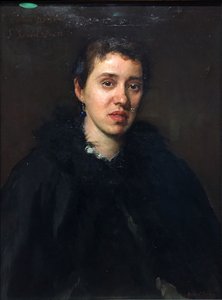
Dacre Szusanna Izabella
1844 - 1933 , Egyesült Királyföld
Rövid információk
- Artistic Movement Or Style: Realista, romantika
- Date Of Birth: 1844
- Date Of Death: 1933
- Full Name: Susan Isabel Dacre
- Nationality: Angol
- Notable Artworks:
- Olasz nők templomban
- Perugia kilátása
- A művésznő anyja
- Place Of Birth: Leamington Spa, Anglia
Kapcsolódó cikkek

A művészettörténet 10 legikonikusabb olajfestménye – OriginalUniqueArt.com
Fedezze fel a művészettörténet 10 legikonikusabb olajfestményét! Rembrandt, Van Gogh és más mesterek remekművei – történelem, technika, inspiráció. Vásároljon minőségi reprodukciókat a OriginalUniqueArt.com-on!

Oil on Board: A Historical Survey of Technique, Aesthetic Qualities & Enduring Appeal
Explore the rich history of oil on board painting! Discover techniques, aesthetic qualities & enduring appeal from early masters to modern practice. Expert insights for collectors and art enthusiasts.

Mastering the Surface: The Timeless Elegance and Technical Brilliance of Oil on Panel Painting
Discover the enduring allure of oil on panel painting. Explore the technical mastery, historical significance, and luminous depth that define this prestigious medium, from Renaissance masters to modern fine art reproductions for discerning collectors.

The Timeless Beauty of Oil on Panel: Capturing Light and Texture through the Impressionist Lens
Discover the exquisite depth of oil on panel. Explore how Impressionist masters captured light and texture through tactile brushwork, and learn how to bring these museum-quality, hand-painted masterpieces into your home with expert curation.

Oil on Panel: A Historical Survey of Technique, Support & Aesthetic Evolution
Explore the rich history of oil on panel painting! Discover Renaissance techniques, support structures & aesthetic evolution. Expert insights for art collectors and enthusiasts.


