
 Megtekintés
 Küldés
 Megosztás
 Részletek
 Útmutató

 Letöltés
 Hasonló darabok
 X-ray felvétel
 Diavetítés
 Kérdések és válaszok
 Statisztika
Tropes de Teens

- 115.0 x 153.0 cm


 Összes részlet megjelenítése
Szerezzen be nyomtatásra kész fájlt, amely messze túlmutat a webes előnézeten. Minden általunk értékesített digitális kép az adatbázisunkban található nagy felbontású mesterfájlból származik – általában 5 000 és 15 000 pixel szélességű –, így magabiztosan nyomtathat nagy méretben, sokat vághat a képen, vagy reprodukálhatja a legfinomabb részleteket is.
Stúdiómból egyetlen fájl sem távozik feltartózkodás nélkül. Egy digitális szakértő az eredeti festménnyel összehasonlítja a színeket, és szükség esetén korrigálja azokat, majd professzionális retusználó eszközökkel javítja a tisztaságot és a részletgazdagságot — miközben mindig hű marad a művész vonalvezetéséhez és stílusához. Az eredmény egy olyan kép, amely úgy néz ki, mint egy festmény, és nem úgy, mint egy szűrőzött szkenn.
A végső munka befejezése előtt jóvá kell hagynia a képet: szakértőnk 72 órán belül elküldi azt e-mailben ellenőrzésre. Nem tetszett? Kérhet javításokat vagy korrekciókat, illetve visszatérítést kérhet, amennyiben a minőség nem felel meg az elvárásoknak.
Ez az a minőség, amelyre a kiadók, a design stúdiók, a galériák és a nyomdaték megbízhatnak.
Digitális kép
Töltsön le nagy felbontású fájlt személyes kiállításokhoz, nyomtatáshoz és kreatív projektekhez. ( Váltás nyomtatványra Kézzel festett másolat rendelése)
Minden digitális kép rendeléséhez tartozó extrák
Szakértői digitális kézbesítés, garantáltan
Amikor a OriginalUniqueArt.com szolgáltatást választja, nem csupán egy képet kap – professzionálisan felmagasított digitális műalkotást kap, amely precizitással készült, és amelyet megelégsedési gwarancia tesz biztoslássá. Az alábbiakban automatikusan minden benne 】

Gyors e-mail teslimítés
A nagy felbontású digitális képmásolatát a megrendelést követő 72 órán belül e-mailben elküldjük Önnek – azonnal használható formátumban.

MI-alapú digitális fájljavítás
Műve professzionális módon kerül optimalizálásra fejlett mesterséges intelligencia eszközök és manuális szerkesztés segítségével, biztosítva a maximális részletességet, tisztaságot és színpontosságot.

Örök életű ingyenes újradelivery
Véletlenül törölted vagy elvesztetted a fájlodat? Ne aggódj – bármikor ingyen újra megküldjük neked.

Nincs importköltség – soha
Élvezze műalkotásait azonnal, vám, illeték vagy szállítási költség nélkül – a digitális letöltések mindig adamentesek.

Színpontosság garantálása
Professzionális eszközök és színkezelés segítségével garantáljuk, hogy digitális képe a lehető legpontosabban tükrözze az eredeti színeket.

100 napos elégedettségi garancia
Ha nemມີ elégedett a digitális képével, 100 napon belül felülvizsgáljuk vagy 100% visszatérítjük az amountot – kérdés बिना.

100% Pénzvisszatérítési garancia
Nem tetszett a vásárlás? 100 napon belül teljes visszatérítést garantálunk a digitális fájl megvételétől számítva – kérdés nélkül.

Tömegrendelési kedvezmények
Vásároljon 3 képet, spóroljon 10%-et - Vásároljon 5-öt, spóroljon 15%-et - Vásároljon 10+ képet, spóroljon 20%-at. Kiváló kreatív projektekhez, galériákhoz és ügynökségekhez.
A Dynamic Vision of Modern Life: Exploring Stuart Davis’s *Tropes de Teens* (1956)
- Abstracted Energy and Post-War America: Painted in 1956, *Tropes de Teens* is a vibrant explosion of color and form emblematic of Stuart Davis’s pioneering role in American Modernism. Emerging from the influence of Cubism and Expressionism, this artwork doesn't depict reality as we see it, but rather captures its feeling – the energy, excitement, and underlying tensions of post-war America. The large scale (115 x 153 cm) commands attention, drawing the viewer into a tightly packed composition that feels both exhilarating and slightly unsettling.
- Deconstructing Form & Embracing Jazz: Davis was deeply influenced by jazz music, and this is reflected in the rhythmic interplay of shapes and colors within *Tropes de Teens*. The fragmented figures, constructed from geometric forms – rectangles, triangles, and circles – are not portraits but rather “tropes,” or recurring motifs representing youthful energy. The flattened perspective and overlapping planes recall Cubist principles, while the bold color palette and expressive brushwork align with Expressionist ideals. This fusion creates a uniquely American aesthetic, distinct from its European predecessors.
Decoding the Visual Language: Symbolism & Technique
- Eyes as Witnesses: The prominent, stylized eyes scattered throughout the composition are particularly striking. They suggest a sense of observation, perhaps even judgment, adding a layer of psychological complexity to the work. Are these the eyes of society scrutinizing youth culture? Or do they represent an internal gaze, reflecting self-awareness and anxiety?
- The Power of Red: The strategic use of red – a color often associated with passion, danger, or vitality – further intensifies the emotional impact. It draws the eye and creates focal points within the chaotic arrangement. Combined with the stark black background, it amplifies the drama and sense of urgency.
- Acrylic Application & Textured Surfaces: Executed in acrylic on canvas, Davis employs visible brushwork to create a tactile quality. The layering of colors and energetic strokes contribute to the artwork’s dynamic texture, inviting closer inspection and enhancing its visual appeal. This technique adds depth despite the flattened perspective.
Stuart Davis & His Legacy
- From Ashcan School to American Modernism: Stuart Davis’s artistic journey began with the realism of the Ashcan School, as evidenced by his early watercolors exhibited at the groundbreaking 1913 Armory Show. However, he quickly moved towards abstraction, developing a distinctive style that celebrated modern life and embraced the energy of jazz music.
- A Proto-Pop Vision: Davis’s work foreshadowed elements of Pop Art with its incorporation of commercial imagery and bold graphic forms. He was a key figure in establishing an authentically American artistic voice, independent from European trends.
Kérdések és válaszok
Elérhető-e a "Tropes de Teens" minőségi nyomtatványként?
A „Tropes de Teens”, Stuart Davis alkotása nyomtatott példányát egyszerűen megrendelheti a következő oldalon: minőségi giclée nyomat pamutvászonon vagy archiváló vászonpapíron, a Művészeti nyomtatvány kautta.
Milyen más neveken ismert Stuart Davis?
Stuart Davis más néven is ismert: Edward Stuart Davis, Stewart Davis, Davies.
Elérhető diákok számára egy „Tropes de Teens”, Stuart Davis alkotása információs adatlap?
A "Tropes de Teens" útmutatója a mű Útmutató oldala – egy kinyomtatható adatlap, amely bemutatja a művet a leírással, a szerzői megjegyzéssel és az azonosító táblázattal (művész, dátumok, technika, eredeti méret, gyűjtemény) együtt.
Művész életrajza
Stuart Davis: Az amerikai modernizmus úttörője
Korai élet és képzés
Stuart Davis, aki 1892. december 7-én született Philadelphiában, már gyermecsapáiban is a művészet lenyűgöző környezetébe áltkozott. Apja, Edward Wyatt Davis a Philadelphia Press művészeti szerkesztőjeként dolgozott, édesanyja, Helen Stuart Davis pedig szobrászművész volt. Ez a családi háttér kétségtelenül alapot teremtett korai vizuális érdeklődésének, amely később egész életművévé vált.
Davis 1909 és 1912 között a New York-i Robert Henri School of Art keretein belül szerezte meg formális képzését, Robert Henri közvetlen vezetésével. Ezen időszak alatt tartós barátságokat kötött kortárs festővé, John Sloannal, Glenn Colemannal és Henry Glintenkampmal, akikkel közös művészeti utat járt.
Korai karrier és a Armory Show
Davis hamar kitűnt, hiszen 1913-ban, a fordulópont jellegű Armory Show kiállításon az egyik legfiatalabb résztvevőként kapott elismerést. Öt akvarellfestményét mutatta be, amelyek az Ashcan School stílusát tükrözték, ezzel is megindítva saját egyedi művészeti kalandját.
Művészi fejlődés és stílus
A 1920-as évek során Davis kidolgozta sajátos, érett stílusát. Elkezdett absztrakt ártányfestményeket és tájképeket alkotni, melyeket egyfajta proto-pop art elem határoz meg; kompozícióiba olyan kortárs tárgyakat beépítve, mint a cigarettacsomagok vagy a gyertyatüzer reklamok. Művészete ismert bátor, merész és színes természetéről.
Davis művészi kifejezését mélyen befolyásolta a jazz zene iránti szeretet, ami egyre nyilvánvalóbbá vált az 1940-es és 1950-es évek festményeiben. Az Ashcan School mozgalom szintén döntő szerepet játszott korai esztétikai érzékének kialakításában.
Hatások és inspirációk
- Robert Henri: Alapvető képzést biztosított és arra ösztönözte, hogy közvetlenül figyelje meg a valóságot.
- Ashcan School: Influálta kezdeti fókuszát az urbanisztikai realizusra és a mindennapi témákra.
- Kubizmus: Inspirálta az absztrakt formák és a fragmentált perspektívák felfedezését.
- Jazz zene: hozzájárult festményei ritmusos energiájához és improvizációs jellegéhez.
Jelentős alkotások
Az 1928-ban befejezett Odol (Modernizmus) Davis egyed Mul stílusának remek példája. Ez a festmény megtestesíti képességét, amellyel az absztrakt formákat a popkultúra felismerhető képi elemeivel képes összefonni.
Egyéb jelentős alkotásai közé tartozik a Rocks, Gloucester (1915), a The Mellow Pad, valamint a Tropes de Teens (1956).
Örökség és történelmi jelentőség
Stuart Davis hozzájárulása az amerikai modernizmushoz vitathatatlan. Megkísértette a hagyományos művészeti konvenciókat, és felvállalta a kortárs témák befogadását, ezzel utat nyitva a jövő generációi számára is.
Mint az absztrakt művészet úttörője, segített létrehozni egy egyértelműen amerikai hangot a modern művészettörténet szélesebb kontextusában. Művészete ma is inspirálja és befolyásolja a művészeket, megerősítve helyét a 20. századi művészet meghatározó alakjaként.
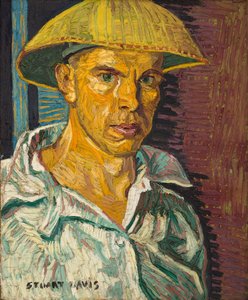
Stuart Davis
1892 - 1964 , Egyesült Államok
Érmeradatok
- Artistic Movement Or Style: American Modernism
- Artists Or Movements Influenced By This Artist: ['Ashcan School']
- Artists Who Influenced This Artist: ['Robert Henri']
- Date Of Birth: December 7, 1892
- Full Name: Stuart Davis
- Nationality: American
- Notable Artworks:
- Odol (Modernism)
- Rocks, Gloucester
- Place Of Birth: Philadelphia, United States of America