
 Megtekintés
 Küldés
 Megosztás
 Részletek
 Útmutató

 Letöltés
 Hasonló darabok
 X-ray felvétel
 Diavetítés
 Kérdések és válaszok
 Statisztika
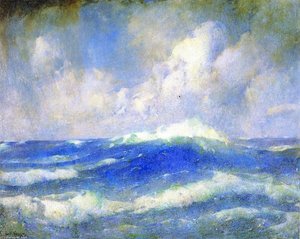
The Open Sea

- 122.0 x 147.0 cm


 Összes részlet megjelenítése
Giclée / Műnyomat
Múzeumi minőségű giclée vagy vászonnyomat, gyors gyártással és rugalmas finomítási lehetőségekkel. ( Kézzel festett másolat rendelése Áttérés digitális képre)




P118B Ft10

P118H Ft10

P118W Ft10

P438Z Ft10

P508JH Ft12

P508YH Ft12

P805H Ft10

P805Z Ft10

P919BZ Ft10

P919G Ft10

P919XJ Ft10

P959ZH Ft10

P968JZ Ft12

W106C Ft8

W218G Ft10

W218JH Ft8

W218Y Ft10

W307PJ Ft10

W316G Ft10

W316PJ Ft8

W316Y Ft10

W398PJ Ft8

W4111J Ft10

W500HY Ft15

W500JH Ft15

W692G Ft12

W849H Ft8

W940BG Ft15

W953PJ Ft8




Válasszon előre meghatározott méreteink közül, amelyek megfelelnek a műalkotás eredeti arányainak.

Írja be a keretének vagy a falának megfelelő szélességet és magasságot. A nyomatot csak le lehet vágni, soha nem tehető nagyobbá, mint az eredeti kép, így egy eltérő alakú méretnél a kép egy része elveszik. Mielőtt bármit kinyatintanánk, küldünk egy digitális próbamodellt jóváhagyásra. Az oldalon látható kép nem tartalmazza a valós levágást — ezt csak a próbamodell mutatja meg.
Világszerte történő kiszállítás területére mindössze 2 hét alatt, a szokásos 4-5 hét helyett. (6 november)

Ingyenes globális expressz szállítás

Prémium minőségű len vászon

Teljes körű szállítási biztosítás

Vámvisszatérítési Garancia

Hiteles színarányosság garancia

100 napos visszaküldési lehetőség (csak hibás termékek esetén)

100% pénzvisszatérítési garancia

Több darab vásárlásakor kedvezmény
 Az üvegkeretes opció csak 110 cm alatti méretben érhető el

The Open Sea
Giclée / Műnyomat
Reprodukció mérete
-


Összesített ár
Ft 26492
A Tempestuous Vision: Soren Emil Carlsen’s “The Open Sea”
Soren Emil Carlsen's "The Open Sea," painted in 1909, isn’t merely a depiction of the ocean; it’s an immersion into its raw power and profound solitude. This monochromatic seascape, rendered in shades of gray and white, immediately commands attention with its dramatic composition – a clear division between the tumultuous sky and the vast expanse of water below. Carlsen, deeply influenced by both late 19th-century Realism and Impressionism, masterfully captures the atmospheric effects of an impending storm, evoking a sense of awe mingled with unease. The painting’s strength lies not in precise detail but in its ability to convey the *feeling* of being confronted by nature's formidable force – a sentiment powerfully resonant even today.
Crafting Atmosphere: Technique and Materials
Carlsen’s technique is characterized by a deliberate looseness, prioritizing texture and emotional impact over photographic accuracy. Visible brushstrokes dominate the canvas, creating a rough, uneven surface that mirrors the chaotic nature of the sea and sky. Thick impasto is particularly evident in areas representing crashing waves, lending them an almost sculptural quality. The absence of hard lines – instead, blurred edges and subtle gradations of gray – contribute to the painting’s atmospheric effect, drawing the viewer into a world shrouded in mist and anticipation. The choice of oil paint on canvas allowed for layering and blending, essential to achieving the depth and luminosity that define Carlsen's style. The monochromatic palette isn’t simply a stylistic choice; it amplifies the drama, stripping away distractions and focusing attention entirely on form, light, and shadow.
A Study in Light and Perspective
The lighting in “The Open Sea” is diffused and overcast, suggesting an approaching storm or a scene perpetually veiled in mist. There are no sharp shadows; instead, the artist employs subtle tonal variations to create a sense of depth and spatial recession. Atmospheric perspective – where distant objects appear lighter and less distinct – further enhances this effect, conveying the immense scale of the ocean and sky. The horizon line, slightly undulating due to the waves, adds dynamism to the composition while maintaining a sense of balance. The painting’s horizontal format reinforces this feeling of vastness, inviting the viewer to lose themselves in the endless expanse before them.
Symbolism and Emotional Resonance
Beyond its technical brilliance, “The Open Sea” carries significant symbolic weight. The turbulent ocean can be interpreted as a metaphor for the unknown, the challenges of life, or even the overwhelming forces of nature. The monochromatic palette reinforces a sense of somberness and introspection, inviting contemplation on themes of isolation, vulnerability, and perhaps even fear. Carlsen’s work taps into a primal human response to the sea – a mixture of respect, awe, and a recognition of our own insignificance in the face of such power. It's a painting that lingers in the mind long after viewing, prompting reflection on the beauty and terror inherent in the natural world.
Discovering the Artist: A Legacy of Luminism
Soren Emil Carlsen (1853-1932) was a pivotal figure in American painting, bridging the gap between European artistic traditions and the burgeoning modern art scene. Born in Copenhagen and later settling in Chicago, he developed a distinctive style characterized by tonalist landscapes and seascapes – a legacy deeply rooted in Danish Luminism, an approach emphasizing subtle gradations of light and color to evoke mood and atmosphere. His work, as evidenced by his other pieces like “Kattegat Landscape,” demonstrates a profound understanding of capturing the ephemeral qualities of light and weather. Explore more of Carlsen’s captivating oeuvre at OriginalUniqueArt to fully appreciate the breadth and depth of his artistic vision.
Kérdések és válaszok
„The Open Sea”, Soren Emil Carlsen alkotása festmény, rajz vagy grafika?
A katalógusban a „The Open Sea”, Soren Emil Carlsen alkotása a WallArt kategóriába tartozik. Ez a besorolás segít hasonló művek megtalálásában.
Milyen domináns alapszín jellemzi „The Open Sea”, Soren Emil Carlsen alkotása alkotást?
A „The Open Sea”, Soren Emil Carlsen alkotása domináns színe a Green to Violet Spectrum. Ez a szín a paletta alapvető tónusa.
A „The Open Sea” Soren Emil Carlsen pályájának mely szakaszát képviseli?
Soren Emil Carlsen pályaművében a „The Open Sea” a Late Career korszakba tartozik. Ez az időszak segít összehasonlíthatóvá tenni a művet a művész többi alkotásával.
A művész életrajza
Soren Emil Carlsen – A Bridge Between Tonalism and Impressionism
Soren Emil Carlsen (1853-1932) stands as a singular figure in American painting, embodying the delicate balance between tonalist introspection and burgeoning impressionistic vibrancy. Born October 19, 1853, in Copenhagen, Denmark—though records indicate 1853—Carlsen’s artistic journey began with an early fascination for architecture at the Royal Academy, fostering a foundational understanding of structure and visual harmony that would subtly permeate his later landscapes. However, it was his embrace of painting, spurred by mentorship from Lauritz Holst, a celebrated marine artist, that truly ignited his creative spirit. This formative period instilled within him a profound appreciation for capturing atmospheric subtleties—a skill honed during Holst’s time in Denmark and subsequently carried into his own artistic explorations.- Early Influences: Holst's teachings emphasized meticulous observation of light and color, shaping Carlsen’s initial approach to depicting the natural world.
- Parisian Awakening: A pivotal trip to Paris in 1875 exposed Carlsen to Jean-Baptiste-Siméon Chardin’s masterful still life style—a stylistic kinship that would become a cornerstone of his artistic identity.
The American Chardin – Mastering Stillness
Carlsen swiftly established himself as “The American Chardin,” a testament to his remarkable ability to imbue everyday objects with dignity and poetic resonance. His early works—often featuring copper pans, game birds, and delicate flowers—were deeply rooted in tonalist aesthetics: muted palettes, subtle gradations of light, and an unwavering focus on mood and atmosphere. He wasn’t merely replicating what he saw; he was conveying *how* he felt when confronted with its beauty—a characteristic that distinguishes his oeuvre from many of his contemporaries. This sensitivity to luminescence and texture became a hallmark of his style, setting him apart as a pioneer in capturing the intangible essence of visual experience.- Tonalist Technique: Carlsen’s meticulous brushwork created velvety surfaces and soft transitions of color, mirroring Chardin's approach.
- Symbolic Composition: Objects were arranged with deliberate care to evoke contemplation and convey emotional depth.
Migration and Impressionistic Exploration
In 1872, Carlsen embarked on a transformative journey westward, immigrating to Chicago, Illinois—a burgeoning hub for artistic innovation—and fundamentally altering the trajectory of his artistic development. He pursued further refinement of his craft with a second visit to Paris in 1875, where he absorbed techniques from Impressionist masters Claude Monet and Auguste Renoir. This exposure broadened his stylistic horizons, encouraging him to experiment with brighter colors and looser brushstrokes—a deliberate departure from the tonalist tradition yet retaining its core principles.- Monet’s Influence: Carlsen adopted Monet's technique of capturing fleeting impressions of light and color, particularly evident in his landscapes.
- Chicago Studio: Establishing a studio in Chicago allowed him to immerse himself in the vibrant artistic community of the era.
Teaching Legacy and Recognition
Carlsen’s influence extended far beyond his own canvases; he was a dedicated educator who profoundly impacted generations of aspiring artists. He began his teaching career as the first instructor of drawing and painting at the Chicago Academy of Design, laying the groundwork for countless future talents. Later, he served as director of the California School of Design (now San Francisco Art Institute) from 1887 to 1889, shaping the artistic landscape of the West Coast. He continued his commitment to fostering artistic excellence throughout his life, holding positions at the National Academy of Design, the Art Students League, and the Pennsylvania Academy of Fine Arts for over four decades—a testament to his unwavering belief in the transformative power of art education. His dedication earned him numerous accolades, including the Samuel T. Shaw Purchase Prize, a Gold Medal at the Louisiana Purchase Exposition, and the prestigious Medal of Honor at the Panama–Pacific International Exposition.- Chicago Academy: Carlsen’s teaching methods emphasized observation, meticulous technique, and an understanding of artistic principles.
- Notable Students: He mentored artists like Guy Rose, who would become prominent figures in California Impressionism.
Enduring Artistic Significance
Soren Emil Carlsen’s legacy resides not merely in his impressive body of work but also in his role as a catalyst for artistic evolution—a bridge between tonalist introspection and the burgeoning optimism of impressionistic vision. His paintings continue to resonate with audiences today because they embody timeless beauty, capturing the subtle nuances of light and atmosphere with unparalleled grace. Represented prominently in museums across America—including the Art Institute of Chicago, the Metropolitan Museum of Art, and the San Diego Museum of Art—Carlsen’s oeuvre stands as a poignant reminder that true artistic achievement lies in conveying profound emotion through deceptively simple forms.
Soren Emil Carlsen
1853 - 1932 , Dánia
Rövid információk
- Artistic Movement Or Style: Tonalizmus és impresszionizmus
- Artists Or Movements Influenced By This Artist: ['John Twachtman']
- Artists Who Influenced This Artist: ['Jean-Baptiste-Siméon Chardin']
- Date Of Birth: 1853. okt. 19.
- Date Of Death: 1932. jan. 2.
- Full Name: Soren Emil Carlsen
- Nationality: Dán
- Notable Artworks:
- Együtteserőző tájképe
- Együtteserőző porcelán tájképe
- Együtteserőző játékos tájképe
- Place Of Birth: Koppenhagen, Dánia
Kapcsolódó cikkek
The Allure of the Horizon: A Comprehensive Exploration of Seascape Art Through History & Emotion
Explore the captivating world of seascape art! Discover its history, key artists & movements – from Dutch Masters to Impressionism. Expert insights for collectors and enthusiasts at OriginalUniqueArt.

The Soul of Impressionism: Why Oil on Canvas Captures Eternal Light and Timeless Emotion
Discover the enchanting alchemy of Impressionism. Explore how the mastery of oil on canvas, through glazing and impasto, captures eternal light and emotion. Perfect for lovers of Monet and Van Gogh seeking the profound depth of hand-painted fine art.

Oil on Canvas: A Historical & Technical Exploration of a Timeless Artistic Medium
Explore the rich history & enduring techniques of oil painting on canvas. Discover the science behind its longevity, conservation practices, and contemporary relevance. Expert insights for art enthusiasts.

The Enduring Legacy of Oil on Canvas: Technique, History & Aesthetic Impact
Explore the rich history & techniques of oil painting – from Renaissance masters to Impressionism. Discover pigments, layering methods, and why this timeless medium endures. Expert insights for artists & art enthusiasts.

Romantic Realism's Finest: 10 Masterpieces for Your Home | OriginalUniqueArt
Explore 10 defining masterpieces of Romantic Realism! Discover Courbet, Millet & Daumier's powerful paintings—capturing emotion and social realities. Find museum-quality reproductions for your home at OriginalUniqueArt.com.