Pop Art/Conceptual art · 1962
Objectivity (Sol Lewitt, 1962)
Sol Lewitt (1928–2007) megalkotta: Objectivity. 1962-ből származik. A Pop Art/Conceptual art irányzathoz tartozik. Mixed Media anyagból készült. Mérete 128 × 128 cm.
- 1962
- Mixed Media
- 128 × 128 cm

 Megtekintés

 Kézzel festett olajfestmény
 Küldés
 Megosztás
 Információs lap


 Letöltés
 Hasonló darabok
 X-ray felvétel
 Diavetítés
 Kérdések és válaszok

 Statisztika
Objectivity röviden
- Cím
- Objectivity
- Művész
- Sol Lewitt (1928–2007)
- A művész születési helye
- Hartford, Amerikai Egyesült Államok
- Dátum
- 1962
- Műszaki adatok
- Mixed Media
- Méretek
- 128 × 128 cm
- Mozgalom
- Pop Art/Conceptual art
- Időszak
- Modern
- Téma
- grid, text, minimalism, conceptual, repetition, objectivity
Mit ábrázol a Objectivity?
Objectivity by Sol LeWitt: A Grid of Conceptual Precision
Sol LeWitt's "Objectivity," created in 1962, is a seminal work within the realms of Minimalism and Conceptual Art. This striking piece challenges traditional notions of artistic representation, prioritizing idea and system over subjective expression or illusionistic depiction. Measuring an impressive 128 x 128 cm, it commands attention with its rigorous structure and deliberate repetition.
Composition and Technique: A Three-Dimensional Grid
"Objectivity" presents as a square canvas meticulously divided into a three-dimensional grid of twenty-five squares. Each row contains five squares across and five down. The word "OBJECTIVITY," rendered in bold blue capital letters, is repeated five times across the rows. However, it's not simply a straightforward repetition. Each square displays two letters – “OB,” “JE,” “CT,” and “IV” – with the rightmost squares completing the word “ITY.” A key element of the work lies in its layering: the top row projects outward from the canvas surface, while subsequent rows recede further back, creating a subtle illusion of depth. The background color shifts progressively from orange in the upper row to increasingly darker shades of red as one descends, contributing to a sense of diminishing visibility and an overall darkening effect.
Style and Historical Context: Minimalism and Conceptualism
“Objectivity” emerged during a pivotal period in art history. The late 1950s and early 1960s witnessed the rise of Minimal Art, which rejected Abstract Expressionism’s emphasis on gesture and emotion, favoring instead geometric forms, industrial materials, and a reduction to essential elements. Simultaneously, Conceptual Art began to gain momentum, prioritizing the idea behind the artwork over its physical manifestation. LeWitt's work brilliantly embodies both movements. "Objectivity" exemplifies Minimalism through its grid structure, precise geometry, and serial repetition. It aligns with Conceptualism by foregrounding the underlying concept – in this case, a meditation on objectivity itself – and minimizing the artist’s hand in the final product. The systematic nature of the piece reflects LeWitt's interest in mathematical principles and logical systems.
Symbolism and Emotional Impact: Questioning Perception
The title "Objectivity" is inherently provocative, given the work's visual complexity and layered construction. By repeatedly presenting the word within a receding grid, LeWitt seems to question the very notion of objective truth or perception. The darkening effect as one descends suggests that objectivity becomes increasingly elusive, obscured by layers of interpretation and perspective. The rigid structure can evoke feelings of detachment, artificiality, and even a subtle unease. While seemingly impersonal, "Objectivity" invites viewers to contemplate the complexities of seeing and understanding, prompting reflection on how our perceptions are shaped by context and distance.
Materials and Legacy
LeWitt utilized mixed media in “Objectivity,” primarily employing cardboard or similar rigid material painted with acrylics. The choice of materials reinforces the work's industrial aesthetic and its rejection of traditional artistic techniques. "Objectivity" remains a significant piece within LeWitt’s oeuvre, demonstrating his pioneering approach to artmaking and solidifying his place as a key figure in 20th-century art. Its influence can be seen in subsequent generations of artists exploring conceptual frameworks and systematic processes.
Objectivity nagy felbontású képei
Protected by copyright: these files are for personal reference, not a licence to republish.
Sol Lewitt, Objectivity (1962).
Objectivity kapcsán felmerülő kérdések megválaszolva
Melyik évben készült a „Objectivity”, Sol Lewitt alkotása?
A "Objectivity" 1962-ban készült. Ez az időpont meghatározó jelentőséggel bír Sol Lewitt pályájában és az adott korszak kontextusában is.
Milyen technikával készült a(z) „Objectivity”, Sol Lewitt alkotása?
A "Objectivity" alkotás Mixed Media technikával készült.
Mekkora a mérete az eredeti „Objectivity”, Sol Lewitt alkotása alkotásnak?
A(z) "Objectivity" eredeti mérete 128 x 128 cm. Az eredeti adatok hasznos referenciát nyújtanak a reprodukció méretének kiválasztásakor.
Mit ábrázol a „Objectivity”, Sol Lewitt alkotása?
„Objectivity”, Sol Lewitt alkotása a következőket ábrázolja: grid, text, minimalism, conceptual, repetition, objectivity, geometric.
Szabadon reprodukálható-e a/az „Objectivity”, Sol Lewitt alkotása képe?
A „Objectivity”, Sol Lewitt alkotása még szerzői jog védi státuszú mű. Ez a jogi státusz határozza meg, hogy a mű képmásolata hogyan reproduzható.
Mely művészhez köthető a "Objectivity"?
A "Objectivity" alkotója Sol Lewitt. A mű Sol Lewitt nevére van katalógusozva.
Mely művészeti irányba tartozik a „Objectivity”, Sol Lewitt alkotása?
A „Objectivity”, Sol Lewitt alkotása művészeti irányata a Pop Art/Conceptual art. Ez a klasszifikáció a művet a kapcsolódó alkotók és alkotások közé sorolja.
Sol Lewitt pályájának mely időszakához tartozik a „Objectivity”?
A "Objectivity" Sol Lewitt pályájának a Mature Period szakaszába tartozik. Ez a besorolás összekapcsolja a művet a művész fejlődésével.
Mennyi volt Sol Lewitt életkora, amikor a "Objectivity" készült?
Sol Lewitt 34 éves korában festette a „Objectivity” című művét. A művész 1928 született, a alkotás dátuma pedig 1962.
A művészről: Sol Lewitt

1928–2007, Amerikai Egyesült Államok
Sol Lewitt
Az ötletek építésze: Sol LeWitt élete és öröksége A twentieth century modernizmus hatalmas tájában kevés olyan alak vet olyan hosszú vagy intellektuálisan mély árnyékot, mint Solomon LeWitt. Oroszországból származó zsidó bevándorló családba született 1928. szeptember 9-én Hartford, Connecticut államban; útját a tiszta gondolkodás keresése határozta meg a puszta fizikai kivitel helyett. Korai éveket szigorú, analitikus kíváncsiság formált, amelyet a Syracuse University 1945 és ąg 1949 közötti tanulmányai öltözött meg.
Sol Lewitt további művei
 Serial Project #1 ABCD1966
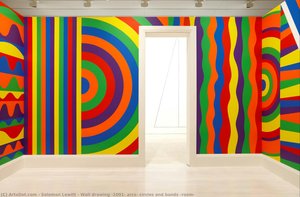 Wall drawing #1091: arcs, circles and bands (room)2003
 Distorted Cubes Bozuk Küpler
 Wall Drawing #3911983
Esszék a Objectivity körül
 Geometry with Purpose: Distinguishing Suprematism from ConstructivismMaster the differences between Suprematism and Constructivism with our expert guide. Discover the soul of the Russian avant-garde now.
 Beyond the Object: Top 10 Masterpieces of Conceptual ArtExplore 10 iconic works of Conceptual Art by Duchamp and Ono. Discover the power of ideas on OriginalUniqueArt.com.
 Expressionism vs. New Objectivity: Emotion vs. Precision in German ArtMaster the tension between Expressionist emotion and New Objectivity precision. Explore the soul of German modern art now.