

 Megtekintés
 Küldés
 Megosztás
 Részletek
 Útmutató

 Letöltés
 Hasonló darabok
 X-ray felvétel
 Diavetítés
 Statisztika
The Hundred Jugs
 Acrylic On Canvas
- WallArt
 1916
1916- 19th Century
 123.0 x 154.0 cm
 Walker Art Gallery
 Összes részlet megjelenítése
Giclée / Műnyomat
Múzeumi minőségű giclée vagy vászonnyomat, gyors gyártással és rugalmas finomítási lehetőségekkel. ( Kézzel festett másolat rendelése Áttérés digitális képre)




P118B Ft10

P118H Ft10

P118W Ft10

P438Z Ft10

P508JH Ft12

P508YH Ft12

P805H Ft10

P805Z Ft10

P919BZ Ft10

P919G Ft10

P919XJ Ft10

P959ZH Ft10

P968JZ Ft12

W106C Ft8

W218G Ft10

W218JH Ft8

W218Y Ft10

W307PJ Ft10

W316G Ft10

W316PJ Ft8

W316Y Ft10

W398PJ Ft8

W4111J Ft10

W500HY Ft15

W500JH Ft15

W692G Ft12

W849H Ft8

W940BG Ft15

W953PJ Ft8




Válasszon előre meghatározott méreteink közül, amelyek megfelelnek a műalkotás eredeti arányainak.

Írja be a keretének vagy a falának megfelelő szélességet és magasságot. A nyomatot csak le lehet vágni, soha nem tehető nagyobbá, mint az eredeti kép, így egy eltérő alakú méretnél a kép egy része elveszik. Mielőtt bármit kinyatintanánk, küldünk egy digitális próbamodellt jóváhagyásra. Az oldalon látható kép nem tartalmazza a valós levágást — ezt csak a próbamodell mutatja meg.
Világszerte történő kiszállítás területére mindössze 2 hét alatt, a szokásos 4-5 hét helyett. (26 október)

Ingyenes globális expressz szállítás

Prémium minőségű len vászon

Teljes körű szállítási biztosítás

Vámvisszatérítési Garancia

Hiteles színarányosság garancia

100 napos visszaküldési lehetőség (csak hibás termékek esetén)

100% pénzvisszatérítési garancia

Több darab vásárlásakor kedvezmény
 Az üvegkeretes opció csak 110 cm alatti méretben érhető el

The Hundred Jugs
Giclée / Műnyomat
Reprodukció mérete
-


Összesített ár
Ft 25681
A Symphony of Ceramics: William Nicholson’s “The Hundred Jugs”
William Nicholson's "The Hundred Jugs," painted in 1916 during the tumultuous years of World War I, is far more than a simple arrangement of pottery. It’s a carefully constructed tableau brimming with quiet observation, subtle tension, and a poignant exploration of domesticity amidst the backdrop of national upheaval. The painting, now residing in the Walker Art Gallery in Liverpool, immediately draws the eye into a densely packed room – not a grand hall, but rather a humble space, hinting at a comfortable, if slightly cluttered, existence. Nicholson masterfully employs a muted palette of browns, ochres, and greys, creating an atmosphere of subdued warmth that contrasts subtly with the inherent chaos of the scene.
The sheer volume of jugs is immediately arresting – a seemingly endless collection of earthenware, stoneware, china, and glass vessels in varying sizes and shapes. They aren’t arranged with any discernible order; instead, they tumble over each other, creating a sense of overflowing abundance. This isn't the idealized still life of earlier periods, where objects were meticulously posed for aesthetic perfection. Here, Nicholson embraces a more spontaneous approach, capturing the everyday reality of a household filled with possessions – a reflection of the era’s burgeoning interest in the ordinary and the vernacular.
The Beggarstaff Legacy and Artistic Innovation
To fully appreciate “The Hundred Jugs,” it's crucial to understand Nicholson’s artistic background. He was a key figure in the Beggarstaff partnership, alongside his brother-in-law James Pryde, renowned for their groundbreaking poster designs and illustrations. The Beggarstaff style – characterized by its bold lines, dynamic compositions, and often satirical or humorous subject matter – represented a significant departure from traditional illustration. Nicholson’s influence on this movement is evident in the painting's energetic arrangement and slightly off-kilter perspective.
However, “The Hundred Jugs” transcends the Beggarstaff aesthetic. While retaining some of their dynamism, it demonstrates a deeper engagement with color and texture. Nicholson’s use of tone—the subtle variations in hue and value—is particularly noteworthy. He eschews bright colors in favor of muted tones that create a sense of depth and atmosphere. This tonal approach, as he himself described, is “quality in common between colours,” prioritizing the overall harmony of the composition over precise representation.
Symbolism and Emotional Resonance
The painting’s symbolism is layered and open to interpretation. The abundance of jugs can be seen as a metaphor for domesticity, prosperity, or even the anxieties associated with wartime shortages. The cat perched atop a stack of jugs, greedily lapping up milk from a spilled vessel, adds a touch of playful irony – a moment of levity amidst a period of profound uncertainty. This small detail hints at the human desire for comfort and pleasure in the face of adversity.
Furthermore, the painting’s creation during World War I imbues it with a poignant emotional resonance. Nicholson's son, Ben, later recalled that his father’s still-life paintings stemmed from “a very simple, direct painterly approach,” rooted in the beauty of everyday objects like these jugs – a grounding force amidst the horrors of war. The painting serves as a testament to the enduring power of art to capture and convey human experience, even in times of great upheaval.
A Timeless Masterpiece for Collectors and Designers
"The Hundred Jugs" remains a captivating work of art, offering a glimpse into the domestic life of early 20th-century Britain. Its masterful composition, evocative use of color, and subtle symbolism make it a timeless masterpiece. Reproductions of this painting are highly sought after by collectors and interior designers alike, who appreciate its ability to add warmth, character, and a touch of understated elegance to any space. It’s a piece that invites contemplation, sparking conversations about art, life, and the enduring beauty found in the ordinary.
Kérdések és válaszok
Milyen elhelyezés és milyen térhelyiség ajánlott a(z) „The Hundred Jugs”, Nicholson Vilmos alkotása számára?
A "The Hundred Jugs" művet Statement célokra javasoljuk, a legalkalmasabb helyszín pedig egy Living Room.
Ismer-e más neveket a "The Hundred Jugs" alkotója, Nicholson Vilmos?
Nicholson Vilmos más néven is ismert: William Nicholson, Newzam Prior Nicholson.
Milyen technikával készült és milyen méretű „The Hundred Jugs”, Nicholson Vilmos alkotása?
A "The Hundred Jugs" alkotás Acrylic On Canvas technikával készült, eredeti mérete pedig 123 x 154 cm.
A művész életrajza
Early Life and Artistic Beginnings
Sir William Newzam Prior Nicholson, született Newark-on-Trentben 1872-ben, egy olyan háttérből származott, amely ötvözte az ipari gyakorlatiasságot a művészi érzékkel. Apja, sikeres mérnök és konzervatív miniszterelnök-helyettes, disiplinát tanított, míg anya öröksége kapcsolódott Oxshirthshire esztétikai hagyományaihoz. Már fiatalon Nicholson mutatkozott be a művészetben, ahol William Cubley, egy helyi festő, aki maga is visszaterte gyökereit Sir Joshua Reynoldshez, tanította őt. Ez az korai kiabítás lett a felkészülésének alapja egy olyan karrierre, amely sokféle médiumon és stílusban virágzott. Egy rövid időtartama Hubert von Herkomer művészeti iskolájában kulcsfontosságú volt nemcsak a képességeinek fejlesztésében, hanem Mabel Pryde megismerésében is, aki feleségévé vált és egyre fontosabbá váló művészi úton haladt vele. Mabel révén találkozott James Prydével, egy olyan szövetséggel, amely hamarosan forradalmasította a brit vizuális kultúrát. A Beggarstaffs nem csupán reklámok voltak; ők állítások – erőteljes, grafikus kompozíciók, amelyek megfogták az emberek képzeletét. Ez időszak nem csupán kereskedelmi művészet volt; ez a vizuális kommunikáció újdefiniálása volt. A Beggarstaffs munkája kihívta a konvenciókat, útjai cleared the way for modern graphic design and established Nicholson's reputation as an innovator.The Beggarstaffs and a Revolution in Poster Art
William Nicholson és James Pryde közötti együttműködés, a "J. & W. Beggarstaff" néven, forradalmasította a brit vizuális kultúrát. Ellentétben a viktoráliás poszterek által uralkodó díszes esztétikájával, bátran fogadták a merész egyszerűséget, a lenyűgöző sileteket, az alapszín használatát és a hagyományos perspektívától való elutasítását. A poszterek, mint például Don Quixote előadások és Harper’s Magazine című folyóiratok számára készültak, azonnal felismerhetővé váltak, befolyásolva egy generáció művészt és tervezőt. Ez időszak nem csupán kereskedelmi művészet volt; ez a vizuális kommunikáció újdefiniálása volt. A Beggarstaffs munkája kihívta a konvenciókat, útjai cleared the way for modern graphic design and established Nicholson's reputation as an innovator.From Woodcuts to Portraits: A Developing Style
A Beggarstaffs partnerségének felbomlásakor Nicholson egy stílusos felfedezési időszakba lépett. Fókuszált a fafaragásra és a fafenyőnyomozásra, technikákkal, amelyek lehetővé tették számára, hogy tovább finomodjanak a vonal és az alak mesterségeiben. James McNeill Whistler befolyásolása ihlette őt, így elvágyta ezeket a módszereket, létrehozva összetett és lenyűgöző nyomatokat, amelyek bemutatták növekvő művészi érettségét. Ezek a művek meglepően jól tudták rögzíteni az esszenciát minimális részlet használatával, egy olyan tulajdonság, amely meghatározta stílusát. Ugyanakkor Nicholson elismert portréfestőként is bemutkozott, ahol számos jelentős személyiség számára kapott megbízásokat. Portréi nem csupán arcképek voltak; az emberi belső életének betekintése volt a finom kifejezések és pózok révén. A *Lady in Furs, Mme. P.* című műve példa erre, amely nemcsak fizikai megjelenést, hanem egy személyiség és társadalmi helyzet érzését is rögzíti.Still Life, Landscape, and Lasting Legacy
Nicholson későbbi karrierjében a kompozíciók egyre inkább a still life-ra és a tájképfestészetre összpontosítottak. A still life-jai, mint például *The Lowestoft Bowl*, elismertek a részletességükben, harmonikus színpalettájukban és csendes intimitásukban. Személytelen tárgyakat pedig egy poéziai minőségnek ajándékozták, felmagasztalva őket nem csak reprezentációként, hanem szépség és elmélkedés szimbólumaként is. Tájképfestései gyakran a spanyol és olaszországi utazásai helyszíneit ábrázolták, amelyek megkülönböztetik őket a többi művésztől. A tájképeik fény és légkör érzékenységet mutatnak, a hely lényegét lenyűgöző módon rögzítve. Az egész életében Nicholson egy sokoldalú művész maradt, folyamatosan kísérletezett új technikákkal és megközelítésekkel. Gyermekkönyveket írt, a színpad számára tervezett, és folytatta nyomatok készítését festményei mellett. Sir William Nicholson hatása meghaladja egyéni termelését; inspirálta a művészeket a mesterség elkötelezettségével, innovatív szellemével és képességével, hogy szépséget találjon az átlagosban. Művei tanúságot tettek az művészet erejéről, amely megvilágítja az emberi tapasztalatot és megváltoztatja a világunk érzékelését. Ő halt meg 1949-ben, elhagyva gazdag művészi örökségét, amely ma is vonzza és inspirálja.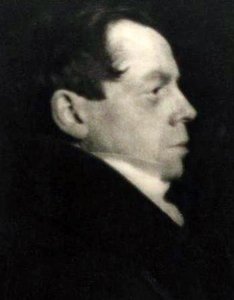
Nicholson Vilmos
1872 - 1949 , Egyesült Királyföld
Rövid információk
- Artistic Movement Or Style: Kompozíció, portréfestés
- Artists Or Movements Influenced By This Artist: ['Beggarstaffs']
- Artists Who Influenced This Artist:
- Whistler
- Pryde
- Date Of Birth: 1872. február 5.
- Date Of Death: 1949. április 16.
- Full Name: Sir William Newzam Prior Nicholson
- Nationality: Brit
- Notable Artworks:
- Lady in Furs
- Tálalás
- Malaga Plaza
- Place Of Birth: Newark, Egyesült Királyság
Kapcsolódó cikkek
William Michael Harnett: Still Life, Realism & the American Pursuit of Materiality
Explore the captivating still lifes of William Michael Harnett, a master of American realism and trompe l'oeil painting. Discover his technique, legacy & the cultural context behind his iconic works.

Silent Narratives: Exploring the Enduring Appeal of Still Life Painting Across Centuries
Explore the rich history of still life painting with OriginalUniqueArt. Discover Dutch Masters, decode vanitas symbolism & learn about collecting timeless art. Expert insights and museum-quality reproductions.
Clyfford Still's Abstract Expressionism: A Study of Color, Form & the Existential Landscape
Explore the profound world of Clyfford Still's Abstract Expressionism with OriginalUniqueArt. Discover his unique style, existential themes & investment potential. Expert analysis for discerning collectors.
Sir William Nicholson: A Study in Post-Impressionist Portraiture & Decorative Modernism
Explore the life & work of Sir William Nicholson, a pivotal British Post-Impressionist painter. Discover his striking portraits, innovative woodcuts, and lasting influence on early 20th-century art. Expert insights for collectors.
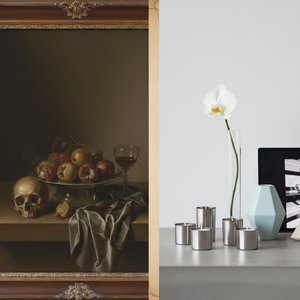
The Enduring Appeal of Still Life: A Historical & Contemporary Exploration
Explore the rich history & symbolism of still life painting with OriginalUniqueArt. Discover masterpieces from the Dutch Golden Age, learn about vanitas art, and find expert guidance for collecting timeless artworks.
