- Főoldal

- Digitális kép
- Sir William Beechey
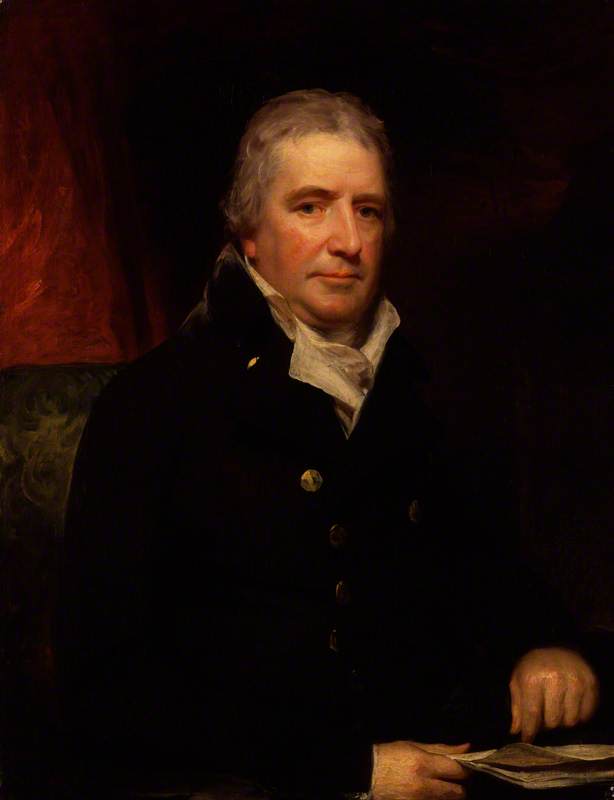
- George Rose
 Előnézet
 Megosztás
 Megosztás
 Részletek

 Letöltés
 Hasonló alkotások
 X-ray felvétel
 Diavetítés
George Rose
 Tovább olvasom
Vásároljon egy nagy felbontású, javított digitális képet, amely sokkal jobb minőségű, mint az online előnézet.
Minden fájlt szakembereink a legmodernebb eszközök és precíz, kézi retusálás segítségével készítenek el aprólékosan. Gondoskodunk arról, hogy minden kép kivételes tisztasággal, pontos színhelyességgel és részletgazdag finomsággal rendelkezzen.
A végleges fájl 72 órán belül e-mailben megérkezik, professzionális, szerkesztői és nyomtatási környezetbe optimalizálva az azonnali használathoz. Ez ugyanaz a minőség, amelyben a legmeghatározóbb tervezőstúdiók, kiadók és galériák is megbízhatnak.
Digitális alkotás
Töltsön le nagy felbontású fájlt személyes kiállításokhoz, nyomtatáshoz és kreatív projektekhez. ( Váltás nyomtatványra Áttérés a kézzel festett másolatra)
Minden digitális kép rendeléséhez tartozó extrák
Szakértői digitális kézbesítés, garantáltan
Amikor a OriginalUniqueArt.com weboldalt választja, nem csupán egy képet kap – professzionálisan felmagasított digitális műalkotást kap, amely precizitással készült, és amelyet megelégsedési gwarancia tesz biztoslássá. Az alábbiakban automatikusan minden benne 】

Gyors e-mail teslimítés
A nagy felbontású digitális képmásolatát a megrendelést követő 72 órán belül e-mailben elküldjük Önnek – azonnal használható formátumban.

MI-alapú digitális feldolgozású fájl
Műve professzionális módon kerül optimalizálásra fejlett mesterséges intelligencia eszközök és manuális szerkesztés segítségével, biztosítva a maximális részletességet, tisztaságot és színpontosságot.

Örök életű ingyenes újradelivery
Véletlenül törölted vagy elvesztetted a fájlodat? Ne aggódj – bármikor ingyenesen újra megküldjük neked.

Nincs importköltség – soha
Élvezze műalkotásait azonnal, vám, illeték vagy szállítási költség nélkül – a digitális letöltések mindig adamentesek.

Színpontosság Garancia
Professzionális eszközök és színkezelés segítségével garantáljuk, hogy digitális képe a lehető legpontosabban tükrözze az eredeti színeket.

60 napos elégedettségi garancia
Ha nemມີ elégedett a digitális képpel, 60 napon belül átmunkáljuk azt, vagy 100% visszatérítjük az amountot – kérdés nélkül.

100% Pénzvisszatérítési garancia
Nem érheted el a teljes elégedettséget? 60 napon belül teljes visszatérítést kapsz a digitális fájlod megérkezése után – kérdés बिना.

Tömegrendelési kedvezmények
Vásároljon 3 képet, spóroljon 10%-et - Vásároljon 5-öt, spóroljon 15%-et - Vásároljon 10+ képet, spóroljon 20%-at. Kiváló kreatív projektekhez, galériákhoz és ügynökségekhez.
Művész életrajza
Early Life and Artistic Beginnings
Sir William Beechey, born December 12, 1753, in the quaint Oxfordshire town of Burford, embarked on a life that would see him become a prominent figure in British portraiture. His early years were marked by tragedy; both his parents passed away while he was still young, leaving his upbringing to the care of his uncle, Samuel Beechey, a solicitor. Initially destined for a legal career, young William’s heart lay elsewhere—in the captivating world of art. Despite his uncle's aspirations, Beechey gravitated towards painting, an inclination that ultimately led him to London and admission into the Royal Academy Schools in 1772. This marked a pivotal moment, placing him within the orbit of established artists and setting the stage for his artistic development. His early training likely benefited from the guidance of Johan Zoffany, though concrete evidence remains elusive, shaping his initial style towards small-scale full-length portraits and intimate conversation pieces reminiscent of Zoffany’s own work.A Rising Star: Norwich and London
Beechey's artistic journey took him to Norwich in 1782, where he established a foothold as a portraitist among the region’s gentry. He secured commissions for portraits of prominent figures like John Wodehouse, and notably contributed four works to the collection of civic portraits at St Andrew’s Hall—a testament to his growing reputation. However, London beckoned, and in 1787 he returned to the capital, determined to make his mark on a larger stage. The late 1780s saw Beechey steadily gaining recognition, exhibiting works that showcased his developing skill and refined technique. A turning point arrived with his portrait of John Douglas, Bishop of Carlisle, exhibited in 1789—a work that garnered considerable attention and solidified his position within the London art scene. He skillfully navigated the conventions of the time, drawing inspiration from masters like Joshua Reynolds while forging a style uniquely his own.Royal Patronage and National Recognition
The year 1793 proved transformative for Beechey. Through a fortunate turn of events—a disgruntled sitter bringing his portrait to the attention of King George III and Queen Charlotte—Beechey found himself appointed as Queen Charlotte’s official portrait painter. This royal endorsement catapulted him into the upper echelons of artistic society, opening doors to a stream of prestigious commissions. He was elected an associate member of the Royal Academy that same year, further cementing his status. The following year brought even greater acclaim; in 1798, he painted *George III and the Prince of Wales Reviewing Troops*, a large-scale composition that earned him a knighthood and full membership to the Royal Academy. Though tragically lost in the 1992 Windsor Castle fire, this work exemplified Beechey’s ability to handle grand historical scenes alongside his more intimate portraiture. His success during this period was not merely artistic; it was deeply intertwined with the social and political landscape of Britain, reflecting a growing national pride and a flourishing aristocratic culture.Style, Legacy, and Lasting Influence
Beechey’s style is characterized by its refined elegance, subtle coloring, and meticulous attention to detail. He favored neoclassical compositions, often depicting his sitters in graceful poses reminiscent of classical sculpture. While not a radical innovator like some of his contemporaries—such as Thomas Lawrence—his consistent quality and ability to capture the likeness and character of his subjects earned him widespread acclaim. His portraits possess a dignified restraint, avoiding excessive drama or flamboyant flourishes. This approach appealed particularly to the royal family and the upper classes, who valued decorum and understated elegance. Despite some criticism leveled by Samuel Redgrave in 1890—who found Beechey’s work lacking in grace and his drapery somewhat clumsy—Beechey maintained a respectable position among British portraitists. His works continue to be celebrated for their technical skill and insightful portrayals of prominent figures from the late 18th and early 19th centuries, including Lord Nelson, John Kemble, and Sarah Siddons. *His legacy endures not only through his paintings but also as a testament to the enduring power of portraiture in capturing the spirit of an era.*Family and Further Contributions
Beechey’s personal life was marked by both joy and sorrow. He married Mary Ann Jones in 1778, and following her death, he wed Anne Phyllis Jessop, a successful miniature painter, in 1793. Through these unions, he fathered several children who also pursued artistic careers. His sons, Henry William Beechey—a painter and explorer—and Frederick William Beechey—a naval officer, geographer, and writer—carried on the family tradition of creative endeavor. *Beechey’s influence extended beyond his own paintings; he was known for his generosity towards aspiring artists, particularly John Constable, whom he mentored.* He retired to Hampstead in 1836, where he passed away in 1839, leaving behind a rich artistic legacy that continues to captivate and inspire. His contributions to British art remain significant, offering valuable insights into the lives and times of those who shaped the nation’s history.
Sir William Beechey
1753 - 1839 , Egyesült Királyföld
Rövid tények
- Artistic Movement Or Style: Portrézs, Neoklasszika
- Artists Or Movements Influenced By This Artist: ['Reynolds']
- Artists Who Influenced This Artist:
- Zoffany
- Reynolds
- Date Of Birth: 12 december 1753
- Date Of Death: 28 jan 1839
- Full Name: Sir William Beechey
- Nationality: Angol
- Notable Artworks:
- Királyi portrék
- Hadjók átvizsgálása
- Place Of Birth: Burford, Anglia

