

 Megtekintés
 Küldés
 Megosztás
 Részletek
 Útmutató

 Letöltés
 Hasonló darabok
 X-ray felvétel
 Diavetítés
 Statisztika
Julia, Lady Peel
 Oil On Canvas
- WallArt
- Regency Period
 1827
1827- 19th Century
 90.0 x 70.0 cm
 The Frick Collection
 Összes részlet megjelenítése
Giclée / Műnyomat
Múzeumi minőségű giclée vagy vászonnyomat, gyors gyártással és rugalmas finomítási lehetőségekkel. ( Kézzel festett másolat rendelése Áttérés digitális képre)




P118B Ft10

P118H Ft10

P118W Ft10

P438Z Ft10

P508JH Ft12

P508YH Ft12

P805H Ft10

P805Z Ft10

P919BZ Ft10

P919G Ft10

P919XJ Ft10

P959ZH Ft10

P968JZ Ft12

W106C Ft8

W218G Ft10

W218JH Ft8

W218Y Ft10

W307PJ Ft10

W316G Ft10

W316PJ Ft8

W316Y Ft10

W398PJ Ft8

W4111J Ft10

W500HY Ft15

W500JH Ft15

W692G Ft12

W849H Ft8

W940BG Ft15

W953PJ Ft8




Válasszon előre meghatározott méreteink közül, amelyek megfelelnek a műalkotás eredeti arányainak.

Írja be a keretének vagy a falának megfelelő szélességet és magasságot. A nyomatot csak le lehet vágni, soha nem tehető nagyobbá, mint az eredeti kép, így egy eltérő alakú méretnél a kép egy része elveszik. Mielőtt bármit kinyatintanánk, küldünk egy digitális próbamodellt jóváhagyásra. Az oldalon látható kép nem tartalmazza a valós levágást — ezt csak a próbamodell mutatja meg.
Világszerte történő kiszállítás területére mindössze 2 hét alatt, a szokásos 4-5 hét helyett. (25 október)

Ingyenes globális expressz szállítás

Prémium minőségű len vászon

Teljes körű szállítási biztosítás

Vámvisszatérítési Garancia

Hiteles színarányosság garancia

100 napos visszaküldési lehetőség (csak hibás termékek esetén)

100% pénzvisszatérítési garancia

Több darab vásárlásakor kedvezmény
 Az üvegkeretes opció csak 110 cm alatti méretben érhető el

Julia, Lady Peel
Giclée / Műnyomat
Reprodukció mérete
-


Összesített ár
Ft 25642
A Vision of Regency Splendor
In the grand tapestry of British portraiture, few works capture the shimmering essence of the Regency era as vibrantly as Sir Thomas Lawrence’s 1827 masterpiece, Julia, Lady Peel. This exquisite oil on canvas is far more than a mere likeness; it is an intimate encounter with the aristocratic grace of a bygone age. The portrait features Julia Floyd, a woman of remarkable beauty and the wife of the formidable statesman Sir Robert Peel, presented to the viewer with a captivating gaze that bridges the centuries. As one gazes upon her, there is an immediate sense of being transported to a world of opulent grandeur, where every brushstroke whispers of social prestige and refined elegance.
Lawrence, a child prodigy who rose to become the President of the Royal Academy, demonstrates his unparalleled virtuosity through a masterful command of light and texture. The composition is anchored by the striking visual impact of Julia’s red hat, adorned with a delicate feather—a brilliant stylistic homage to Rubens' celebrated Susanna Fourment. This deliberate connection to classical tradition elevates the portrait from a contemporary social record to a work of timeless artistic lineage. The artist employs a sophisticated use of chiaroscuro, allowing light to dance across the luminous skin tones and the rich, heavy fabrics of her attire, creating a dramatic interplay of shadow that lends the subject an almost ethereal presence.
Symbolism and the Language of Status
Beyond the surface beauty, the painting is rich with subtle semiotic cues that would have been instantly recognizable to the 19th-century elite. The meticulous rendering of her jewelry—the shimmering necklace and elegant earrings—serves as a testament to the wealth and influence of the Peel family during a period of significant political transformation in Britain. Perhaps most intriguing are the two watches visible on her wrists, a peculiar and fascinating detail that acts as a visual metaphor for the relentless passage of time and the importance of punctuality and social order within the rigid structures of Regency society.
For the discerning collector or interior designer, this portrait offers a profound emotional resonance. It is a piece that commands attention through its sophisticated palette of rich, warm hues and its ability to evoke a sense of nostalgic romance. Whether placed in a sunlit gallery or a stately study, the painting provides a focal point of immense character. A high-quality reproduction of this work allows one to invite this aura of historical prestige into a modern space, serving as both a conversation piece and an enduring symbol of classical taste and artistic excellence.
Kérdések és válaszok
Milyen méretben ajánlott a "Julia, Lady Peel" nyomtatása?
A „Julia, Lady Peel”, Thomas Lawrence alkotása ajánlott nyomtatási mérete: Large.
Milyen más nevét vagy álneveit használ még Thomas Lawrence?
A „Julia, Lady Peel” alkotójáról, Thomas Lawrence nevű művészről ismert egyéb nevek között szerepel Sir Thomas Lawrence.
Milyen érzést kelt „Julia, Lady Peel”, Thomas Lawrence alkotása színe?
A „Julia, Lady Peel”, Thomas Lawrence alkotása egy Earthy színpalettát ötvöz a Romantic hangulatú tónussal.
A művész életrajza
A Brushstroke of Regency Splendor: The Life and Art of Sir Thomas Lawrence
Sir Thomas Lawrence, a name synonymous with the elegance and sophistication of the Regency era, was more than just a portrait painter; he was a chronicler of his time. Born in Bristol in 1769 amidst the vibrant bustle of a port city, his early life was marked by movement – following his father’s innkeeping ventures across Devizes and finally settling in the fashionable spa town of Bath. It was within these convivial settings that Lawrence's artistic talent first began to shine, sketching remarkably accurate portraits for local patrons while still supporting his family. This nascent skill, honed without formal instruction but fueled by innate observation and a keen eye for detail, hinted at a prodigious gift – a gift he would soon transform into a celebrated career.Ascension to Portraiture’s Pinnacle
The move to London in 1789 marked the true beginning of Lawrence's ascent. He quickly established himself as a portrait painter in oils, securing his first royal commission – a captivating portrait of Queen Charlotte – and instantly catapulting him into the heart of London society. This wasn’t merely about technical skill; Lawrence possessed an extraordinary ability to capture not just likeness but also *character*, imbuing his subjects with a flattering yet insightful presence. He became a master of portraying the glamour, refinement, and social dynamics of the Regency period, painting nobility, royalty, and prominent figures with a virtuoso handling of paint that drew comparisons to Sir Joshua Reynolds, whom he deeply admired. Lawrence’s election as an associate, then full member, of the Royal Academy in 1791 and 1794 solidified his position within the established art world – a testament to his growing reputation and artistic merit. His success was further underscored by his appointment as Painter-in-Ordinary to the King in 1800, a prestigious role that granted him unparalleled access to the highest echelons of power and provided a steady stream of lucrative commissions.The Waterloo Chamber and Artistic Innovation
Lawrence’s career reached its zenith during the Napoleonic Wars, particularly with his commission to paint portraits for the Waterloo Chamber at Windsor Castle. This monumental undertaking – intended to commemorate the decisive victory over Napoleon – demanded not only technical mastery but also a profound understanding of composition and scale. The resulting series of portraits, depicting allied leaders from across Europe, showcased Lawrence’s ability to capture gravitas, authority, and the complex relationships between nations. These works were more than just paintings; they were powerful statements about British leadership and the triumph of reason over tyranny. Beyond this grand project, Lawrence continued to innovate in his portraiture style, refining his use of light and shadow, experimenting with color palettes, and developing a distinctive technique that blended classical elegance with a subtle sense of Romanticism.Personal Life and Complexities
Despite his professional triumphs, Lawrence’s personal life was marked by both passion and sorrow. He became deeply involved with the Siddons family – Sarah Siddons, a celebrated actress, and her daughters, Maria and Sally. These relationships provided him with inspiration and companionship but also brought heartache and scandal to his reputation. Lawrence struggled financially throughout much of his career, often burdened by debt despite earning substantial sums from his commissions. He was known for his meticulous attention to detail, sometimes spending weeks perfecting a single portrait, which contributed to the delays and financial pressures he faced. Furthermore, Lawrence’s sitters reflected the social landscape of his time – including both slave owners and abolitionists – a stark reminder of the moral ambiguities inherent in Regency society.A Lasting Legacy
Sir Thomas Lawrence died in London in 1830 at the age of 61, leaving behind a remarkable body of work that continues to captivate audiences today. His portraits are celebrated for their elegance, technical brilliance, and ability to capture the essence of his subjects – offering a vivid glimpse into the world of Regency England. While his reputation experienced a decline during the Victorian era, largely due to shifting artistic tastes, Lawrence’s legacy has been partially restored in recent decades, recognizing him as one of Britain's most accomplished and enduring portraitists. His influence can be seen in the works of later painters who sought to emulate his style and capture the spirit of an era, solidifying his place as a pivotal figure in British art history. His work remains a testament to his talent, charm, and enduring contribution to the world of art.
Thomas Lawrence
1769 - 1830 , Egyesült Királyság
Rövid információk
- Artistic Movement Or Style: Regency arcképfestészet
- Artists Or Movements Influenced By This Artist: ['Romanticizmus']
- Artists Who Influenced This Artist: ['Joshua Reynolds']
- Date Of Birth: 1769. ápril 13.
- Date Of Death: 1830. jan 7.
- Full Name: Sir Thomas Lawrence
- Nationality: Angol
- Notable Artworks:
- Yorki herceg
- Királyné
- Waterloo szobák
- Place Of Birth: Bristol, Anglia
Kapcsolódó cikkek

Peter Paul Rubens: A Baroque Master's Life, Legacy & Enduring Influence
Discover the life & art of Peter Paul Rubens, the most influential artist of the Flemish Baroque tradition. Explore his masterpieces, legacy, and impact on art history with OriginalUniqueArt.

Illuminating Shadows: A Comprehensive Exploration of Chiaroscuro Technique in Art History
Explore the captivating world of chiaroscuro! Discover its history, masters like Caravaggio & de La Tour, and enduring influence on art. A comprehensive guide for enthusiasts.
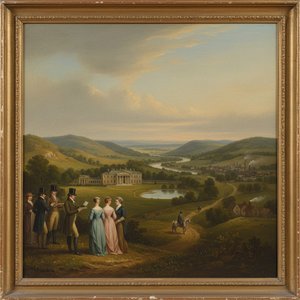
Thomas Barker of Bath: Landscape Painting & Societal Reflection in Early 19th-Century England
Explore the life & work of Thomas Barker of Bath, a key figure in 19th-century English Romanticism. Discover his Parisian success, iconic paintings like 'The Bride of Death', and lasting artistic legacy. Learn more at OriginalUniqueArt.

Jacob Lawrence: Narratives of Struggle, Resilience & Modernist Innovation
Explore the powerful narratives of Jacob Lawrence, a pivotal African American artist of the Harlem Renaissance. Discover his iconic 'Migration Series,' dynamic cubism style, and lasting impact on American art history.

Sir Thomas Lawrence: Portraiture, Power & Regency Society's Aesthetics
Explore the captivating world of Sir Thomas Lawrence, Regency England's premier portraitist. Discover his artistic techniques, powerful representations of society, and enduring legacy. Expert insights for discerning art collectors.


