

 Előnézet
 Megosztás
 Megosztás
 Részletek
 Útmutató

 Letöltés
 Hasonló darabok
 X-ray felvétel
 Diavetítés
 Statisztika
Christ's entry into Jerusalem

 Tovább olvasom
Giclée / Műnyomat
Múzeumi minőségű giclée vagy vászonnyomat, gyors gyártással és rugalmas finomítási lehetőségekkel. ( Kézzel festett másolat vásárlása Áttérés digitális képre)




































Válasszon előre meghatározott méreteink közül, amelyek megfelelnek a műalkotás eredeti arányainak.

Megadhat saját méreteket is egy konkrét kerethez vagy helyszínhez igazítva. Amennyiben a kiválasztott méret nem egyezik az eredeti kép arányokkal, a műalkotást le fogjuk vágni, vagy kiegészítjük a képet tükrözött vagy egyszínű szélekkel. A gyártás megkezdése előtt egy digitális tervezetet küldünk jóváhagyásra.
Kérjük, vegye figyelembe, hogy a képernyőn látható előnézet nem tükrözi a tényleges levágást vagy kiegészítést. Csak a tervezet mutatja pontosan a végső kompozíciót.
Bár az egyedi méretek is elérhetőek, az eredeti arányok megőrzése érdekében azt javasoljuk, hogy válasszon a előre meghatározott listából származó méretet.
Világszerte történő kiszállítás területére mindössze 2 hét alatt, a szokásos 4-5 hét helyett. (25 szeptember)

Ingyenes globális expressz szállítás

Prémium minőségű len vászon

Teljes körű szállítási biztosítás

Vámvisszatérítési Garancia

Tökéletes színarányosság garancia

100 napos visszaküldési garancia (csak gyártási hibás termékek esetén)

100% pénzvisszatérítési garancia

Több darab vásárlásakor kedvezmény
 Az üvegkeretes opció csak 110 cm alatti méretben érhető el

Christ's entry into Jerusalem
Giclée / Műnyomat
Reprodukció méretei
-


Összesített ár
$ 80
Christ's Entry Into Jerusalem by Sir Stanley Spencer: A Vision of Fervor
- Subject Matter & Historical Context: This compelling artwork depicts the biblical scene of Christ’s entry into Jerusalem, a pivotal moment marking the beginning of Holy Week. Painted around 1920, it reflects a period following World War I, when artists were grappling with profound questions about faith, humanity, and the search for meaning in a rapidly changing world. Spencer's choice to portray this event wasn’t merely a retelling of scripture; it was an exploration of human emotion and spiritual fervor within a recognizable, earthly setting – his beloved village of Cookham.
- Style & Influences: Sir Stanley Spencer’s style is uniquely identifiable as Expressionistic with strong influences from early Modernism. He moves beyond realistic representation to convey the intense emotional atmosphere surrounding this momentous event. The elongated figures, dynamic poses, and somewhat chaotic composition are hallmarks of Expressionism, prioritizing emotional impact over strict adherence to natural forms. The flattened perspective and distorted shapes echo early modernist tendencies, creating a sense of dynamism and immediacy. While often associated with Neo-Romanticism, Spencer’s work possesses a distinct individuality that transcends easy categorization.
- Composition & Technique: The painting is characterized by its densely packed composition, generating a feeling of urgency and excitement. A central diagonal line draws the viewer's eye into the scene, while horizontal planes created by architectural elements ground the action. Spencer’s technique involves visible brushstrokes and layering of colors to create depth and texture, giving the work an impressionistic quality. The color palette—dominated by blues, browns, and oranges with touches of green and yellow—is applied in broad strokes, contributing to the overall vibrancy despite a somewhat muted tone. The use of lines is expressive, following the contours of figures to emphasize movement and adding detail to architectural elements like brickwork.
- Symbolism & Emotional Impact: Beyond its narrative depiction, "Christ's Entry into Jerusalem" resonates with profound symbolism. The chaotic composition and distorted forms convey a sense of fervent excitement and spiritual ecstasy. The upward reaching gestures of the figures suggest reverence and anticipation, while the flattened perspective intensifies the emotional impact, drawing the viewer directly into the heart of the scene. Spencer masterfully captures not just an event but also the collective emotion of a crowd witnessing a transformative moment in history. The setting within Cookham grounds this divine event in everyday reality, making it both accessible and deeply moving.
- Materials & Artistic Legacy: Likely executed using oil paints on canvas, "Christ's Entry into Jerusalem" exemplifies Spencer’s commitment to capturing the essence of human experience through art. His unique style has influenced subsequent generations of artists, including Lucian Freud, and continues to captivate audiences with its raw emotional power and distinctive vision. The work stands as a testament to Spencer’s ability to blend the sacred and the mundane, creating images that are both deeply spiritual and profoundly human.
A művész életrajza
A Visionary of Cookham: The Life and Art of Sir Stanley Spencer
Sir Stanley Spencer, a name synonymous with the quiet beauty and profound spirituality of his beloved village, Cookham, was an artist whose life and work were inextricably linked to this Berkshire landscape. Born on June 30th, 1891, into a large family deeply rooted in music and religion, Spencer’s early years shaped his artistic vision in ways both subtle and enduring. His childhood home, Fernlea, became the backdrop for countless paintings, transforming familiar scenes – the churchyard, the village green, the riverbank – into realms of sacred significance. Unlike many artists of his time who sought inspiration in grand historical events or exotic locales, Spencer found his muse within the everyday rhythms of Cookham life, capturing its inhabitants with a remarkable intimacy and an almost unsettling sense of familiarity. This deliberate choice—to elevate the ordinary to the extraordinary—was a defining characteristic of his unique artistic style.Early Influences and Artistic Training
Spencer’s formal art education began at the Slade School of Fine Art in London from 1908 to 1912, under the guidance of Henry Tonks, a renowned critic and teacher. While he benefited immensely from this structured training, it was Cookham itself that truly molded his artistic sensibility. He didn’t simply depict the village; he imbued it with a spiritual resonance, transforming it into a living canvas upon which biblical narratives unfolded with startling immediacy and modernity. His early exposure to Pre-Raphaelite art—with its meticulous detail, vibrant colors, and reverence for nature—left an indelible mark on his work. He absorbed elements of French Post-Impressionism, particularly the expressive use of color championed by Paul Gauguin, and drew inspiration from the Italian Renaissance, notably Giotto’s masterful compositions, which demonstrated a remarkable ability to convey emotion through simple forms. However, Spencer quickly developed a style that transcended mere imitation, forging his own distinctive voice—one characterized by an intensely personal vision and a profound sense of faith.The Sacred and the Secular: A Revolutionary Approach
What distinguished Spencer’s art from that of his contemporaries was his willingness to blur the boundaries between the sacred and the secular. He didn't paint biblical scenes in a detached, ethereal manner; instead, he populated them with local villagers—neighbors, friends, and family members—cast as their Gospel counterparts. The Resurrection, Cookham (1924-1926), perhaps his most celebrated work, exemplifies this approach brilliantly. It’s not a grand, sweeping depiction of resurrection but a vibrant, earthy scene unfolding in the familiar fields surrounding Cookham, with local residents rising from their graves—a powerful metaphor for spiritual rebirth rooted firmly in the landscape he knew so well. This deliberate juxtaposition of the divine and the mundane was revolutionary, challenging conventional notions of religious art and establishing Spencer as a truly original voice. His paintings weren’t illustrations of biblical stories; they were deeply personal interpretations, imbued with his own faith, emotions, and observations of human nature.Wartime Reflections and Monumental Murals
The horrors of World War I profoundly impacted Spencer's artistic trajectory. Serving in the Royal Army Medical Corps, he witnessed firsthand the suffering inflicted by conflict, an experience that deeply informed his later work. This led to a commission to create murals for the Sandham Memorial Chapel at Burghclere in Hampshire (1927-1932), a poignant memorial dedicated to a soldier who died from illness contracted during the war. Rather than glorifying warfare, Spencer depicted the lives of ordinary soldiers—their routines, anxieties, and quiet moments of contemplation—with remarkable honesty and empathy. These murals were not heroic celebrations but intimate portraits of human resilience in the face of adversity. Later, during World War II, he again served as an Official War Artist, documenting the vital work being done in the shipyards on the Clyde, capturing the collective effort and determination of those contributing to the war effort.Legacy and Enduring Influence
Sir Stanley Spencer’s life and art were marked by both triumph and controversy. His intensely personal vision and unconventional depictions of religious themes often provoked criticism, particularly regarding his exploration of sexuality in works like *Love Among the Nations* (1935). Despite these challenges, his influence on subsequent generations of artists is undeniable. He foreshadowed aspects of Lucian Freud’s unflinching realism and paved the way for a more honest and emotionally charged approach to religious art. His paintings remain powerful testaments to the enduring search for meaning within the ordinary moments of life—a quest forever anchored in the landscape he so deeply loved – Cookham, his village in heaven. Spencer was knighted in 1959, shortly before his death on December 14th, 1959, leaving behind a legacy that continues to inspire and captivate viewers today.
Stanley Spencer
1891 - 1959 , Egyesült Királyság
Gyors információk
- Artistic Movement Or Style: Pre-Raphaelite, Post-Impressionist
- Artists Or Movements Influenced By This Artist: ['Lucian Freud']
- Artists Who Influenced This Artist:
- Paul Gauguin
- Giotto
- Date Of Birth: 1891. 6. 30.
- Date Of Death: 1959. 12. 14.
- Full Name: Sir Stanley Spencer
- Nationality: Angol
- Notable Artworks:
- A Újkozultatás
- Szőlőfüggők
- Ölcsoport (1914)
- Place Of Birth: Cookham, Anglia
Kapcsolódó cikkek
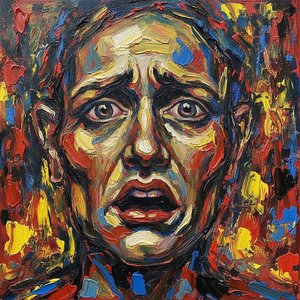
Raw Emotion & Bold Strokes: The Definitive Guide to the High-Impact World of Expressionism
Unleash raw emotion in your space. Explore the high-impact world of Expressionism through OriginalUniqueArt.com’s premium hand-painted oil reproductions and custom photo transformations. Bold, confident, and curated for those who live for visual impact. Shop the revolution today!
The Raw Emotion of Expressionism: A Deep Dive into its History, Characteristics & Enduring Influence
Explore the raw emotion of Expressionism with OriginalUniqueArt. Discover its history, key artists like Kirchner & Munch, and lasting influence on modern art. Expert insights for collectors & enthusiasts.

Unlocking Emotion: A Beginner's Guide to the Raw Power of Symbolic Expressionism Art
Discover the raw emotion of Symbolic Expressionism. Our expert guide explores how masters like Munch use color and form to convey inner feelings, offering inspiration for collectors looking to bring powerful, soulful art into their modern homes.
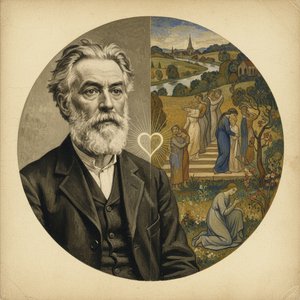
Sir Stanley Spencer: Reassessing Spiritual Vision & Autobiographical Narrative
Explore the captivating world of Sir Stanley Spencer – a British painter renowned for his unique blend of religious narrative & personal experience. Discover his legacy, key works like 'Christ's Entry into Jerusalem', and lasting influence on modern art.

Figurative Expressionism: Emotional Intensity & Subjective Reality in 20th-Century Art
Explore the powerful world of Figurative Expressionism with OriginalUniqueArt. Discover key artists like Kirchner & Beckmann, understand its emotional depth, and learn how to collect this influential 20th-century art movement.

