- Főoldal

- Olajfestmény reprodukció
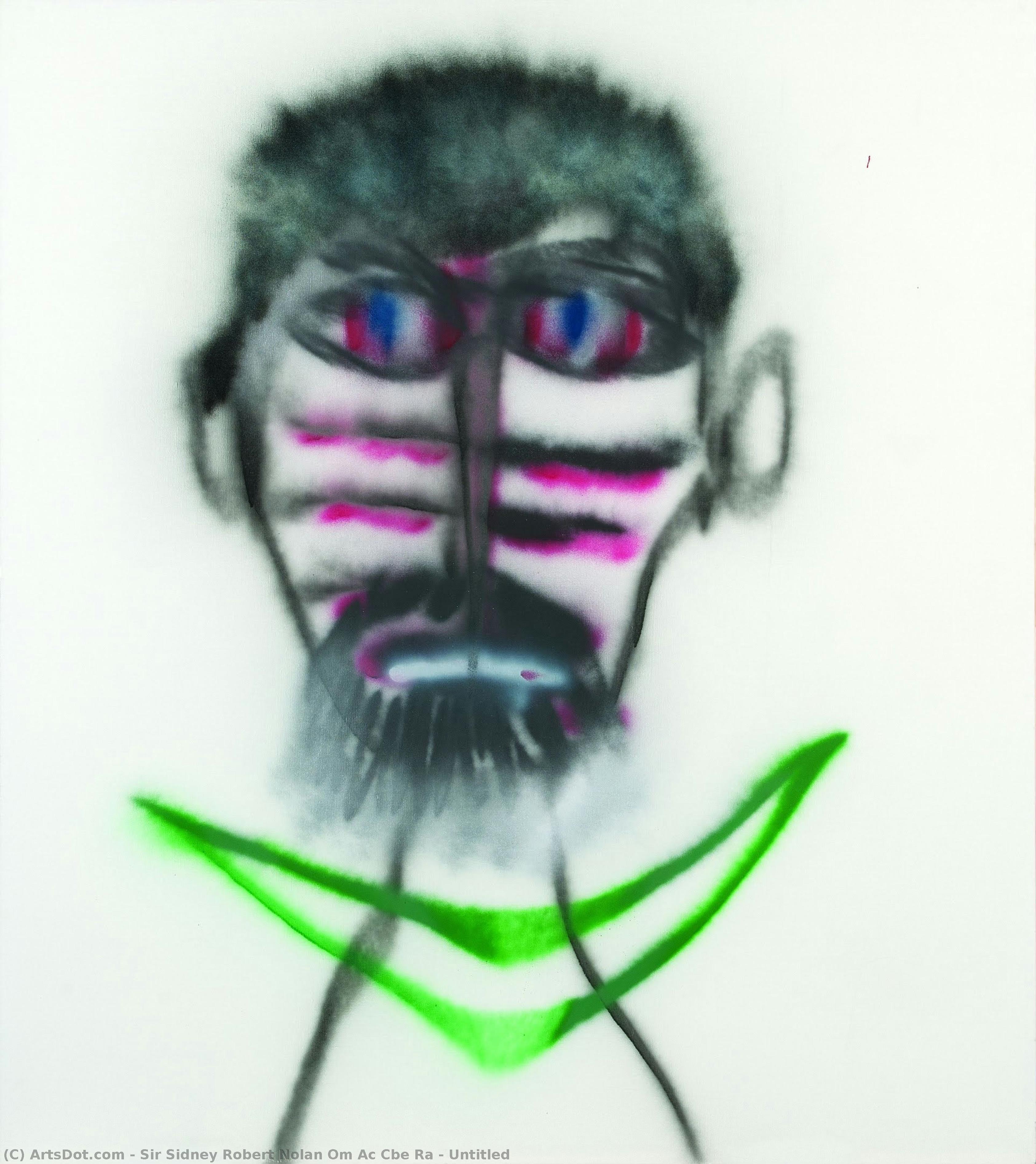
- Sidney Nolan
- Untitled
 Előnézet
 Megosztás
 Megosztás
 Részletek

 Letöltés
 Hasonló alkotások
 X-ray felvétel
 Diavetítés
Untitled
 182.0 x 160.0 cm
 Canberra Museum and Gallery
 Tovább olvasom
Kézzel készített olajfestmény reprodukció
Kézzel festett olajvastú vászon, az Ön által választott méretben és keretben, művészeink készítik meglévőre. ( Váltás nyomtatványra Képváltás)




































Válasszon előre meghatározott méreteink közül, amelyek megfelelnek a műalkotás eredeti arányainak.

Ön megadhat saját méreteket egy adott kerethez vagy térhez igazításhoz. Ha a kiválasztott méret nem egyezik az eredeti kép arányával, akkor a műalkotást levágjuk, vagy további kézzel festett elemekkel meghosszabbítjuk a festményt. A gyártás megkezdése előtt küldünk Önnek egy digitális előnézetet jóváhagyásra.
Kérjük, vegye figyelembe, hogy a képernyőn megjelenő előnézet nem tükrözi a tényleges vágást vagy kiterjesztést. Csak az előnézet fog pontosan mutatni a végső kompozíciót.
Bár egyedi méretek állnak rendelkezésre, javasoljuk, hogy válasszon egy méretet az előre meghatározott listából az eredeti arányok megőrzése érdekében.
A rendelést követően a OriginalUniqueArt.com csapata e-mailt küld az ügyfélnek az instrukciókért, és biztosít egy előnézeti képet (mockup).
Világszerte elérhető szállítás () 3-4 hét alatt a szokásos 5 hét helyett. (1 augusztus). A minőség nem kérdőjelezhető.

Ingyenes globális expressz szállítás

Prémium minőségű len vászon

Teljes szállítási biztosítás

Vámvisszatérítési Garancia

Tökéletes színpontosság garancia

60 napos visszaküldési lehetőség (csak gyártási hibák esetén)

100%-os pénzvisszatérítési garancia

Kedvezmény több termény esetén
 Az üvegkeretes opció csak 110 cm alatti méretben érhető el

Untitled
Reprodukciós technika
A reprodukció mérete
-


Összesített ár
$ 300
A műalkotás leírása
A művész életrajza
A Life Painted in Myth and Landscape
Sir Sidney Robert Nolan, born in Melbourne in 1917, stands as a monumental figure in 20th-century Australian art. His journey was not one of conventional artistic training but rather an explosive emergence from the working-class streets of St Kilda into a world of vibrant imagination and relentless experimentation. Nolan wasn’t simply a painter; he was a visual storyteller, a mythmaker who wrestled with Australia's history, its landscapes, and its very identity. From his early days as a runner for an illegal betting ring to his eventual acclaim on the international stage, Nolan’s life was marked by a restless energy and a refusal to be confined by artistic norms. He absorbed influences from diverse sources – the poetry of Rimbaud, the spatial innovations of Cézanne, the raw emotion of Danila Vassilieff – yet forged a style uniquely his own, one that resonated with a distinctly Australian sensibility. His early exposure to the harsh realities of Melbourne life and the allure of its underbelly would profoundly shape his artistic vision, imbuing his work with a sense of both defiance and vulnerability.Early Life and Influences
Nolan’s formative years were steeped in intellectual ferment. The Heide Circle, centered around patrons John and Sunday Reed, proved pivotal. This haven for artists and writers fostered a spirit of radical experimentation and provided Nolan with crucial support during his developing phase. It was at Heide that he encountered kindred spirits – Albert Tucker, Joy Hester, Arthur Boyd – all grappling with the challenge of creating a distinctly Australian modernism. The influence of modernist literature, particularly the Symbolist poets, cannot be overstated. Rimbaud’s call for a “systematic derangement of the senses” became a guiding principle for Nolan, liberating him from representational constraints and encouraging him to explore the emotional power of color, form, and symbolism. His early works demonstrate this influence, often featuring fragmented figures and dreamlike landscapes that hint at deeper psychological truths. He wasn’t interested in merely depicting reality; he sought to capture its essence, its underlying emotions, and its hidden narratives. This period also saw Nolan experimenting with various media, from stage design for the Ballet Russes to commercial art, each experience contributing to his growing technical prowess and artistic vocabulary. He was particularly drawn to Klee’s approach in art—Klee intentionally undermined the accepted boundaries of art by experimentation and a range of techniques, media and juxtaposition of subject matter.The Heide Circle and Artistic Development
Nolan's engagement with the Heide Circle solidified his belief that art should transcend mere imitation of nature. He recognized the importance of conveying emotion and psychological insight—a conviction that would permeate his entire oeuvre. Tucker, Hester and Boyd shared Nolan’s desire to forge a new artistic path, rejecting academic conventions in favor of intuitive expression. They embraced techniques like collage and assemblage, reflecting the broader modernist preoccupation with disrupting established forms. This collaborative spirit nurtured Nolan's creativity and propelled him toward groundbreaking innovations. His early paintings reflect his study of artists such as Pablo Picasso, Joan Miro, Wassily Kandinsky, Max Ernst and Paul Klee. He was particularly captivated by Klee’s exploration of childlike spontaneity and the rejection of rational order—values that resonated deeply with Nolan’s artistic sensibilities.The Iconoclasm of Ned Kelly
Nolan's most enduring achievement is undoubtedly his series of paintings depicting Ned Kelly, the infamous Australian bushranger. This wasn’t simply a historical retelling; it was a profound exploration of Australian identity, lawlessness, and the romanticized figure of the outlaw. Nolan stripped away the conventional heroic imagery associated with Kelly, presenting him as an enigmatic, almost spectral presence encased in iconic armor. The flattened planes of color, the stark contrasts, and the simplified forms create a powerful visual statement that transcends mere representation. The Ned Kelly series became a defining moment in Australian art, transforming the bushranger from a historical figure into a national symbol. It sparked debate, challenged conventional narratives, and forced Australians to confront their complex relationship with their past. Nolan’s stylistic depiction of Kelly's armor—a deliberate rejection of photographic realism—became instantly recognizable as an emblem of defiance and resilience. He employed bold brushwork and expressive color palettes to convey the psychological intensity of his subject matter, capturing both the grandeur and vulnerability of Kelly’s persona.A Legacy of Visionary Art
Nolan's prolific output spanned painting, sculpture, ceramics, stage design, and even opera sets—demonstrating an unparalleled artistic versatility. He traveled extensively throughout his life – Europe, Africa, America – each journey informing his art with new perspectives and influences. His later works often reflect a more introspective mood, grappling with themes of mortality, memory, and the search for meaning. Despite achieving international recognition, Nolan remained deeply connected to Australia, viewing his art as a means of understanding and interpreting its unique character. He received numerous accolades throughout his career, including appointments as an Officer of the Order of Merit (OM), a Companion of the Order of Australia (AC), and a Commander of the Order of the British Empire (CBE). His paintings continue to inspire artists today, cementing his place as one of Australia’s most influential modernist masters.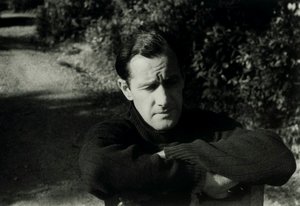
Sidney Nolan
1917 - 1992 , Ausztália
Rövid tények
- Artistic Movement Or Style: Modernist
- Artists Or Movements Influenced By This Artist: ['Contemporary Art Society']
- Artists Who Influenced This Artist:
- Rimbaud
- Cézanne
- Kandinsky
- Klee
- Date Of Birth: April 22, 1917
- Date Of Death: November 28, 1992
- Full Name: Sir Sidney Robert Nolan
- Nationality: Australian
- Notable Artworks:
- Ned Kelly series
- Carriers of Horses
- AFL Series
- Place Of Birth: Melbourne, Australia



