

 Előnézet
 Megosztás
 Megosztás
 Részletek
 Útmutató

 Letöltés
 Hasonló darabok
 X-ray felvétel
 Diavetítés
 Statisztika
Untitled
 Mixed Media
- WallArt
- Expressionism
 Modern
 70.0 x 103.0 cm
 Canberra Museum and Gallery
 Tovább olvasom
Az ezen az oldalon megjelenített műalkotások szerzői jogi védelem alatt állnak, ami azt jelenti, hogy törvényileg nem készíthetünk és nem adhatunk el belőlük pontos másolatokat. Ez a védelem olyan nemzetközi megállapodások alapján érvényesül, mint például a Berni Egyezmény és a nemzeti törvények által, beleértve azokat is, amelyeket meghatározott Az USA szerzői jogi törvénye – 17. cím.
Ez a módszer teljes mértékben megfelel a szerzői jogi szabályozásnak, mivel nem tartalmazza a védett műalkotás másolását vagy duplikálását. Ehelyett ez egy kreatív újinterpretáció – egy új festmény, amely az eredetivel való összefüggései miatt hatással van rá, de nem az az.
Giclée / Műnyomat
Múzeumi minőségű giclée vagy vászonnyomat, gyors gyártással és rugalmas finomítási lehetőségekkel. ( Kézzel festett másolat vásárlása Áttérés digitális képre)




P118B Ft10

P118H Ft10

P118W Ft10

P438Z Ft10

P508JH Ft12

P508YH Ft12

P805H Ft10

P805Z Ft10

P919BZ Ft10

P919G Ft10

P919XJ Ft10

P959ZH Ft10

P968JZ Ft12

W106C Ft8

W218G Ft10

W218JH Ft8

W218Y Ft10

W307PJ Ft10

W316G Ft10

W316PJ Ft8

W316Y Ft10

W398PJ Ft8

W4111J Ft10

W500HY Ft15

W500JH Ft15

W692G Ft12

W849H Ft8

W940BG Ft15

W953PJ Ft8




Válasszon előre meghatározott méreteink közül, amelyek megfelelnek a műalkotás eredeti arányainak.

Írja be a keretének vagy a falának megfelelő szélességet és magasságot. A nyomatot csak le lehet vágni, soha nem tehető nagyobbá, mint az eredeti kép, így egy eltérő alakú méretnél a kép egy része elveszik. Mielőtt bármit kinyatintanánk, küldünk egy digitális próbamodellt jóváhagyásra. Az oldalon látható kép nem tartalmazza a valós levágást — ezt csak a próbamodell mutatja meg.
Világszerte történő kiszállítás területére mindössze 2 hét alatt, a szokásos 4-5 hét helyett. (23 október)

Ingyenes globális expressz szállítás

Prémium minőségű len vászon

Teljes körű szállítási biztosítás

Vámvisszatérítési Garancia

Tökéletes színarányosság garancia

100 napos visszaküldési garancia (csak gyártási hibás termékek esetén)

100% pénzvisszatérítési garancia

Több darab vásárlásakor kedvezmény
 Az üvegkeretes opció csak 110 cm alatti méretben érhető el

Untitled
Giclée / Műnyomat
Reprodukció méretei
-


Összesített ár
Ft 25718
Artwork Description: Untitled (Rimbaud/Cézanne Series) by Sir Sidney Nolan
- Artist: Sir Sidney Robert Nolan OM AC CBE RA
- Date: 1978
- Size: 70 x 103 cm
Subject and Inspiration
This striking artwork, part of Nolan's "Rimbaud/Cézanne Series," is a sketch or study that draws inspiration from the works of two influential French figures: the poet Arthur Rimbaud and the painter Paul Cézanne. Nolan, deeply moved by Rimbaud’s evocative poetry and Cézanne’s innovative approach to form and space, sought to create a dialogue between these seemingly disparate artistic sensibilities. The piece features a stylized depiction of a woman holding a trumpet to her ear, surrounded by symbolic elements such as a table setting (wine glass and cup) and what appears to be a skull or head resting on the ground.
Style and Technique
The artwork is executed in a loose and expressive style characteristic of Nolan's later works. Bold lines define the forms, but with a deliberate lack of precision, contributing to a sense of dynamic movement and spontaneity. The color palette is vibrant, dominated by reds, blues, greens, and touches of yellow and orange applied in broad strokes with minimal blending. This technique creates a high-contrast effect that emphasizes emotion over precise representation. The style leans towards Expressionism, prioritizing the conveyance of feeling through distorted forms and bold colors rather than strict realism.
Symbolism and Emotional Impact
Several symbolic elements contribute to the artwork's layered meaning. The presence of a skull evokes themes of mortality and contemplation, while the trumpet could represent artistic expression or a connection to something beyond the everyday. The woman’s posture, holding the trumpet to her ear, suggests listening intently – perhaps to inspiration, memory, or an inner voice. The seemingly random arrangement of objects adds to the sense of mystery and invites viewers to interpret their significance within the context of Nolan's artistic dialogue between Rimbaud and Cézanne. Overall, the piece evokes a feeling of expressive energy, tinged with melancholy and introspection.
Historical Context and Artistic Influences
Nolan’s fascination with both Rimbaud and Cézanne is central to understanding this work. He first encountered Cézanne's paintings in Melbourne in 1939, recognizing the impact of Cézanne’s treatment of pictorial space – his flattening of the picture plane and use of color patches to create multiple viewpoints. Nolan also admired Rimbaud’s poetic musings, believing that "Reading Rimbaud one got art." This series, created in 1978, reflects Nolan's attempt to capture the creative spirit of these artistic muses through a collection of sketches that appear arbitrary and child-like at first glance, but reveal a deeper exploration of artistic process when viewed as a whole.
Gyakran Ismételt Kérdések
Hogyan egyensúlyozza a fényt és a sötétséget a "Untitled"?
A „Untitled”, Sidney Nolan alkotása fényerősége brilliant, luminanciája pedig Luminous.
Van-e elérhető tájékoztató „Untitled”, Sidney Nolan alkotása művészeten túlmutató részleteivel a diákok számára?
A „Untitled”, Sidney Nolan alkotása Útmutató oldala egy kinyomtatható, kétoldalas információs adatlapot kínál: magát a művészeti alkotást az azonosító táblázattal, egy évtizedes időrenddel, amely a művész életkorába helyezi a alkotást, a művész további treballatait, a megmért színpalettát, valamint négy különböző stílusban, azonnal másolható idézeteket.
„Untitled”, Sidney Nolan alkotása egy világos vagy egy sötét tónusú alkotás?
A „Untitled”, Sidney Nolan alkotása érzetelt fényessége brilliant. Ez összehangolható az adott tér világításával.
A művész életrajza
A Life Painted in Myth and Landscape
Sir Sidney Robert Nolan, born in Melbourne in 1917, stands as a monumental figure in 20th-century Australian art. His journey was not one of conventional artistic training but rather an explosive emergence from the working-class streets of St Kilda into a world of vibrant imagination and relentless experimentation. Nolan wasn’t simply a painter; he was a visual storyteller, a mythmaker who wrestled with Australia's history, its landscapes, and its very identity. From his early days as a runner for an illegal betting ring to his eventual acclaim on the international stage, Nolan’s life was marked by a restless energy and a refusal to be confined by artistic norms. He absorbed influences from diverse sources – the poetry of Rimbaud, the spatial innovations of Cézanne, the raw emotion of Danila Vassilieff – yet forged a style uniquely his own, one that resonated with a distinctly Australian sensibility. His early exposure to the harsh realities of Melbourne life and the allure of its underbelly would profoundly shape his artistic vision, imbuing his work with a sense of both defiance and vulnerability.Early Life and Influences
Nolan’s formative years were steeped in intellectual ferment. The Heide Circle, centered around patrons John and Sunday Reed, proved pivotal. This haven for artists and writers fostered a spirit of radical experimentation and provided Nolan with crucial support during his developing phase. It was at Heide that he encountered kindred spirits – Albert Tucker, Joy Hester, Arthur Boyd – all grappling with the challenge of creating a distinctly Australian modernism. The influence of modernist literature, particularly the Symbolist poets, cannot be overstated. Rimbaud’s call for a “systematic derangement of the senses” became a guiding principle for Nolan, liberating him from representational constraints and encouraging him to explore the emotional power of color, form, and symbolism. His early works demonstrate this influence, often featuring fragmented figures and dreamlike landscapes that hint at deeper psychological truths. He wasn’t interested in merely depicting reality; he sought to capture its essence, its underlying emotions, and its hidden narratives. This period also saw Nolan experimenting with various media, from stage design for the Ballet Russes to commercial art, each experience contributing to his growing technical prowess and artistic vocabulary. He was particularly drawn to Klee’s approach in art—Klee intentionally undermined the accepted boundaries of art by experimentation and a range of techniques, media and juxtaposition of subject matter.The Heide Circle and Artistic Development
Nolan's engagement with the Heide Circle solidified his belief that art should transcend mere imitation of nature. He recognized the importance of conveying emotion and psychological insight—a conviction that would permeate his entire oeuvre. Tucker, Hester and Boyd shared Nolan’s desire to forge a new artistic path, rejecting academic conventions in favor of intuitive expression. They embraced techniques like collage and assemblage, reflecting the broader modernist preoccupation with disrupting established forms. This collaborative spirit nurtured Nolan's creativity and propelled him toward groundbreaking innovations. His early paintings reflect his study of artists such as Pablo Picasso, Joan Miro, Wassily Kandinsky, Max Ernst and Paul Klee. He was particularly captivated by Klee’s exploration of childlike spontaneity and the rejection of rational order—values that resonated deeply with Nolan’s artistic sensibilities.The Iconoclasm of Ned Kelly
Nolan's most enduring achievement is undoubtedly his series of paintings depicting Ned Kelly, the infamous Australian bushranger. This wasn’t simply a historical retelling; it was a profound exploration of Australian identity, lawlessness, and the romanticized figure of the outlaw. Nolan stripped away the conventional heroic imagery associated with Kelly, presenting him as an enigmatic, almost spectral presence encased in iconic armor. The flattened planes of color, the stark contrasts, and the simplified forms create a powerful visual statement that transcends mere representation. The Ned Kelly series became a defining moment in Australian art, transforming the bushranger from a historical figure into a national symbol. It sparked debate, challenged conventional narratives, and forced Australians to confront their complex relationship with their past. Nolan’s stylistic depiction of Kelly's armor—a deliberate rejection of photographic realism—became instantly recognizable as an emblem of defiance and resilience. He employed bold brushwork and expressive color palettes to convey the psychological intensity of his subject matter, capturing both the grandeur and vulnerability of Kelly’s persona.A Legacy of Visionary Art
Nolan's prolific output spanned painting, sculpture, ceramics, stage design, and even opera sets—demonstrating an unparalleled artistic versatility. He traveled extensively throughout his life – Europe, Africa, America – each journey informing his art with new perspectives and influences. His later works often reflect a more introspective mood, grappling with themes of mortality, memory, and the search for meaning. Despite achieving international recognition, Nolan remained deeply connected to Australia, viewing his art as a means of understanding and interpreting its unique character. He received numerous accolades throughout his career, including appointments as an Officer of the Order of Merit (OM), a Companion of the Order of Australia (AC), and a Commander of the Order of the British Empire (CBE). His paintings continue to inspire artists today, cementing his place as one of Australia’s most influential modernist masters.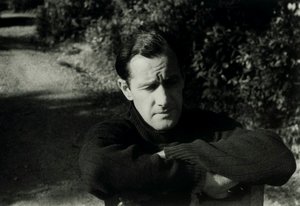
Sidney Nolan
1917 - 1992 , Ausztália
Gyors információk
- Artistic Movement Or Style: Modernist
- Artists Or Movements Influenced By This Artist: ['Contemporary Art Society']
- Artists Who Influenced This Artist:
- Rimbaud
- Cézanne
- Kandinsky
- Klee
- Date Of Birth: April 22, 1917
- Date Of Death: November 28, 1992
- Full Name: Sir Sidney Robert Nolan
- Nationality: Australian
- Notable Artworks:
- Ned Kelly series
- Carriers of Horses
- AFL Series
- Place Of Birth: Melbourne, Australia
Kapcsolódó cikkek

A Német Expresszionizmus 10 Mesterműve: Érzelmek és Forradalom a Falakon
Fedezze fel a Német Expresszionizmus 10 legikonikusabb műalkotását! Kirchner, Munch és más német mesterek érzelmi festményeinek történetét bemutatva. Vászonképek, faliképek otthonába – OriginalUniqueArt.com kínálata.

Unlocking Emotion: A Beginner's Guide to the Raw Power of Symbolic Expressionism Art
Discover the raw emotion of Symbolic Expressionism. Our expert guide explores how masters like Munch use color and form to convey inner feelings, offering inspiration for collectors looking to bring powerful, soulful art into their modern homes.
The Raw Emotion of Expressionism: A Deep Dive into its History, Characteristics & Enduring Influence
Explore the raw emotion of Expressionism with OriginalUniqueArt. Discover its history, key artists like Kirchner & Munch, and lasting influence on modern art. Expert insights for collectors & enthusiasts.
Figurative Expressionism: Emotional Intensity & Subjective Reality in 20th-Century Art
Explore the powerful world of Figurative Expressionism with OriginalUniqueArt. Discover key artists like Kirchner & Beckmann, understand its emotional depth, and learn how to collect this influential 20th-century art movement.
The Eloquent Line: Exploring the Artistic Significance of Sketches Across Movements and Media
Explore the profound artistic significance of sketches throughout history. From Renaissance masters to modern innovators like Van Gogh & Guston, discover how these foundational works reveal technique, emotion, and vision. Learn more at OriginalUniqueArt.


