Menü
Text size

() ·

A painting made for you, by hand

Önismerős portré

Kézzel készített olajfestmény reprodukció

Kézzel festett olajvastú vászon, az Ön által választott méretben és keretben, művészeink készítik meglévőre. ( Váltás nyomtatványra Áttérés digitális képre)

A gyűjtemény leírása

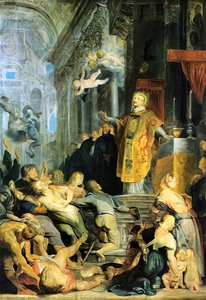
Csodálj meg Paul Rubens ikonikus 1623-as önismerős portréját! Ez a barokk remekmű mutatja be a képességét és vonzerejét, betekintést enged a kor kulturális kontextusába és művészi befolyásaira.

A művész életrajza

Rubens: A barokk mester! Dinamikus kompozíciók, élénk színek & ikonikus alkotások, mint pl. 'A Krisztus lemenése'. Fedezd fel életét és művészetét!

from ·

Chapter 1

How large should it be?

Slide to change the size; the picture on the left shows the frame at its real width. The proportions of the original are kept.

Standard méret
egyedi méretű
CM
INCH

Válasszon előre meghatározott méreteink közül, amelyek megfelelnek a műalkotás eredeti arányainak.

szélesség
magasság

Írja be a kívánt szélességet és magasságot, hogy illeszkedjen a keretéhez vagy a falához. Mivel ez kézzel festett alkotás, egy eltérő formájú méret esetén a művész akár festhet is valamivel többet a kép körül, vagy korolathat is belőle — az Ön döntésének megfelelően. A festés megkezdése előtt küldünk egy digitális tervezetet jóváhagyásra. Az oldalon látható kép nem tartalmazza a végeredményt — csak a tervezet mutatja meg a valódi eredményt.

Chapter 2

How should it arrive?

Choose the edges of the stretched canvas

Choose your frame

Corner sample of the WhiteWrap canvas edge finish, stretched on tömörfa bars
White Ft1
Corner sample of the BlurSideWrap canvas edge finish, stretched on tömörfa bars
Blurside Ft1
Corner sample of the ExtendedWrap canvas edge finish, stretched on tömörfa bars
Extended Ft1
Corner sample of the P118B picture frame: formázott polisztirol, 5 cm wide and 3 cm thick
P118B Ft10
Corner sample of the P118H picture frame: formázott polisztirol, 5 cm wide and 3 cm thick
P118H Ft10
Corner sample of the P118W picture frame: formázott polisztirol, 5 cm wide and 3 cm thick
P118W Ft10
Corner sample of the P438Z picture frame: formázott polisztirol, 5.5 cm wide and 3.5 cm thick
P438Z Ft10
Corner sample of the P508JH picture frame: formázott polisztirol, 7 cm wide and 3.5 cm thick
P508JH Ft12
Corner sample of the P508YH picture frame: formázott polisztirol, 7 cm wide and 3.5 cm thick
P508YH Ft12
Corner sample of the P805H picture frame: formázott polisztirol, 5 cm wide and 3.5 cm thick
P805H Ft10
Corner sample of the P805Z picture frame: formázott polisztirol, 5 cm wide and 3.5 cm thick
P805Z Ft10
Corner sample of the P919BZ picture frame: formázott polisztirol, 7 cm wide and 3.5 cm thick
P919BZ Ft10
Corner sample of the P919G picture frame: formázott polisztirol, 7 cm wide and 3.5 cm thick
P919G Ft10
Corner sample of the P919XJ picture frame: formázott polisztirol, 7 cm wide and 3.5 cm thick
P919XJ Ft10
Corner sample of the P959ZH picture frame: formázott polisztirol, 5 cm wide and 3 cm thick
P959ZH Ft10
Corner sample of the P968JZ picture frame: formázott polisztirol, 6 cm wide and 4 cm thick
P968JZ Ft12
Corner sample of the W106C picture frame: tömörfa, 5 cm wide and 3 cm thick
W106C Ft8
Corner sample of the W218G picture frame: tömörfa, 5 cm wide and 3 cm thick
W218G Ft10
Corner sample of the W218JH picture frame: tömörfa, 5 cm wide and 3 cm thick
W218JH Ft8
Corner sample of the W218Y picture frame: tömörfa, 5 cm wide and 3 cm thick
W218Y Ft10
Corner sample of the W307PJ picture frame: tömörfa, 6 cm wide and 3 cm thick
W307PJ Ft10
Corner sample of the W316G picture frame: tömörfa, 6 cm wide and 3 cm thick
W316G Ft10
Corner sample of the W316PJ picture frame: tömörfa, 6 cm wide and 3 cm thick
W316PJ Ft8
Corner sample of the W316Y picture frame: tömörfa, 6 cm wide and 3 cm thick
W316Y Ft10
Corner sample of the W398PJ picture frame: tömörfa, 5 cm wide and 3 cm thick
W398PJ Ft8
Corner sample of the W4111J picture frame: tömörfa, 6.5 cm wide and 3.5 cm thick
W4111J Ft10
Corner sample of the W500HY picture frame: tömörfa, 7 cm wide and 5 cm thick
W500HY Ft15
Corner sample of the W500JH picture frame: tömörfa, 7 cm wide and 5 cm thick
W500JH Ft15
Corner sample of the W692G picture frame: tömörfa, 8 cm wide and 4 cm thick
W692G Ft12
Corner sample of the W849H picture frame: tömörfa, 5 cm wide and 3 cm thick
W849H Ft8
Corner sample of the W940BG picture frame: tömörfa, 7.5 cm wide and 4.5 cm thick
W940BG Ft15
Corner sample of the W953PJ picture frame: tömörfa, 6 cm wide and 3.5 cm thick
W953PJ Ft8
Corner sample of the H24-GOLD picture frame: faragott fa gesszóval, 10 cm wide and 6 cm thick
H24-GOLD Ft30
Corner sample of the H24-SILVER picture frame: faragott fa gesszóval, 10 cm wide and 6 cm thick
H24-SILVER Ft30
Corner sample of the H36-GOLD picture frame: faragott fa gesszóval, 15 cm wide and 6.5 cm thick
H36-GOLD Ft45
Corner sample of the H36-SILVER picture frame: faragott fa gesszóval, 15 cm wide and 6.5 cm thick
H36-SILVER Ft45

Moulding: . Overall size with the frame: .

Chapter 3

Who paints it, and should anything change?

Examples of what can be changed: Replace face with customer photo; Add pet (e.g., replace cat with dog); Include hidden message in background; Change background landscape or elements.
After order, OriginalUniqueArt.com team will email client for instructions and provide a mockup preview

Világszerte elérhető szállítás () 3-4 hét alatt a szokásos 5 hét helyett. (31 október). A minőség nem kérdőjelezhető.

Chapter 4

The finishing touches

A nameplate, as in a museum?

A gravírozott bronztábla részletei

This elegant plaque features the artist's name and the title of the artwork, finely engraved for a timeless presentation.

It is made from bronze with a refined, elegant finish. The text is precisely laser-engraved for a sharp and permanent result. Measuring 9x2 cm, the plaque is compact yet easy to read. It's built to be durable and scratch-resistant, offering a professional, museum-quality look. Mounting is simple thanks to the included adhesive backing.

Átlátszó akril tábla részletei

The plaque includes essential engraved details such as the artist's name, the title of the artwork, the date it was created, the type of media used-like oil on canvas or watercolor-a brief description of the piece, and a QR code that links to the complete artwork information.

It is crafted from clear acrylic, offering a sleek, modern appearance. The text is UV-engraved in black to ensure strong visual contrast. With a size of 10x15 cm, it ensures optimal readability. It comes equipped with two metal hooks for secure wall mounting. The plaque is designed to be weather-resistant, making it suitable for various environments, and it includes interactive features that work seamlessly with smartphone scanning.

Fekete akril tábla részletei

This elegant plaque includes engraved information such as the artist's name, the title of the artwork, the date it was created, the type of media used (like oil on canvas or watercolor), a short description of the artwork, and a QR code for quick access to more information.

The plaque itself is made from refined black acrylic with a premium finish. The text is laser-engraved in white for high contrast and readability. Its size is 10x15 cm, designed to be easy to read. It comes with two metal hooks for professional mounting. The design is sleek and fits any interior style. It is also weather-resistant and durable, with built-in digital integration for mobile compatibility.

A protective varnish?

When do you need it?

Chapter 5

Your painting, as you ordered it

Önismerős portré

Reprodukciós technika

Reprodukció mérete

-

Kiváló mesterművész

Nagyobb részletesség, finomság és bővített gyártási idő

-

Reprodukció keretezése

-

-

A bármely oldalsó méretét túlszálaló 105 cm (kb. 41 hüvelyk) meghaladó műalkotások vagy reprodukciók esetében a keret összeszerelhető készletként, szétszerelve kerül szállításra. Ez a módszer biztosítja a biztonságos szállítást, és megakadályozza a szállítás során fellépő sérüléseket.

Szakmész összeszerelést igényel – ez nem DIY (önösszeszerelhető) termék.
A készletet egy tapasztalt keretező szakembernek kell összeszerelnie és a vásznat feszítenie kell, fa ragasztó (nem tartalmazza a csomag), vásznfeszítő fogó és szorítók használatával, amelyek a ragasztó száradásáig a keretrészeket egymáshoz vuôngjba tartják. A helytelen összeszerelés vagy a nem egyenletes vásznfeszítés maradandó károsíthatja a műalkotást, és ez nem része a garanciánknak.

  • A készlet tartalmazza az összes tömörfa rudat, pontosan méretre vágva.

  • A mellékelt csavarokkal, valamint a sarokszerekhez szükséges faütő ragasztóval kell összeszerelnie (ez nem tartalmazható a csomagban), így a keretrendezőnek külön kell beszereznie.

  • A csomag nem tartalmazza a szükséges professzionális eszközöket: egy vászonfeszítőt és klipseket a rácsok vízszintes tartásához a ragasztó megszáradásáig.

Fontos:
A sarokcsatlakozásokhoz fánylagra van szükség, a keretrudakat szorítókapcsokkal kell rögzíteni, amíg a rag teljesen meg nem szárad, a kész keretre feszített vászonhoz pedig vászonfeszítő fogat szükséges. Ezek egyike sem található meg a készletben. Kérjük, rendelés előtt győződjön meg róla, hogy rendelkezik tapasztalt keretező szakemberrel.

Névtábla

-

-

Védőréteg (Lakk)

Fényes lakk (intenzívabb színek, védelem a fény és a nedvesség hatása ellen)

-

Műalkotásom egyedi igényre szabása

Példák a módosíthatóságra: az arc kicserélése az ügyfél fotójára; háziállat hozzáadása (pl. macska helyett kutya); rejtett üzenet elhelyezése a háttérben; a háttér tájainak vagy elemeinek megváltoztatása.

-

Sürgős

Világszerte szóló szállítás () mindössze 3-4 hét alatt, a szokásos 5 hét helyett. (31 október). A minőség nem kérdőjelezhető.

-

Express szállítás

Világszerte elérhető szállítás területre 5 héten belül. (7 november).

A szállítás díja tartalmazza

Összesített ár

Ft 98090

Összesített ár Ft 98090

Az üvegkeretes opció csak 110 cm alatti méretben érhető el

Included with every order

  • Ingyenes globális expressz szállítás
  • Prémium minőségű len vászon
  • Teljes körű szállítási biztosítás
  • Vámvisszatérítési Garancia
  • Hiteles színarányosság garancia
  • 100 napos visszaküldési lehetőség (csak hibás termékek esetén)
  • 100% pénzvisszatérítési garancia
  • Több darab vásárlásakor kedvezmény

Magyar portré

Peter Paul Rubens, az egyik legbefolyásosabb festő a flamandı barokk hagyományok között, 1623-ban készített meg lenyűgöző önarcképreg. A festmény nem csupán művészi tudásának tükröződése, hanem a kor kulturális és társadalmi kontextusát is megnyitja. Ez tanúbírás Rubens mestersége iránti elkötelezettségéről és a humán pszichológia mély megértéséről – egy vizuális meditáció az identitásról és ambíciókról a barokk művészet nagyságaiban.

Művészi stílusról és technikáról

Rubens önarckéte példa a barokk stílusra, melyet drámai megvilágítással, intenzív érzelmekkel és nagy részletességű realizmussal jellemeznek. A művész olajjal való munkája lehetővé tette a gazdag textúrák és ragyogó színek használatát, ami növelte az általános vizuális hatást. Figyelembe véve a mesterséges chiaroscuro – a fény és árnyék közötti játékot –, mely Rubens alakját meglepő pontossággal formálja. A vastag impasto-hatású ecsetvágások érzékelhető mozgást és térfogatot kölcsönöznek, kifejezik a fizikai jelenlétet és a pszichológiai dinamikát. A festmény 62 x 86 cm nagyságú, ami jelentős darab, amely vonzza a tekintetet.

Történeti kontextus

A festmény a Rubens karrierjének csúcspontján készült, amikor már kiemelkedő szerepet töltött be az európai művészetben – különösen mint udvari festő Károly I. spániában és Fülöp IV. koronát meg nem ismételve. Az önarckép tükrözi a kor kulturális befolyásait. Rubens alkotásai gyakran utaltak klasszikus és keresztény témákra, ami tükrözte a barokk korban uralkodó értelmi szenvedélyt. A festmény egy turbulens időszakban született, amikor a vallási konfliktusok és politikai manőverezések voltak jellemzőek; Rubens önmagát bizonytalanságra és hatalmasra akarta mutatni – egy művészi teljesítmény nyilatkozata a kor európai politikájának bonyolultságaiban.

Művészi befolyások

Rubens stílusát olyan festők hatottak rá, mint Caravaggio, aki a szaturnak nevezett technikával – a fény és árnyék közötti drámai kontrasztokkal – egy olyan művészeti stílust teremtett, amely emeli az érzelmeket és felejthetetlen vizuális élményt eredményez. Ezenkívül Rubens elnyelte a barokk művészetben uralkodó kifejező gesztusok és szívély tulajdonságokat, melyeket saját alakjának ábrázolásába öntötte. Az artisták tekintete közvetlen és határozott, ami tükrözi Rubens oeuvre-jének jellemzőit – egyfajta önreflexió ésbizalom.

Egyéb kiemelkedő művek

Rubens művei számos mesterdarabbal gazdagítják a művész sokoldalúságát. Egy különösen fontos példa Nicolas de Respaigne portréja, amely Rubens képességét mutatja be az alakok lényegének megfogásában eleganciával és pontossággal – egy készség, amelyet évek gyakorlata és megfigyelése során fejlesztett ki. Ez a festmény része a Staatliche Kunstsammlungen kollekciójának Kasselben, Németországban.

Múzeumok és gyűjtemények

A Nemzeti Galéria Ausztriában, ahol Rubens önarcképe kiállítva van, egy sokszínű gyűjteményt őriz, amely a korai európai művészet kulcsfontosságú eseményeit mutatja be. Hasonlóan a Museo Santi Alessandro e Vincenzo Ponteranica-ban, Olaszországban, ahol olyan híres festők alkotásai találhatók, mint Lorenzo Lotto és Hans Von Aachen – akik szintén elkötelezetten vették magukhoz a barokk esztétikát és a spirituális és emberi érzelmek témáit.

Könyvbejegyzés

Peter Paul Rubens önarcképe egy pillanatnyi művészeti alkotás, mely a barokk művészet egyik alapköve – egy lenyűgöző keverék technikusi képességekből, pszichológiai megértésből és művészi ambíciókból. A fény, szín és kompozíció mesterséges használatával egy olyan darabot teremtett, amely ma is vonzza a közönséget. Akik érdeklődnek munkáit, vagy mélyebben szeretnék elmélyedni a barokk stilisztikai innovációkban, Peter Paul Rubens: Self-portrait és Peter Paul Rubens: Portrait of Nicolas de Respaigne értékes forrásokat kínálnak a kivételes művész és öröksége megértéséhez.

Hivatkozások

- Peter Paul Rubens - National Gallery of Australia - Museum Santi Alessandro e Vincenzo - The Museum Santi Alessandro e Vincenzo (Ponteranica, Italy) A művészet fejlődésének és evolúciójának mélyebb megértéséhez tekinthetők referenciaforrások a Művészettörténet és a Európa Művészete.

Kérdések és válaszok

Milyen elhelyezés illik „Önismerős portré”, Rubens alkotása formátumához?

A „Önismerős portré”, Rubens alkotása Portrait formátumú alkotása egy Nappali számára ajánlott. A formátum és a tér együtt segítik a reprodukció elhelyezését.

Milyen kontraszt jellemzi a „Önismerős portré”, Rubens alkotása alkotást?

A "Önismerős portré" fény-sötét kontrasztja Nyugodt értéket mutat. A kontraszt azt írja le, mennyire térnek el egymástól a világos és sötét részek.

Hová sorolható a "Önismerős portré" Rubens ismétlődő témái közé?

Rubens dokumentált témái – caravaggio hatás, klasszikus hagyomány, krisztusi szimbólumok, uralkodói pártolás, flemish barokk mesterdarab, művész önarcképe, rubens kiemelkedő portréja – között a „Önismerős portré” különös hangsúlyt fektet saját portré, renaissance, barokk művészet, flemish festészet, rubens, klasszikus hatás, portrészmény-ra.

More about this painting

Megtekintés AR előnézet Váltás nyomtatványra Áttérés digitális képre Küldés
Részletek Útmutató Kedvencekhez ad Letöltés Hasonló darabok X-ray felvétel Diavetítés Q&A Statisztika

In numbers

  • 1623the year it was painted
  • 29frames to choose from
  • standard sizes, in its own proportions
  • 5weeks to paint and deliver it
Rubens

Rubens

1577 - 1640, Németország

Quick facts about Rubens

  • Artistic Movement Or Style: Barokk
  • Artists Or Movements Influenced By This Artist: ['Anthony van Dyck']
  • Artists Who Influenced This Artist:
    • Michelangelo
    • Titian
  • Date Of Birth: 1577. június 28.
  • Date Of Death: 1640. május 30.
  • Full Name: Sir Peter Paul Rubens
  • Nationality: Flamand
  • Notable Artworks:
    • A Keresztlevétel
    • A Szent Lukrécia
    • Heléna Fourmenttával
  • Place Of Birth: Siegen, Németország

A művész életrajza

A Life Forged in Baroque Splendor

Sir Peter Paul Rubens, a name that resonates with the very essence of Baroque dynamism, was far more than simply a painter. He was a diplomat, a scholar, and a cultural architect who fundamentally reshaped the artistic landscape of 17th-century Europe. Born in Siegen, Germany, in 1577, his early life was marked by displacement—a formative experience that would subtly permeate his later work with an undercurrent of drama and emotional depth. His father, Jan Rubens, a lawyer fleeing religious persecution for his Calvinist beliefs, uprooted the family from their native Antwerp, then under Spanish rule. This initial exile instilled in young Peter Paul a sense of resilience and adaptability, qualities that would serve him well throughout his multifaceted career. Following his father’s death in 1587, the family returned to Antwerp, where he received a humanist education before embarking on his artistic training around 1590, apprenticing under Tobias Verhaecht and Adam van Noort, honing foundational skills in drawing and painting techniques. However, it was his time with Otto van Veen that proved pivotal, exposing him to the rich legacy of Italian Renaissance art—a world he would soon embrace wholeheartedly.

The Italian Awakening and Artistic Synthesis

In 1600, Rubens embarked on a transformative journey to Italy, a pilgrimage that irrevocably shaped his artistic vision. For eight years, he immersed himself in the masterpieces of Michelangelo, Raphael, and Titian, absorbing their mastery of form, color, and composition. The influence of these Renaissance giants is readily apparent in his early Italian works, characterized by classical themes and idealized figures. Yet, Rubens didn’t merely imitate; he synthesized these influences with his own innate talent, developing a distinctive style marked by vibrant hues, dynamic compositions, and a sensuous depiction of the human form. He studied anatomy meticulously, resulting in figures that possessed both physical realism and emotional power—robust bodies imbued with life and movement. This period wasn’t solely about artistic development; it was a profound intellectual awakening, fostering a deep appreciation for classical mythology and literature which would become recurring motifs throughout his oeuvre. Upon returning to Antwerp in 1608, Rubens swiftly established himself as the leading artist of his time, receiving a flood of commissions that testified to his burgeoning reputation and solidifying his position at the forefront of Flemish art.

A Master of Many Forms: Painting Beyond Boundaries

Rubens’s artistic output was astonishingly diverse and prolific. He didn't confine himself to a single genre; instead, he excelled in history paintings, mythological scenes, portraits, landscapes, and religious works—a testament to his versatility and boundless creativity. His large-scale canvases, often intended for churches, palaces, and public spaces, were breathtaking displays of technical virtuosity and dramatic storytelling. The Descent from the Cross (c. 1616-1617) exemplifies his masterful use of light and shadow to create a scene of profound emotional intensity, drawing viewers into the heart of the narrative. The figures are caught in a moment of agonizing grief, yet their gestures convey both sorrow and acceptance—a testament to Rubens’s ability to capture complex emotions with remarkable precision. The Raising of the Cross (1610-1611), with its swirling figures and dynamic composition, showcases his ability to convey movement and energy—a hallmark of his Baroque style. The scene is filled with a sense of urgency and drama, as the crowd surges forward to witness the miraculous event. Even in seemingly static subjects like The Judgement of Paris (c. 1636), Rubens infused a sense of life and vitality through his vibrant color palette and sensual depiction of the human form. The goddesses are depicted with an almost palpable allure, their beauty enhanced by the rich colors and dramatic lighting. His technique was equally remarkable – a masterful command of oil painting, employing impasto to create texture and depth, alongside delicate glazing techniques to achieve luminous effects. He frequently employed allegorical figures and symbolic imagery, layering narratives with complex meanings that invited contemplation and interpretation.

Rubens’s Diplomacy and Legacy

Beyond his artistic achievements, Rubens was a skilled diplomat and political figure. His diplomatic skills were highly sought after by the Southern Netherlands (modern-day Belgium), and he undertook numerous missions to England, France, and Spain, negotiating treaties and fostering political alliances—a unique dual role that afforded him a nuanced perspective on European affairs and further enhanced his reputation as a man of intellect and influence. In 1630, he married Hélène Fourment, who became both his muse and frequent subject in his paintings – her youthful beauty gracing many of his later works, embodying the sensuality and vitality that characterized his style. He continued to paint prolifically until his death in Antwerp in 1640, leaving behind a vast legacy that continues to inspire awe and admiration. His impact on subsequent generations of artists is immeasurable; painters like Anthony van Dyck, Jacob Jordaens, and Eugène Delacroix all drew inspiration from his dynamic compositions, vibrant colors, and sensuous figures. Rubens didn’t just define the Baroque style—he elevated painting to a new level of prestige and influence, solidifying Antwerp as a major center of artistic production during the 17th century. He remains, centuries later, a towering figure in the history of art, a testament to the power of human creativity and the enduring allure of Baroque splendor.

Key Characteristics of Rubens’s Style

  • Dynamic Composition: Rubens' paintings are known for their energetic and dramatic arrangements of figures.
  • Vibrant Color Palette: He employed a rich, warm color scheme that brought his canvases to life.
  • Sensuous Figures: His depictions of the human form were characterized by fullness, vitality, and often, overt sensuality.
  • Masterful Use of Light and Shadow: Rubens skillfully manipulated light and shadow to create depth, drama, and emotional impact.
  • Allegorical Symbolism: His works frequently incorporated allegorical figures and symbolic imagery, adding layers of meaning and complexity.

Gyors információk

  • Notable elements or techniques: Drámai fényviszonyok, szaturnálás
  • Year: 1623
  • Artistic style: Nagyon részletes realizmus
  • Artist: Peter Paul Rubens
  • Movement: Barokk
  • Medium: Olaj a vászonra