
 Megtekintés
 Küldés
 Megosztás
 Részletek

 Letöltés
 Hasonló darabok
 X-ray felvétel
 Diavetítés
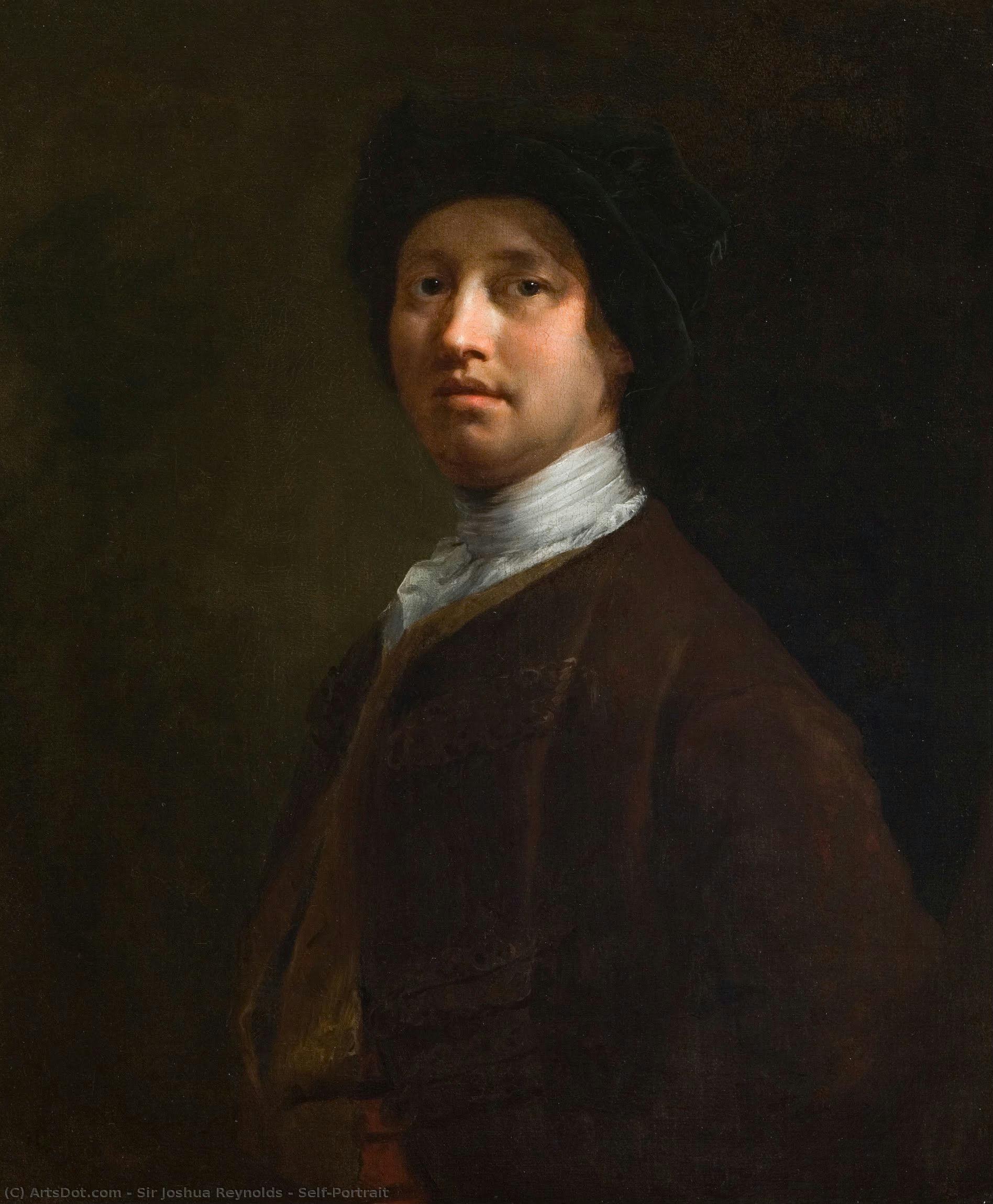
Self-Portrait


 Összes részlet megjelenítése
Vásároljon nagy felbontású, javított digitális képet, amely minőségében messze felülmúlja az online előnézetet.
Minden fájlt szakembereink a legmodernebb eszközök és precíz, kézi retusálás segítségével készítenek el aprólékosan. Gondoskodunk arról, hogy minden kép kivételes tisztasággal, pontos színhelyességgel és részletgazdag finomsággal rendelkezzen.
A végleges fájl 72 órán belül e-mailben megérkezik, professzionális, szerkesztői és nyomtatási környezetbe optimalizálva az azonnali használathoz. Ez ugyanaz a minőség, amelyben a legmeghatározóbb tervezőstúdiók, kiadók és galériák is megbízhatnak.
Digitális kép
Töltsön le nagy felbontású fájlt személyes kiállításokhoz, nyomtatáshoz és kreatív projektekhez. ( Nyomat rendelése Kézzel festett másolat rendelése)
Minden digitális kép rendeléséhez tartozó extrák
Szakértői digitális kézbesítés, garantáltan
Amikor a OriginalUniqueArt.com szolgáltatást választja, nem csupán egy képet kap – professzionálisan felmagasított digitális műalkotást kap, amely precizitással készült, és amelyet megelégsedési gwarancia tesz biztoslássá. Az alábbiakban automatikusan minden benne 】

Gyors e-mail teslimítés
A nagy felbontású digitális képmásolatát a megrendelést követő 72 órán belül e-mailben elküldjük Önnek – azonnal használható formátumban.

MI-alapú digitális fejlesztésű fájl
Műve professzionális módon kerül optimalizálásra fejlett mesterséges intelligencia eszközök és manuális szerkesztés segítségével, biztosítva a maximális részletességet, tisztaságot és színpontosságot.

Örök életű ingyenes újradelivery
Véletlenül törölted vagy elvesztetted a fájlodat? Ne aggódj – bármikor ingyen újra megküldjük neked.

Nincs importköltség – soha
Élvezze műalkotásait azonnal, vám, illeték vagy szállítási költség nélkül – a digitális letöltések mindig adamentesek.

Színpontosság garantálása
Professzionális eszközök és színkezelés segítségével garantáljuk, hogy digitális képe a lehető legpontosabban tükrözze az eredeti színeket.

60 napos elégedettségi garancia
Ha nemມີ elégedett a digitális képpel, 60 napon belül átmunkáljuk azt, vagy 100% visszatérítjük az amountot – kérdés nélkül.

100% Pénzvisszatérítési garancia
Nem érheted el a teljes elégedettséget? 60 napon belül teljes visszatérítést kapsz a digitális fájlod megérkezése után – kérdés nélkül.

Tömegrendelési kedvezmények
Vásároljon 3 képet, spóroljon 10%-et - Vásároljon 5-öt, spóroljon 15%-et - Vásároljon 10+ képet, spóroljon 20%-at. Kiváló kreatív projektekhez, galériákhoz és ügynökségekhez.
A gyűjtemény részletei
A Window into the Enlightenment: Sir Joshua Reynolds’ “Self-Portrait”
Sir Joshua Reynolds' "Self-Portrait," painted in 1747-1749, isn’t merely a likeness; it’s a carefully constructed declaration of an artist’s ambition and his understanding of the era. This captivating work, now residing within the esteemed collection of the SCAD Museum of Art in Savannah, offers a rare glimpse into the mind of one of Britain's most influential figures in 18th-century art – a man who fundamentally reshaped the very notion of portraiture. The painting immediately draws the eye with its dramatic lighting, a hallmark of Reynolds’ “Grand Style,” where shadows are sculpted to enhance form and create an atmosphere of both solemnity and vibrant energy. The artist himself is presented not as a humble craftsman, but as a figure of authority and intellectual prowess – his gaze direct and confident, suggesting a man acutely aware of his own importance within the cultural landscape.
A Masterclass in Technique: The Reynoldsian Approach
Reynolds’ skill lies not just in capturing a physical likeness but in imbuing that likeness with character and depth. Observe the meticulous rendering of his wig, styled with an almost theatrical flourish – a deliberate choice reflecting the fashionable sensibilities of the time. The ruffled collar, meticulously detailed, speaks to his status and connection to the aristocratic circles he frequented. But it’s the subtle manipulation of light and shadow that truly elevates the portrait. Reynolds employed a technique known as *chiaroscuro*, expertly contrasting areas of bright illumination with deep shadows, creating a sense of three-dimensionality and drawing attention to key features. The impasto – the thick application of paint – adds texture and visual interest, particularly noticeable in the folds of his clothing and the suggestion of fabric beneath his jacket. This wasn’t simply about painting; it was about sculpting light and form onto canvas.
Echoes of Antiquity: Symbolism and Context
The “Self-Portrait” is deeply rooted in the artistic principles of the Enlightenment, a period characterized by a renewed interest in classical antiquity. Reynolds, heavily influenced by artists like Leonardo da Vinci and Michelangelo, sought to emulate their mastery of anatomy, perspective, and dramatic composition. The pose itself – reminiscent of Roman statues – deliberately connects him to this rich heritage. Furthermore, the inclusion of his ear trumpet, a symbol of his partial deafness acquired during his time in Rome, subtly acknowledges his artistic journey and intellectual pursuits. It’s a quiet testament to the challenges he overcame in pursuit of his craft. The painting also reflects Reynolds' belief that art should be idealized – not a slavish imitation of reality but an elevation of it, reflecting the beauty and harmony inherent within human form.
Beyond the Brush: A Legacy of Influence
Sir Joshua Reynolds’ “Self-Portrait” is more than just a personal depiction; it's a pivotal document in the history of British art. His theories on painting, articulated in his influential *Discourses on Art*, established the "Grand Style," which dominated portraiture for decades and profoundly impacted subsequent generations of artists. He championed the idea that painters should study classical models and strive to create works of beauty and harmony – a philosophy that shifted the focus from mere likeness to artistic expression. The painting’s enduring appeal lies in its ability to transport us back to a pivotal moment in art history, offering a window into the mind of a visionary artist who shaped the course of British painting. Reproductions of this iconic work continue to inspire and captivate, reminding us of the power of art to both reflect and shape our understanding of the world.
- Artist: Sir Joshua Reynolds
- Date: 1747-1749
- Medium: Oil on Canvas
- Location: SCAD Museum of Art, Savannah, United States
A művész életrajza
A Luminary of the Enlightenment: The Life and Art of Sir Joshua Reynolds
Born in 1723 in the quaint Devonshire town of Plympton, Sir Joshua Reynolds emerged as a pivotal figure during a period of immense cultural transformation in Britain. His father, Reverend Samuel Reynolds, instilled in him a love for learning and intellectual pursuits, initially steering young Joshua towards a scholarly path. However, an undeniable artistic inclination soon surfaced, leading to his apprenticeship with Thomas Hudson in London at the age of seventeen. This formative experience provided Reynolds with a solid foundation in portraiture—a genre that would define his illustrious career. Hudson’s studio was a bustling hub of fashionable society, exposing Reynolds to the demands and expectations of aristocratic patrons, shaping not only his technique but also his understanding of the social landscape he would come to depict so masterfully. It wasn't merely about capturing likeness; it was about constructing an image that reflected status, taste, and aspiration.Forging a ‘Grand Style’ for British Portraiture
Reynolds didn’t simply replicate what he learned from Hudson. He embarked on a journey of artistic exploration, fueled by a deep admiration for the Old Masters—particularly Raphael, Michelangelo, and Titian. A pivotal moment in his development was a sojourn to Rome in 1750, where he immersed himself in classical art and absorbed the principles of the ‘Grand Style’ – an approach that prioritized idealized beauty, dramatic composition, and historical or mythological allusions. Upon returning to England, Reynolds sought to elevate British portraiture beyond mere representation, infusing it with a sense of dignity and intellectual weight previously unseen. He believed that portraits should not just record physical appearances but also reveal the sitter's character and social standing. This ambition led him to incorporate elements of history painting into his work, often depicting his subjects in elaborate costumes or staged settings reminiscent of classical narratives. He wasn’t merely painting *people*; he was crafting enduring images of power, intellect, and refinement. Reynolds meticulously studied the works of Rembrandt, Rubens and Van Dyck, incorporating their techniques and compositional strategies into his own style.The First President and Champion of the Royal Academy
Reynolds' influence extended far beyond his own canvas. In 1768, he became a founding member of the Royal Academy of Arts, and crucially, its first president—a position he held until his death in 1792. This was a watershed moment for British art, establishing an institution dedicated to fostering artistic talent and promoting national identity. Reynolds tirelessly advocated for the importance of art education and championed the recognition of artists as professionals deserving of respect and patronage. His annual Discourses – lectures delivered to Academy students – became seminal texts on artistic theory and practice, outlining his vision for a distinctly British school of painting. He stressed the importance of studying nature, mastering technique, and cultivating imagination, urging artists to strive for originality while remaining grounded in tradition. Reynolds’ leadership transformed the landscape of British art, elevating its status and laying the foundation for future generations of artistic innovation. He was knighted by King George III in 1769, a testament to his significant contribution to the nation's cultural life.Capturing an Era: Notable Works and Enduring Legacy
Reynolds’ prolific output encompassed portraits of some of the most prominent figures of 18th-century Britain—members of the aristocracy, literary luminaries, and military heroes. His portrait of Duke of Devonshire, for example, exudes an air of aristocratic power and sophistication, while his depiction of Peter Darnell Muilman, Charles Crokatt and William Keable in a Landscape showcases his ability to integrate figures seamlessly into natural settings. Mr and Mrs William Lindow is another compelling example of his skill in capturing the intimacy and social dynamics of family life. Beyond individual portraits, Reynolds also excelled at group compositions, skillfully arranging multiple figures within a single frame to create dynamic and engaging narratives. His work wasn’t simply about technical proficiency; it was about storytelling—about conveying the essence of an era through carefully constructed images. He was known for his ability to capture not just physical likeness but also the personality and character of his subjects, imbuing each portrait with a sense of life and drama. Reynolds' impact on British art is immeasurable. He not only established portraiture as a respected genre but also helped shape the cultural identity of a nation undergoing rapid social and political change. His emphasis on the ‘Grand Style’ inspired generations of artists, while his leadership of the Royal Academy laid the groundwork for the development of a thriving artistic community. Today, his paintings continue to captivate audiences with their elegance, psychological depth, and historical significance—a testament to the enduring power of his vision and artistry. His works can be found in prestigious collections worldwide, including the Tate Britain in London and the Royal Collection at Hampton Court, ensuring that his legacy will continue to inspire and inform for centuries to come.Key Influences and Artistic Development
Reynolds’ artistic development was profoundly shaped by a confluence of influences. Initially drawn to the works of Thomas Hudson, he quickly expanded his repertoire, immersing himself in the art of the Old Masters—particularly Raphael, Michelangelo, and Titian. His sojourn to Rome in 1750 proved transformative, exposing him to the ideals of classical antiquity and providing direct access to masterpieces that fueled his ambition to elevate British portraiture beyond mere representation. The influence of Rembrandt’s dramatic lighting and psychological depth, Rubens' dynamic compositions, and Van Dyck’s elegant portrayal of aristocratic subjects all contributed to the formation of Reynolds’ distinctive style. He wasn't merely imitating these masters; he was synthesizing their techniques and principles into a uniquely British approach—a ‘Grand Style’ that emphasized idealized beauty, historical or mythological allusions, and a sense of dignified grandeur.Legacy and Historical Significance
Sir Joshua Reynolds stands as one of the most important figures in the history of British art. His pioneering work in establishing the Royal Academy of Arts fundamentally reshaped the artistic landscape of England, fostering a vibrant community of artists and promoting the recognition of painting as a legitimate profession. His emphasis on the ‘Grand Style’ – a deliberate departure from the more anecdotal portraiture of the early 18th century – elevated British art to new heights of sophistication and intellectual depth. Reynolds' portraits not only captured the likenesses of prominent figures but also conveyed their character, social standing, and aspirations—making them enduring symbols of an era. His influence can be seen in the work of subsequent generations of British artists, solidifying his place as a foundational figure in the development of the nation’s artistic identity.
Sir Joshua Reynolds
1723 - 1792 , Egyesült Királyság
Érdekességek
- Artistic Movement Or Style: Grand Style portré
- Artists Or Movements Influenced By This Artist: ['Thomas Gainsborough']
- Artists Who Influenced This Artist: ['Thomas Hudson']
- Date Of Birth: 1723. július 16.
- Date Of Death: 1792. február 23.
- Full Name: Sir Joshua Reynolds
- Nationality: Angol
- Notable Artworks:
- Peter Darnell Muilman...
- Mr és Mrs William Lindow
- Portrét John Hayes-ről...
- Place Of Birth: Plymouth, Anglia

