Előnézet
 Megosztás
 Megosztás
 Részletek
 Útmutató

 Letöltés
 Hasonló darabok
 X-ray felvétel
 Diavetítés
 Statisztika
Robinetta
 Oil On Canvas
- WallArt
- Neoclassicism
 1786
1786 75.0 x 62.0 cm
 Tovább olvasom
Giclée / Műnyomat
Múzeumi minőségű giclée vagy vászonnyomat, gyors gyártással és rugalmas finomítási lehetőségekkel. ( Kézzel festett másolat vásárlása Áttérés digitális képre)




P118B Ft10

P118H Ft10

P118W Ft10

P438Z Ft10

P508JH Ft12

P508YH Ft12

P805H Ft10

P805Z Ft10

P919BZ Ft10

P919G Ft10

P919XJ Ft10

P959ZH Ft10

P968JZ Ft12

W106C Ft8

W218G Ft10

W218JH Ft8

W218Y Ft10

W307PJ Ft10

W316G Ft10

W316PJ Ft8

W316Y Ft10

W398PJ Ft8

W4111J Ft10

W500HY Ft15

W500JH Ft15

W692G Ft12

W849H Ft8

W940BG Ft15

W953PJ Ft8




Válasszon előre meghatározott méreteink közül, amelyek megfelelnek a műalkotás eredeti arányainak.

Írja be a keretének vagy a falának megfelelő szélességet és magasságot. A nyomatot csak le lehet vágni, soha nem tehető nagyobbá, mint az eredeti kép, így egy eltérő alakú méretnél a kép egy része elveszik. Mielőtt bármit kinyatintanánk, küldünk egy digitális próbamodellt jóváhagyásra. Az oldalon látható kép nem tartalmazza a valós levágást — ezt csak a próbamodell mutatja meg.
Világszerte történő kiszállítás területére mindössze 2 hét alatt, a szokásos 4-5 hét helyett. (22 október)

Ingyenes globális expressz szállítás

Prémium minőségű len vászon

Teljes körű szállítási biztosítás

Vámvisszatérítési Garancia

Tökéletes színarányosság garancia

100 napos visszaküldési garancia (csak gyártási hibás termékek esetén)

100% pénzvisszatérítési garancia

Több darab vásárlásakor kedvezmény
 Az üvegkeretes opció csak 110 cm alatti méretben érhető el

Robinetta
Giclée / Műnyomat
Reprodukció méretei
-


Összesített ár
Ft 25565
A Vision of Eighteenth-Century Grace
To gaze upon this portrait, Robinetta, is to step directly into the sun-dappled salons of late eighteenth-century England. Painted in 1786 by the masterful Sir Joshua Reynolds, the work captures more than just a likeness; it arrests a fleeting moment of exquisite leisure and cultivated beauty. The subject, a young woman with striking red hair, is rendered with an almost luminous quality, dressed in a pristine white gown that speaks volumes of contemporary fashion and aristocratic refinement. Her gentle smile seems to invite the viewer into her private world, suggesting a narrative just beyond the frame's edge.
The Artistry of Sir Joshua Reynolds
Sir Joshua Reynolds stood as a colossus of British portraiture, a figure whose brushstrokes helped define the very concept of modern artistic representation. His command over the 'Grand Style' allowed him to elevate mere portraiture into an art form steeped in mythology and social commentary. In Robinetta, we witness his unparalleled ability to imbue his sitters with psychological depth. Notice how the light seems to fall upon her skin—it is not merely illumination, but a carefully orchestrated highlight that emphasizes youth and vitality. His technique here balances meticulous detail, particularly in the texture of her hair and the folds of her dress, with an overall sense of airy spontaneity.
Symbolism in Bloom: Nature and Companionship
The composition is richly layered with symbolic elements that elevate the portrait beyond a simple study of beauty. The inclusion of nature—the visible trees in the background—grounds the figure within a pastoral ideal, a common trope during the Enlightenment era that sought solace in the natural world amidst burgeoning urban life. More captivating are the birds. The bird held delicately in her hand, alongside another perched nearby, introduces themes of freedom, song, and delicate companionship. These avian companions act as subtle metaphors, perhaps speaking to the ephemeral nature of joy or the bonds of friendship cherished by the sitter.
A Touch for the Modern Collector
For the discerning collector or designer seeking an authentic piece of historical romance, Robinetta offers unparalleled depth. The soft palette, combined with the dramatic flair characteristic of Reynolds's finest work, makes it a breathtaking focal point for any grand drawing-room or elegant study. Owning a reproduction allows one to possess this captured moment—the confluence of fashion, artistry, and natural symbolism from an era of profound cultural awakening. It is not just decoration; it is a conversation piece that whispers tales of Georgian elegance.
Gyakran Ismételt Kérdések
Milyen fényerőt sugároz „Robinetta”, Sir Joshua Reynolds alkotása?
Összességében a "Robinetta" alkotás deep_shadow fényerőséget mutat. A tapasztalt fényerő azt írja le, hogy a mű mennyire tűnik világosnak vagy sötétnek.
Milyen technika és stílus jellemzi „Robinetta”, Sir Joshua Reynolds alkotása alkotást?
A „Robinetta”, Sir Joshua Reynolds alkotása ötvözi a Oil On Canvas technikát a Neoclassicism stílussal. A technika és a művészeti irány a mű elkészítését és stílusát írja le.
Mely művész és mely stílus áll a "Robinetta" mögött?
A „Robinetta” alkotását Sir Joshua Reynolds készítette Neoclassicism stílusban. A művész és a műveszetség meghatározza a mű hagyományát.
A művész életrajza
A Luminary of the Enlightenment: The Life and Art of Sir Joshua Reynolds
Born in 1723 in the quaint Devonshire town of Plympton, Sir Joshua Reynolds emerged as a pivotal figure during a period of immense cultural transformation in Britain. His father, Reverend Samuel Reynolds, instilled in him a love for learning and intellectual pursuits, initially steering young Joshua towards a scholarly path. However, an undeniable artistic inclination soon surfaced, leading to his apprenticeship with Thomas Hudson in London at the age of seventeen. This formative experience provided Reynolds with a solid foundation in portraiture—a genre that would define his illustrious career. Hudson’s studio was a bustling hub of fashionable society, exposing Reynolds to the demands and expectations of aristocratic patrons, shaping not only his technique but also his understanding of the social landscape he would come to depict so masterfully. It wasn't merely about capturing likeness; it was about constructing an image that reflected status, taste, and aspiration.Forging a ‘Grand Style’ for British Portraiture
Reynolds didn’t simply replicate what he learned from Hudson. He embarked on a journey of artistic exploration, fueled by a deep admiration for the Old Masters—particularly Raphael, Michelangelo, and Titian. A pivotal moment in his development was a sojourn to Rome in 1750, where he immersed himself in classical art and absorbed the principles of the ‘Grand Style’ – an approach that prioritized idealized beauty, dramatic composition, and historical or mythological allusions. Upon returning to England, Reynolds sought to elevate British portraiture beyond mere representation, infusing it with a sense of dignity and intellectual weight previously unseen. He believed that portraits should not just record physical appearances but also reveal the sitter's character and social standing. This ambition led him to incorporate elements of history painting into his work, often depicting his subjects in elaborate costumes or staged settings reminiscent of classical narratives. He wasn’t merely painting *people*; he was crafting enduring images of power, intellect, and refinement. Reynolds meticulously studied the works of Rembrandt, Rubens and Van Dyck, incorporating their techniques and compositional strategies into his own style.The First President and Champion of the Royal Academy
Reynolds' influence extended far beyond his own canvas. In 1768, he became a founding member of the Royal Academy of Arts, and crucially, its first president—a position he held until his death in 1792. This was a watershed moment for British art, establishing an institution dedicated to fostering artistic talent and promoting national identity. Reynolds tirelessly advocated for the importance of art education and championed the recognition of artists as professionals deserving of respect and patronage. His annual Discourses – lectures delivered to Academy students – became seminal texts on artistic theory and practice, outlining his vision for a distinctly British school of painting. He stressed the importance of studying nature, mastering technique, and cultivating imagination, urging artists to strive for originality while remaining grounded in tradition. Reynolds’ leadership transformed the landscape of British art, elevating its status and laying the foundation for future generations of artistic innovation. He was knighted by King George III in 1769, a testament to his significant contribution to the nation's cultural life.Capturing an Era: Notable Works and Enduring Legacy
Reynolds’ prolific output encompassed portraits of some of the most prominent figures of 18th-century Britain—members of the aristocracy, literary luminaries, and military heroes. His portrait of Duke of Devonshire, for example, exudes an air of aristocratic power and sophistication, while his depiction of Peter Darnell Muilman, Charles Crokatt and William Keable in a Landscape showcases his ability to integrate figures seamlessly into natural settings. Mr and Mrs William Lindow is another compelling example of his skill in capturing the intimacy and social dynamics of family life. Beyond individual portraits, Reynolds also excelled at group compositions, skillfully arranging multiple figures within a single frame to create dynamic and engaging narratives. His work wasn’t simply about technical proficiency; it was about storytelling—about conveying the essence of an era through carefully constructed images. He was known for his ability to capture not just physical likeness but also the personality and character of his subjects, imbuing each portrait with a sense of life and drama. Reynolds' impact on British art is immeasurable. He not only established portraiture as a respected genre but also helped shape the cultural identity of a nation undergoing rapid social and political change. His emphasis on the ‘Grand Style’ inspired generations of artists, while his leadership of the Royal Academy laid the groundwork for the development of a thriving artistic community. Today, his paintings continue to captivate audiences with their elegance, psychological depth, and historical significance—a testament to the enduring power of his vision and artistry. His works can be found in prestigious collections worldwide, including the Tate Britain in London and the Royal Collection at Hampton Court, ensuring that his legacy will continue to inspire and inform for centuries to come.Key Influences and Artistic Development
Reynolds’ artistic development was profoundly shaped by a confluence of influences. Initially drawn to the works of Thomas Hudson, he quickly expanded his repertoire, immersing himself in the art of the Old Masters—particularly Raphael, Michelangelo, and Titian. His sojourn to Rome in 1750 proved transformative, exposing him to the ideals of classical antiquity and providing direct access to masterpieces that fueled his ambition to elevate British portraiture beyond mere representation. The influence of Rembrandt’s dramatic lighting and psychological depth, Rubens' dynamic compositions, and Van Dyck’s elegant portrayal of aristocratic subjects all contributed to the formation of Reynolds’ distinctive style. He wasn't merely imitating these masters; he was synthesizing their techniques and principles into a uniquely British approach—a ‘Grand Style’ that emphasized idealized beauty, historical or mythological allusions, and a sense of dignified grandeur.Legacy and Historical Significance
Sir Joshua Reynolds stands as one of the most important figures in the history of British art. His pioneering work in establishing the Royal Academy of Arts fundamentally reshaped the artistic landscape of England, fostering a vibrant community of artists and promoting the recognition of painting as a legitimate profession. His emphasis on the ‘Grand Style’ – a deliberate departure from the more anecdotal portraiture of the early 18th century – elevated British art to new heights of sophistication and intellectual depth. Reynolds' portraits not only captured the likenesses of prominent figures but also conveyed their character, social standing, and aspirations—making them enduring symbols of an era. His influence can be seen in the work of subsequent generations of British artists, solidifying his place as a foundational figure in the development of the nation’s artistic identity.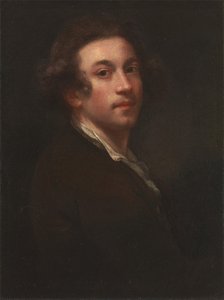
Sir Joshua Reynolds
1723 - 1792 , Egyesült Királyság
Gyors információk
- Artistic Movement Or Style: Grand Style portré
- Artists Or Movements Influenced By This Artist: ['Thomas Gainsborough']
- Artists Who Influenced This Artist: ['Thomas Hudson']
- Date Of Birth: 1723. július 16.
- Date Of Death: 1792. február 23.
- Full Name: Sir Joshua Reynolds
- Nationality: Angol
- Notable Artworks:
- Peter Darnell Muilman...
- Mr és Mrs William Lindow
- Portrét John Hayes-ről...
- Place Of Birth: Plymouth, Anglia
Kapcsolódó cikkek

Oil on Canvas: A Historical & Technical Exploration of a Timeless Artistic Medium
Explore the rich history & enduring techniques of oil painting on canvas. Discover the science behind its longevity, conservation practices, and contemporary relevance. Expert insights for art enthusiasts.
Sir Joshua Reynolds legszebb művei: Klasszikus portrék és a brit arisztokrácia ragyogása – OriginalUniqueArt
Fedezze fel Sir Joshua Reynolds 25 legszebb művét! Klasszikus portrék, brit arisztokrácia és a 18. század festészete – OriginalUniqueArt minőségi reprodukciókkal. Elegáns otthoni dekorációhoz inspiráló képek és vászonképek. Böngéssze gyűjteményünket online!

The Enduring Legacy of Oil on Canvas: Technique, History & Aesthetic Impact
Explore the rich history & techniques of oil painting – from Renaissance masters to Impressionism. Discover pigments, layering methods, and why this timeless medium endures. Expert insights for artists & art enthusiasts.

Crimson Threads of Narrative: Exploring Symbolism & Representation in Artworks Featuring the Red Dress
Explore the rich symbolism of the red dress in art history! From ancient power displays to iconic portraits like Cézanne’s 'Madame Cezanne', discover the cultural and artistic significance behind this captivating color. Expert analysis & insights.

The Enduring Power of Painting: A Historical & Contemporary Exploration of Form and Emotion
Explore the rich history & enduring techniques of oil painting with OriginalUniqueArt. Discover masterpieces, learn about art collecting, and find authentic handmade reproductions crafted by skilled artists.