

 Előnézet
 Megosztás
 Megosztás
 Részletek
 Útmutató

 Letöltés
 Hasonló darabok
 X-ray felvétel
 Diavetítés
 Statisztika
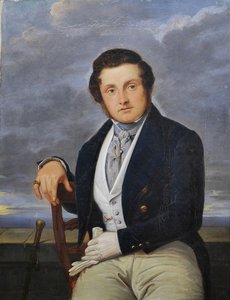
Dr James Hamilton
 Oil On Canvas
- WallArt
- Neoclassical portraiture
 19th Century
 126.0 x 99.0 cm
 Nhs Lothian
 Tovább olvasom
Giclée / Műnyomat
Múzeumi minőségű giclée vagy vászonnyomat, gyors gyártással és rugalmas finomítási lehetőségekkel. ( Kézzel festett másolat vásárlása Áttérés digitális képre)




P118B Ft10

P118H Ft10

P118W Ft10

P438Z Ft10

P508JH Ft12

P508YH Ft12

P805H Ft10

P805Z Ft10

P919BZ Ft10

P919G Ft10

P919XJ Ft10

P959ZH Ft10

P968JZ Ft12

W106C Ft8

W218G Ft10

W218JH Ft8

W218Y Ft10

W307PJ Ft10

W316G Ft10

W316PJ Ft8

W316Y Ft10

W398PJ Ft8

W4111J Ft10

W500HY Ft15

W500JH Ft15

W692G Ft12

W849H Ft8

W940BG Ft15

W953PJ Ft8




Válasszon előre meghatározott méreteink közül, amelyek megfelelnek a műalkotás eredeti arányainak.

Írja be a keretének vagy a falának megfelelő szélességet és magasságot. A nyomatot csak le lehet vágni, soha nem tehető nagyobbá, mint az eredeti kép, így egy eltérő alakú méretnél a kép egy része elveszik. Mielőtt bármit kinyatintanánk, küldünk egy digitális próbamodellt jóváhagyásra. Az oldalon látható kép nem tartalmazza a valós levágást — ezt csak a próbamodell mutatja meg.
Világszerte történő kiszállítás területére mindössze 2 hét alatt, a szokásos 4-5 hét helyett. (24 október)

Ingyenes globális expressz szállítás

Prémium minőségű len vászon

Teljes körű szállítási biztosítás

Vámvisszatérítési Garancia

Tökéletes színarányosság garancia

100 napos visszaküldési garancia (csak gyártási hibás termékek esetén)

100% pénzvisszatérítési garancia

Több darab vásárlásakor kedvezmény
 Az üvegkeretes opció csak 110 cm alatti méretben érhető el

Dr James Hamilton
Giclée / Műnyomat
Reprodukció méretei
-


Összesített ár
Ft 25605
A Study in Dignity: The Soul of Dr. James Hamilton
In the quiet, commanding presence of Sir John Watson Gordon’s portrait of Dr. James Hamilton, one encounters more than just a likeness; one meets the very essence of nineteenth-century professional gravitas. This masterful oil on canvas serves as a profound window into an era where portraiture was the ultimate vessel for capturing character and social standing. The composition is anchored by a powerful verticality, centering Dr. Hamilton in a seated pose that radiates a sense of settled authority. As the viewer’s eye meets his gaze, there is an immediate sense of the man's intellectual weight—a physician whose very posture suggests a life dedicated to the meticulous observation and care of others.
The brilliance of Gordon’s technique lies in his sophisticated use of chiaroscuro. Light enters the frame from the upper left, acting as a sculptor’s tool to carve the subject out of the surrounding shadows. This dramatic illumination catches the subtle highlights of Dr. Hamilton’s forehead and cheekbones, lending a lifelike vitality to the flesh tones while simultaneously casting deep, contemplative shadows across his features. Such contrast does more than create three-dimensionality; it imbues the portrait with a psychological depth, suggesting a man of complex thought and serious purpose. The interplay between light and dark creates an atmosphere that is both intimate and monumental.
Mastery of Texture and Tonal Elegance
For the discerning collector or interior designer, the tactile allure of this piece is perhaps its most captivating feature. Gordon demonstrates a superlative command over the medium of oil, particularly in his rendering of varied textures. The heavy, dark drapery in the background provides a somber, velvety backdrop that allows the subject to emerge with striking clarity. One can almost feel the weight of the fabric and the crispness of the cravat through the artist's deliberate yet smooth brushwork. The deep blues, greys, and blacks of the attire are not merely colors, but layers of tonal complexity that contribute to the painting’s overall sense of luxury and permanence.
The Neoclassical influence is evident in the meticulous attention to detail and the pursuit of a refined, idealized realism. Every fold in the doctor's coat and every line of his facial features is rendered with a precision that honors the subject's dignity. This level of craftsmanship ensures that a high-quality reproduction of this work remains a centerpiece of sophistication. Whether placed in a traditional study, a formal library, or a contemporary gallery space, the painting brings with it an air of historical continuity and timeless elegance, making it an incomparable choice for those looking to infuse their surroundings with a sense of heritage and intellectual prestige.
Gyakran Ismételt Kérdések
Milyen érzelmi hangulat kíséri a "Dr James Hamilton" alkotás Neoclassical portraiture stílusát?
A „Dr James Hamilton” Somber érzelme kíséri a Neoclassical portraiture stílusát.
Milyen érzelmi hangulatot áraszt a „Dr James Hamilton”, Sir John Watson Gordon alkotása?
A „Dr James Hamilton”, Sir John Watson Gordon alkotása művészeti alkotás érzelmi tónusa Somber. Ez foglalja össze a mű által kifejezett érzést.
Melyik országból származik a Neoclassical portraiture irányzat Dr James Hamilton című műve?
A Neoclassical portraiture korszak alkotása, a "Dr James Hamilton", egy Skótország-ban született művész munkája.
A művész életrajza
Sir John Watson Gordon: A skót mestere a fény és a portré művészete
Sir John Watson Gordon (1788 – 1864) meghatározó alakként áll a neoklasszikus portretúra és az atmoszférikus tónalisizmus közötti átmenetben, amely a 19. századi brit művészet jelentős részét meghatározta. Művészettradíciókba ágyazott családban született – apja, James Watson kapitány tehetséges rajztanár, vezérlelő bácsánya pedig, George Watson, elismert portréfestő volt –, így Gordon útja a híres művész felé nem volt előre megítélhető, hanem tudatos döntéssel alakult, amikor belemerült a festészet fejlődő világába. Bár eredetileg katonai pályára neveltek, végül felismerte és követte valódi hívását: az emberi karakter lényegének és a skót táj finom szépségének megörökítését művészete révén.
Gordon korai művészeti fejlődése mélyen meghatározódott, amint edinburgi Trustees' Academy alatt tan lärciózott John Graham alatt. Ez a formálódó időszak alapvető technikai tudást impartált számára, de legfontosabb, hogy megismétette a művészet iránti növegrődő nyilvános érdeklődést is – ami a kor idején viszonylag új jelenség volt. Első jelentős kiállítása 1808-ban, amely Sir Walter Scott epikus verse, az „The Lay of the Last Minstrel” egyik jelenetét ábrázolta, bejelentette érkezését az edinburgi művészeti életben, és korai hajlamát bizonyította a narratív és az érzelmi töltet vizuális átadására. Sikeres megjelenése után továbbra is kísérletezett történelmi és vallásos témákkal, csiszolva készségeit, és kialakítva olyan egyedi stílust, amelyet a penszlvezetés rendkélhetetlen finomsága és szabadsága jellemzett.
A stílus evolúciója: Neoklasszicizmusról a tónalisizmusra
Gordon művészeti utazásának meghatározó jellemzője a neoklasszikus portretúra formális korlátaiból a tónalisizmus kifejezőbb és atmoszférikusbb minőszei felé vezető fokozatos elmozdulás volt. Kezdetben portréi az établi konvenciók mentén alakultak – éles vonalak, gondosan kidolgozott részletek és a hitelesség törekvése a precíz hasonlóságra. Ahogy azonban művészi érettsége elérte, a realizmus szigorú betartása helyett az hangulatot és a légkör kialakítását helyezte előtérbe. Ez a transzformáció különösen későbbi műveiben nyilvánul meg, ahol a bőrtónusok lágyulnak, a háttér egyre visszafogottabbá válik, az összhatás pedig a csendes kontempláció és az érzelmi rezonancia irányába mutat.
Ez a stílusbeli fejlődés nem csupán technikai kérdés volt; mélyebb kapcsolódást tükrözött a változó művészeti tájjal. John Constable és J.M.W. Turner olyan mesterek hatására, Gordon nemcsak alanyai külsőségi megjelenését törekedte meg örökíteni, hanem belső világukat is – karakterüket, temperamentumukat és kapcsolatukat a környező világgal. Például Sir Walter Scott portréjai tele vannak a költő intellektuális mélységével és romantikus szellemiségével, míg olyan alakok ábrázolása, mint Professzor John Wilson vagy Dr. Chalmers, hasonló szintű pszichológiai betekintést nyújt.
Ikonikus alanyok és maradandó örökség
Gordon stúdiója Skótország vezető alakjainak mágnese lett – ami tanúsága volt készséges portréfestőjének és üdvözlő házigazdájának. A legkiemelkedőbb alanyai közé tartozott Sir Walter Scott, akinek korai portréi fektették le Gordon egyedi stílusának alapjait; valamint JG Lockhart, Professzor Wilson, Sir Archibald Alison, Dr. Chalmers, De Quincey és Sir David Brewster. Az egyéniségek lényegének – intellektusuknak, jellemüknek és helyüknek a skót társadalomban – megörökítésének képessége megszilárdította pozícióját korát egyik legkeresettebb portréfestőjeként.
Az 1835 és 1864 közötti időszakban készült portrék Gordon művészeti fejlődésének csúcspontját jelentik. Ezeket a műveket a színek rendkívüli finomsága, a fény és árnyék mesteri kezelése, valamint az alanyok pszichológiai árnyalataira exhibited egyedülálló érzékenysége jellemzi. Későbbi stílusa, amelyet az egyszerűség és az aszétikus jelleg markol, különösen megக்érdőjelezhető – a bőrtónusok szinte perleszentté válnak, a háttér szürkébe olvad, és a fókusz teljesen az arakra helyeződik, a alany belső világát lenyűgöző tisztaságon keresztül feltárva. Sir John G. Shaw-Lefevre és Roderick Gray, Peterhead polgárosa portréjai ennek a késői stílusnak a remek példái, amelyekkel 1855-ös párizsi szalonon első osztályú érmét nyert.
Skót hang a Royal Academy-ban
Gordon művészeti eredményeit elismerte a Royal Academy is, amely 1841-ben asszociált, majd 1851-ben teljes körű akadémikus taggá választotta. 1850-ben elért H.M. Limner (királyi festő) rangja Skótországban tovább emelte státuszát a művészeti világban, megszilárdítva szerepét mint nemzet hivatalos portréfestője. Öröksége túlmutat az egyéni portrékon; jelentős szerepet játszott a skót művészet fejlődésének ösztönzésében és hozzájárult a Royal Scottish Academy létrehozásához. Sir John Watson Gordon 1864-ben halt meg Edinburgban, hagyva magát mögött olyan alkotások gyűjteményét, amely szépségével, érzékenységével és az emberi szellem mély ismeretével ma is lenyűgözi a nézőket.
Sir John Watson Gordon
1788 - 1864 , Skótország
Gyors információk
- Artistic Movement Or Style: Tonal impresszionizmus
- Artists Or Movements Influenced By This Artist:
- Cox
- brit művészet
- Artists Who Influenced This Artist:
- Raeburn
- Watson (nagybácsa)
- Date Of Birth: 1788
- Date Of Death: 1864
- Full Name: Sir John Watson Gordon
- Nationality: skót
- Notable Artworks:
- Scott portrék
- Chalmers portré
- Dalhousie portré
- Place Of Birth: Edinburgh, Skótország
Kapcsolódó cikkek
Sir Joshua Reynolds legszebb művei: Klasszikus portrék és a brit arisztokrácia ragyogása – OriginalUniqueArt
Fedezze fel Sir Joshua Reynolds 25 legszebb művét! Klasszikus portrék, brit arisztokrácia és a 18. század festészete – OriginalUniqueArt minőségi reprodukciókkal. Elegáns otthoni dekorációhoz inspiráló képek és vászonképek. Böngéssze gyűjteményünket online!

John Singer Sargent 25 Mesterműve: Elegancia és Portrék a OriginalUniqueArt Galériában
Fedezze fel John Singer Sargent 25 legikonikusabb művészeti alkotását! Portrék, impresszionista stílus és a fény játéka – inspirálódjon Sargent életrajzából és vászonképeiből. Művészeti reprodukciók otthonába a OriginalUniqueArt-on!

Sir Alfred James Munnings legszebb 25 festménye – A vidéki Anglia és a lovak mestere | OriginalUniqueArt
Fedezze fel Sir Alfred James Munnings 25 legszebb festményét! Ismerje meg a vidéki Anglia és a lovak mesterének életművét, technikáját és inspirációit. Vásároljon exkluzív reprodukciókat a OriginalUniqueArt.com-on – múzeumi minőségben!

John Constable 25 Mesterműve: A Természet Lényege Vászonon – OriginalUniqueArt.com
Fedezze fel John Constable 25 legszebb művészeti alkotását! Ismerje meg a romantika ikonikus tájképeit, Dedham Vale szépségét és a természet lenyűgöző ábrázolásait. Vászonkép reprodukcióinkkal eleganciát csempészhet otthonába – OriginalUniqueArt.com
Sir John Watson Gordon: A Study in Scottish Landscape Painting & Tonal Impressionism
Explore the captivating portraits of Sir John Watson Gordon, a leading Scottish master. Discover his evolution from neoclassical style to atmospheric Tonalism and influence on 19th-century British art. Learn about his iconic sitters & legacy.