
 Megtekintés
 Küldés
 Megosztás
 Részletek
 Útmutató

 Letöltés
 Hasonló darabok
 X-ray felvétel
 Diavetítés
 Q&A
Q&A Statisztika
Intellectual Depression

- 2020.0 x 2420.0 cm


 Összes részlet megjelenítése
Az ezen az oldalon megjelenített műalkotások szerzői jogi védelem alatt állnak, ami azt jelenti, hogy törvényileg nem készíthetünk és nem adhatunk el belőlük pontos másolatokat. Ez a védelem olyan nemzetközi megállapodások alapján érvényesül, mint például a Berni Egyezmény és a nemzeti jogszabályok által, beleértve azokat is, amelyeket meghatározott Az USA szerzői jogi törvénye – 17. cím.
Ez a módszer teljes mértékben megfelel a szerzői jogi szabályozásnak, mivel nem tartalmazza a védett műalkotás másolását vagy duplikálását. Ehelyett ez egy kreatív újinterpretáció – egy új festmény, amely az eredetivel való összefüggései miatt hatással van rá, de nem az az.
Giclée / Műnyomat
Múzeumi minőségű giclée vagy vászonnyomat, gyors gyártással és rugalmas finomítási lehetőségekkel. ( Kézzel festett másolat rendelése Áttérés digitális képre)




P118B Ft10

P118H Ft10

P118W Ft10

P438Z Ft10

P508JH Ft12

P508YH Ft12

P805H Ft10

P805Z Ft10

P919BZ Ft10

P919G Ft10

P919XJ Ft10

P959ZH Ft10

P968JZ Ft12

W106C Ft8

W218G Ft10

W218JH Ft8

W218Y Ft10

W307PJ Ft10

W316G Ft10

W316PJ Ft8

W316Y Ft10

W398PJ Ft8

W4111J Ft10

W500HY Ft15

W500JH Ft15

W692G Ft12

W849H Ft8

W940BG Ft15

W953PJ Ft8




Válasszon előre meghatározott méreteink közül, amelyek megfelelnek a műalkotás eredeti arányainak.

Írja be a keretének vagy a falának megfelelő szélességet és magasságot. A nyomatot csak le lehet vágni, soha nem tehető nagyobbá, mint az eredeti kép, így egy eltérő alakú méretnél a kép egy része elveszik. Mielőtt bármit kinyatintanánk, küldünk egy digitális próbamodellt jóváhagyásra. Az oldalon látható kép nem tartalmazza a valós levágást — ezt csak a próbamodell mutatja meg.
Világszerte történő kiszállítás területére mindössze 2 hét alatt, a szokásos 4-5 hét helyett. (2 november)

Ingyenes globális expressz szállítás

Prémium minőségű len vászon

Teljes körű szállítási biztosítás

Vámvisszatérítési Garancia

Hiteles színarányosság garancia

100 napos visszaküldési lehetőség (csak hibás termékek esetén)

100% pénzvisszatérítési garancia

Több darab vásárlásakor kedvezmény
 Az üvegkeretes opció csak 110 cm alatti méretben érhető el

Intellectual Depression
Giclée / Műnyomat
Reprodukció mérete
-


Összesített ár
Ft 26201
Kérdések és válaszok
Hová sorolható a "Intellectual Depression" Sir George Gilbert Scott életművében?
Sir George Gilbert Scott munkásságán belül a "Intellectual Depression" a Contemporary Art stílus képét képviseli, a death and decay themes, human condition focus, contrast to brighter works, london urban imagery témakörével összefüggésben.
Milyen telítettséget és intenzitást mutat „Intellectual Depression”, Sir George Gilbert Scott alkotása?
A „Intellectual Depression”, Sir George Gilbert Scott alkotása színei Vivid Color telítettséget és Vivid intenzitást mutatnak be.
Szabad-e jogilag másolni a(z) British Council gyűjteményében található „Intellectual Depression”, Sir George Gilbert Scott alkotása alkotást?
A „Intellectual Depression”, Sir George Gilbert Scott alkotása szerzői jogi státusza egyértelmű: a mű még szerzői jog védi. A British Council gyűjteményében való szereplése nem változtat ezen a státuszon.
A művész életrajza
The Architect of Victorian Grandeur
To walk through the heart of London or traverse the historic landscapes of Britain is to encounter the enduring legacy of Sir George Gilbert Scott. A titan of the nineteenth century, Scott did not merely design buildings; he sculpted the very atmosphere of the Victorian era. His life was a profound journey through the revival of medieval splendor, a pursuit that sought to breathe new life into the stone and mortar of a rapidly industrializing world. Born into an architectural dynasty, his path was paved by the influence of his father, Sir Gilbert Scott, yet George possessed a singular vision that would allow him to transcend mere imitation, establishing himself as a master of the Gothic Revival movement.
His early years were defined by a rigorous apprenticeship within the family tradition, where he absorbed the meticulous discipline required to honor historical precedents. This foundation allowed him to approach architecture not just as an engineer, but as a storyteller. He understood that every arch, every ribbed vault, and every intricate carving could serve as a vessel for spiritual and national identity. As his career progressed, Scott became a pivotal figure in reclaiming the grandeur of the Middle Ages, rejecting the cold rationality of Neoclassicism in favor of a more emotive, textured, and spiritually resonant aesthetic.
A Legacy Carved in Stone
The sheer scale of Scott’s contribution to the British landscape is staggering. His portfolio, which includes over 800 designs and restorations, reflects a man capable of navigating both the monumental and the intimate. He was a master of the Gothic Revival, a style characterized by its soaring verticality and complex ornamentation. Through his work, he brought back the dramatic interplay of light and shadow found in ancient cathedlamls, utilizing stained glass and sculptural details to create spaces that felt both timeless and divine.
Among his most celebrated achievements are structures that have become synonymous with British heritage:
- The Midland Grand Hotel at St Pancras Station: A breathtaking masterpiece of Victorian Gothic design that remains one of London's most iconic landmarks.
- The Albert Memorial: A grand, ornate tribute to Prince Albert, showcasing Scott's ability to handle immense sculptural complexity and symbolic depth.
- The Foreign and Commonwealth Office: An exquisite example of how he could apply historical grandeur to the essential civic institutions of the British Empire.
- Ecclesiastical Masterworks: His extensive work on cathedrals and churches across the United Kingdom, where he restored and reimagined sacred spaces to evoke a sense of the sublime.
The Spirit of the Gothic Revival
Beyond the physical structures, Scott’s true achievement lay in his ability to harmonize the ancient with the modern. While his heart belonged to the medieval aesthetic, he was no stranger to the technological advancements of his time. He skillfully integrated contemporary engineering and new materials into his designs, ensuring that his Gothic visions possessed the structural integrity required for the burgeoning urban centers of the nineteenth century. This synthesis of old-world charm and new-world innovation allowed his buildings to stand as resilient monuments to progress.
His influence extended far beyond his own drafting table, shaping the tastes of an entire generation of architects and designers. By championing a style that emphasized craftsmanship, detail, and historical continuity, he provided a sense of stability and beauty during a period of unprecedented social change. Today, when we gaze upon the intricate facades of his London landmarks or the solemn arches of his restored churches, we are not just looking at architecture; we are witnessing the enduring heartbeat of the Victorian spirit, preserved forever through the visionary hand of Sir George Gilbert Scott.

Rövid információk
- Artistic Movement Or Style: Gothic Revival
- Artists Or Movements Influenced By This Artist: ['Victorian Architecture']
- Artists Who Influenced This Artist: ['Charles Barry']
- Date Of Birth: October 8, 1839
- Date Of Death: May 6, 1897
- Full Name: George Gilbert Scott
- Nationality: British
- Notable Artworks:
- Liverpool Cathedral
- Battersea Power Station
- Leeds General Infirmary
- St Pancras Hotel
- Place Of Birth: London, England
Kapcsolódó cikkek
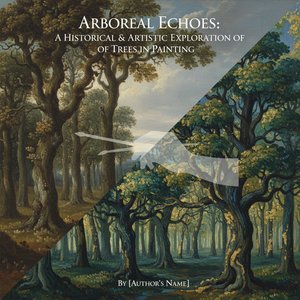
Arboreal Echoes: A Historical & Artistic Exploration of Trees in Painting
Explore the rich history of trees in painting! Discover symbolism, Romantic masterpieces by Caspar David Friedrich & beyond. A curated journey for art enthusiasts.

A Fekete Szín Mesterei: 10 Híres Festmény, Amelyek Elvarázsolnak – OriginalUniqueArt.com
Fedezze fel a 10 leghíresebb, fekete tónusú festményt! Rembrandt, Goya és Manet remekművei elvarázsolják. Művészettörténet, inspiráció otthonába – OriginalUniqueArt.com kínálatából. Fedezze fel a teljes gyűjteményt online!

Arboreal Echoes: A Historical & Artistic Exploration of Trees in Painting
Explore the rich history of trees in painting! Discover symbolism, Romantic masterpieces by Caspar David Friedrich & beyond. A curated journey for art enthusiasts.
A 'króm sárga' tónusok 10 legikonikusabb mesterműve – Festmények, művészek és inspiráció otthonra
Fedezze fel a 'króm sárga' tónusok 10 leggyönyörűbb festményét! Van Gogh, Monet és más híres művészek remekművei inspiráló történetekkel. Múzeumminőségű reprodukciók otthonra – OriginalUniqueArt.com.
A sárgaokker aranykora: 10 híres festmény, melyek elbűvölnek | OriginalUniqueArt.com
Fedezze fel a sárgaokker festmények aranykorát! 10 híres műalkotás – Van Gogh, Rembrandt, Monet és más mesterek remekművei. Művészettörténet, inspiráció otthonába. Prémium minőségű reprodukciók a OriginalUniqueArt.com-on!