
 Megtekintés
 Küldés
 Megosztás
 Részletek

 Letöltés
 Hasonló darabok
 X-ray felvétel
 Diavetítés
 Statisztika
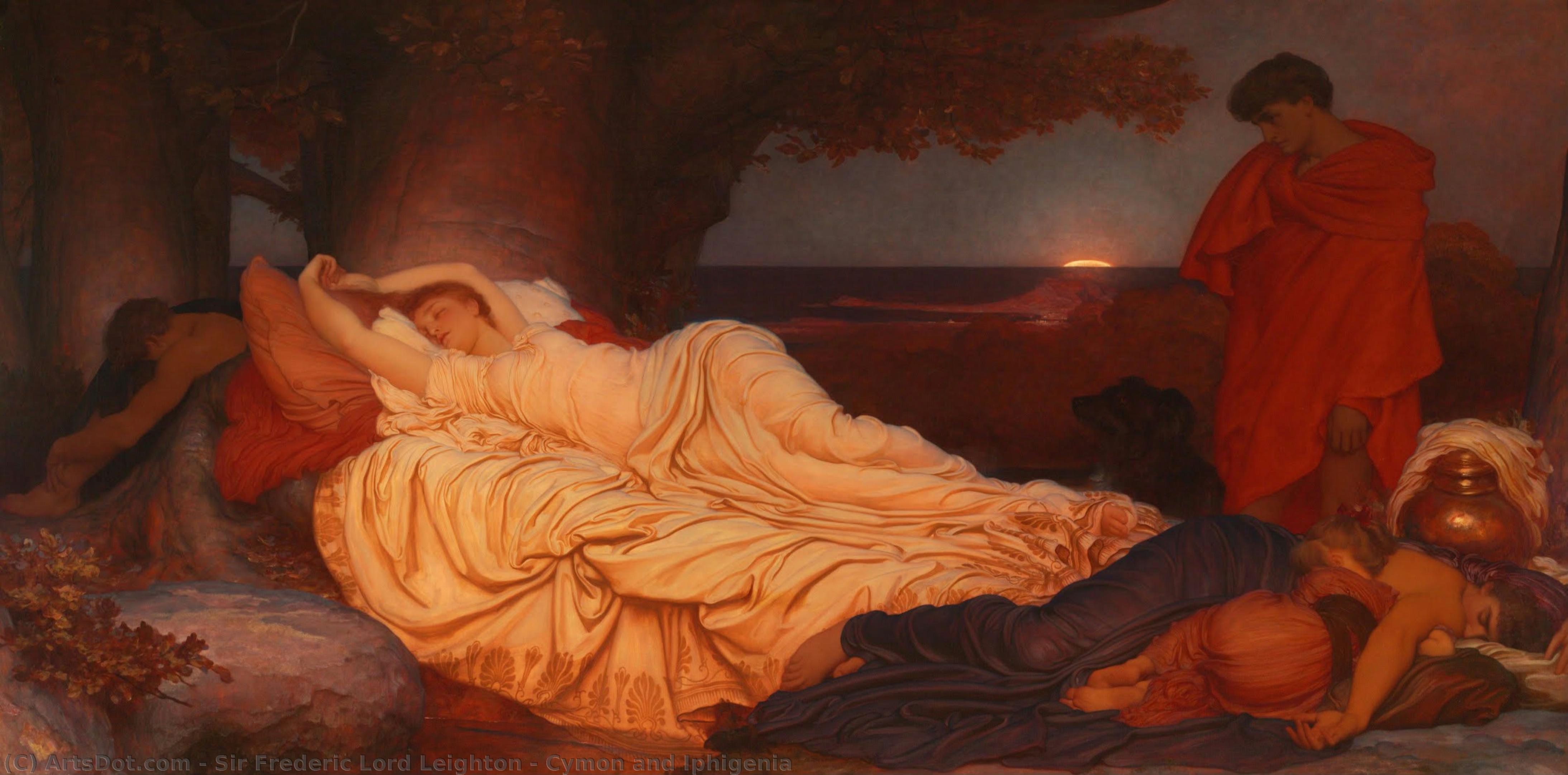
Cymon and Iphigenia
 Oil On Canvas
- WallArt
- Academic Romanticism
 1884
1884 218.0 x 390.0 cm
 Art Gallery of New South Wales
 Összes részlet megjelenítése
Vásároljon nagy felbontású, javított digitális képet, amely minőségében messze felülmúlja az online előnézetet.
Minden fájlt szakembereink a legmodernebb eszközök és precíz, kézi retusálás segítségével készítenek el aprólékosan. Gondoskodunk arról, hogy minden kép kivételes tisztasággal, pontos színhelyességgel és részletgazdag finomsággal rendelkezzen.
A végleges fájl 72 órán belül e-mailben megérkezik, professzionális, szerkesztői és nyomtatási környezetbe optimalizálva az azonnali használathoz. Ez ugyanaz a minőség, amelyben a legmeghatározóbb tervezőstúdiók, kiadók és galériák is megbízhatnak.
Digitális kép
Töltsön le nagy felbontású fájlt személyes kiállításokhoz, nyomtatáshoz és kreatív projektekhez. ( Áttérés Nyomtatványra Kézzel festett másolat rendelése)
Minden digitális kép rendeléséhez tartozó extrák
Szakértői digitális kézbesítés, garantáltan
Amikor a OriginalUniqueArt.com szolgáltatást választja, nem csupán egy képet kap – professzionálisan felmagasított digitális műalkotást kap, amely precizitással készült, és amelyet megelégsedési gwarancia tesz biztoslássá. Az alábbiakban automatikusan minden benne 】

Gyors e-mail teslimítés
A nagy felbontású digitális képmásolatát a megrendelést követő 72 órán belül e-mailben elküldjük Önnek – azonnal használható formátumban.

MI-alapú digitális fejlesztésű fájl
Műve professzionális módon kerül optimalizálásra fejlett mesterséges intelligencia eszközök és manuális szerkesztés segítségével, biztosítva a maximális részletességet, tisztaságot és színpontosságot.

Örök életű ingyenes újradelivery
Véletlenül törölted vagy elvesztetted a fájlodat? Ne aggódj – bármikor ingyen újra megküldjük neked.

Nincs importköltség – soha
Élvezze műalkotásait azonnal, vám, illeték vagy szállítási költség nélkül – a digitális letöltések mindig adamentesek.

Színpontosság garantálása
Professzionális eszközök és színkezelés segítségével garantáljuk, hogy digitális képe a lehető legpontosabban tükrözze az eredeti színeket.

100 napos elégedettségi garancia
Ha nemມີ elégedett a digitális képével, 100 napon belül felülvizsgáljuk vagy 100% visszatérítjük az amountot – kérdés बिना.

100% Pénzvisszatérítési garancia
Nem tetszett a vásárlás? 100 napon belül teljes visszatérítést garantálunk a digitális fájl megvételétől számítva – kérdés बिना.

Tömegrendelési kedvezmények
Vásároljon 3 képet, spóroljon 10%-et - Vásároljon 5-öt, spóroljon 15%-et - Vásároljon 10+ képet, spóroljon 20%-at. Kiváló kreatív projektekhez, galériákhoz és ügynökségekhez.
A Vision of Ideal Beauty: Frederic Leighton’s “Cymon and Iphigenia”
Frederic Leighton's "Cymon and Iphigenia," painted in 1884, isn’t merely a depiction of Greek myth; it’s a carefully constructed tableau of Victorian ideals – a testament to beauty, virtue, and the transformative power of love. Leighton, already established as a Royal Academician and a master of historical painting, sought to elevate the narrative beyond its original source material, weaving in elements of Pre-Raphaelite sensuality and classical restraint into a scene brimming with quiet drama. The painting immediately draws the eye to Iphigenia, lying gracefully on a mossy bank beneath an ancient tree – her pose suggesting both languor and vulnerability. Her golden hair cascades around her face, illuminated by dappled sunlight that filters through the leaves, while her eyes are closed in peaceful slumber. The artist’s meticulous attention to detail is evident in every curve of her body, every ripple of fabric, and the delicate rendering of the foliage surrounding her.A Story of Awakening and Moral Ascent
The myth underpinning “Cymon and Iphigenia” originates from Boccaccio’s *Decameron*, a collection of tales set in Florence during the Black Death. The story recounts how the brutish youth Cymon, initially characterized by his rudeness and lack of refinement, encounters the beautiful Iphigenia. Through her presence, he undergoes a profound transformation, shedding his coarse manners and embracing intellectual pursuits – becoming a man of virtue and learning. Leighton cleverly captures this pivotal moment in the narrative, not through overt action but through subtle gestures and expressions. Cymon stands before her, gazing at her with an expression of rapturous admiration, while Iphigenia’s serene repose suggests that she has already initiated his moral awakening. The inclusion of a young slave girl, Lena, adds another layer to the scene, representing innocence and serving as a visual reminder of the transformative power of beauty.Technique and Aesthetic Choices
Leighton's mastery is evident in his masterful use of color and light. He employs a muted palette dominated by earthy greens, browns, and golds, creating an atmosphere of tranquility and timelessness. The lighting is particularly noteworthy – it’s diffused and atmospheric, casting long shadows and highlighting the textures of the foliage and Iphigenia's garments. The artist meticulously rendered every detail with painstaking precision, utilizing a smooth, polished technique that reflects his academic training. He drew heavily on classical sculpture for inspiration, evident in the idealized forms of the figures and the careful arrangement of the composition. The background landscape is deliberately vague, allowing the viewer’s attention to remain focused on the central figures. The use of a dark, almost velvety moss beneath Iphigenia further emphasizes her vulnerability and purity.Symbolism and Victorian Ideals
“Cymon and Iphigenia” is deeply rooted in the artistic and social conventions of Victorian England. The painting embodies several key ideals prevalent during that era: the celebration of beauty, the pursuit of virtue, and the reverence for classical antiquity. Leighton’s choice to depict a mythological scene rather than a contemporary subject allowed him to explore these themes within a framework of idealized beauty and moral instruction. The image speaks to the Victorian fascination with both Greek mythology and the concept of “moral education,” where art was seen as a tool for shaping virtuous citizens. Furthermore, the painting reflects Leighton’s own personal interests – his love of classical sculpture and his desire to create works that were both aesthetically pleasing and morally uplifting. The overall effect is one of serene contemplation, inviting viewers to reflect on the timeless themes of beauty, virtue, and transformation.A Legacy of Beauty: Reproductions and Inspiration
Today, “Cymon and Iphigenia” remains a beloved masterpiece, admired for its exquisite detail, evocative atmosphere, and profound symbolism. High-quality reproductions capture the painting’s luminous quality and intricate details, making it accessible to a wider audience. Its themes continue to resonate with art lovers and interior designers alike, who appreciate its timeless beauty and its ability to evoke a sense of tranquility and contemplation. When selecting a reproduction, consider the scale and framing options to best complement your space – allowing this iconic work of art to grace your home and inspire generations to come.A művész életrajza
A Life Bathed in Light: The World of Sir Frederic Leighton
Frederic Leighton, a name synonymous with Victorian elegance and classical grandeur, was born into a world of privilege in Scarborough, England, in 1830. His lineage—his grandfather serving as physician to the Russian Tsars—provided an unparalleled foundation for his artistic pursuits, a rarity in the often-challenging life of a 19th-century artist. This fortunate circumstance allowed him to embark on extensive travels across Europe – Italy, Germany, and France – immersing himself deeply within the currents of artistic innovation and classical study. These formative years were crucial; under masters like Eduard von Steinle and Giovanni Costa, he meticulously honed his distinctive style—a captivating blend of academic precision, Pre-Raphaelite sensuality, and a profound reverence for antiquity. A particularly memorable encounter occurred at seventeen when he met the notoriously reclusive philosopher Arthur Schopenhauer in Frankfurt, resulting in the only known full-length portrait of the thinker – an event hinting at the intellectual depth and philosophical inquiries that would consistently inform his art. Leighton’s work wasn't merely decorative; it was a deliberate exploration of human emotion, mythology, and the enduring power of beauty.The Painterly Embrace of Myth and History
Leighton’s artistic career flourished during an era deeply enamored with historical narratives, biblical tales, and classical mythology. He didn’t simply illustrate these subjects; he *inhabited* them, dedicating himself to exhaustive research into costumes, settings, and the subtle nuances of ancient life. His paintings weren't mere depictions—they were immersive experiences, transporting viewers to worlds populated by gods, heroes, and forgotten empires. Consider Clytie, perhaps his most celebrated work – a poignant portrayal of the nymph transformed into a sunflower, eternally yearning for Apollo’s gaze. The painting is far more than a beautiful image; it's an exploration of unrequited love, longing, and the transformative power of nature, rendered with breathtaking detail and a luminous quality that seems to emanate from within. Similarly, The Daphnephoria showcases his mastery of composition, color, and movement, depicting a procession honoring Apollo – a scene brimming with vibrant energy and meticulously researched details. Leighton’s approach was characterized by an almost obsessive attention to realism; he strived for an accuracy that bordered on photographic, yet always imbued his scenes with a sense of idealized beauty. He wasn't afraid to embrace opulent textures, rich fabrics, and dramatic lighting – elements that contributed significantly to the sheer visual splendor of his work.Beyond the Canvas: Sculpture and Architectural Vision
While primarily recognized as a painter, Leighton’s artistic ambitions extended far beyond the confines of two-dimensional canvas. He possessed considerable sculptural talent, and his Athlete Wrestling with a Python, completed between 1888 and 1891, stands as a pivotal work in British sculpture—often credited with initiating a renaissance in contemporary sculptural practice known as the “New Sculpture.” This magnificent piece, carved from pristine white marble, embodies both physical power and dramatic tension. The sculpture’s dynamic pose and realistic musculature were revolutionary for its time, moving away from the more static forms of earlier Victorian sculpture. However, Leighton's creative vision didn’t stop at sculpture; he was a passionate collector of art and artifacts, particularly those originating from the Near East. These treasures weren’t simply displayed—they were integrated into the very fabric of his home, Leighton House in Holland Park, London. Designed by George Aitchison, Leighton House is itself a masterpiece – a stunning example of Aestheticism that served as both a residence and a studio. The iconic Arab Hall, with its intricate tilework and soaring arches, stands as a testament to Leighton’s eclectic tastes and his desire to create a total work of art—an environment designed to inspire and nurture his creativity.Legacy and the Echoes of an Era
Leighton's influence on British art was immense. He served as President of the Royal Academy from 1878 until his death in 1896, a position he held with distinction, championing artistic excellence and fostering a vibrant creative community. His knighted status in 1878, followed by a baronetcy in 1886, and finally, an unprecedented hereditary peerage just days before his passing, underscored the immense respect he commanded within the art world and beyond. While his work experienced a period of relative obscurity after his death, eclipsed by the rise of modernism, there has been a significant resurgence of interest in Leighton’s art in recent decades. Today, his paintings and sculptures are celebrated for their technical brilliance, their evocative power, and their ability to transport viewers to worlds of beauty and wonder. His legacy is not merely one of aesthetic achievement but also of a life dedicated to the pursuit of beauty, knowledge, and artistic innovation – a truly remarkable figure in British art history.- His works continue to inspire artists and captivate audiences around the globe.
- Leighton House Museum stands as a lasting tribute to his artistic vision and remains a vital cultural landmark.
- He represents a fascinating intersection of Victorian ideals, classical influences, and Pre-Raphaelite sensibilities—a unique voice in the history of British art.

Leighton
1830 - 1896 , Egyesült Királyföld
Érdekességek
- Artistic Movement Or Style: Akadémiai, Prerafaelista
- Artists Or Movements Influenced By This Artist: ['Új szobrászat']
- Artists Who Influenced This Artist:
- Steinle
- Costa
- Date Of Birth: 1830. december 3.
- Date Of Death: 1896. jan. 25.
- Full Name: Sir Frederic Lord Leighton
- Nationality: Angol
- Notable Artworks:
- Flaming June
- Clytie
- Athléta pythonnal
- Place Of Birth: Scarborough, Anglia