
 Megtekintés
 Küldés
 Megosztás
 Részletek
 Útmutató

 Letöltés
 Hasonló darabok
 X-ray felvétel
 Diavetítés
 Q&A
Q&A Statisztika
Mrs Margaret Hick


 Összes részlet megjelenítése
Giclée / Műnyomat
Múzeumi minőségű giclée vagy vászonnyomat, gyors gyártással és rugalmas finomítási lehetőségekkel. ( Kézzel festett másolat rendelése Áttérés digitális képre)




P118B Ft10

P118H Ft10

P118W Ft10

P438Z Ft10

P508JH Ft12

P508YH Ft12

P805H Ft10

P805Z Ft10

P919BZ Ft10

P919G Ft10

P919XJ Ft10

P959ZH Ft10

P968JZ Ft12

W106C Ft8

W218G Ft10

W218JH Ft8

W218Y Ft10

W307PJ Ft10

W316G Ft10

W316PJ Ft8

W316Y Ft10

W398PJ Ft8

W4111J Ft10

W500HY Ft15

W500JH Ft15

W692G Ft12

W849H Ft8

W940BG Ft15

W953PJ Ft8




Válasszon előre meghatározott méreteink közül, amelyek megfelelnek a műalkotás eredeti arányainak.

Írja be a keretének vagy a falának megfelelő szélességet és magasságot. A nyomatot csak le lehet vágni, soha nem tehető nagyobbá, mint az eredeti kép, így egy eltérő alakú méretnél a kép egy része elveszik. Mielőtt bármit kinyatintanánk, küldünk egy digitális próbamodellt jóváhagyásra. Az oldalon látható kép nem tartalmazza a valós levágást — ezt csak a próbamodell mutatja meg.
Világszerte történő kiszállítás területére mindössze 2 hét alatt, a szokásos 4-5 hét helyett. (1 november)

Ingyenes globális expressz szállítás

Prémium minőségű len vászon

Teljes körű szállítási biztosítás

Vámvisszatérítési Garancia

Hiteles színarányosság garancia

100 napos visszaküldési lehetőség (csak hibás termékek esetén)

100% pénzvisszatérítési garancia

Több darab vásárlásakor kedvezmény
 Az üvegkeretes opció csak 110 cm alatti méretben érhető el

Mrs Margaret Hick
Giclée / Műnyomat
Reprodukció mérete
-


Összesített ár
Ft 26198
Mrs Margaret Hick: A Portrait of Victorian Dignity
Sir Francis Grant’s “Mrs Margaret Hick,” painted in 1861, stands as a quintessential example of Victorian portraiture—a genre defined by meticulous realism and an unwavering focus on conveying social status. More than just a likeness, the painting embodies the values of its time: composure, refinement, and a quiet confidence that speaks volumes about Mrs. Hick’s position within the aristocratic circles of Britain.
- Subject Matter & Context: The portrait depicts Margaret Turner Hicks, likely a woman of considerable wealth and influence, reflecting the prevalent societal norms of Victorian England. Grant's meticulous attention to detail captures her serene countenance amidst a carefully orchestrated outdoor setting—a deliberate choice that underscores her elevated social standing.
- Composition & Technique: Grant employs a balanced compositional arrangement, centering Mrs. Hick’s figure subtly off-center while utilizing the landscape as a grounding element. The artist skillfully utilizes soft brushstrokes and blended pigments to achieve remarkable smoothness – a hallmark of Victorian painting—creating an illusion of depth and capturing the subtle nuances of light and shadow on her skin and clothing.
- Color Palette & Symbolism: Dominated by muted creams, whites, blues, browns, and greens, the color palette reflects the restrained aesthetic favored during the Victorian era. The delicate blue sash serves as a focal point, injecting a hint of vibrancy into the overall tonal scheme. Beyond mere decoration, these colors contribute to conveying an atmosphere of tranquility and understated elegance.
- Style & Artistic Influences: Grant’s style aligns closely with the prevailing artistic conventions of his time—influenced by artists like John Ferneley and Alexander Nasmyth—demonstrating a commitment to capturing the essence of human form and environment with unwavering accuracy. The painting exemplifies the Victorian ideal of portraying subjects as embodiments of virtue and grace.
- Emotional Impact & Legacy: “Mrs Margaret Hick” transcends its formal depiction, conveying a palpable sense of dignity and inner peace. Her direct gaze communicates intelligence and assurance—qualities admired in Victorian society—leaving an enduring impression on viewers who appreciate the artistry of Grant’s masterful technique and his ability to encapsulate the spirit of an era.
This exquisite reproduction allows you to experience the beauty and sophistication of Victorian art firsthand, bringing a timeless masterpiece into your home or inspiring interior design projects.
Kérdések és válaszok
Ki készítette a(t): "Mrs Margaret Hick"?
A "Mrs Margaret Hick" alkotását Sir Francis Grant készítette. Az ezen az oldalon található információk Sir Francis Grant eredeti művészetét mutatják be.
A "Mrs Margaret Hick" Sir Francis Grant egyik legnépszerűbb műve?
A „Mrs Margaret Hick”, Sir Francis Grant alkotása népszerűségi szintje Elismert. Ez a besorolás azt tükrözi, mennyire ismert és elismert ez a mű.
Általánosságban inkább világos vagy sötét a "Mrs Margaret Hick"?
A "Mrs Margaret Hick" alkotás fényerisége összességében mély árnyék, luminanciája pedig Sötét.
A művész életrajza
A Life Dedicated to Portraiture and the Academy
Sir Francis Grant, a name synonymous with refined portraiture and dedicated service to the British art establishment, emerged as one of the most sought-after artists of his era. Born in 1803 into a landed family in Perthshire, Scotland, young Francis initially seemed destined for a career in law. However, the pull of artistic expression proved too strong to resist. Though largely self-taught, he briefly studied under Alexander Nasmyth in Edinburgh, laying an early foundation before forging his own distinctive path. This path wasn’t immediately clear; Grant's initial successes came with sporting scenes, capturing the energy and vibrancy of rural life. A pivotal moment arrived through his marriage, granting him access to the exclusive world of Melton Mowbray’s hunting set. There, he honed his skills under John Ferneley, a master of equestrian art, and began to specialize in depictions of horses and hounds – subjects that would initially define his reputation.Early Years and Artistic Foundations
Grant's formative years instilled within him a profound appreciation for observation and meticulous detail—qualities that would become hallmarks of his artistic style. His father, Francis Grant, Laird of Kilgraston, was a wealthy landowner with estates in Scotland and Jamaica, providing young Francis with considerable financial resources and fostering an environment conducive to intellectual pursuits. Despite eschewing the legal profession he initially envisioned, Grant’s passion for painting quickly superseded all other ambitions. He undertook preliminary studies under Alexander Nasmyth, Edinburgh's celebrated landscape painter, gaining invaluable insight into composition and tonal harmony—skills that would prove crucial in shaping his future artistic endeavors. This early exposure to artistic excellence undoubtedly influenced Grant’s aesthetic sensibilities, establishing a bedrock of knowledge upon which he would build his distinctive oeuvre.Sporting Scenes: Capturing Movement and Atmosphere
Grant's initial artistic explorations centered on sporting subjects – specifically fox hunting—a pastime deeply ingrained in Victorian society. His celebrated *Melton Breakfast* (1834), exhibited at the Royal Academy, exemplifies this early style perfectly. The painting captures a moment of convivial camaraderie amidst the excitement of the hunt, utilizing vibrant colors and dynamic brushstrokes to convey the palpable energy of the scene. Grant’s keen eye for capturing movement and atmosphere—traits honed through his own participation in hunting expeditions—became central to his artistic vision. This fascination with equestrian pursuits would continue throughout his career, resulting in numerous masterful depictions of horses and hounds that stand as enduring symbols of Victorian leisure and aristocratic culture. The meticulous rendering of textures and surfaces—particularly the dappled sunlight filtering through the trees—demonstrates Grant’s commitment to realism and contributes significantly to the immersive quality of his paintings.The Equestrian Portraiture Tradition: Graceful Majesty
Grant swiftly ascended to prominence as a portrait painter, establishing himself amongst the foremost artists of his time. His ability to transcend mere likeness—to convey not just physical appearance but also character and social standing—was particularly valued in an era obsessed with status and image. Commissions poured in from the British aristocracy and political elite, including the ultimate accolade: portraits of Queen Victoria herself. *Queen Victoria Riding Out* (1840), displayed at the Royal Academy, exemplifies Grant’s mastery of equestrian portraiture—a genre that demanded technical skill and artistic sensitivity. The painting portrays Victoria astride a horse in Windsor Great Park, accompanied by Lord Melbourne and other dignitaries, capturing both regal dignity and understated elegance. Grant skillfully employed chiaroscuro—the dramatic interplay of light and shadow—to sculpt the figures against the backdrop of the park landscape, creating an image that embodies Victorian grandeur. His portraits of Lady Glenlyon (1842) solidified his reputation as a portraitist of distinction, demonstrating his ability to capture inner beauty alongside outward appearance.Royal Patronage and Artistic Legacy
Grant’s artistic success was recognized by the Royal Academy, which elected him an associate in 1842—a prestigious honor reflecting his considerable achievements. Subsequently, he became president of the academy in 1866, following the death of Charles Eastlake, marking a pivotal moment in Grant’s career and cementing his influence within British artistic circles. During his presidency, Grant championed innovative approaches to art exhibitions, introducing the concept of “loan exhibitions”—a groundbreaking practice that broadened access to masterpieces from across Europe and invigorated public engagement with art. He skillfully navigated the complexities of Victorian society, fostering a supportive environment for artists while simultaneously upholding traditional values. His enduring legacy resides not only in his impressive body of work—spanning sporting scenes and aristocratic portraits—but also in his transformative role as president of the Royal Academy, shaping the trajectory of British artistic life for decades to come. Grant’s paintings continue to inspire admiration and scholarly study today, serving as invaluable documents of Victorian culture and artistry. His meticulous technique and profound understanding of human psychology ensured that his images would endure through time
Sir Francis Grant
1803 - 1878 , Egyesült Királyföld
Rövid információk
- Artistic Movement Or Style: Neoclassical, Romanticism
- Artists Or Movements Influenced By This Artist:
- Martin Archer Shee
- Solomon Hart
- Artists Who Influenced This Artist:
- Alexander Nasmyth
- John Ferneley
- Date Of Birth: 18 Jan. 1803
- Date Of Death: 5 Oct. 1878
- Full Name: Sir Francis Grant
- Nationality: Scottish
- Notable Artworks:
- Melton Breakfast
- Lady Glenlyon
- Queen Victoria Riding
- Place Of Birth: Edinburgh, United Kingdom
Kapcsolódó cikkek

A Romantikus Tájképfestészet 10 Legikonikusabb Műalkotása – OriginalUniqueArt.com
Fedezze fel a romantikus tájképfestészet 10 legikonikusabb műalkotását! Caspar David Friedrich, J.M.W. Turner és más mesterek festményeinek története – inspiráló olajfestmények otthonába. OriginalUniqueArt.com: múzeumi minőségű reprodukciók és egyedi dekorációk online.

Evocations of Place: A Historical Journey Through Landscape Art
Explore the rich history of landscape art with OriginalUniqueArt. Discover renowned artists, movements like Impressionism & Romanticism, and expert guidance for collecting timeless pieces. Find your perfect serene escape today!

John Constable 25 Mesterműve: A Természet Lényege Vászonon – OriginalUniqueArt.com
Fedezze fel John Constable 25 legszebb művészeti alkotását! Ismerje meg a romantika ikonikus tájképeit, Dedham Vale szépségét és a természet lenyűgöző ábrázolásait. Vászonkép reprodukcióinkkal eleganciát csempészhet otthonába – OriginalUniqueArt.com
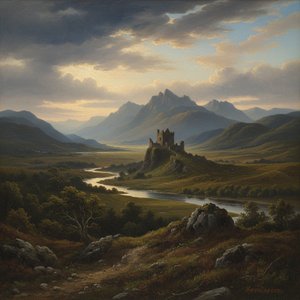
Alexander Nasmyth: Picturing Scotland's Romantic Landscape – Innovation & Identity
Explore the life & art of Alexander Nasmyth, a pivotal figure in Scottish Romantic landscape painting. Discover his iconic works, including portraits of Robert Burns, and learn about his lasting influence on national identity. Fine art reproductions available.
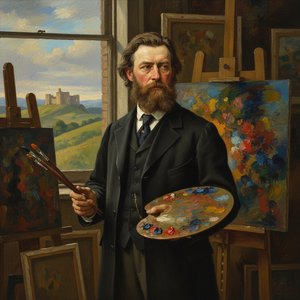
George Paul Chalmers: Rediscovering the Angus Rembrandt & Scottish Colourist Roots
Explore the captivating world of George Paul Chalmers (1833-1878), a pivotal Scottish painter. Discover his landscapes, portraits & connection to the Aesthetic Movement and Colourists. Learn about this 'Angus Rembrandt's' legacy with OriginalUniqueArt.

