
 Megtekintés
 Küldés
 Megosztás
 Részletek

 Letöltés
 Hasonló darabok
 X-ray felvétel
 Diavetítés
 Statisztika
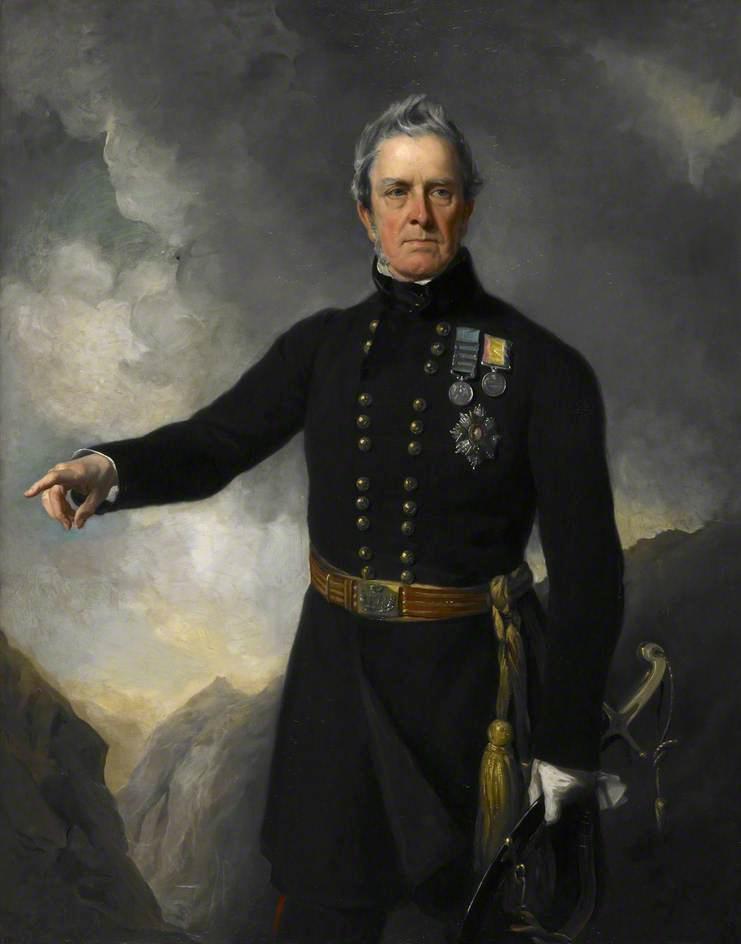
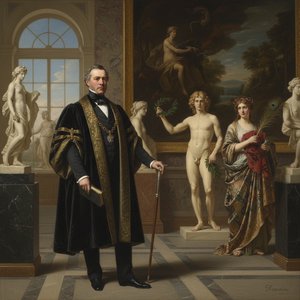
Lieutenant General Sir George Pollock


 Összes részlet megjelenítése
Giclée / Műnyomat
Múzeumi minőségű giclée vagy vászonnyomat, gyors gyártással és rugalmas finomítási lehetőségekkel. ( Kézzel festett másolat rendelése Áttérés digitális képre)




P118B $10

P118H $10

P118W $10

P438Z $10

P508JH $12

P508YH $12

P805H $10

P805Z $10

P919BZ $10

P919G $10

P919XJ $10

P959ZH $10

P968JZ $12

W106C $8

W218G $10

W218JH $8

W218Y $10

W307PJ $10

W316G $10

W316PJ $8

W316Y $10

W398PJ $8

W4111J $10

W500HY $15

W500JH $15

W692G $12

W849H $8

W940BG $15

W953PJ $8




Válasszon előre meghatározott méreteink közül, amelyek megfelelnek a műalkotás eredeti arányainak.

Megadhat saját méreteket is egy konkrét kerethez vagy helyszínhez igazítva. Amennyiben a kiválasztott méret nem egyezik az eredeti kép arányokkal, a műalkotást le fogjuk vágni, vagy kiegészítjük a képet tükrözött vagy egyszínű szélekkel. A gyártás megkezdése előtt egy digitális tervezetet küldünk jóváhagyásra.
Kérjük, vegye figyelembe, hogy a képernyőn látható előnézet nem tükrözi a tényleges levágást vagy kiegészítést. Csak a tervezet mutatja pontosan a végső kompozíciót.
Bár az egyedi méretek is elérhetőek, az eredeti arányok megőrzése érdekében azt javasoljuk, hogy válasszon a előre meghatározott listából származó méretet.
Világszerte történő kiszállítás területére mindössze 2 hét alatt, a szokásos 4-5 hét helyett. (8 szeptember)

Ingyenes globális expressz szállítás

Prémium minőségű len vászon

Teljes körű szállítási biztosítás

Vámvisszatérítési Garancia

Hiteles színpontosság garancia

100 napos visszaküldési lehetőség (csak hibás termékek esetén)

100% pénzvisszatérítési garancia

Több darab vásárlása esetén kedvezmény
 Az üvegkeretes opció csak 110 cm alatti méretben érhető el

Lieutenant General Sir George Pollock
Giclée / Műnyomat
Reprodukció mérete
-


Összesített ár
$ 80
A Portrait of Command: Sir Francis Grant’s Reverent Depiction of Lieutenant General Sir George Pollock
Sir Francis Grant's “Lieutenant General Sir George Pollock,” painted in 1856, stands as a testament to the Victorian obsession with formal portraiture and the meticulous observation of academic art. More than just a likeness, it’s an embodiment of military prestige and aristocratic dignity—a scene meticulously crafted to convey both visual splendor and profound symbolic resonance.
- Subject Matter & Context: The artwork portrays Lieutenant General Sir George Pollock (1786–1872), a celebrated British soldier who achieved renown for his leadership during the Napoleonic Wars, specifically his decisive role in securing the Battle of Waterloo. Grant’s depiction captures Pollock at the height of his career, reflecting the societal values of the time—honor, duty, and unwavering loyalty to the Crown.
- Composition & Technique: Employing a classic three-quarter pose against a subtly blurred landscape backdrop, Grant utilizes a pyramidal composition that directs the viewer’s gaze towards Pollock's face. The artist skillfully blends muted browns and blacks with delicate touches of gold—primarily in the medals adorning Pollock’s uniform—creating depth and highlighting his status. Oil paint on canvas allows for nuanced tonal gradations and textural detail, achieved through meticulous layering and blending.
- Color Palette & Lighting: The subdued color palette reinforces the solemn mood of the portrait. Dark hues dominate, emphasizing seriousness and conveying a sense of gravitas. Diffused lighting illuminates Pollock’s face and upper torso, casting shadows that accentuate his musculature and contribute to the overall dramatic effect. This careful manipulation of light underscores Grant's mastery of artistic realism.
- Symbolism & Emotional Impact: The prominent medals serve as potent symbols of Pollock’s military achievements—visual representations of bravery and victory. Furthermore, Grant subtly conveys Pollock’s inner fortitude through his posture and gaze, suggesting confidence and unwavering resolve. The landscape background evokes memories of Waterloo campaigns, hinting at the challenges faced by Britain's military elite.
- Style & Artistic Merit: “Lieutenant General Sir George Pollock” exemplifies the stylistic conventions of academic painting—characterized by precise anatomical accuracy and adherence to established compositional principles. Grant’s meticulous attention to detail elevates the artwork beyond mere representation, transforming it into a powerful statement about Victorian ideals of leadership and honor.
This reproduction captures not only the visual beauty of Grant's masterpiece but also its enduring significance as an emblem of British military history and artistic excellence. It’s ideal for discerning collectors and interior designers seeking to infuse their spaces with a touch of Victorian grandeur.
A művész életrajza
A Life Dedicated to Portraiture and the Academy
Sir Francis Grant, a name synonymous with refined portraiture and dedicated service to the British art establishment, emerged as one of the most sought-after artists of his era. Born in 1803 into a landed family in Perthshire, Scotland, young Francis initially seemed destined for a career in law. However, the pull of artistic expression proved too strong to resist. Though largely self-taught, he briefly studied under Alexander Nasmyth in Edinburgh, laying an early foundation before forging his own distinctive path. This path wasn’t immediately clear; Grant's initial successes came with sporting scenes, capturing the energy and vibrancy of rural life. A pivotal moment arrived through his marriage, granting him access to the exclusive world of Melton Mowbray’s hunting set. There, he honed his skills under John Ferneley, a master of equestrian art, and began to specialize in depictions of horses and hounds – subjects that would initially define his reputation.Early Years and Artistic Foundations
Grant's formative years instilled within him a profound appreciation for observation and meticulous detail—qualities that would become hallmarks of his artistic style. His father, Francis Grant, Laird of Kilgraston, was a wealthy landowner with estates in Scotland and Jamaica, providing young Francis with considerable financial resources and fostering an environment conducive to intellectual pursuits. Despite eschewing the legal profession he initially envisioned, Grant’s passion for painting quickly superseded all other ambitions. He undertook preliminary studies under Alexander Nasmyth, Edinburgh's celebrated landscape painter, gaining invaluable insight into composition and tonal harmony—skills that would prove crucial in shaping his future artistic endeavors. This early exposure to artistic excellence undoubtedly influenced Grant’s aesthetic sensibilities, establishing a bedrock of knowledge upon which he would build his distinctive oeuvre.Sporting Scenes: Capturing Movement and Atmosphere
Grant's initial artistic explorations centered on sporting subjects – specifically fox hunting—a pastime deeply ingrained in Victorian society. His celebrated *Melton Breakfast* (1834), exhibited at the Royal Academy, exemplifies this early style perfectly. The painting captures a moment of convivial camaraderie amidst the excitement of the hunt, utilizing vibrant colors and dynamic brushstrokes to convey the palpable energy of the scene. Grant’s keen eye for capturing movement and atmosphere—traits honed through his own participation in hunting expeditions—became central to his artistic vision. This fascination with equestrian pursuits would continue throughout his career, resulting in numerous masterful depictions of horses and hounds that stand as enduring symbols of Victorian leisure and aristocratic culture. The meticulous rendering of textures and surfaces—particularly the dappled sunlight filtering through the trees—demonstrates Grant’s commitment to realism and contributes significantly to the immersive quality of his paintings.The Equestrian Portraiture Tradition: Graceful Majesty
Grant swiftly ascended to prominence as a portrait painter, establishing himself amongst the foremost artists of his time. His ability to transcend mere likeness—to convey not just physical appearance but also character and social standing—was particularly valued in an era obsessed with status and image. Commissions poured in from the British aristocracy and political elite, including the ultimate accolade: portraits of Queen Victoria herself. *Queen Victoria Riding Out* (1840), displayed at the Royal Academy, exemplifies Grant’s mastery of equestrian portraiture—a genre that demanded technical skill and artistic sensitivity. The painting portrays Victoria astride a horse in Windsor Great Park, accompanied by Lord Melbourne and other dignitaries, capturing both regal dignity and understated elegance. Grant skillfully employed chiaroscuro—the dramatic interplay of light and shadow—to sculpt the figures against the backdrop of the park landscape, creating an image that embodies Victorian grandeur. His portraits of Lady Glenlyon (1842) solidified his reputation as a portraitist of distinction, demonstrating his ability to capture inner beauty alongside outward appearance.Royal Patronage and Artistic Legacy
Grant’s artistic success was recognized by the Royal Academy, which elected him an associate in 1842—a prestigious honor reflecting his considerable achievements. Subsequently, he became president of the academy in 1866, following the death of Charles Eastlake, marking a pivotal moment in Grant’s career and cementing his influence within British artistic circles. During his presidency, Grant championed innovative approaches to art exhibitions, introducing the concept of “loan exhibitions”—a groundbreaking practice that broadened access to masterpieces from across Europe and invigorated public engagement with art. He skillfully navigated the complexities of Victorian society, fostering a supportive environment for artists while simultaneously upholding traditional values. His enduring legacy resides not only in his impressive body of work—spanning sporting scenes and aristocratic portraits—but also in his transformative role as president of the Royal Academy, shaping the trajectory of British artistic life for decades to come. Grant’s paintings continue to inspire admiration and scholarly study today, serving as invaluable documents of Victorian culture and artistry. His meticulous technique and profound understanding of human psychology ensured that his images would endure through time
Sir Francis Grant
1803 - 1878 , Egyesült Királyföld
A művészről röviden
- Artistic Movement Or Style: Neoclassical, Romanticism
- Artists Or Movements Influenced By This Artist:
- Martin Archer Shee
- Solomon Hart
- Artists Who Influenced This Artist:
- Alexander Nasmyth
- John Ferneley
- Date Of Birth: 18 Jan. 1803
- Date Of Death: 5 Oct. 1878
- Full Name: Sir Francis Grant
- Nationality: Scottish
- Notable Artworks:
- Melton Breakfast
- Lady Glenlyon
- Queen Victoria Riding
- Place Of Birth: Edinburgh, United Kingdom
Kapcsolódó cikkek
Sir Joshua Reynolds legszebb művei: Klasszikus portrék és a brit arisztokrácia ragyogása – OriginalUniqueArt
Fedezze fel Sir Joshua Reynolds 25 legszebb művét! Klasszikus portrék, brit arisztokrácia és a 18. század festészete – OriginalUniqueArt minőségi reprodukciókkal. Elegáns otthoni dekorációhoz inspiráló képek és vászonképek. Böngéssze gyűjteményünket online!
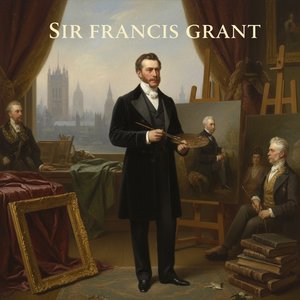
Sir Francis Grant: Portraiture, Patronage & Victorian Society
Explore the life & work of Sir Francis Grant, a leading Victorian portraitist. Discover his aristocratic clientele, role at the Royal Academy, and enduring artistic legacy. Learn about art patronage in 19th-century Britain.

Sir Alfred James Munnings legszebb 25 festménye – A vidéki Anglia és a lovak mestere | OriginalUniqueArt
Fedezze fel Sir Alfred James Munnings 25 legszebb festményét! Ismerje meg a vidéki Anglia és a lovak mesterének életművét, technikáját és inspirációit. Vásároljon exkluzív reprodukciókat a OriginalUniqueArt.com-on – múzeumi minőségben!
Francis Bacon legkiemelkedőbb művei: 25 lenyűgöző alkotás a modern művészetben | OriginalUniqueArt.com
Fedezze fel Francis Bacon 25 legkiemelkedőbb művét! Ismerje meg a modern művészet ikonikus festőjének sötét, érzelmes világát. Vászonképek, portrék és absztrakt alkotások – inspiráció otthonába. OriginalUniqueArt.com: múzeumi minőségű reprodukciók és exkluzív dekorációk online.
Sir Frederic Leighton: Aestheticism, Academic Mastery & Victorian Masculinity
Explore the life & art of Sir Frederic Leighton, a master of Victorian Aestheticism. Discover his academic training, sculptural innovations, and captivating depictions of beauty. Expert insights for collectors.

