
 Megtekintés
 Küldés
 Megosztás
 Részletek

 Letöltés
 Hasonló darabok
 X-ray felvétel
 Diavetítés
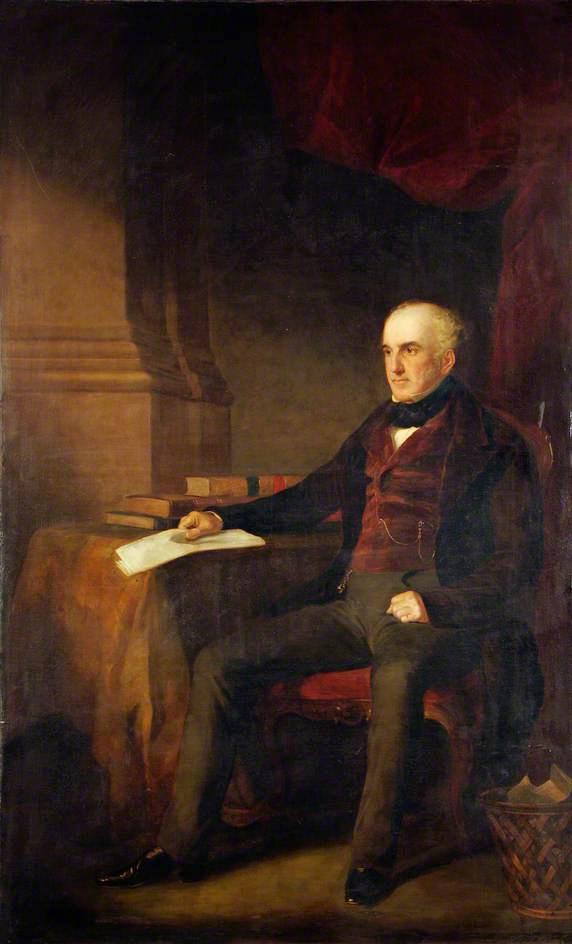
Henry Dover

 Összes részlet megjelenítése
Vásároljon nagy felbontású, javított digitális képet, amely minőségében messze felülmúlja az online előnézetet.
Minden fájlt szakembereink a legmodernebb eszközök és precíz, kézi retusálás segítségével készítenek el aprólékosan. Gondoskodunk arról, hogy minden kép kivételes tisztasággal, pontos színhelyességgel és részletgazdag finomsággal rendelkezzen.
A végleges fájl 72 órán belül e-mailben megérkezik, professzionális, szerkesztői és nyomtatási környezetbe optimalizálva az azonnali használathoz. Ez ugyanaz a minőség, amelyben a legmeghatározóbb tervezőstúdiók, kiadók és galériák is megbízhatnak.
Digitális kép
Töltsön le nagy felbontású fájlt személyes kiállításokhoz, nyomtatáshoz és kreatív projektekhez. ( Nyomat rendelése Kézzel festett másolat rendelése)
Minden digitális kép rendeléséhez tartozó extrák
Szakértői digitális kézbesítés, garantáltan
Amikor a OriginalUniqueArt.com szolgáltatást választja, nem csupán egy képet kap – professzionálisan felmagasított digitális műalkotást kap, amely precizitással készült, és amelyet megelégsedési gwarancia tesz biztoslássá. Az alábbiakban automatikusan minden benne 】

Gyors e-mail teslimítés
A nagy felbontású digitális képmásolatát a megrendelést követő 72 órán belül e-mailben elküldjük Önnek – azonnal használható formátumban.

MI-alapú digitális fejlesztésű fájl
Műve professzionális módon kerül optimalizálásra fejlett mesterséges intelligencia eszközök és manuális szerkesztés segítségével, biztosítva a maximális részletességet, tisztaságot és színpontosságot.

Örök életű ingyenes újradelivery
Véletlenül törölted vagy elvesztetted a fájlodat? Ne aggódj – bármikor ingyen újra megküldjük neked.

Nincs importköltség – soha
Élvezze műalkotásait azonnal, vám, illeték vagy szállítási költség nélkül – a digitális letöltések mindig adamentesek.

Színpontosság garantálása
Professzionális eszközök és színkezelés segítségével garantáljuk, hogy digitális képe a lehető legpontosabban tükrözze az eredeti színeket.

60 napos elégedettségi garancia
Ha nemມີ elégedett a digitális képpel, 60 napon belül átmunkáljuk azt, vagy 100% visszatérítjük az amountot – kérdés nélkül.

100% Pénzvisszatérítési garancia
Nem érheted el a teljes elégedettséget? 60 napon belül teljes visszatérítést kapsz a digitális fájlod megérkezése után – kérdés nélkül.

Tömegrendelési kedvezmények
Vásároljon 3 képet, spóroljon 10%-et - Vásároljon 5-öt, spóroljon 15%-et - Vásároljon 10+ képet, spóroljon 20%-at. Kiváló kreatív projektekhez, galériákhoz és ügynökségekhez.
A művész életrajza
A Life Dedicated to Portraiture and the Academy
Sir Francis Grant, a name synonymous with refined portraiture and dedicated service to the British art establishment, emerged as one of the most sought-after artists of his era. Born in 1803 into a landed family in Perthshire, Scotland, young Francis initially seemed destined for a career in law. However, the pull of artistic expression proved too strong to resist. Though largely self-taught, he briefly studied under Alexander Nasmyth in Edinburgh, laying an early foundation before forging his own distinctive path. This path wasn’t immediately clear; Grant's initial successes came with sporting scenes, capturing the energy and vibrancy of rural life. A pivotal moment arrived through his marriage, granting him access to the exclusive world of Melton Mowbray’s hunting set. There, he honed his skills under John Ferneley, a master of equestrian art, and began to specialize in depictions of horses and hounds – subjects that would initially define his reputation.Early Years and Artistic Foundations
Grant's formative years instilled within him a profound appreciation for observation and meticulous detail—qualities that would become hallmarks of his artistic style. His father, Francis Grant, Laird of Kilgraston, was a wealthy landowner with estates in Scotland and Jamaica, providing young Francis with considerable financial resources and fostering an environment conducive to intellectual pursuits. Despite eschewing the legal profession he initially envisioned, Grant’s passion for painting quickly superseded all other ambitions. He undertook preliminary studies under Alexander Nasmyth, Edinburgh's celebrated landscape painter, gaining invaluable insight into composition and tonal harmony—skills that would prove crucial in shaping his future artistic endeavors. This early exposure to artistic excellence undoubtedly influenced Grant’s aesthetic sensibilities, establishing a bedrock of knowledge upon which he would build his distinctive oeuvre.Sporting Scenes: Capturing Movement and Atmosphere
Grant's initial artistic explorations centered on sporting subjects – specifically fox hunting—a pastime deeply ingrained in Victorian society. His celebrated *Melton Breakfast* (1834), exhibited at the Royal Academy, exemplifies this early style perfectly. The painting captures a moment of convivial camaraderie amidst the excitement of the hunt, utilizing vibrant colors and dynamic brushstrokes to convey the palpable energy of the scene. Grant’s keen eye for capturing movement and atmosphere—traits honed through his own participation in hunting expeditions—became central to his artistic vision. This fascination with equestrian pursuits would continue throughout his career, resulting in numerous masterful depictions of horses and hounds that stand as enduring symbols of Victorian leisure and aristocratic culture. The meticulous rendering of textures and surfaces—particularly the dappled sunlight filtering through the trees—demonstrates Grant’s commitment to realism and contributes significantly to the immersive quality of his paintings.The Equestrian Portraiture Tradition: Graceful Majesty
Grant swiftly ascended to prominence as a portrait painter, establishing himself amongst the foremost artists of his time. His ability to transcend mere likeness—to convey not just physical appearance but also character and social standing—was particularly valued in an era obsessed with status and image. Commissions poured in from the British aristocracy and political elite, including the ultimate accolade: portraits of Queen Victoria herself. *Queen Victoria Riding Out* (1840), displayed at the Royal Academy, exemplifies Grant’s mastery of equestrian portraiture—a genre that demanded technical skill and artistic sensitivity. The painting portrays Victoria astride a horse in Windsor Great Park, accompanied by Lord Melbourne and other dignitaries, capturing both regal dignity and understated elegance. Grant skillfully employed chiaroscuro—the dramatic interplay of light and shadow—to sculpt the figures against the backdrop of the park landscape, creating an image that embodies Victorian grandeur. His portraits of Lady Glenlyon (1842) solidified his reputation as a portraitist of distinction, demonstrating his ability to capture inner beauty alongside outward appearance.Royal Patronage and Artistic Legacy
Grant’s artistic success was recognized by the Royal Academy, which elected him an associate in 1842—a prestigious honor reflecting his considerable achievements. Subsequently, he became president of the academy in 1866, following the death of Charles Eastlake, marking a pivotal moment in Grant’s career and cementing his influence within British artistic circles. During his presidency, Grant championed innovative approaches to art exhibitions, introducing the concept of “loan exhibitions”—a groundbreaking practice that broadened access to masterpieces from across Europe and invigorated public engagement with art. He skillfully navigated the complexities of Victorian society, fostering a supportive environment for artists while simultaneously upholding traditional values. His enduring legacy resides not only in his impressive body of work—spanning sporting scenes and aristocratic portraits—but also in his transformative role as president of the Royal Academy, shaping the trajectory of British artistic life for decades to come. Grant’s paintings continue to inspire admiration and scholarly study today, serving as invaluable documents of Victorian culture and artistry. His meticulous technique and profound understanding of human psychology ensured that his images would endure through time
Sir Francis Grant
1803 - 1878 , Egyesült Királyföld
Érdekességek
- Artistic Movement Or Style: Neoclassical, Romanticism
- Artists Or Movements Influenced By This Artist:
- Martin Archer Shee
- Solomon Hart
- Artists Who Influenced This Artist:
- Alexander Nasmyth
- John Ferneley
- Date Of Birth: 18 Jan. 1803
- Date Of Death: 5 Oct. 1878
- Full Name: Sir Francis Grant
- Nationality: Scottish
- Notable Artworks:
- Melton Breakfast
- Lady Glenlyon
- Queen Victoria Riding
- Place Of Birth: Edinburgh, United Kingdom

