Megtekintés
 Küldés
 Megosztás
 Részletek
 Útmutató

 Letöltés
 Hasonló darabok
 X-ray felvétel
 Diavetítés
 Statisztika
Philip, Fourth Lord Wharton


 Összes részlet megjelenítése
Giclée / Műnyomat
Múzeumi minőségű giclée vagy vászonnyomat, gyors gyártással és rugalmas finomítási lehetőségekkel. ( Kézzel festett másolat rendelése Áttérés digitális képre)




P118B Ft10

P118H Ft10

P118W Ft10

P438Z Ft10

P508JH Ft12

P508YH Ft12

P805H Ft10

P805Z Ft10

P919BZ Ft10

P919G Ft10

P919XJ Ft10

P959ZH Ft10

P968JZ Ft12

W106C Ft8

W218G Ft10

W218JH Ft8

W218Y Ft10

W307PJ Ft10

W316G Ft10

W316PJ Ft8

W316Y Ft10

W398PJ Ft8

W4111J Ft10

W500HY Ft15

W500JH Ft15

W692G Ft12

W849H Ft8

W940BG Ft15

W953PJ Ft8




Válasszon előre meghatározott méreteink közül, amelyek megfelelnek a műalkotás eredeti arányainak.

Írja be a keretének vagy a falának megfelelő szélességet és magasságot. A nyomatot csak le lehet vágni, soha nem tehető nagyobbá, mint az eredeti kép, így egy eltérő alakú méretnél a kép egy része elveszik. Mielőtt bármit kinyatintanánk, küldünk egy digitális próbamodellt jóváhagyásra. Az oldalon látható kép nem tartalmazza a valós levágást — ezt csak a próbamodell mutatja meg.
Világszerte történő kiszállítás területére mindössze 2 hét alatt, a szokásos 4-5 hét helyett. (26 október)

Ingyenes globális expressz szállítás

Prémium minőségű len vászon

Teljes körű szállítási biztosítás

Vámvisszatérítési Garancia

Hiteles színarányosság garancia

100 napos visszaküldési lehetőség (csak hibás termékek esetén)

100% pénzvisszatérítési garancia

Több darab vásárlásakor kedvezmény
 Az üvegkeretes opció csak 110 cm alatti méretben érhető el

Philip, Fourth Lord Wharton
Giclée / Műnyomat
Reprodukció mérete
-


Összesített ár
Ft 25681
The Portrait of Philip, Fourth Lord Wharton
In this 1632 oil on canvas, Sir Anthony van Dyck depicts Philip, the fourth Baron Wharton. The subject is positioned in a three-quarter length pose against a landscape that includes a rocky backdrop and a stylized tree. He wears a doublet and hose featuring intricate embroidery, paired with a garment of deep purple and gold tones. A green flag or drapery hangs behind him, while a shepherd's houlette rests in the crook of his arm. The light falls across his face, highlighting a steady gaze directed toward the viewer. His attire includes textures of silk and heavy fabric that catch the light in varying degrees of brightness.
The composition utilizes specific elements to communicate status and identity. The green flag serves as a marker of noble lineage and allegiance to the Crown. The presence of the shepherd's tool introduces an Arcadian theme, suggesting Neoplatonic ideals of beauty and an idyllic state. Van Dyck employs the Baroque technique of chiaroscuro, using subtle gradations of light and shadow to define the contours of Wharton's features and the folds of his clothing. The application of pigment is precise, creating a luminous surface that emphasizes the physical presence of the sitter.
Historical Context and Artistic Execution
Created during the reign of Charles I, this portrait reflects the formal requirements of the English court. At this time, Van Dyck had recently arrived in London to serve as the primary court painter. The painting captures the social hierarchy of 17th-century England through the depiction of aristocratic dress and symbols of authority. The sitter's clothing, characterized by its expensive materials and detailed craftsmanship, functions as a visual record of his position within the political landscape.
The technical approach relies on the careful layering of oil paints to achieve depth. Van Dyck focuses on the interplay between the subject and his environment, using the natural elements of the background to frame the figure. The sitter's expression is composed, conveying a sense of self-assurance through a direct and unblinking look. This method of portraiture moves away from rigid, formal likenesses toward a more nuanced observation of character, capturing a specific psychological state through controlled facial muscles and posture.
Kérdések és válaszok
Elérhető-e a "Philip, Fourth Lord Wharton" minőségi nyomtatványként?
A „Philip, Fourth Lord Wharton”, Van Dyck alkotása nyomata közvetlenül a következő oldalon rendelhető meg: Művészeti nyomtatvány: minőségi giclée nyomat pamutvászonon vagy archiváló vászonpapíron.
Philip, Fourth Lord Wharton színei erőteljesnek vagy lágynak tűnnek?
A „Philip, Fourth Lord Wharton”, Van Dyck alkotása színei Balanced intenzitásúak.
Milyen módon kapcsolódik a "Philip, Fourth Lord Wharton" stílusa alkotójának korához?
A „Philip, Fourth Lord Wharton” a Baroque Style irányzat alkotása, készítője pedig a Korai modern kor korszakban tevékenykedett.
A művész életrajza
A Flemish Master at the Courts of Europe
Sir Anthony van Dyck, született Antwerpenben 1599-ben, a barokk kor egyik legkiemelkedőbb és legsokfélebb portréfestőjévé emelkedett. Élete, bár tragikus módon csak negyvenkét évesen ért véget, egy izgalmas művészi felfedezés és fényűző megbízások sorát jelentett, melyek Ausztriától kezdve Itáliaon keresztül a brit királyi udvarba vezették. Már fiatal korában mutatott kiváló tehetséget, és 1609-re bekapcsolódott Hendrick van Balen műhelyébe, gyorsan elsajátítva az idő folyamán kialakult stílusokat. Azonban a Peter Paul Rubensszal való kapcsolata – nem csupán mint tanuló, hanem mint kollégák is – igazán formálta a művész alapját, hiszen Rubens dinamikus kompozíciói, gazdag színpalettái és mestersége a fény és árnyék kezelésében nagy hatást gyakoroltak rá. Van Dyck hamarosan saját egyedi utat vett ki, melyet eleganciával és kifinomultsággal jellemeztek, melyek végül meghatározták a stílusát.Olasz Szökőhelyek és Stílus születése
Van Dyck olaszországi évei, amelyek 1621-ben kezdődtek, kulcsfontosságúak voltak művészi fejlődésében. Elsősorban Génoában telekedett meg, ahol kedvvel volt fogadva a város nemesi családja által. Itt alakította ki a hírneve melletti kifinomult stílusát – egy olyan stílust, melyet elegáns pózok, luxus szövetek és szinte érezhető a hatalom ára jellemeztek. A Rubens energiájától eltérően Van Dyck olasz portréi nem a dinamikus energiával, hanem kifinomult kompozícióikkal és a személyiség mélyebb megértésével próbálják bemutatni a szülőket. Ezenkívül ikonográfiai sorozatot is készített, melyben részletesen ábrázolt portré-gravúrákat alkotott ki jelentős alakokról – művészekről, tudósokról és uralkodókról egyaránt. Ez a projekt mutatotta meg kiváló művészi képességeit és elismertette őt mint vezető nyomtatásművészt. Ezek az etskéisek nem csupán dokumentumok voltak, hanem gondosan megtervezett képek, melyek célja volt a szubjektumok megörökítése és státusuk, intellektusuk kifejezése.A Királyi Festő: Van Dyck Angliaországban
1632-ben van Dyck kapott meghívást, ami végérvényesen megváltoztatta pályáját – egy felhívást I. Jakab angol királytól, hogy legyen a királyi udvar festője. Ez az állás elfogadásának köszönhetően Van Dyck nemcsak a művészet világában, hanem a brit művészet történelemben is fontos szerepet töltött be. Londonba érkezett jelentős hírneveivel és hamarosan elengedhetetlenévé vált a király számára, aki feladata volt olyan képeket létrehozni, melyek sugallnak hatalmat, nagyságot és Isten jogát. Van Dyck portréi I. Jakabot különösen kiemelkedőnek tartják; távol került a korábbi művészek által preferált szigorú, formális ábrázolásoktól, ehelyett a királyt dinamikus, vonzó vezetőként ábrázolta. Innovatív technikákat alkalmazott – drámai világítás, mozgó gesztusok és gondosan kiválasztott háttérképzetek – hogy olyan képeket hozzon létre, melyek vizuálisan lenyűgözőek és politikai szempontból is jelentős. A befolyása kiterjedt a királyi családra is, formálva az angol nemesség vizuális kultúráját több generációra. Nem csupán portrékat festett; egy hatalom és tekintély képmását teremtette meg, mely befolyásolta a királyi udvar képviseletét több mint száz évig.Eredet és tartósság
Van Dyck halálának tragikus körülményei 1641-ben elvették a művészet világát egy kiváló tehetségtől, de öröksége ma is él. Hatása az angol portréfestészetre mérhetetlen – megteremtett egy elegancia és kifinomultság standardját, melyet a későbbi művészek követni próbáltak.- Technikai innováció: Képes volt olajfestésre és gravúrára is, folyamatosan kísérletezve új technikákkal.
- Stílusos kifinomultság: Portréi elegáns pózok, luxus szövetek és mély pszichológiai betekintésekkel jellemezettek.
- Udvari befolyás: Megváltoztatta a királyi udvar képviseletét, egy hatalom és tekintély képmását teremtve, mely befolyásolta a királyi udvar képviseletét több generációra.
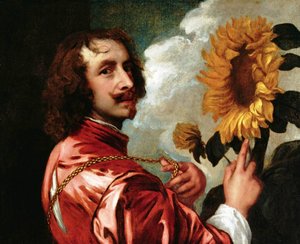
Van Dyck
1599 - 1641 , Belgium
Rövid információk
- Artistic Movement Or Style: Barokk
- Artists Or Movements Influenced By This Artist: ['Angol portréfestészet']
- Artists Who Influenced This Artist: ['Peter Paul Rubens']
- Date Of Birth: 1599. március 22.
- Date Of Death: 1641. december 9.
- Full Name: Sir Anthony van Dyck
- Nationality: Flamand
- Notable Artworks:
- Portrék
- Királyi portrék
- Place Of Birth: Antwerpen, Belgium
Kapcsolódó cikkek

Flemish Baroque: The Ultimate Masterclass in Dramatic Light, Opulent Detail, and Visual Impact
Discover the breathtaking drama of Flemish Baroque art. Explore the mastery of Rubens and Van Dyck through an expert lens, focusing on chiaroscuro, opulent detail, and the emotional intensity that defines this legendary era of visual impact.
Sir Anthony van Dyck: Courtly Portraiture & the Shaping of Baroque Identity
Explore the life & legacy of Sir Anthony van Dyck, the leading court painter of his era. Discover his innovative portraiture, Baroque masterpieces, and investment potential for discerning collectors. Learn more at OriginalUniqueArt.

Rembrandt legikonikusabb művei: 25 mestermű a vászonon – OriginalUniqueArt
Fedezze fel Rembrandt van Rijn 25 legikonikusabb művét! Barokk portrék, bibliai jelenetek és önarcképek a Holland aranykorból. Művészeti reprodukciók prémium minőségben – OriginalUniqueArt. Explore the full collection online!
The Grandeur of Baroque Portraiture: Power, Emotion & Artistic Innovation
Explore the grandeur of Baroque portraiture! Discover Rubens, Van Dyck & the masters of 17th-century art. Uncover symbolism, techniques & lasting influence. Expert insights for collectors and enthusiasts.

A Barokk Mesterek 10 Legikonikusabb Remekműve – OriginalUniqueArt.com
Fedezze fel a barokk művészet 10 legpártosabb remekművét! Caravaggio, Rembrandt és Vermeer alkotásainak története – OriginalUniqueArt.com kínálatában exkluzív reprodukciók és inspiráló dekorációs ötletek várják Önt. Nézze meg most!