
 Megtekintés
 Küldés
 Megosztás
 Részletek
 Útmutató

 Letöltés
 Hasonló darabok
 X-ray felvétel
 Diavetítés
 Kérdések és válaszok
 Statisztika
Elder Blossom

- 51.0 x 61.0 cm


 Összes részlet megjelenítése
Szerezzen be nyomtatásra kész fájlt, amely messze túlmutat a webes előnézeten. Minden általunk értékesített digitális kép az adatbázisunkban található nagy felbontású mesterfájlból származik – általában 5 000 és 15 000 pixel szélességű –, így magabiztosan nyomtathat nagy méretben, sokat vághat a képen, vagy reprodukálhatja a legfinomabb részleteket is.
Stúdiómból egyetlen fájl sem távozik feltartózkodás nélkül. Egy digitális szakértő az eredeti festménnyel összehasonlítja a színeket, és szükség esetén korrigálja azokat, majd professzionális retusználó eszközökkel javítja a tisztaságot és a részletgazdagságot — miközben mindig hű marad a művész vonalvezetéséhez és stílusához. Az eredmény egy olyan kép, amely úgy néz ki, mint egy festmény, és nem úgy, mint egy szűrőzött szkenn.
A végső munka befejezése előtt jóvá kell hagynia a képet: szakértőnk 72 órán belül elküldi azt e-mailben ellenőrzésre. Nem tetszett? Kérhet javításokat vagy korrekciókat, illetve visszatérítést kérhet, amennyiben a minőség nem felel meg az elvárásoknak.
Ez az a minőség, amelyre a kiadók, a design stúdiók, a galériák és a nyomdaték megbízhatnak.
Digitális kép
Töltsön le nagy felbontású fájlt személyes kiállításokhoz, nyomtatáshoz és kreatív projektekhez. ( Váltás nyomtatványra Kézzel festett másolat rendelése)
Minden digitális kép rendeléséhez tartozó extrák
Szakértői digitális kézbesítés, garantáltan
Amikor a OriginalUniqueArt.com szolgáltatást választja, nem csupán egy képet kap – professzionálisan felmagasított digitális műalkotást kap, amely precizitással készült, és amelyet megelégsedési gwarancia tesz biztoslássá. Az alábbiakban automatikusan minden benne 】

Gyors e-mail teslimítés
A nagy felbontású digitális képmásolatát a megrendelést követő 72 órán belül e-mailben elküldjük Önnek – azonnal használható formátumban.

MI-alapú digitális fájljavítás
Műve professzionális módon kerül optimalizálásra fejlett mesterséges intelligencia eszközök és manuális szerkesztés segítségével, biztosítva a maximális részletességet, tisztaságot és színpontosságot.

Örök életű ingyenes újradelivery
Véletlenül törölted vagy elvesztetted a fájlodat? Ne aggódj – bármikor ingyen újra megküldjük neked.

Nincs importköltség – soha
Élvezze műalkotásait azonnal, vám, illeték vagy szállítási költség nélkül – a digitális letöltések mindig adamentesek.

Színpontosság garantálása
Professzionális eszközök és színkezelés segítségével garantáljuk, hogy digitális képe a lehető legpontosabban tükrözze az eredeti színeket.

100 napos elégedettségi garancia
Ha nemມີ elégedett a digitális képével, 100 napon belül felülvizsgáljuk vagy 100% visszatérítjük az amountot – kérdés बिना.

100% Pénzvisszatérítési garancia
Nem tetszett a vásárlás? 100 napon belül teljes visszatérítést garantálunk a digitális fájl megvételétől számítva – kérdés nélkül.

Tömegrendelési kedvezmények
Vásároljon 3 képet, spóroljon 10%-et - Vásároljon 5-öt, spóroljon 15%-et - Vásároljon 10+ képet, spóroljon 20%-at. Kiváló kreatív projektekhez, galériákhoz és ügynökségekhez.
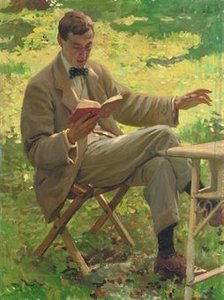
A Celebration of Rural Tranquility – Exploring Munnings’s Elder Blossom
Alfred James Munnings (1878–1959), a titan amongst British Impressionists, possessed an unparalleled ability to capture the essence of the English countryside—specifically its fleeting beauty during springtime. “Elder Blossom,” painted in 1935, exemplifies this mastery, presenting a deceptively simple scene that unfolds into a complex tapestry of observation and emotion.
- Subject Matter: The painting depicts a solitary elder tree laden with delicate white blossoms against a muted pastel backdrop. Munnings meticulously rendered the tree’s branches reaching upwards towards the sky, conveying a sense of resilience and enduring presence amidst the ephemeral nature of floral bloom.
- Style & Technique: Munnings adhered to Impressionistic principles—primarily focusing on capturing light and color as they shift throughout the day. He employed loose brushstrokes and blended hues subtly, eschewing sharp outlines in favor of atmospheric perspective. This technique lends the artwork a luminous quality, mirroring the dappled sunlight filtering through the blossoms.
- Historical Context: Munnings’s work emerged during a period of significant artistic experimentation following World War I. However, he steadfastly championed traditional subjects—particularly equestrian art and depictions of rural life—reflecting a deep appreciation for Britain's heritage and connection to its landscapes. “Elder Blossom” embodies this spirit, harkening back to a bygone era of pastoral idyll.
Decoding the Symbolism – White Blossoms and Silent Strength
The elder tree itself carries considerable symbolic weight within British folklore—representing wisdom, longevity, and protection. Its blossoms, appearing at dawn, symbolize purity and renewal. Munnings skillfully utilizes these motifs to convey a profound message about embracing tranquility and finding beauty in simplicity. The stillness of the composition reinforces this theme, inviting contemplation on themes of resilience and acceptance.
Brushstrokes and Texture – Munnings’s Tactile Approach
Munnings' distinctive brushwork is immediately recognizable—characterized by visible marks that contribute to the artwork’s textural richness. He layered paint onto canvas with deliberate precision, creating a palpable sense of surface quality. These textured strokes capture not only the visual appearance of the elder tree but also the feeling of being immersed in its environment – a testament to Munnings' commitment to conveying sensory experience.
Emotional Resonance – A Moment Frozen in Time
"Elder Blossom" transcends mere representation; it evokes a powerful emotional response. The muted palette and soft lighting instill a sense of serenity, transporting the viewer back to a tranquil spring day. Munnings’s masterful composition captures a fleeting moment—a celebration of beauty before it fades—leaving an indelible impression on anyone who encounters its luminous stillness.
Kérdések és válaszok
Mennyire világos összességében a "Elder Blossom"?
Összességében a "Elder Blossom" alkotás bright fényerőséget mutat. A tapasztalt fényerő azt írja le, hogy a mű mennyire tűnik világosnak vagy sötétnek.
Ismertebb műalkotás a „Elder Blossom”, Munnings Alfred alkotása?
A „Elder Blossom”, Munnings Alfred alkotása népszerűségi szintje Iconic. Ez a besorolás azt tükrözi, mennyire ismert és elismert ez a mű.
Mikor készült a(z) „Elder Blossom”, Munnings Alfred alkotása?
A „Elder Blossom”, Munnings Alfred alkotása alkotásának éve 1935.
Művész életrajza
A Life Immersed in Equine Grace
Sir Alfred James Munnings, a name inextricably linked to the vibrant depiction of horses and the romantic allure of rural England, occupies a pivotal position within 20th-century British art. Born in 1878 amidst the rolling landscapes of Suffolk, his life was profoundly shaped by an enduring connection with the equine world – a bond that would define his artistic vision and propel him to prominence. Munnings wasn’t simply recording what he saw; he was preserving a feeling, an atmosphere, a world poised on the brink of irreversible change. He captured a vanishing way of life, a keenly observed portrait of Britain steeped in tradition, hunting, and the rhythms of the countryside. His early works often depicted rural scenes, particularly those featuring gypsies and horses roaming the Suffolk countryside, imbued with a romantic sensibility that showcased his growing mastery of color and light. These paintings weren’t merely representations; they were expressions of a deep affection for the land and its inhabitants.From Rural Beginnings to Artistic Development
Munnings’s artistic journey began not within the formal confines of an academy, but in the practical world of a Norwich printing house. This apprenticeship honed his skills in design and observation while simultaneously allowing him to pursue studies at the Norwich School of Art. It was a formative period, instilling a discipline that would serve him well as he navigated the challenges of establishing himself as an artist. Early influences included the plein air painters of the Newlyn School in Cornwall, where he embraced their commitment to capturing light and atmosphere directly from nature. This immersion in Impressionistic techniques laid the groundwork for his signature style – loose brushwork, a vibrant palette, and a palpable sense of movement. He was particularly drawn to the work of Henri Edmond Cross and Frank Bramley, whose depictions of Cornish fishing boats and coastal scenes influenced his early compositions. Munnings’s initial subjects were often humble: rural laborers, itinerant traders, and the spirited horses that powered the Suffolk countryside. However, he quickly developed a distinctive style, characterized by bold colors, dynamic brushstrokes, and an almost palpable sense of movement.War, Recognition, and a Champion of Tradition
The First World War profoundly shaped both Munnings's artistic perspective and his public profile. Though initially deemed unfit for combat due to a debilitating eye injury sustained in 1908, he was nonetheless commissioned by the Canadian War Memorials Fund to document the experiences of the Canadian Cavalry Brigade. This assignment brought him face-to-face with the harsh realities of war – the suffering, the loss, and the enduring bond between humans and animals. His paintings from this period are not glorifications of battle, but poignant reflections on sacrifice and resilience, capturing a somber beauty amidst devastation. The images he produced during the conflict were widely celebrated for their honesty and emotional depth, solidifying his reputation as a serious artist. Following the war, Munnings continued to paint rural scenes, often depicting hunting parties and equestrian events. He became increasingly involved in the affairs of the Royal Academy, eventually serving as its President from 1944 until 1949 – a position he held with considerable vigor and a staunch defense of traditional artistic values.A Controversial Voice and Enduring Legacy
Munnings's artistic philosophy was deeply rooted in tradition, and he became a vocal critic of the burgeoning modernist movements that were challenging conventional notions of art. His famous – and often controversial – 1949 BBC radio broadcast saw him launch a scathing attack on Cubism and Surrealism, delivered with characteristic candor (and reportedly fueled by alcohol). While his remarks sparked outrage among proponents of modern art, they also resonated with those who valued representational painting and the enduring power of artistic skill. He wasn’t simply resisting change for its own sake; he believed in the importance of preserving artistic standards and celebrating beauty in its traditional forms. This conviction culminated in his election as President of the Royal Academy in 1944, a position he held until 1949, solidifying his status within the British art establishment. Munnings was knighted Bachelor in 1944 and appointed a Knight Commander of the Royal Victorian Order in 1947, further acknowledging his contributions to the nation’s cultural life. Sir Alfred James Munnings left behind a vast and compelling body of work that continues to captivate audiences today. His paintings offer a window into a bygone era – a world of horses, hunting, and rural landscapes that has largely disappeared. The Munnings Art Museum, established by his wife Violet at Castle House, serves as a testament to his enduring legacy, preserving his art and providing a space for future generations to appreciate his unique vision. Beyond the technical brilliance of his paintings, it is Munnings’s ability to evoke emotion that truly sets him apart. He captured not just the physical beauty of horses, but also their spirit, their power, and their connection to the human heart. His work remains a powerful reminder of the enduring appeal of representational painting and the importance of preserving artistic traditions in an ever-changing world.Major Achievements
- Royal Academy President: Elected President of the Royal Academy in 1944, serving until 1949.
- Knighthood: Knighted Bachelor in 1944 and appointed a Knight Commander of the Royal Victorian Order in 1947.
- War Artist Commissions: Recognized for his work documenting the Canadian Cavalry during WWI.
- Sculptural Work: Created sculptures, including an equestrian statue of Edward Horner.
Munnings Alfred
1878 - 1959 , Egyesült Királyföld
Érmeradatok
- Artistic Movement Or Style: Impressionista
- Artists Or Movements Influenced By This Artist: ['Modernizmus']
- Artists Who Influenced This Artist: ['Newlyn School']
- Date Of Birth: 1878. 10. 8.
- Date Of Death: 1959. 07. 17.
- Full Name: Sir Alfred James Munnings
- Nationality: Angol
- Notable Artworks:
- A Piper
- The Fancy Dress Ball
- Place Of Birth: Mendham, Anglia