- Főoldal

- Vászonra nyomtatás
- Simone Martini
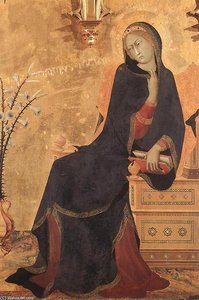
- The Annunciation and Two Saints

 Preview
 Készíttetnék festményként Kép letöltése
 Megosztás
 Megosztás
 Részletek
 Kedvencekhez ad

 Letöltés
 Hasonló alkotások
 X-ray felvétel
 Diavetítés
The Annunciation and Two Saints
 Akril vászonon
- Falfeliratok és faldekoráció
- Early Renaissance
 1333
1333- Reneszánsz
 184.0 x 210.0 cm
 Uffizi Képtár
 Tovább olvasom
Giclée / Műnyomat
Múzeumi minőségű giclée vagy vászonnyomat, gyors gyártással és rugalmas finomítási lehetőségekkel.




P118B $10

P118H $10

P118W $10

P438Z $10

P508JH $12

P508YH $12

P805H $10

P805Z $10

P919BZ $10

P919G $10

P919XJ $10

P959ZH $10

P968JZ $12

W106C $8

W218G $10

W218JH $8

W218Y $10

W307PJ $10

W316G $10

W316PJ $8

W316Y $10

W398PJ $8

W4111J $10

W500HY $15

W500JH $15

W692G $12

W849H $8

W940BG $15

W953PJ $8




Válasszon előre meghatározott méreteink közül, amelyek megfelelnek a műalkotás eredeti arányainak.

Megadhat saját méreteket is egy konkrét kerethez vagy helyszínhez igazítva. Amennyiben a kiválasztott méret nem egyezik az eredeti kép arányokkal, a műalkotást le fogjuk vágni, vagy kiegészítjük a képet tükrözött vagy egyszínű szélekkel. A gyártás megkezdése előtt egy digitális tervezetet küldünk jóváhagyásra.
Kérjük, vegye figyelembe, hogy a képernyőn látható előnézet nem tükrözi a tényleges levágást vagy kiegészítést. Csak a tervezet mutatja pontosan a végső kompozíciót.
Bár az egyedi méretek is elérhetőek, az eredeti arányok megőrzése érdekében azt javasoljuk, hogy válasszon a előre meghatározott listából származó méretet.
Világszerte történő kiszállítás területére 2 hét alatt, a szokásos 4-5 hét helyett. 23 július

Ingyenes globális expressz szállítás

Prémium minőségű len vászon

Teljes szállítási biztosítás

Vámvisszatérítési Garancia

Tökéletes színpontosság garancia

60 napos visszaküldési lehetőség (csak gyártási hibák esetén)

100%-os pénzvisszatérítési garancia

Kedvezmény több termény esetén
 Az üvegkeretes opció csak 110 cm alatti méretben érhető el

The Annunciation and Two Saints
Giclée / Műnyomat
A reprodukció mérete
-


Összesített ár
-
Termékinformációk
A Symphony of Faith and Refinement: Exploring Simone Martini’s The Annunciation
Simone Martini's *The Annunciation and Two Saints*, painted in 1333, transcends mere depiction; it embodies the very essence of early Renaissance artistic ambition. Executed in tempera on panel—a medium prized for its luminosity and durability—this monumental artwork (184 x 210 cm) resides within the Galleria degli Uffizi in Florence, Italy, a testament to its enduring significance within Italian art history. Its fame stems not only from its exquisite craftsmanship but also from its profound theological contemplation and masterful stylistic innovation.The Composition: A Delicate Balance of Divine Presence
At first glance, the painting presents a serene tableau centered around Mary Magdalene, seated gracefully on a bench—a deliberate choice reflecting the prevailing aristocratic ideals of the period. Beside her stand two angels, rendered with astonishing precision and imbued with palpable emotion. Their hands outstretched, they offer flowers – lilies symbolizing purity and resurrection – to Mary, establishing a visual dialogue between earthly humility and celestial grace. The inclusion of kneeling figures underscores the importance of piety and devotion within medieval Christian belief. Furthermore, subtle gestures and facial expressions convey nuanced emotions, demonstrating Martini’s unparalleled ability to capture psychological depth within his artistic endeavors.Technique: Tempera's Brilliance – A Masterful Achievement
Martini’s mastery lies in his meticulous application of tempera paint—a technique demanding painstaking layering and blending. Unlike oil paints which offer flexibility and gradual build-up, tempera dries quickly, resulting in vibrant colors and unparalleled detail. The artist skillfully utilized glazing techniques—applying thin translucent layers over opaque pigments—to achieve a breathtaking luminosity that captures the ethereal quality of divine light. Observe particularly the intricate drapery folds and the subtle gradations of color within the architectural backdrop – likely inspired by Florentine Gothic churches – highlighting Martini’s dedication to recreating realistic textures and spatial depth.Historical Context: Siena's Artistic Renaissance
The painting emerged from Siena, a city experiencing a burgeoning artistic revival fueled by papal patronage and mercantile prosperity. Simone Martini was deeply embedded in this cultural milieu, collaborating closely with Lippo Memmi on monumental frescoes within the Oratorio di San Lorenzo in Ponte—a project that cemented Siena’s reputation as a beacon of artistic innovation. This context illuminates Martini's stylistic choices – his embrace of elegance and refinement – mirroring the broader humanist movement gaining momentum across Europe during this era. The artwork reflects the anxieties and aspirations of its time, grappling with questions of faith, beauty, and human dignity.Symbolism: Flowers of Hope Amidst Sacred Narrative
Beyond its visual splendor, *The Annunciation* is laden with symbolic meaning. Lilies, as mentioned earlier, represent purity and resurrection—themes central to Christian theology. The angels’ flowers serve not merely as decorative elements but as conduits for divine grace, conveying the promise of salvation and eternal life. Martini's careful consideration of symbolism elevates the painting beyond a simple depiction of biblical narrative; it invites contemplation on spiritual truths and reinforces the viewer’s understanding of Christian faith.Emotional Impact: A Moment Frozen in Time
Ultimately, *The Annunciation and Two Saints* succeeds in transporting us back to 14th-century Siena—capturing not just an image but a feeling. The painting's serene beauty evokes a sense of tranquility and reverence, prompting reflection on themes of faith, humility, and divine grace. Its meticulous detail compels admiration for Martini’s artistic skill while simultaneously fostering empathy for the spiritual concerns of his time. Reproductions by OriginalUniqueArt.com allow art lovers to experience this masterpiece anew, preserving its timeless allure for generations to come.A művész életrajza
A Sienese Master of Elegance and Grace
Simone Martini, born around 1284 in the heart of Siena, Italy, stands as a pivotal figure in the transition from medieval to Renaissance art. He wasn’t merely a painter; he was an architect of elegance, a master of line and color who infused his works with a courtly refinement that distinguished him from contemporaries like Giotto. While historical accounts vary regarding his early training—some suggest apprenticeship under Duccio di Buoninsegna, the leading Sienese artist of the time, while others point to Florence and the influence of Giotto—Martini undeniably forged a unique artistic path. His brother-in-law, Lippo Memmi, was also an artist with whom he frequently collaborated, further enriching the vibrant artistic landscape of Siena. The city itself played a crucial role in shaping Martini’s aesthetic; Siena, a thriving center of commerce and culture, fostered an environment where art flourished, blending religious devotion with worldly sophistication.
The Flourishing of International Gothic
Martini's style is immediately recognizable for its departure from the more monumental forms favored in Florence. He embraced a delicate sensibility, characterized by flowing lines, soft decorative details, and an overall sense of grace. This aesthetic wasn’t born in isolation; it was profoundly influenced by external forces. The Via Francigena, a major pilgrimage route traversing Europe, brought with it artistic currents from France—particularly the refined elegance of French manuscript illumination and ivory carving. These influences are readily apparent in Martini's work, manifesting as intricate patterns, elongated figures, and a heightened attention to surface ornamentation. He didn’t simply copy these styles; he synthesized them with existing Sienese traditions, creating something entirely new. His paintings weren’t merely representations of religious scenes but rather elegant narratives imbued with emotional depth and visual poetry.
From Siena to Avignon: A Courtly Appointment
Martini's reputation extended beyond the borders of Italy, leading to a significant turning point in his career. In 1336, he accepted a commission from Pope Benedict XII to create frescoes for the Papal Palace in Avignon, France—a move that placed him at the heart of European power and patronage. This appointment wasn’t merely about artistic skill; it was a testament to Martini's ability to cater to the tastes of a sophisticated courtly audience. While in Avignon, he entered into a remarkable intellectual circle, befriending Francesco Petrarca—better known as Petrarch, the renowned humanist poet. The connection with Petrarch is particularly poignant, as Vasari and other sources suggest that Martini painted a portrait of Laura de Noves, Petrarch’s lifelong muse. Though the portrait itself is lost to time, its very existence speaks volumes about Martini's status as a celebrated artist capable of capturing not only physical likeness but also the essence of beauty and inspiration. The Annunciation with St. Margaret and St. Ansanus, created during his time in Florence before moving to Avignon, is a testament to this period, showcasing delicate beauty and refined aesthetic.
Major Works and Techniques
Martini’s oeuvre is characterized by a remarkable range of subjects and styles, reflecting the diverse commissions he received throughout his career. His most celebrated works include the *Maestà* fresco in the Palazzo Pubblico, Siena—a monumental depiction of the Virgin Mary enthroned with angels and saints that exemplifies his mastery of composition and color; the *Annunciation*, a delicate and exquisitely detailed portrayal of the angel Gabriel announcing to Mary that she will conceive Jesus; and the *St. Louis Crowning Robert* altarpiece in Naples, showcasing his ability to create complex narratives within a limited space. Martini’s technical skill is evident in his meticulous attention to detail, his use of vibrant colors—particularly blues and reds—and his innovative approach to perspective and spatial relationships. He was also a skilled draftsman, producing numerous drawings that served as studies for his paintings.
Legacy and Enduring Influence
Simone Martini’s impact on the development of European art cannot be overstated. He played a crucial role in disseminating the International Gothic style—a movement characterized by its elegance, refinement, and emphasis on decorative detail—across the continent. His influence extended to generations of artists who followed, shaping the course of late medieval and early Renaissance painting. Martini’s work wasn’t simply about technical skill; it was about creating a visual language that resonated with the sensibilities of his time—a language of beauty, grace, and spiritual devotion. Even today, his paintings continue to captivate viewers with their exquisite detail, harmonious compositions, and enduring sense of elegance. His frescoes in San Francesco d’Assisi demonstrate his mastery of large-scale decorative painting, while works like the Saint Catherine of Alexandria Polyptych showcase his unparalleled command of color and form. Simone Martini died in Avignon in 1344, leaving behind a legacy that continues to inspire awe and admiration centuries later—a testament to the enduring power of art to transcend time and touch the human spirit.

Simone Martini
1284 - 1344 , Olaszország
Rövid tények
- Artistic Movement Or Style: Nemzetközi Gótika
- Artists Or Movements Influenced By This Artist: ['Nemzetközi Gótika stílus']
- Artists Who Influenced This Artist:
- Duccio di Buoninsegna
- Giotto di Bondone
- Date Of Birth: c. 1284
- Date Of Death: 1344
- Full Name: Simone Martini
- Nationality: Olasz
- Notable Artworks:
- Angyali Üdvözlet
- Maestà
- Szent János
- Place Of Birth: Siena, Olaszország
Kapcsolódó cikkek
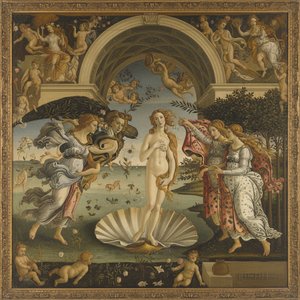
Botticelli Mesterművek: A 25 Leglenyűgözőbb Kép a Reneszánsz Gyöngyszemeiből | OriginalUniqueArt
Fedezze fel Sandro Botticelli 25 legpazarabb műalkotását! Merüljön el a reneszánsz festészet világában, ismerje meg a Primavera és Vénusz születése történetét. Museum-minőségű reprodukciók és inspiráló dekorációs ötletek a OriginalUniqueArt.com oldalon.
A müncheni Alte Pinakothek 25 Mesterműve: Klasszikus festmények otthonra – OriginalUniqueArt.com
Fedezze fel a müncheni Alte Pinakothek 25 legikonikusabb művészeti remekművét! Reneszánsz és barokk festmények, Leonardo da Vinci, Dürer alkotásai – inspiráló történetek és magas minőségű reprodukciók. Otthonra vagy ajándékba? OriginalUniqueArt.com-on minden megtalálható!
A Metropolitan Művészeti Múzeum 25 Gyöngyszeme: Klasszikus Remekművek és Inspiráció Otthonra
Fedezze fel a Metropolitan Művészeti Múzeum 25 legikonikusabb műalkotását! Monet, Van Gogh, Rembrandt és más mesterek remekműveinek történeteit olvassa el. Inspirálódjon otthon dekorációjához – magas minőségű festmény reprodukciók a OriginalUniqueArt.com-on!
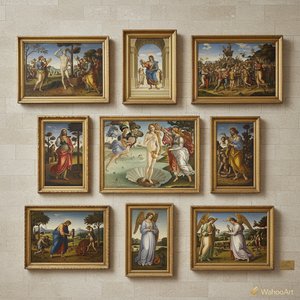
A Reneszánsz Korai Gyöngyszemei: 10 Mestermű, Ami Megváltoztatta a Világot
Fedezze fel a korai reneszánsz 10 legikonikusabb műalkotását! Leonardo, Michelangelo és Botticelli remekművei elmesélnek egy új korszak történetét. Vászonképek, faliképek – inspirálódjon OriginalUniqueArt.com-on!
A National Gallery győgyöngyei: 25 műalkotás, melyek inspirálnak – OriginalUniqueArt.com
Fedezze fel a National Gallery Washington 25 legikonikusabb műalkotását! Cézanne, Matisse és Picasso remekművei – történetükkel, technikájukkal. Inspirálódjon festményekből otthona dekorációjához. Museum-minőségű reprodukciók a OriginalUniqueArt.com oldalon!