Váltás nyomtatványra
 Összes részlet megjelenítése







































 A bármely oldalsó méretét túlszálaló 105 cm (kb. 41 hüvelyk) meghaladó műalkotások vagy reprodukciók esetében a keret összeszerelhető készletként, szétszerelve kerül szállításra. Ez a módszer biztosítja a biztonságos szállítást, és megakadályozza a szállítás során fellépő sérüléseket.


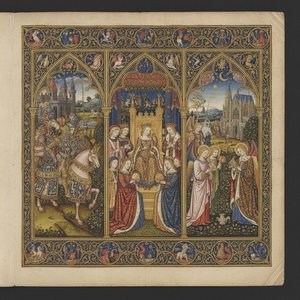
A Vision of Faith and Grace: Simone Martini’s St Catherine and St Lucy
Simone Martini's “St Catherine and St Lucy,” painted circa 1320-25 in Siena, Italy, stands as a cornerstone of International Gothic art—a style characterized by exquisite detail, luminous color palettes, and an idealized depiction of human form. This altarpiece, housed in the Berenson Collection, transcends mere religious iconography; it embodies the spiritual fervor and artistic sophistication that defined its era.
- Subject Matter: The painting portrays Saint Catherine of Alexandria and Saint Lucy of Syracuse—two revered figures venerated for their piety and martyrdom. Catherine, depicted with a radiant crown symbolizing divine grace, stands opposite Lucy, holding aloft an illuminated manuscript – a potent symbol of knowledge and sacred scripture.
- Style & Technique: Martini’s masterful brushwork exemplifies the International Gothic aesthetic. The meticulous rendering of drapery folds, facial expressions, and textures demonstrates unparalleled skill in capturing subtle nuances of light and shadow. Tempera on wood ensures vibrant colors and remarkable durability—a testament to the artist's dedication to preserving beauty for posterity.
- Historical Context: Siena during Martini’s lifetime was a thriving center of artistic patronage, fueled by papal influence and burgeoning mercantile wealth. The painting reflects the broader cultural preoccupation with religious devotion and moral virtue prevalent in Europe at the time—a period marked by both intellectual curiosity and profound spiritual yearning.
Symbolism: Light, Virtue & Divine Revelation
Color plays a crucial role in conveying symbolic meaning within “St Catherine and St Lucy.” The dominant reds – particularly Catherine’s robe – represent passion, sacrifice, and divine love—themes central to Christian theology. Lucy's luminous manuscript symbolizes enlightenment and the pursuit of spiritual truth, highlighting the importance of education and contemplation.
Furthermore, Martini skillfully employs geometric precision and stylized drapery to elevate the figures beyond mere realism. These artistic choices underscore the painting’s aspiration to depict not just earthly appearances but also transcendent ideals—reflecting the profound influence of Neoplatonic philosophy on Sienese art.
Emotional Impact & Legacy
"St Catherine and St Lucy" captivates viewers with its serene beauty and palpable spiritual depth. Martini’s ability to convey emotion through subtle gestures and expressive facial expressions speaks to the enduring power of visual storytelling. This masterpiece continues to inspire admiration for its technical brilliance and artistic vision—a testament to Simone Martini's legacy as one of the most influential artists of his time.
Its influence can be seen in subsequent Gothic paintings, demonstrating Martini’s contribution to the evolution of European art history. The painting remains a treasured example of International Gothic style and continues to resonate with audiences today who appreciate its timeless elegance and profound spiritual message.
Kérdések és válaszok
Milyen szín vezeti a „St Catherine and St Lucy”, Simone Martini alkotása kompozícióját?
A(z) "St Catherine and St Lucy" alkotásban leginkább a Espresso (#5f382b) szín tűnik ki. A domináns szín hasznos, amikor egy műalkotást össze kell egyeztetni egy belső térrel.
Milyen domináns alapszín jellemzi „St Catherine and St Lucy”, Simone Martini alkotása alkotást?
A „St Catherine and St Lucy” egy Golden Yellow Range tónus felé hajlik.
Hová sorolható a "St Catherine and St Lucy" Simone Martini ismétlődő témái közé?
A "St Catherine and St Lucy" a religious iconography, medieval art, byzantine influence, virgin mary, saint lucy, patron saint, gothic style ábrázol, míg Simone Martini dokumentált témái a elegant style, byzantine tradition, spiritual devotion, courtly patronage, artistic legacy. A kettő összevetése megmutatja, hogyan kapcsolódik ez a mű a művész megszokott motívumaihoz.
Több információ erről a festményről
 Megtekintés
 Küldés
 Megosztás
 Részletek
 Útmutató

 Letöltés
 Hasonló darabok
 X-ray felvétel
 Diavetítés
 Kérdések és válaszok
 Statisztika