Előnézet
 Megosztás
 Megosztás
 Részletek
 Útmutató

 Letöltés
 Hasonló darabok
 X-ray felvétel
 Diavetítés
 Statisztika
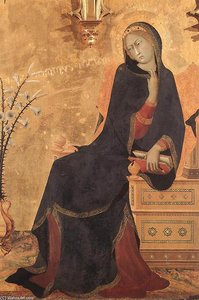
Madonna and Child 2


 Tovább olvasom
Kézzel készített olajfestmény reprodukció
Kézzel festett olajvastú vászon, az Ön által választott méretben és keretben, művészeink készítik meglévőre. ( Váltás nyomtatványra Áttérés digitális képre)




P118B Ft10

P118H Ft10

P118W Ft10

P438Z Ft10

P508JH Ft12

P508YH Ft12

P805H Ft10

P805Z Ft10

P919BZ Ft10

P919G Ft10

P919XJ Ft10

P959ZH Ft10

P968JZ Ft12

W106C Ft8

W218G Ft10

W218JH Ft8

W218Y Ft10

W307PJ Ft10

W316G Ft10

W316PJ Ft8

W316Y Ft10

W398PJ Ft8

W4111J Ft10

W500HY Ft15

W500JH Ft15

W692G Ft12

W849H Ft8

W940BG Ft15

W953PJ Ft8




Válasszon előre meghatározott méreteink közül, amelyek megfelelnek a műalkotás eredeti arányainak.

Ön megadhat saját méreteket egy adott kerethez vagy térhez igazításhoz. Ha a kiválasztott méret nem egyezik az eredeti kép arányával, akkor a műalkotást levágjuk, vagy további kézzel festett elemekkel meghosszabbítjuk a festményt. A gyártás megkezdése előtt küldünk Önnek egy digitális előnézetet jóváhagyásra.
Kérjük, vegye figyelembe, hogy a képernyőn megjelenő előnézet nem tükrözi a tényleges vágást vagy kiterjesztést. Csak az előnézet fog pontosan mutatni a végső kompozíciót.
Bár egyedi méretek állnak rendelkezésre, javasoljuk, hogy válasszon egy méretet az előre meghatározott listából az eredeti arányok megőrzése érdekében.
A rendelést követően a OriginalUniqueArt.com csapata e-mailt küld az ügyfélnek az instrukciókért, és biztosít egy előnézeti képet (mockup).
Világszerte elérhető szállítás () 3-4 hét alatt a szokásos 5 hét helyett. (5 október). A minőség nem kérdőjelezhető.

Ingyenes globális expressz szállítás

Prémium minőségű len vászon

Teljes körű szállítási biztosítás

Vámvisszatérítési Garancia

Tökéletes színarányosság garancia

100 napos visszaküldési garancia (csak gyártási hibás termékek esetén)

100% pénzvisszatérítési garancia

Több darab vásárlásakor kedvezmény
 Az üvegkeretes opció csak 110 cm alatti méretben érhető el

Madonna and Child 2
Reprodukciós technika
Reprodukció méretei
-


Összesített ár
Ft 93610
A Vision of Heavenly Calm: The Luminous Grace of Simone Martini
The painting portrays Mary cradling the infant Jesus in serene repose, a moment frozen in time that radiates an unparalleled elegance. The child is rendered in vibrant red robes, symbolizing royalty and divine grace, while Mary wears a gown adorned with black draperly accented by a shimmering gold necklace—a deliberate choice reflecting the opulent patronage prevalent during Martini’s time. Haloes of ethereal light envelop both figures, conveying an atmosphere of sanctity and highlighting the spiritual significance of the scene. This masterpiece transcends mere depiction; it embodies a profound meditation on faith, motherhood, and divine beauty, serving as a testament to Martini’s mastery and his indelible mark upon early Italian art history.The Artistic Soul of Siena: Mastery and Technique
Born around 1284 in the heart of Siena, Italy, Simone Martini emerged from a milieu steeped in artistic tradition. While scholarly debate persists regarding his formative years—with Giorgio Vasari famously attributing him to Giotto di Bondone’s tutelage—the undeniable influence of Duccio di Buoninsegna is palpable throughout Martini's oeuvre. This connection manifested not only in stylistic similarities but also in a shared dedication to conveying spiritual depth through meticulous detail and luminous color palettes. Martini's technique is characterized by the painstaking layering of glazes, a hallmark of the International Gothic style, resulting in surfaces that shimmer with subtle luminosity and imbue the image with remarkable realism. The delicate lines and rich, vibrant colors make this piece a breathtaking example of Sienese innovation.An Eternal Legacy for the Discerning Collector
For art lovers and interior designers alike, this work offers more than just visual splendor; it provides an emotional anchor for any space. The painting captures a tender moment between mother and child, surrounded by a golden frame that adds an elegant, timeless touch. Whether placed in a grand gallery or as a focal point in a sophisticated residential setting, the piece brings with it the courtly refinement of the 14th century. Its ability to blend religious devotion with worldly sophistication makes it an ideal choice for those seeking a high-quality reproduction that evokes both historical reverence and aesthetic tranquility. To possess such a work is to invite the quiet, luminous beauty of the Sienese school into one's personal environment.Gyakran Ismételt Kérdések
Miért van az, hogy a "Madonna and Child 2" szerzői jogi állapota ilyen?
A „Madonna and Child 2”, Simone Martini alkotása a joghallgatói schützenesség körébe tartozik – a szerzői jog lejártt állapotban van. A szerzői jogi védelem időtartama a művész halálától számítódik, amely 1344 évben történt.
Kinek ajánlható ajándékként a „Madonna and Child 2”, Simone Martini alkotása?
A „Madonna and Child 2”, Simone Martini alkotása ajándékajánlata ötvözi a Mother's Day lehetőséget a Accent céljával.
Használhatom az augmented reality technológiát, hogy megtekintsem a „Madonna and Child 2”, Simone Martini alkotása művet a saját szobámban?
A(z) "Madonna and Child 2" mű kiterjesztett valóság (AR) előnézettel rendelkezik: a mű AR előnézet oldala kompatibilis eszközön megtekinthető saját környezetében.
Ki készítette a(t): "Madonna and Child 2"?
A "Madonna and Child 2" alkotását Simone Martini készítette. Az ezen az oldalon található információk Simone Martini eredeti művészetét mutatják be.
Ki árul „Madonna and Child 2”, Simone Martini alkotása kézzel festett másolatait?
A "Madonna and Child 2" kézzel festett olajfesték reprodukció lino vászonon formátumban is elérhető. A rendelés ez az oldal felületen adható le, különböző méretválasztékban.
Hogyan tudok nyomtatványt vásárolni a(z) „Madonna and Child 2”, Simone Martini alkotása alkotásból?
A „Madonna and Child 2”, Simone Martini alkotása nyomata közvetlenül megrendelhető a(z) ez az oldal oldalon: minőségi giclée nyomat pamutvászonon vagy archiváló vászonpapíron.
Hogyan írják le „Madonna and Child 2”, Simone Martini alkotása színezetét?
A "Madonna and Child 2" színei egy Dark palettát alkotnak. Ez a besorolás a domináns színek családjait írja le.
A művész életrajza
A Sienese Master of Elegance and Grace
Simone Martini, born around 1284 in the heart of Siena, Italy, stands as a pivotal figure in the transition from medieval to Renaissance art. He wasn’t merely a painter; he was an architect of elegance, a master of line and color who infused his works with a courtly refinement that distinguished him from contemporaries like Giotto. While historical accounts vary regarding his early training—some suggest apprenticeship under Duccio di Buoninsegna, the leading Sienese artist of the time, while others point to Florence and the influence of Giotto—Martini undeniably forged a unique artistic path. His brother-in-law, Lippo Memmi, was also an artist with whom he frequently collaborated, further enriching the vibrant artistic landscape of Siena. The city itself played a crucial role in shaping Martini’s aesthetic; Siena, a thriving center of commerce and culture, fostered an environment where art flourished, blending religious devotion with worldly sophistication.
The Flourishing of International Gothic
Martini's style is immediately recognizable for its departure from the more monumental forms favored in Florence. He embraced a delicate sensibility, characterized by flowing lines, soft decorative details, and an overall sense of grace. This aesthetic wasn’t born in isolation; it was profoundly influenced by external forces. The Via Francigena, a major pilgrimage route traversing Europe, brought with it artistic currents from France—particularly the refined elegance of French manuscript illumination and ivory carving. These influences are readily apparent in Martini's work, manifesting as intricate patterns, elongated figures, and a heightened attention to surface ornamentation. He didn’t simply copy these styles; he synthesized them with existing Sienese traditions, creating something entirely new. His paintings weren’t merely representations of religious scenes but rather elegant narratives imbued with emotional depth and visual poetry.
From Siena to Avignon: A Courtly Appointment
Martini's reputation extended beyond the borders of Italy, leading to a significant turning point in his career. In 1336, he accepted a commission from Pope Benedict XII to create frescoes for the Papal Palace in Avignon, France—a move that placed him at the heart of European power and patronage. This appointment wasn’t merely about artistic skill; it was a testament to Martini's ability to cater to the tastes of a sophisticated courtly audience. While in Avignon, he entered into a remarkable intellectual circle, befriending Francesco Petrarca—better known as Petrarch, the renowned humanist poet. The connection with Petrarch is particularly poignant, as Vasari and other sources suggest that Martini painted a portrait of Laura de Noves, Petrarch’s lifelong muse. Though the portrait itself is lost to time, its very existence speaks volumes about Martini's status as a celebrated artist capable of capturing not only physical likeness but also the essence of beauty and inspiration. The Annunciation with St. Margaret and St. Ansanus, created during his time in Florence before moving to Avignon, is a testament to this period, showcasing delicate beauty and refined aesthetic.
Major Works and Techniques
Martini’s oeuvre is characterized by a remarkable range of subjects and styles, reflecting the diverse commissions he received throughout his career. His most celebrated works include the *Maestà* fresco in the Palazzo Pubblico, Siena—a monumental depiction of the Virgin Mary enthroned with angels and saints that exemplifies his mastery of composition and color; the *Annunciation*, a delicate and exquisitely detailed portrayal of the angel Gabriel announcing to Mary that she will conceive Jesus; and the *St. Louis Crowning Robert* altarpiece in Naples, showcasing his ability to create complex narratives within a limited space. Martini’s technical skill is evident in his meticulous attention to detail, his use of vibrant colors—particularly blues and reds—and his innovative approach to perspective and spatial relationships. He was also a skilled draftsman, producing numerous drawings that served as studies for his paintings.
Legacy and Enduring Influence
Simone Martini’s impact on the development of European art cannot be overstated. He played a crucial role in disseminating the International Gothic style—a movement characterized by its elegance, refinement, and emphasis on decorative detail—across the continent. His influence extended to generations of artists who followed, shaping the course of late medieval and early Renaissance painting. Martini’s work wasn’t simply about technical skill; it was about creating a visual language that resonated with the sensibilities of his time—a language of beauty, grace, and spiritual devotion. Even today, his paintings continue to captivate viewers with their exquisite detail, harmonious compositions, and enduring sense of elegance. His frescoes in San Francesco d’Assisi demonstrate his mastery of large-scale decorative painting, while works like the Saint Catherine of Alexandria Polyptych showcase his unparalleled command of color and form. Simone Martini died in Avignon in 1344, leaving behind a legacy that continues to inspire awe and admiration centuries later—a testament to the enduring power of art to transcend time and touch the human spirit.

Simone Martini
1284 - 1344 , Olaszország
Gyors információk
- Artistic Movement Or Style: Nemzetközi Gótika
- Artists Or Movements Influenced By This Artist: ['Nemzetközi Gótika stílus']
- Artists Who Influenced This Artist:
- Duccio di Buoninsegna
- Giotto di Bondone
- Date Of Birth: c. 1284
- Date Of Death: 1344
- Full Name: Simone Martini
- Nationality: Olasz
- Notable Artworks:
- Angyali Üdvözlet
- Maestà
- Szent János
- Place Of Birth: Siena, Olaszország
Kapcsolódó cikkek

Simone Martini: Innovation, Spirituality & Courtly Refinement in Sienese Painting
Explore the captivating world of Simone Martini, a pivotal figure in Sienese painting & the International Gothic style. Discover his innovative techniques, spiritual depth, and lasting influence on early Renaissance art.

Beyond Borders: The Spiritual & Stylistic Innovations of International Gothic Art
Explore the exquisite beauty & spiritual depth of International Gothic art. Discover key artists like Simone Martini & Pol de Limbourg, its origins, symbolism, and lasting influence on European painting. Expert insights at OriginalUniqueArt.
The Radiant Dusk of Medieval Vision: Exploring Late Gothic Art's Synthesis of Faith, Form & Emotionality (c. 1300-1500)
Explore the exquisite beauty & spiritual depth of Late Gothic art (c. 1300-1500). Discover key artists, symbolism, and its lasting influence on the Renaissance. Expert insights at OriginalUniqueArt.

Gothic Vibes: From Dark Shadows to Bold Modern Edge | The Ultimate Trend Forecast
Explore the evolution of Gothic vibes, from historical shadows to bold modern edge. Discover how dark aesthetics, noir interiors, and contemporary subcultures are redefining modern design through a high-impact, trend-focused lens.
Shadows & Splendor: A Journey Through the Soul of Gothic Art and Architectural Grandeur
Embark on a profound journey through the spiritual intensity of Gothic art. Explore the architectural marvels, luminous stained glass, and sacred sculptures that define this era of grandeur and human devotion.