Előnézet
 Megosztás
 Megosztás
 Részletek
 Útmutató

 Letöltés
 Hasonló darabok
 X-ray felvétel
 Diavetítés
 Statisztika
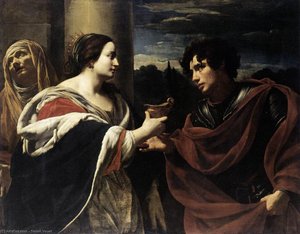
Sleeping Venus
 Acrylic On Canvas
- WallArt
- Baroque
 1630
1630 100.0 x 84.0 cm
 Szépművészeti Múzeum
 Tovább olvasom
Giclée / Műnyomat
Múzeumi minőségű giclée vagy vászonnyomat, gyors gyártással és rugalmas finomítási lehetőségekkel. ( Kézzel festett másolat vásárlása Áttérés digitális képre)




P118B Ft10

P118H Ft10

P118W Ft10

P438Z Ft10

P508JH Ft12

P508YH Ft12

P805H Ft10

P805Z Ft10

P919BZ Ft10

P919G Ft10

P919XJ Ft10

P959ZH Ft10

P968JZ Ft12

W106C Ft8

W218G Ft10

W218JH Ft8

W218Y Ft10

W307PJ Ft10

W316G Ft10

W316PJ Ft8

W316Y Ft10

W398PJ Ft8

W4111J Ft10

W500HY Ft15

W500JH Ft15

W692G Ft12

W849H Ft8

W940BG Ft15

W953PJ Ft8




Válasszon előre meghatározott méreteink közül, amelyek megfelelnek a műalkotás eredeti arányainak.

Írja be a keretének vagy a falának megfelelő szélességet és magasságot. A nyomatot csak le lehet vágni, soha nem tehető nagyobbá, mint az eredeti kép, így egy eltérő alakú méretnél a kép egy része elveszik. Mielőtt bármit kinyatintanánk, küldünk egy digitális próbamodellt jóváhagyásra. Az oldalon látható kép nem tartalmazza a valós levágást — ezt csak a próbamodell mutatja meg.
Világszerte történő kiszállítás területére mindössze 2 hét alatt, a szokásos 4-5 hét helyett. (20 október)

Ingyenes globális expressz szállítás

Prémium minőségű len vászon

Teljes körű szállítási biztosítás

Vámvisszatérítési Garancia

Tökéletes színarányosság garancia

100 napos visszaküldési garancia (csak gyártási hibás termékek esetén)

100% pénzvisszatérítési garancia

Több darab vásárlásakor kedvezmény
 Az üvegkeretes opció csak 110 cm alatti méretben érhető el

Sleeping Venus
Giclée / Műnyomat
Reprodukció méretei
-


Összesített ár
Ft 25246
A Moment of Serene Contemplation: Simon Vouet’s “Sleeping Venus”
Simon Vouet's "Sleeping Venus," painted around 1630, is not merely a depiction of a reclining nude; it’s an exquisite distillation of Renaissance ideals and the burgeoning Baroque aesthetic. This captivating work transcends simple portraiture, offering instead a profound meditation on beauty, repose, and the delicate balance between earthly pleasure and spiritual contemplation. The painting immediately draws the viewer into a world of hushed tranquility, inviting us to share in the woman's peaceful slumber – a rare and deliberate choice for art of that era.
Vouet, a pivotal figure in transitioning French painting from Mannerism to the Baroque, masterfully employed techniques honed during his extensive travels through Italy. He absorbed the influence of artists like Raphael and Leonardo da Vinci, particularly their understanding of light and shadow – crucial elements evident in the soft, diffused illumination that bathes Venus’s form. The artist's meticulous attention to detail is remarkable; from the subtle folds of her drapery to the delicate curve of her lips, every element contributes to a sense of palpable realism, yet imbued with an ethereal quality.
The Symbolism of Slumber
The choice of Venus asleep holds significant symbolic weight. In classical mythology, Venus is the goddess of love and beauty, but here she’s presented not as a vibrant, active force, but in a state of serene repose. This isn't simply an image of physical beauty; it speaks to a deeper concept – the ideal of inner grace and spiritual harmony. The clouds beneath her suggest a realm beyond earthly concerns, hinting at a connection with the divine. The positioning of her head, slightly tilted back, evokes a sense of vulnerability and trust, as if she’s surrendering entirely to the peace of her dreams.
Furthermore, the inclusion of the tree branch extending from the upper left corner adds another layer of meaning. Trees often symbolize life, growth, and connection to nature – elements that complement Venus's association with fertility and abundance. The branches subtly frame the figure, emphasizing her centrality within the composition and reinforcing the painting’s overall theme of harmonious integration.
A Window into 17th-Century France
"Sleeping Venus" is a quintessential example of the artistic climate in 17th-century France, a period marked by a renewed interest in classical antiquity and a shift towards more dynamic and emotionally charged forms of art. Vouet’s work reflects this transition, moving away from the stylized elegance of Mannerism toward the richer colors, dramatic lighting, and heightened realism characteristic of the Baroque. It was commissioned during a time when royal patronage fueled artistic innovation, allowing artists like Vouet to experiment with new techniques and explore ambitious subjects.
The painting’s creation coincided with the rise of Louis XIII and Cardinal Richelieu, who were both avid collectors of art and sought to elevate French culture through lavish displays of wealth and power. Vouet's work served as a powerful symbol of royal authority and artistic excellence, contributing to the grandeur of Versailles and other prominent palaces.
Recreating the Masterpiece: A High-Quality Reproduction
Reproducing "Sleeping Venus" today offers an opportunity to bring this timeless masterpiece into any setting. A carefully crafted print or canvas reproduction captures not only the painting’s visual beauty but also its underlying emotional resonance. The soft, luminous quality of the original is faithfully replicated, creating a piece that will grace any room with an air of serenity and sophistication. Consider framing it in a classic style to further enhance its historical context and artistic merit.
Whether you're an art enthusiast, a collector seeking to expand your collection, or simply someone looking for a stunning addition to your home décor, Simon Vouet’s “Sleeping Venus” remains a testament to the enduring power of beauty, tranquility, and artistic genius.
Gyakran Ismételt Kérdések
Mennyi volt Vouet Simon életkora, amikor a "Sleeping Venus" készült?
Vouet Simon 40 éves volt, amikor 1630 évben megalkotta a "Sleeping Venus" alkotást. A korúsítás az alkotó születési évéből, 1590 fel основании került kiszámítva.
Mennyire népszerű a "Sleeping Venus" mű a Baroque irányzatban?
A „Sleeping Venus”, Vouet Simon alkotása a Iconic kategóriába tartozik, és a Baroque irányzat részeként tekinthető.
Milyen témát és hangulatot ötvöz a „Sleeping Venus”, Vouet Simon alkotása?
A „Sleeping Venus”, Vouet Simon alkotása a venus, sleeping, clouds, landscape, baroque, mythology, figure, renaissance elemeit ötvözi egy Romantic hangulatú környezettel.
A művész életrajza
Simon Vouet: A Francia Barokk Festészet Úttörője
Simon Vouet neve szorosan összefonódik a francia festészet átalakulásával, a manierizmustól a barokk felé vezető úton. 1590-ben Párizsban született, egy művészcsaládban – apja, Laurent Vouet is festő volt, és testvére, Aubin szintén a művészetet választotta –, ami kedvező alapot teremtett számára a későbbi sikerekhez. Unokája, Ludovico Dorigny továbbviszi a család művészi hagyományát. A 17. századi francia udvar és arisztokrácia ízlését tükröző Vouet munkássága ma is lenyűgöző erejével hat ránk.
Korai Évek és Olasz Hatások (1608-1627)
Vouet festői karrierje a portréfestéssel kezdődött, hamarosan megmutatva tehetségét. Már 14 évesen Angliába utazott egy megbízásnak köszönhetően, ahol portrét kellett festenie, ami bebizonyította a növekvő hírnevét. 1611-ben csatlakozott Baron de Sancy francia követ küldöttségéhez az Oszmán Birodalomba, ismét portréfestési megbízásokra. Ez a kalandos utazás Konstantinápolyon át vezetette őt Velencébe, 1612-ben. A római időszak (1614-1627) azonban igazi fordulatot hozott életében. Tizenhány évet töltött Rómában, a virágzó barokk művészeti szcéna közepén.
Olaszországban Vouet számos hatás forrása közül merített. Caravaggio drámai megvilágításának technikáját tanulmányozta, magára ötvözve az olasz manierizmus elemeit, és alaposan vizsgálta Paolo Veronese által alkalmazott színpalettákat és a di sotto in su (felülnéző perspektíva) eljárást. Carracci, Guercino, Lanfranco és Guido Reni művészete is inspirálta, amelyeket egyedi művészi látásmódjába integrált.
A Sajátos Stílus Kidolgozása
Római sikerei csúcspontja a híres Accademia di San Luca elnöki tisztségének megszerzése volt (1624), ami bizonyította a római művészeti világban szerzett elismerését. Vouet stílusa azon képességéről tanúskodott, hogy képes befogadni és átalakítani a különböző művészi befolyásokat. Nem csupán másolt, hanem ezek az elemek egy koherens, distinctly olasz barokk esztétikába olvadtak. Franciaországba való visszatérése (1627) után kulcsszerepet játszott az olasz barokk stílus bevezetésében a francia festészetbe, jelentősen befolyásolva az ország művészeti táját.
Főbb Eredmények és Örökség
Vouet Premier peintre du Roi (a király első festője) cím elnyerése hatalmas presztízst és befolyást biztosított számára. Nagy, aktív műhelyt tartott fenn, számos művészt képezve ki, akik a következő generáció francia festőit formálták. Legkiemelkedőbb tanítványai közé tartozott Charles Le Brun (aki később a versailles-i dekoratív festészetet szervezte), Valentin de Boulogne, Charles Alphonse du Fresnoy, Pierre Mignard, Eustache Le Sueur és Claude Mellan. Vouet hatása nem csupán saját műveire korlátozódott; tanítványai stílusát és technikáit Franciaországban terjesztették, létrehozva egy distinct barokk festészeti iskola.
Történelmi Jelentősége
Simon Vouet öröksége abban rejlik, hogy sikeresen hidat épített az olasz és a francia művészet között. A dinamizmus és pompa olasz barokkját Franciaország ízléséhez igazította, ami a királyi udvar és az arisztokrácia kedveltségét nyerte el. Hatása vitathatatlan a 17. századi francia festészet fejlődésében, és hozzájárulásai ma is elismerik a művészettörténészek.

Vouet Simon
1590 - 1649 , Franciaország
Gyors információk
- Halálozási Dátum: 1649. június 30.
- Művészek, Akik Hatottak Rá:
- Caravaggio
- Paolo Veronese
- Carracci
- Guercino
- Lanfranco
- Guido Reni
- Művészek/Mozgások, Amiket Befolyásolt:
- Charles Le Brun
- Valentin de Boulogne
- Francia barokk festészet
- Művészeti Irányzat: Barokk festészet
- Nemzetiség: Francia
- Születési Dátum: 1590. január 9.
- Születési Hely: Párizs, Franciaország
- Teljes Név: Simon Vouet
Kapcsolódó cikkek

Barokk dráma: A nagyság és az érzelem bevonása a kortárs belső terekbe
Fedezze fel a barokk stílus nagyságát és drámáját! Ismerje meg a belsőépítészet jellegzetességeit, inspirálódjon híres enteriőrökből, és valósítsa meg álmai luxus otthonát szakértő útmutatásunkkal.

The Dramatic Flourish: Exploring the Baroque Movement's Enduring Legacy in Art History
Explore the dramatic world of Baroque art! Discover iconic artists like Caravaggio & Rubens, defining techniques, and its lasting impact on art history. Expert insights for collectors & enthusiasts at OriginalUniqueArt.

The Enduring Allure of the Nude: A Historical & Artistic Exploration of the Human Form
Explore the captivating history of nude art! Discover iconic paintings & artists from classical to modern eras. Uncover symbolism, techniques & find museum-quality reproductions at OriginalUniqueArt.
Simon Vouet: A Baroque Master's Journey from Italian Influence to French Classicism
Explore the life & art of Simon Vouet, a pivotal French Baroque painter who introduced Italian styles to France. Discover his masterpieces and lasting influence on 17th-century art.
Charles Le Brun: Master of French Baroque Classicism & His Enduring Legacy
Explore the life & art of Charles Le Brun, master of French Baroque Classicism. Discover his royal commissions, influence on Versailles, and enduring legacy through detailed analysis & stunning artworks.